Day of the Dead
Audaz Revista

Day of the Dead

Did You Know

It's Not Halloween

Dia de los Muertos is a joyful reunion with ancestors - not a scary holiday. Families celebrate, share food, and laugh with their dead. It's profound.

Key Stat 3,000 Years of Tradition

Aztec death rituals date back 3,000 years. When Spanish colonizers arrived, they merged with Catholic All Saints Day to create the holiday we know today.

Key Point

The Ofrenda: Heart of the Holiday

The altar holds the deceased's photo, favorite foods, marigold flowers (cempasuchil), candles, water, and personal objects. Built to welcome their spirit home.

Key Point

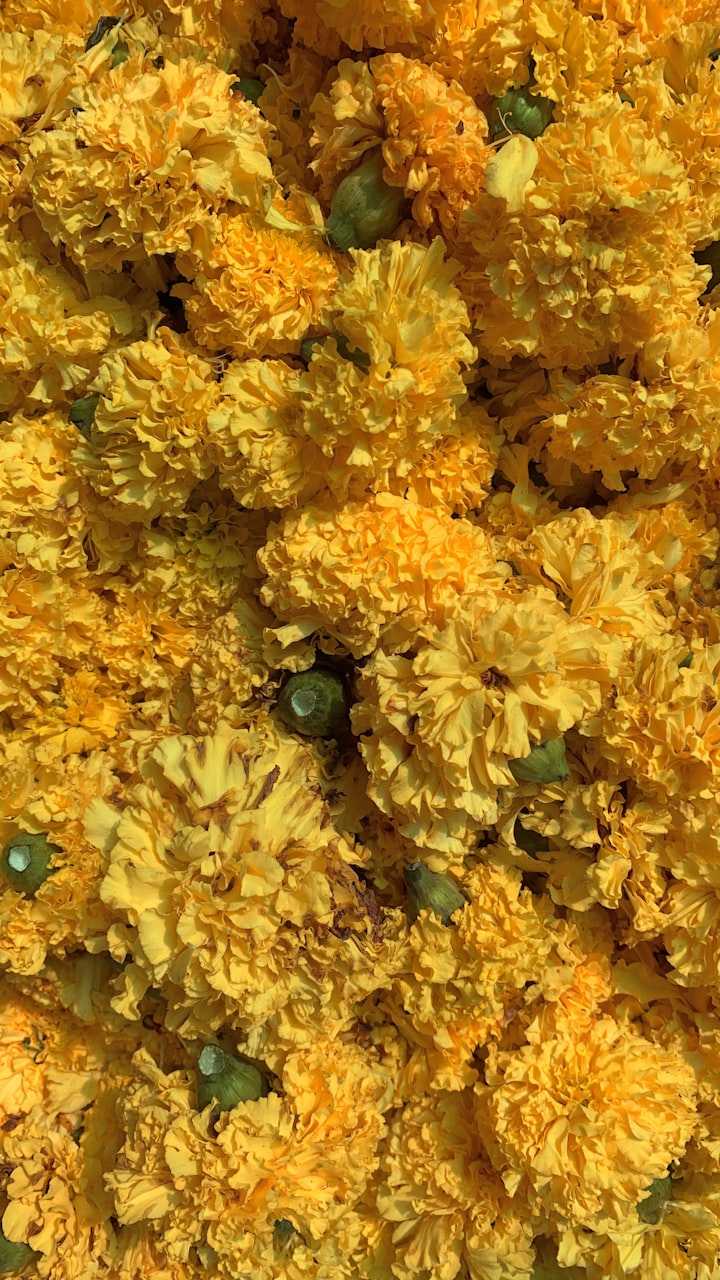
Marigolds: The Flower of the Dead

Cempasuchil petals form paths from cemetery to altar. Their strong scent guides spirits back to the living world on November 1-2. Every ofrenda requires them.

★ Pro Tip

Pan de Muerto: Taste the Tradition

Bread of the Dead is round, decorated with bone-shaped dough, dusted with sugar and orange zest. Baked and eaten during the celebration and left for spirits.

Q & A

Nov 1 vs Nov 2: What's the Difference?

November 1 (Dia de los Inocentes): honors children and infants. November 2 (Dia de los Muertos): honors adults. Each has specific rituals and foods.

Key Stat UNESCO Heritage Since 2008

Mexico's Dia de los Muertos has been on UNESCO's Intangible Cultural Heritage list since 2008. It's officially recognized as a world treasure.

Key Point

Regional Variations Across Mexico

Oaxaca: elaborate sand tapestries (tapetes). Michoacan: candlelit cemetery vigils. Mexico City: massive public altars. Every state celebrates differently.

★ Pro Tip

Learn the Vocabulary of Remembrance

Difunto (deceased). Alma (soul). Recuerdo (memory). Florecer (to flourish). These words carry deep cultural weight - learning them opens the culture.

Key Point

Beyond Mexico: All of Latin America

Ecuador, Guatemala, and Bolivia hold Dia de los Muertos cemetery picnics. Each country blends indigenous and Catholic traditions in unique ways.

Keep Reading

Explore Every Tradition

Full guide to Dia de los Muertos - altar building, regional customs, vocabulary, and how to respectfully experience the celebration.

Read Full Article →