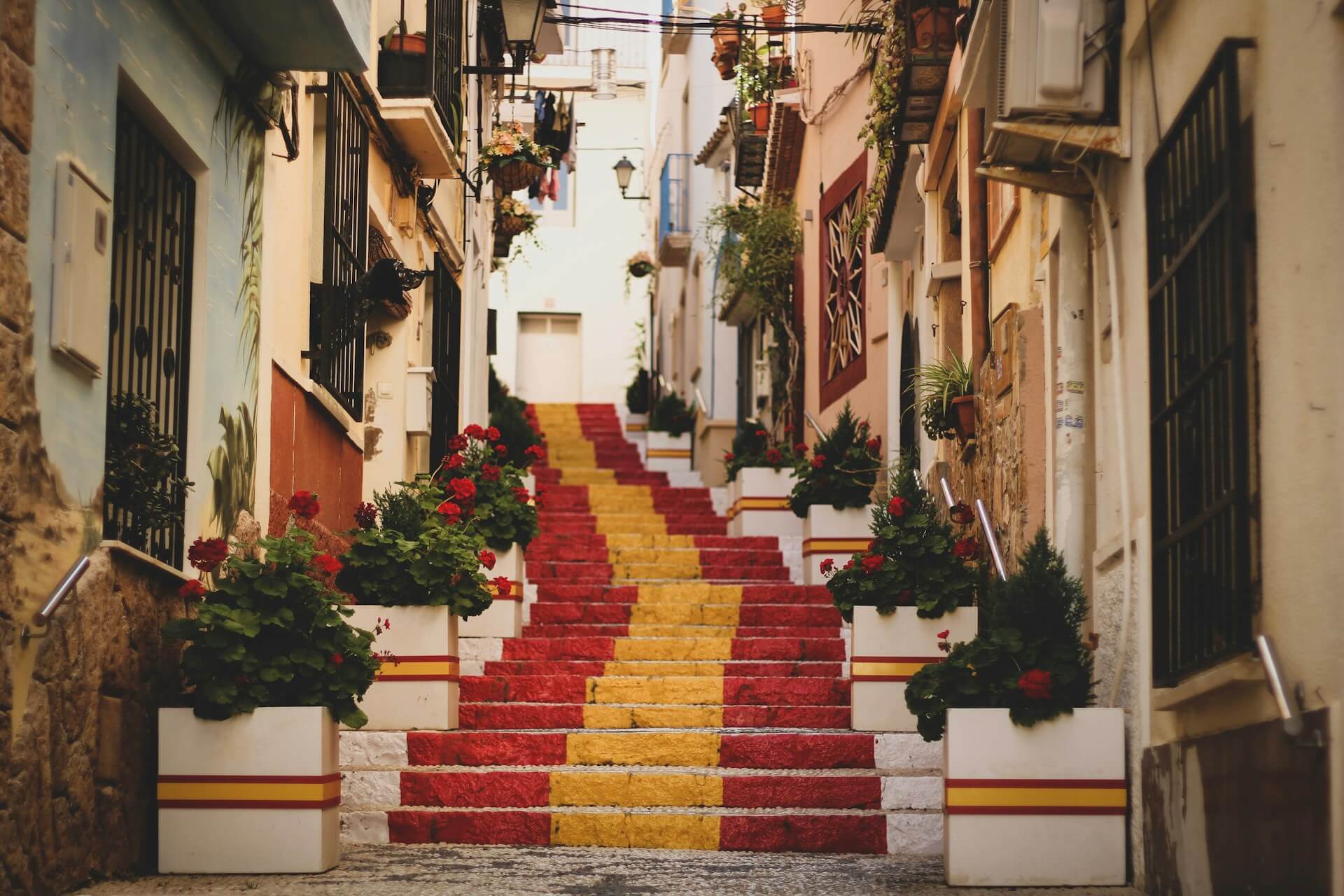
8 Spanish Lifestyle Habits That Will Change Your Routine
Why Spanish Habits Cost Nothing but Change Everything
Here’s what nobody tells you about Spain’s cost of living. Yes, the rent is lower. Yes, the wine is cheaper. But the real savings come from something you can’t put a price tag on: the Spanish approach to daily life.
These eight habits cost virtually nothing. Some cost literally zero. But together, they create a lifestyle that feels richer, calmer, and more connected than anything you’ll find in a productivity app or wellness subscription.
Each habit comes with the vocabulary you need to live it and the cultural context that makes it make sense. Ready to rethink your routine? Let’s go.
1. El Paseo: The Evening Walk That Resets Your Brain
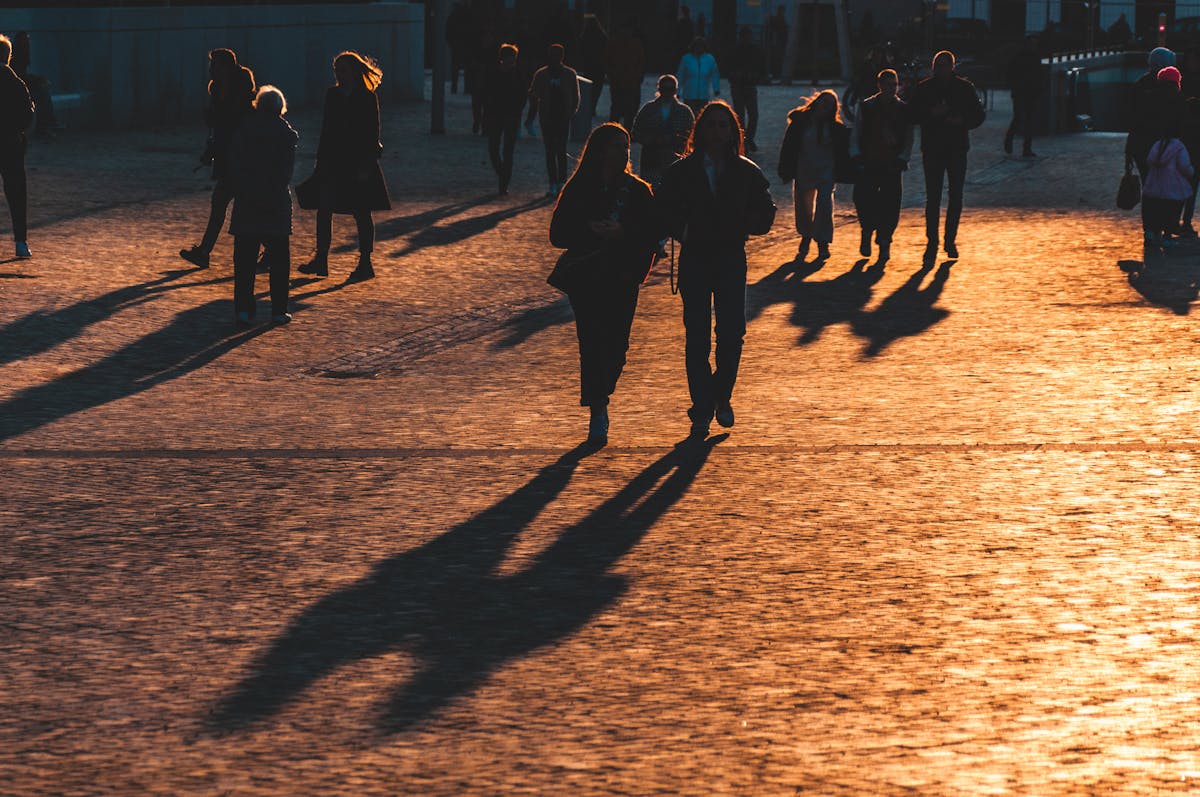
El paseo (el pa-SEH-oh) is the Spanish evening walk. And calling it “a walk” is like calling flamenco “some dancing.” It’s technically accurate but misses the point entirely.
Every evening, as the temperature drops and the light turns golden, Spanish towns come alive. Families stroll. Couples wander. Friends loop arm in arm through the main streets. Children run ahead. Grandparents take their time. Nobody is going anywhere specific. That’s the point.
Cost: Free.
Key vocabulary:
- Pasear (pa-seh-AR) – To walk/stroll. “Vamos a pasear” (Let’s go for a walk).
- Dar un paseo (dar oon pa-SEH-oh) – To take a walk. The most common way to suggest it.
- Callejear (ka-yeh-heh-AR) – To wander the streets aimlessly. Even more casual than pasear.
How to adopt it: After dinner tonight, don’t collapse on the sofa. Walk out the door. No destination. No podcast. No step counter. Just move through your neighbourhood and notice what’s there. Do it three nights in a row and it becomes habit.
2. Sobremesa: The Art of Lingering After Meals
Sobremesa (so-breh-MEH-sa) literally translates to “over the table.” It’s the time spent sitting at the table after a meal has ended, talking, laughing, arguing about politics, sharing stories, and generally refusing to leave.
In most cultures, when the food is gone, the meal is over. In Spain, when the food is gone, the meal is just entering its best phase.
A typical Spanish lunch sobremesa can last 30 minutes to two hours. Nobody checks their watch. Nobody says “Well, I should probably get going.” The conversation takes as long as it takes.
Cost: Free (you’ve already eaten).
Key vocabulary:
- Sobremesa (so-breh-MEH-sa) – The after-meal conversation time. “La sobremesa es lo mejor” (The sobremesa is the best part).
- Quedarse (keh-DAR-seh) – To stay/remain. “Nos quedamos un rato más” (We’ll stay a bit longer).
- Charlar (char-LAR) – To chat. What you do during sobremesa.
How to adopt it: Next time you eat with people, don’t clear the table immediately. Don’t stand up when the last fork drops. Stay. Talk. See what happens when you remove the urgency to “get on with” the rest of your day.
3. Siesta: The Modern Reality (Not What You Think)
Let’s debunk the myth immediately. According to the Spanish Sleep Society’s 2019 report, only 16% of Spaniards nap daily. The three-hour afternoon siesta is largely a thing of the past in modern urban Spain.
But the siesta philosophy lives on. It’s the idea that the early afternoon is meant for rest, slowness, and recovery. Shops still close between 2pm and 5pm in smaller towns. Lunch is still the biggest meal. The pace genuinely drops.
La siesta (la see-ES-ta) comes from the Latin “sexta hora” (sixth hour), referring to the sixth hour after dawn when the sun is at its strongest.
Cost: Free.
Key vocabulary:
- Echar una siesta (eh-CHAR OO-na see-ES-ta) – To take a nap. “Me voy a echar una siesta” (I’m going to take a nap).
- Descansar (des-kan-SAR) – To rest. Broader than sleeping.
- Cabezada (ka-beh-SAH-da) – A quick nap/head nod. “Echar una cabezada” is a power nap of 15-20 minutes.
How to adopt it: You don’t need to sleep. Just build a 20-minute pause into your early afternoon. Close your eyes. Step away from screens. Let your brain reset. The Spanish aren’t lazy. They understood recovery before the wellness industry monetised it.
4. Late Dining and the Menú del Día: Eating Well for Less
Spanish mealtimes are famously late. Lunch happens between 2pm and 3:30pm. Dinner rarely starts before 9pm. This sounds impractical until you discover el menú del día (el meh-NOO del DEE-a).
The menú del día is Spain’s greatest gift to budget dining. For between 10 and 15 euros, you get: a starter (primer plato), a main course (segundo plato), dessert or coffee, bread, and a drink (usually wine, beer, or water). A full three-course meal with a glass of wine for 12 euros. Every working day. At thousands of restaurants across Spain.
Cost: 10-15 euros for a complete meal including wine.
Key vocabulary:
- Menú del día (meh-NOO del DEE-a) – Daily set menu. “¿Tenéis menú del día?” (Do you have a daily menu?)
- Primer plato (pree-MEHR PLA-to) – First course/starter.
- Segundo plato (seh-GOON-do PLA-to) – Second course/main.
- Bebida incluida (beh-BEE-da een-kloo-EE-da) – Drink included.
How to adopt it: Make lunch your main meal. Cook something substantial. Sit down properly. Eat slowly. Then make dinner lighter, later, and simpler. Your digestion and your wallet will both improve.
5. The Mañana Mindset: Strategic Patience, Not Laziness
Mañana (ma-NYA-na) means both “tomorrow” and “morning.” And the mañana mindset isn’t about procrastination. It’s about understanding that not everything needs to happen right now.
In Spain, urgency is reserved for genuine emergencies. Everything else can wait. The plumber will come “mañana” (which might mean Thursday). The paperwork will get processed “when it’s ready.” Your friend will text back “later.”
This drives type-A personalities absolutely mental at first. Then something shifts. You realise that the vast majority of “urgent” things in your life aren’t actually urgent. They just feel that way because you’ve been trained to react immediately.
Cost: Free (in fact, it saves you stress-related health costs).
Key vocabulary:
- Mañana (ma-NYA-na) – Tomorrow/morning. “Mañana lo hacemos” (We’ll do it tomorrow).
- Tranquilo/a (tran-KEE-lo/la) – Calm/relaxed. “Tranquilo, no pasa nada” (Relax, it’s fine).
- No pasa nada (no PA-sa NA-da) – Nothing’s wrong/no worries. Spain’s unofficial national motto.
- Ya veremos (ya beh-REH-mos) – We’ll see. The response to most future planning.
6. Plaza Culture: Your Free Community Living Room
Every Spanish town, no matter how small, has a plaza (PLA-sa). And the plaza isn’t decorative. It’s functional. It’s the living room of the community.
Children play while parents sit on benches chatting. Teenagers hang out on the steps. Old men play dominoes at stone tables. Dogs socialise. Street musicians perform. Vendors sell roasted chestnuts in winter and cold drinks in summer.
According to the European Commission’s Quality of Life report (2020), Spain consistently ranks among the top EU nations for social connectivity and community belonging, with public spaces cited as a primary driver.
Cost: Free.
Key vocabulary:
- La plaza (la PLA-sa) – The square. “Quedamos en la plaza” (Let’s meet at the square).
- Banco (BAN-ko) – Bench (also means bank, context tells you which).
- Fuente (FWEN-teh) – Fountain. Most plazas have one.
- Vecino/a (beh-SEE-no/na) – Neighbour. The people you’ll see at the plaza daily.
How to adopt it: Find a public space near your home. Go there at the same time, regularly. Bring nothing but yourself. Sit. Watch. Eventually, you’ll recognise faces. Then you’ll nod. Then you’ll chat. Congratulations, you have a community.
7. Seasonal Living: Following Nature’s Calendar
Spaniards live seasonally in a way that most modern urbanites have completely forgotten. Food, activities, schedules, and even social habits shift with the months.
In summer: late nights, beach trips, outdoor dining, cold soups (gazpacho, salmorejo). In winter: heavy stews (cocido madrileño), early evenings indoors, hot chocolate with churros. In spring: terrazas open, festivals begin, everyone moves outdoors. In autumn: mushroom foraging, wine harvests, warming flavours.
There’s no fighting against the weather or seasons. You flow with them.
Cost: Free (actually saves money since seasonal food is cheapest).
Key vocabulary:
- Temporada (tem-po-RAH-da) – Season. “Es temporada de fresas” (It’s strawberry season).
- De temporada (deh tem-po-RAH-da) – In season. What you ask for at markets.
- Primavera, verano, otoño, invierno – Spring, summer, autumn, winter.
How to adopt it: This week, buy only fruits and vegetables that are in season locally. Cook what the weather demands, not what a recipe blog suggests. Adjust your bedtime by sunset. Watch how your body responds to living in rhythm.
8. Aperitivo Hour: The Pre-Lunch Ritual
Between noon and 2pm on weekends, Spanish bars fill up with people doing the aperitivo (a-peh-ree-TEE-bo). A small beer (caña), some olives, maybe a tapa or two. It’s not lunch. It’s the warm-up to lunch.
A caña (KA-nya, a small draft beer) costs between 1.50 and 2.50 euros in most Spanish cities. In many places, it comes with a free tapa. The aperitivo isn’t about drinking. It’s about transitioning. Moving from the morning’s energy into the afternoon’s slower pace.
Cost: 1.50-2.50 euros for a caña (often with free tapa).
Key vocabulary:
- Aperitivo (a-peh-ree-TEE-bo) – Pre-lunch drink/snack. “¿Vamos al aperitivo?” (Shall we go for aperitivo?)
- Caña (KA-nya) – Small draft beer (200ml). “Ponme una caña” is the classic order.
- Vermú/Vermut (ber-MOO/ber-MOOT) – Vermouth. The traditional aperitivo drink, making a huge comeback.
- Ir de cañas (eer deh KA-nyas) – To go from bar to bar having small beers. The verb for bar-hopping, Spanish style.
How to adopt it: This weekend, before lunch, go somewhere. A café, a bar, a park bench with a drink. Spend 30 minutes in transition mode. Not working. Not eating. Just being. Notice how much better lunch feels when you’ve given yourself permission to ease into it.
Interactive: Build Your Spanish Daily Routine
| Time | Spanish Habit | What to Do | Key Phrase |
|---|---|---|---|
| 7:30am | Desayuno at the barra | Quick coffee + toast at a café | “Ponme un café con leche y una tostada” |
| 11:00am | Almuerzo break | Second coffee, maybe a snack | “Un cortado, porfa” |
| 12:30pm | Aperitivo (weekends) | Caña + olives with friends | “¿Vamos al aperitivo?” |
| 2:00pm | Menú del día | Full three-course lunch | “El menú del día, por favor” |
| 3:00pm | Sobremesa | Linger, talk, don’t rush | “Nos quedamos un rato” |
| 3:30pm | Siesta/rest | 20-minute pause, no screens | “Voy a echar una cabezada” |
| 6:00pm | Merienda | Coffee + something sweet | “Un café y un trozo de tarta” |
| 8:00pm | El paseo | Evening walk, no destination | “Vamos a dar un paseo” |
| 9:30pm | Cena (dinner) | Light dinner, shared | “¿Qué cenamos?” |
| 10:30pm | Plaza/terrace time | Socialise outdoors | “Quedamos en la plaza” |
The Bigger Picture: Why This Approach Works
None of these habits require money. Most require nothing more than a shift in mindset. And together, they create something powerful: a life built around people, presence, and pleasure rather than productivity, purchasing, and performance.
Spain’s cost of living is already lower than most Western European countries. But the real value isn’t in the cheaper rent or the 12-euro menú del día. It’s in the cultural framework that says: your time belongs to you. Your evenings are for walking. Your meals are for savouring. Your community is waiting in the plaza.
You don’t need to move to Spain to live this way. You just need to borrow the philosophy.
Start with one habit this week. The paseo is the easiest. Walk after dinner tonight. See how it feels.
Mañana, you can try another.
Sources: Spanish Sleep Society, “Hábitos de Sueño en España” (2019); European Commission, “Quality of Life in European Cities” (2020).
Related reading: Discover more about Spanish lifestyle and culture on Audaz Revista.
Share
Topics

audazrevista
You may also like
Get the Inside Scoop