By Elena Castillo Martín | Fashion Journalist & Madrid Style Editor
Spanish fashion stands at the forefront of global style in 2026. Spain fashion trends continue to shape what people wear worldwide. From the runways of Madrid to the streets of Barcelona, Spanish designers create looks that blend tradition with innovation. This guide explores everything you need to know about Spain’s remarkable fashion industry.
The Spanish fashion industry generates over 30 billion euros annually. It employs more than 200, 000 people across the country. Spanish brands like Zara have revolutionized how the world shops for clothes. Understanding Spain fashion trends helps fashion lovers stay ahead of global style movements.
The Rise of Spanish Fashion. A Historical Overview
Spanish fashion has deep roots in European style history. The country’s unique position between Mediterranean influences and Atlantic trade routes created a distinct aesthetic. Today, that heritage fuels modern design innovation.
Early Influences on Spanish Style
Spain’s fashion story begins with Moorish textile traditions. These influences created intricate embroidery patterns still seen today. Spanish royalty later established dress codes that spread across Europe. The Habsburg dynasty made Spanish black fashion synonymous with elegance and power.
Regional dress traditions also shaped Spanish fashion identity. Andalusian flamenco dresses inspired dramatic silhouettes. Basque berets became global fashion staples. These traditional elements continue to influence Spanish designers in 2026.
The Inditex Empire. How Zara Changed Everything
No discussion of Spanish fashion is complete without Zara. This brand transformed the entire fashion industry. Zara pioneered fast fashion as we know it today.
The Zara Revolution
Amancio Ortega founded Zara in 1975 in A Coruna, Spain. His vision was simple but revolutionary. He wanted to bring runway styles to everyday shoppers quickly and affordably. That vision created a fashion empire worth over 100 billion euros.
Zara’s success lies in its speed. The company moves from design to store shelf in just two weeks. Traditional fashion houses take six months. This agility lets Zara respond instantly to emerging trends. Shoppers find new styles every time they visit.
Spanish Fashion Brands. The Power Players
| Zara (Inditex) | Fast Fashion Giant | Founded 1975 | 6, 500+ stores globally |
| Balenciaga | Luxury Haute Couture | Founded 1917 | $2.5B+ annual revenue |
| Loewe | Leather Goods Luxury | Founded 1846 | Fastest-growing LVMH brand |
| Manolo Blahnik | Luxury Footwear | Founded 1970 | Celebrity favorite worldwide |
| Mango | Contemporary Fashion | Founded 1984 | 2, 200+ stores in 118 countries |
Beyond Zara. The Inditex Portfolio
Inditex owns eight major brands beyond Zara. Massimo Dutti offers sophisticated workwear. Pull&Bear targets younger customers with casual styles. Bershka specializes in trendy youth fashion. Stradivarius provides affordable feminine pieces. Oysho dominates the lingerie and activewear market.
This portfolio approach lets Inditex capture every market segment. Each brand maintains distinct identity. Together, they make Inditex the world’s largest fashion retailer. Spanish fashion literally dresses billions of people annually.
Balenciaga. The House That Defined Haute Couture
Cristobal Balenciaga remains fashion’s most revered name. Christian Dior himself called Balenciaga “the master of us all.” Coco Chanel said he was “the only couturier in the truest sense.” Such praise reveals his extraordinary impact.
The Balenciaga Legacy
Balenciaga was born in Getaria, a small Basque fishing village. He learned sewing from his mother, a seamstress. By age 12, he was crafting clothes for local aristocrats. His talent was undeniable from the start.
He opened his first boutique in San Sebastian in 1917. Political turmoil forced him to Paris in 1937. There, he created his legendary couture house. His architectural approach to fashion changed everything. He invented the balloon jacket, the sack dress, and the cocoon coat.
Modern Balenciaga Under Demna
Georgian designer Demna Gvasalia now leads Balenciaga. His appointment in 2015 began a new chapter. Demna brought streetwear sensibilities to the historic house. His oversized silhouettes and chunky sneakers dominate luxury fashion today.
Balenciaga’s Spanish heritage remains central to its identity. The brand’s Barcelona flagship celebrates this connection. Spanish craftsmanship traditions inform even its most avant-garde pieces. The house proves Spanish fashion excellence transcends generations.
Loewe. From Madrid Leather Workshop to Global Luxury
Loewe represents Spanish luxury at its finest. The brand began as a leather goods collective in 1846. German craftsman Enrique Loewe Roessberg formalized it in 1872. Today, it stands among fashion’s most desirable labels.
The Loewe Renaissance
Jonathan Anderson’s appointment as creative director in 2013 transformed Loewe. The Northern Irish designer modernized the brand completely. He kept Spanish craft traditions while adding contemporary edge. The result is fashion’s most talked about renaissance story.
Loewe’s Puzzle bag became an instant icon. Its interlocking leather panels showcase artisanal skill. Celebrity fans include Beyonce, Rihanna, and Taylor Swift. The bag represents accessible luxury with Spanish soul.
Manolo Blahnik. Spanish Shoes That Conquered the World
Manolo Blahnik makes the world’s most coveted shoes. Born in the Canary Islands, he studied art in Geneva. A chance meeting with Diana Vreeland changed his life. She told him to focus on shoes. The rest is fashion history.
The Art of Spanish Shoemaking
Blahnik designs every shoe by hand. He sketches obsessively, creating thousands of designs yearly. His factory in the Canary Islands employs master craftspeople. Each shoe requires over 50 steps to complete.
The TV show “Sex and the City” made Manolo Blahniks cultural icons. Carrie Bradshaw’s obsession mirrored real women’s desires. Today, the brand remains synonymous with feminine elegance. Spanish designers continue to define luxury footwear.
Madrid Fashion Week. Spain’s Style Capital Shines
Madrid Fashion Week (also known as Mercedes-Benz Fashion Week Madrid) showcases Spanish design talent. The event occurs twice yearly in February and September. It attracts buyers, press, and influencers from around the world.
Spanish Fashion Week Calendar 2026
Madrid Fashion Week Fall/Winter Collections
Barcelona Bridal Fashion Week
080 Barcelona Fashion (Spring/Summer)
Madrid Fashion Week Spring/Summer Collections
Key Spanish Designers to Watch
Madrid Fashion Week launches careers of emerging Spanish designers. Palomo Spain brought gender-fluid fashion to international attention. Designer Alejandro Gomez Palomo dresses Harry Styles and Beyonce. His romantic, theatrical designs challenge traditional menswear conventions.
Teresa Helbig creates elegant eveningwear beloved by Spanish royalty. Her designs grace red carpets at the Goya Awards yearly. Maria Ke Fisherman pushes sustainable fashion boundaries. These designers represent Spain’s exciting fashion future.
Barcelona. The Creative Fashion Hub
Barcelona offers a different fashion energy than Madrid. The city’s Mediterranean spirit inspires relaxed sophistication. Its proximity to France creates unique style cross-pollination. Barcelona fashion blends creativity with commercial appeal.
080 Barcelona Fashion
Barcelona hosts its own fashion week called 080 Barcelona Fashion. The event emphasizes emerging talent and innovation. Shows take place in iconic venues across the city. The Catalan government strongly supports this creative initiative.
Barcelona excels in swimwear and bridal fashion. The city hosts Barcelona Bridal Fashion Week annually. This event attracts wedding industry professionals worldwide. Spanish bridal designers lead global wedding fashion trends.
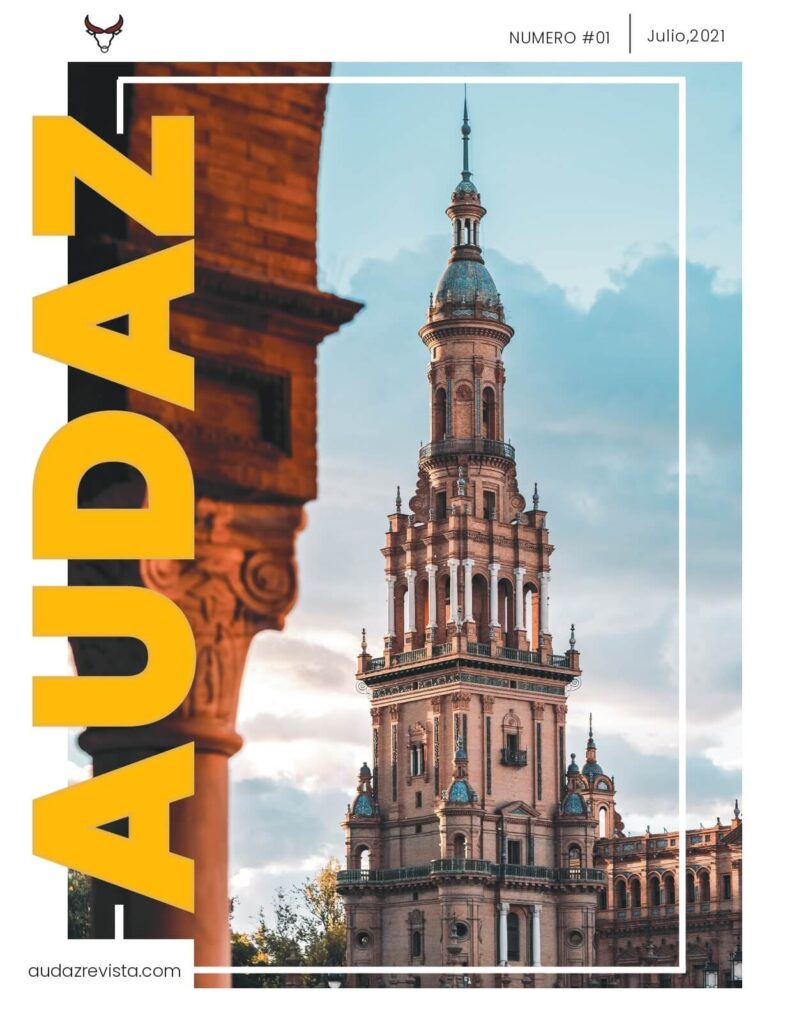
Want to go deeper? Audaz Revista Issue 1 covers topics like this with original cultural features and language insights you will not find in a textbook. Explore Issue 1
Sustainable Fashion Spain. Leading the Green Revolution
Sustainable fashion Spain represents a major industry shift. Spanish brands increasingly prioritize environmental responsibility. This movement combines traditional craftsmanship with modern ethics. Spain is becoming Europe’s sustainable fashion leader.
Ecoalf. Turning Ocean Plastic Into Fashion
Ecoalf leads Spain’s sustainable fashion movement. Founder Javier Goyeneche started the brand in 2009. His mission was creating fashion from recycled materials. Today, Ecoalf makes clothes from ocean plastic and fishing nets.
The “Upcycling the Oceans” project partners with fishing communities. Fishermen collect ocean plastic during regular operations. Ecoalf transforms this waste into high-quality fabrics. The result is fashion that actively cleans our seas.
Sustainable Fashion Spain. Key Statistics
Zara’s Sustainability Commitments
Even fast fashion giant Zara embraces sustainability. The company pledged 100% sustainable fabrics by 2025. All stores now run on renewable energy. Zara’s clothing collection program recycles unwanted garments.
Inditex invested heavily in sustainable manufacturing. New facilities use 50% less water and energy. These changes prove profitable fashion can be responsible. Spanish brands show sustainability and success can coexist.
Spanish Street Style. Where Tradition Meets Modern
Spanish street style reflects the nation’s fashion heritage. Everyday Spaniards dress with enviable effortlessness. Their style balances elegance with practicality. Understanding Spanish street style reveals true national fashion identity.
The Madrid Look
Madrid fashion favors polished sophistication. Madrilenos (Madrid residents) dress up for daily activities. Tailored blazers pair with quality denim. Leather accessories add luxurious touches. The overall effect is refined but never stuffy.
Color choices lean toward earth tones and navy. Black remains a staple for evening occasions. Bright accents appear through scarves and jewelry. Madrid street style represents classic European elegance with Spanish warmth.
Barcelona’s Casual Cool
Barcelona street style feels more relaxed than Madrid. The Mediterranean climate inspires lighter fabrics and colors. Residents favor comfortable yet stylish pieces. Creative industries influence more experimental fashion choices.
Sneakers enjoy wider acceptance in Barcelona than Madrid. Streetwear brands find enthusiastic Barcelona audiences. The city’s art scene inspires graphic prints and bold patterns. Barcelona proves casual fashion can still be impeccable.
Traditional Spanish Clothing. Heritage That Inspires Today
Traditional Spanish clothing continues influencing modern fashion. Regional costumes provide endless design inspiration. Contemporary designers regularly reference these heritage elements. Understanding tradition illuminates current Spanish fashion trends.
The Flamenco Influence
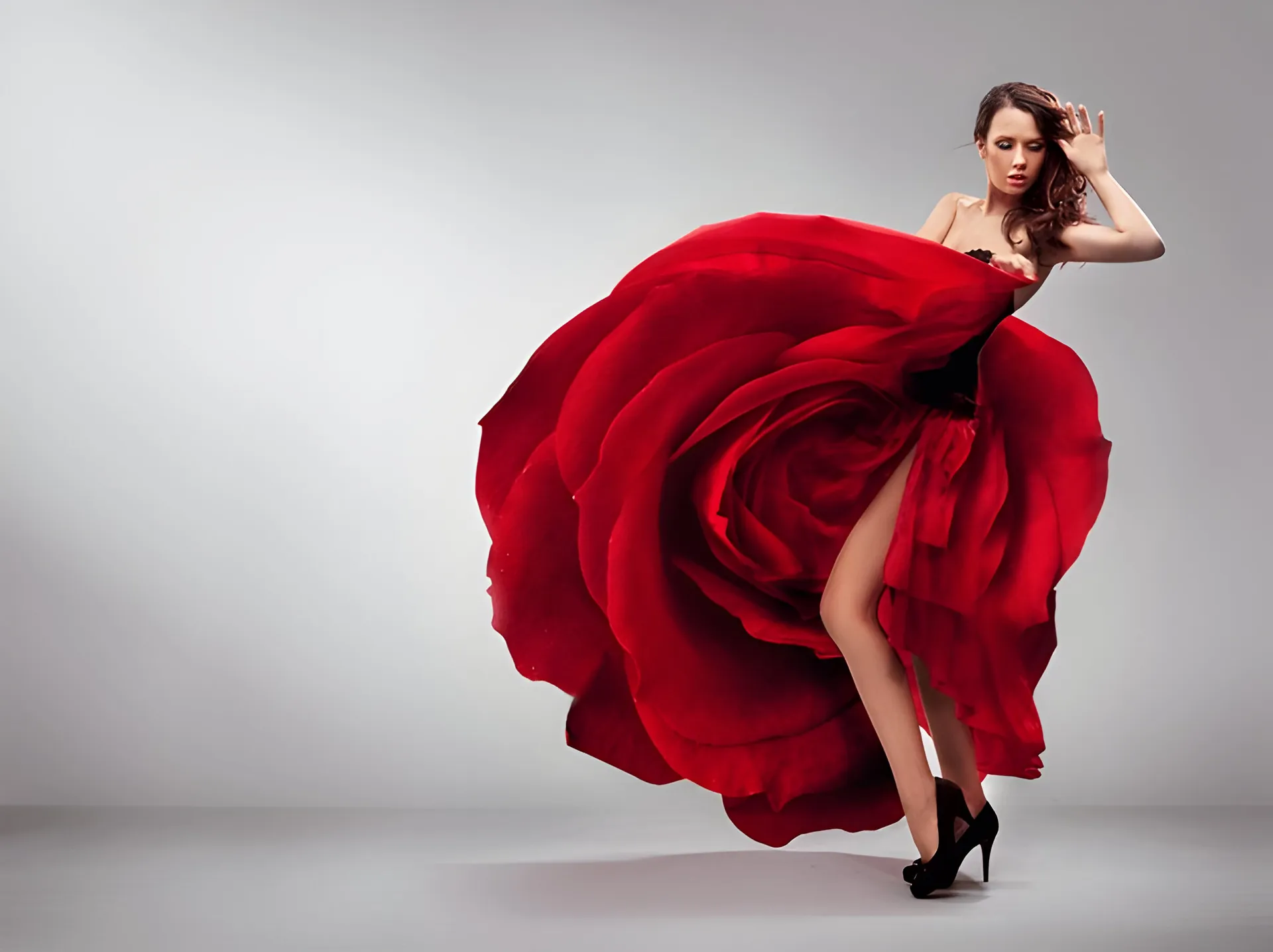
Flamenco dresses (trajes de flamenca) remain iconic Spanish garments. Their dramatic ruffles and bold colors captivate worldwide audiences. High fashion designers regularly interpret flamenco elements. Oscar de la Renta and Giambattista Valli frequently show flamenco-inspired collections.
The flamenco influence extends beyond formal dresses. Polka dots (lunares) appear in contemporary collections. Ruffled details edge modern blouses and skirts. Red and black color combinations reference flamenco tradition. These elements keep Spanish heritage alive in global fashion.
Regional Dress Traditions
Each Spanish region boasts distinct traditional dress. The mantilla (lace veil) originated in Andalusia. It now appears at weddings and formal events worldwide. The beret evolved from Basque shepherds’ practical headwear. Today, fashion houses reinterpret this humble cap constantly.
Celebrity Spanish Fashion Moments
Spanish celebrities showcase their nation’s fashion excellence. Queen Letizia serves as Spain’s most influential fashion figure. Her choices instantly boost designer profiles. International celebrities also embrace Spanish fashion increasingly.
Queen Letizia. A Modern Royal Style Icon
Queen Letizia consistently supports Spanish designers. She wears Felipe Varela, Pertegaz, and Carolina Herrera regularly. Her wardrobe choices receive global media coverage. This royal endorsement elevates Spanish fashion’s international profile.
Letizia’s style emphasizes modern elegance and sustainability. She frequently repeats outfits, normalizing fashion responsibility. Her choices prove style need not require endless consumption. Spanish fashion royalty truly leads by example.
Global Stars in Spanish Brands
International celebrities increasingly choose Spanish fashion. Lady Gaga wears Balenciaga almost exclusively. Zendaya favors Loewe for red carpet appearances. Bad Bunny proudly represents Balenciaga’s gender-fluid approach. These endorsements confirm Spanish fashion’s global influence.
Spain Fashion Trends for 2026
Spain fashion trends for 2026 reflect global influences with local character. Spanish designers interpret international movements distinctly. Understanding these trends helps fashion lovers prepare their wardrobes. Here are this year’s defining Spanish style directions.
Mediterranean Minimalism
Clean lines and natural fabrics dominate Spanish fashion in 2026. Linen blazers and cotton dresses appear everywhere. Neutral palettes emphasize quality over quantity. This trend celebrates Spanish craftsmanship traditions.
Bold Color Returns
Bright colors stage a comeback this year. Electric blue references Spain’s coastal heritage. Sunset oranges evoke Mediterranean warmth. These bold choices balance the minimalist silhouette trend. Spanish fashion proves restraint and exuberance can coexist.
Artisanal Details
Handcrafted elements distinguish luxury Spanish fashion. Embroidery, crochet, and macrame details appear on high-end pieces. These techniques honor Spain’s textile traditions. Consumers increasingly value visible craftsmanship over logo-driven design.
Shopping Spanish Fashion. Where to Find the Best Pieces
Shopping Spanish fashion offers exciting opportunities for style lovers. From flagship stores to hidden boutiques, options abound. Online shopping expands access to Spanish brands globally. Here’s your guide to finding authentic Spanish fashion.
Madrid Shopping Districts
Salamanca district houses Madrid’s luxury fashion offerings. Serrano Street concentrates high-end boutiques and flagships. Chueca neighborhood offers independent designer shops. Gran Via provides mainstream fashion at accessible prices.
Barcelona Fashion Shopping
Passeig de Gracia serves as Barcelona’s premier fashion street. This boulevard hosts major international and Spanish brands. El Born neighborhood shelters emerging designer boutiques. The city’s markets offer vintage Spanish fashion treasures.
The Future of Spanish Fashion
Spanish fashion’s future looks exceptionally bright. Young designers continue pushing creative boundaries. Sustainability becomes increasingly central to business models. Technology enhances Spanish fashion’s global reach.
Digital innovation shapes Spanish fashion’s next chapter. Virtual fashion shows expand audience access. AI helps optimize sustainable production processes. Spanish brands lead fashion technology adoption. The industry evolves while honoring its rich heritage.
Spanish fashion will continue influencing global style. The combination of tradition and innovation proves irresistible. From Balenciaga’s haute couture to Zara’s democratic fashion, Spain offers something for everyone. The future of fashion speaks Spanish.
Audaz Revista
Take Your Spanish Further
Audaz Revista Issue 1 is out now, a full-length bilingual magazine for serious Spanish learners. Latin American culture, grammar deep-dives, and language insights written by educators.
Frequently Asked Questions About Spanish Fashion
What are the most famous Spanish fashion brands?
Why is Zara so successful in the fashion industry?
When is Madrid Fashion Week held?
What is sustainable fashion Spain known for?
Who was Cristobal Balenciaga and why is he important?
How does Spanish street style differ from other European countries?
What traditional Spanish clothing influences modern fashion?
What are the best areas to shop for fashion in Madrid and Barcelona?
What Spain fashion trends are popular in 2026?
How can I incorporate Spanish style into my wardrobe?
About the Author, Elena Castillo Martin is a Madrid-based fashion journalist with over 15 years of experience covering Spanish and European fashion. As the Style Editor for major Spanish publications, she has interviewed leading designers and reported from fashion weeks across Europe. Her expertise in Spanish fashion heritage and contemporary trends makes her a trusted voice in the industry.