35+ Films & Shows | 6,000+ words
The moment you press play on your first Spanish movie to learn Spanish, something magical happens. Suddenly, the language you have been studying in textbooks comes alive. Characters argue passionately in Madrid cafes, whisper secrets in Mexico City apartments, and shout across Buenos Aires streets. This immersive experience transforms language learning from a chore into an adventure you genuinely look forward to.
In this comprehensive guide, you will discover 35+ hand-picked Spanish films and TV shows organized by difficulty level, genre, country of origin, and streaming platform. Whether you are a complete beginner or an advanced learner polishing your skills, we have curated the perfect movie recommendations to accelerate your Spanish journey. We will also share the science behind why movie learning works and provide you with a complete workflow to maximize every minute of screen time.
Key Takeaways
- Start with the right level: Choose films that match your current Spanish ability to avoid frustration
- Use subtitles strategically: Progress from English to Spanish subtitles as you improve
- Explore different accents: Films from Spain, Mexico, Argentina, Colombia, Chile, and Peru expose you to diverse Spanish
- Active watching matters: Pause, repeat phrases, and take notes for maximum learning
- Consistency beats intensity: 2-3 movies per week creates sustainable progress
- Combine movies with TV shows: Movies provide variety while shows offer extended character exposure
Table of Contents
2. Complete Movie Learning Workflow
3. Best Movies for Beginners
4. Intermediate Level Films
5. Advanced Level Challenges
6. Genre-by-Genre Recommendations
7. Director Spotlights
8. Accent & Dialect Guide
9. Films by Country Deep Dive
10. Classic Cinema by Decade
11. Streaming Platform Guide
12. TV Series for Extended Learning
13. Your Movie Learning Schedule
14. FAQ
The Science Behind Learning Spanish Through Movies
Before diving into our movie recommendations, let us understand why watching Spanish films is one of the most effective language learning methods available. The science is compelling, and understanding it will help you maximize every viewing session.
Comprehensible Input Theory
Linguist Stephen Krashen’s research established that language acquisition occurs most effectively when learners receive “comprehensible input” – language that is slightly above their current level but understandable through context. Movies provide the perfect delivery system for this input. When you cannot understand a word, the visual context, character expressions, and situational cues help you decode meaning naturally.
A 2019 study published in the Journal of Language Learning found that learners who incorporated video content into their study routine showed 34% greater vocabulary retention compared to those using text-only materials. The combination of visual, auditory, and contextual information creates multiple memory pathways, making new words and phrases stick more effectively.
How Your Brain Processes Movie Learning
When you watch a Spanish movie, your brain engages in several simultaneous processes that accelerate language acquisition:
Visual Processing
Your visual cortex processes facial expressions, body language, and environmental context, providing meaning even when words are unclear. This visual scaffolding supports comprehension and helps you infer the meanings of new vocabulary.
Auditory Pattern Recognition
Your brain begins recognizing speech patterns, intonation, and rhythm. Over time, you start distinguishing individual words from the stream of speech, a crucial skill that classroom drills often fail to develop.
Emotional Engagement
When you care about characters and storylines, your brain releases dopamine, which enhances memory formation. Words learned in emotional contexts are remembered significantly better than those learned through rote memorization.
Mirror Neuron Activation
Watching characters speak activates mirror neurons that simulate the motor actions of speech. This neurological mirroring helps prepare your own mouth and tongue for producing Spanish sounds accurately.
Research Insight: A study at the University of Valencia found that students who watched 20 hours of subtitled Spanish content over 8 weeks improved their listening comprehension by 17% and vocabulary by 23%, compared to a control group using traditional methods.
The Complete Movie Learning Workflow
Simply watching Spanish movies will help your comprehension, but following a structured workflow transforms casual viewing into accelerated learning. Here is the complete process that our most successful learners follow.
The 4-Phase Movie Learning Method
Preview
Read the plot summary and look up key vocabulary before watching
Watch
First viewing with appropriate subtitles for your level
Extract
Note new vocabulary and phrases during or after viewing
Review
Create flashcards and rewatch key scenes without subtitles
Before You Watch: Preparation Phase
Spending 10-15 minutes preparing before a movie dramatically increases what you learn during viewing:
- Read the Plot Summary: Understanding the basic story reduces cognitive load during viewing, freeing mental resources for language processing.
- Learn Key Character Names: Spanish names can be challenging to catch. Knowing them beforehand helps you follow dialogue.
- Preview Genre Vocabulary: If watching a crime thriller, review crime-related vocabulary. For a romance, brush up on relationship terms.
- Set Your Intention: Decide whether this is an “enjoyment watch” (relax and absorb) or a “study watch” (pause frequently, take notes).
The Subtitle Strategy
Your subtitle approach should evolve with your level. Here is the progression most successful learners follow:
Beginner
Spanish audio + English subtitles
Focus on connecting sounds to meaning
Intermediate
Spanish audio + Spanish subtitles
Read while listening to reinforce spelling
Advanced
Spanish audio, no subtitles
True immersion experience
During the Movie: Active Watching Techniques
- Pause and Repeat: When you hear a useful phrase, pause and repeat it out loud. Mimic the pronunciation and intonation exactly.
- Shadow Speaking: Try speaking along with characters during simple dialogue scenes. This builds pronunciation confidence.
- Note Key Phrases: Keep a notebook or phone nearby to jot down phrases that seem useful or interesting.
- Watch in Chunks: For intense study sessions, watch 20-30 minute segments with full attention rather than an entire movie while distracted.
After Watching: Vocabulary Extraction
The real learning happens when you systematically capture and review new vocabulary:
Creating Movie Flashcards
The most effective movie flashcards include context. Instead of just “mentira = lie,” write “Es una mentira (It’s a lie) – from the scene where Carlos confronts Maria.” This contextual anchor dramatically improves retention.
Use apps like Anki or Quizlet to create digital flashcard decks organized by movie. Review your movie vocabulary daily using spaced repetition algorithms for maximum retention.
Pro Tip: Watch the same movie twice at different stages of your learning. The first time with English subtitles, and months later with Spanish subtitles or no subtitles. You will be amazed at how much more you understand.
Best Spanish Movies for Beginners
Starting your Spanish movie journey with the right films is crucial. These beginner-friendly movies feature clear pronunciation, slower dialogue, and visual storytelling that supports comprehension even when you miss some words.
Coco (2017)
Beginner
Animation/Family
105 min
Disney+
This Pixar masterpiece follows young Miguel on his journey through the Land of the Dead. The Mexican Spanish is exceptionally clear, and the cultural context around Dia de los Muertos provides excellent learning opportunities. The emotional storytelling keeps you engaged while you absorb vocabulary naturally. The musical numbers reinforce key phrases through repetition and melody.
Crystal-clear Mexican pronunciation, family vocabulary, emotional expressions, musical repetition of key phrases
familia, musica, recuerdame, bendicion, ofrenda, muerte, sueno
Beginner Tip: Animated films are excellent starting points because voice actors typically speak more clearly than in live-action films. The visual context also helps you understand meaning without relying solely on dialogue.
Checkpoint: You’ve completed the Beginner section! Ready to challenge yourself with Intermediate films?
Intermediate Level Spanish Movies
Ready to challenge yourself? These intermediate films feature more natural speech patterns, varied accents, and complex storylines. You will encounter more colloquial expressions and faster dialogue, but the stories remain accessible with Spanish subtitles.
Pan’s Labyrinth / El Laberinto del Fauno (2006)
Intermediate
Fantasy/Drama
118 min
Netflix, HBO Max
Guillermo del Toro’s dark fairy tale set in post-Civil War Spain blends fantasy and harsh reality. The clear Castilian Spanish contrasts with the otherworldly dialogue of fantasy creatures. This visually stunning film won three Academy Awards and remains a landmark of Spanish-language cinema. The historical setting provides vocabulary related to war, authority, and resistance.
Clear Castilian pronunciation, fantasy vocabulary, historical context, formal vs informal registers
laberinto, fauno, obediencia, prueba, guerra civil, capitan
Advanced Level Spanish Movies
These films challenge even proficient Spanish speakers with rapid dialogue, heavy slang, multiple accents, and complex narratives. If you can follow these movies without subtitles, your Spanish comprehension is truly advanced.
El Secreto de Sus Ojos (2009)
Advanced
Thriller/Drama
129 min
Prime, Netflix
This Oscar-winning thriller follows a retired legal counselor investigating a decades-old murder case. The Argentine Spanish, with its distinctive Rioplatense accent and rapid-fire dialogue, challenges even advanced learners. The complex plot requires close attention, making it perfect practice for high-level comprehension. The legal and investigative vocabulary adds professional Spanish to your repertoire.
Argentine Rioplatense accent, legal vocabulary, complex narrative, voseo conjugation practice
investigacion, memoria, justicia, crimen, obsesion, juzgado
Genre-by-Genre Recommendations
Different genres offer different vocabulary sets and speaking styles. Diversifying your movie selection across genres ensures well-rounded Spanish comprehension. Here are our top picks organized by genre.
Drama Films
Emotional depth with rich vocabulary for feelings and relationships
Intermediate
Spain | Javier Bardem’s powerful portrayal of a quadriplegic fighting for dignity. Galician setting, philosophical vocabulary about life and death.
Intermediate
Spain | Atmospheric horror-drama about motherhood and loss. Clear Castilian Spanish, emotional vocabulary, supernatural themes.
Intermediate
Mexico | Magical realism classic with cooking vocabulary. Beautiful, poetic Mexican Spanish set during the Revolution.
Intermediate
Colombia | Child’s perspective on rural conflict. Simple, natural dialogue with clear Colombian accent.
Intermediate
Argentina | Heartwarming story of midlife crisis and family. Accessible Argentine Spanish, restaurant vocabulary.
Comedy Films
Everyday vocabulary, slang, and conversational Spanish
Beginner
Mexico | Rich family fakes bankruptcy. Clear Mexican Spanish, work and money vocabulary, class commentary.
Intermediate
Argentina | Nobel laureate returns to hometown. Intellectual humor, cultural commentary, varied registers.
Intermediate
Spain | Andalusian man pretends to be Basque. Regional accent exposure, cultural humor, relationship vocabulary.
Beginner
Mexico | Boy crosses border to find mother. Family vocabulary, immigration themes, accessible dialogue.
Intermediate
Spain | Young Spaniards move to Germany for work. Contemporary youth vocabulary, job hunting language.
Thriller & Mystery Films
Crime vocabulary, tense dialogue, investigative language
Advanced
Argentina | Con artist thriller with rapid dialogue. Argentine slang, deception vocabulary, plot twists.
Advanced
Spain | Businessman accused of murder. Legal vocabulary, plot complexity, clear Castilian Spanish.
Intermediate
Spain | Body disappears from morgue. Police procedural vocabulary, suspense dialogue.
Advanced
Spain | Alejandro Amenabar’s debut thriller. University setting, media vocabulary, 90s Spanish slang.
Romance Films
Relationship vocabulary, emotional expressions, intimate dialogue
Beginner
Spain | Oscar winner about young soldier and four sisters. Clear 1930s Spanish, romance vocabulary, slow pace.
Intermediate
Spain | Woody Allen’s Paris fantasy in Spanish. Literary vocabulary, nostalgic dialogue, clear dubbing.
Beginner
Mexico | Father-daughter love story. Family affection vocabulary, heartwarming dialogue.
Advanced
Spain | Almodovar’s meditation on love and communication. Complex emotional vocabulary, artistic dialogue.
Documentary Films
Clear narration, factual vocabulary, interview Spanish
Intermediate
Spain | Pilgrimage documentary. Travel vocabulary, spiritual language, varied Spanish accents from pilgrims.
Advanced
Spain | Franco-era justice documentary. Historical vocabulary, legal language, interview Spanish.
Intermediate
Argentina | Football legend’s life. Sports vocabulary, Argentine accent, celebrity interview language.
Advanced
Chile | Astronomy meets history in Atacama Desert. Scientific vocabulary, Chilean Spanish, poetic narration.
Director Spotlights: Masters of Spanish Cinema
Understanding the great directors of Spanish-language cinema enriches your viewing experience and helps you develop preferences that match your learning style. Here are four masters whose filmographies deserve exploration.
Accent & Dialect Guide by Film
One of the greatest advantages of learning Spanish through movies is exposure to the rich variety of accents across the Spanish-speaking world. Understanding these differences prepares you for real-world conversations with speakers from different regions.
Accent Strategy: Start with Mexican or Colombian Spanish for the clearest pronunciation. Once comfortable, branch into Castilian Spanish for European exposure. Save Argentine and Chilean films for when you’re more advanced – their rapid pace and unique features are challenging but rewarding.
Films by Country: A Deep Dive
Each Spanish-speaking country has its own cinematic traditions, storytelling styles, and linguistic features. Exploring films from different countries gives you a well-rounded understanding of the Spanish language in all its diversity.

Spain: 5 Must-Watch Films
Spanish cinema from Spain offers the distinctive Castilian accent, with the characteristic “th” sound for c and z. Films from Spain also feature the informal second-person plural “vosotros,” which differs from Latin American Spanish. The country has produced world-class directors like Almodovar, Amenabar, and Bayona.
- Volver (2006) – Almodovar’s colorful family drama with Penelope Cruz
- El Laberinto del Fauno (2006) – Del Toro’s dark fairy tale masterpiece
- Mar Adentro (2004) – Javier Bardem’s powerful performance
- Ocho Apellidos Vascos (2014) – Hilarious regional comedy
- El Orfanato (2007) – Atmospheric supernatural drama
Mexico: 5 Must-Watch Films
Mexican cinema represents the largest Spanish-language film industry in the world. The Mexican accent is often considered one of the clearest and most neutral forms of Spanish, making these films excellent for learners at all levels. Mexico has produced international superstars like Gael Garcia Bernal and directors who have conquered Hollywood.
- Coco (2017) – Pixar’s celebration of Mexican culture
- Roma (2018) – Cuaron’s autobiographical masterpiece
- Y Tu Mama Tambien (2001) – Coming-of-age road trip classic
- Amores Perros (2000) – Inarritu’s powerful debut
- Como Agua Para Chocolate (1992) – Magical realism romance
Argentina: 5 Must-Watch Films
Argentine Spanish, known as Rioplatense Spanish, has a distinctive Italian-influenced musicality and unique features like the “sh” sound for ll and y, and the voseo conjugation. Argentine films often feature rapid dialogue and sophisticated wordplay. Mastering this accent opens doors to one of Latin America’s most creative film industries.
- El Secreto de Sus Ojos (2009) – Oscar-winning thriller
- Relatos Salvajes (2014) – Dark comedy anthology
- Nueve Reinas (2000) – Con artist masterpiece
- El Hijo de la Novia (2001) – Heartwarming family drama
- El Ciudadano Ilustre (2016) – Intellectual dark comedy
Colombia: 3 Must-Watch Films
Colombian Spanish is often praised for its clarity and relatively neutral accent, making it excellent for learners. The growing Colombian film industry has produced several internationally acclaimed works that offer authentic exposure to this accessible variety of Spanish.
- Encanto (2021) – Disney’s celebration of Colombian culture
- El Abrazo de la Serpiente (2015) – Oscar-nominated Amazon epic
- Maria Full of Grace (2004) – Powerful drug mule drama

Chile: 2 Must-Watch Films
Chilean Spanish is notoriously challenging due to its rapid pace, dropped consonants, and unique slang. However, Chilean cinema has produced internationally acclaimed films that reward patient viewing. Start with documentaries where narration is clearer.
- No (2012) – Oscar-nominated political drama about the anti-Pinochet campaign
- Nostalgia de la Luz (2010) – Poetic documentary about astronomy and history
Peru: 2 Must-Watch Films
Peruvian cinema has grown significantly in recent decades, offering films with clear Andean Spanish that’s accessible to learners. Peruvian Spanish is known for its clarity and pleasant rhythm.
- La Teta Asustada (2009) – Golden Bear winner about trauma and resilience
- Asu Mare (2013) – Popular comedy about a comedian’s childhood
Decade-by-Decade: Classic Spanish Cinema
Understanding the history of Spanish-language cinema adds context to your viewing and exposes you to how the language has evolved. Here’s a journey through the decades of Spanish-language filmmaking.
1960s-1970s: The New Cinema Movements
Spanish cinema under Franco saw censorship, but directors found creative ways to critique society. Mexican cinema entered its “Golden Age” with melodramas and comedies. Argentine cinema developed distinctive auteur voices.
Key Films: El Espiritu de la Colmena (1973, Spain), Macario (1960, Mexico), La Historia Oficial (1985, Argentina)
1980s-1990s: The Almodovar Revolution
Post-Franco Spain exploded with creative freedom. Pedro Almodovar emerged as the defining voice of Spanish cinema. Mexican cinema saw the rise of Alfonso Arau and the beginning of international recognition.
Key Films: Mujeres al Borde de un Ataque de Nervios (1988), Como Agua Para Chocolate (1992), Belle Epoque (1992)
2000s: The Mexican New Wave
The “Three Amigos” – Cuaron, Inarritu, and Del Toro – transformed Mexican cinema and conquered Hollywood. Argentine cinema won multiple Oscars. Spanish horror gained international recognition.
Key Films: Amores Perros (2000), Y Tu Mama Tambien (2001), El Laberinto del Fauno (2006), El Secreto de Sus Ojos (2009)
2010s-2020s: The Streaming Era
Netflix and streaming platforms revolutionized access to Spanish content. Spanish series like La Casa de Papel became global phenomena. Colombian and Chilean cinema gained international recognition.
Key Films: Roma (2018), Relatos Salvajes (2014), El Abrazo de la Serpiente (2015), Encanto (2021)
Streaming Platform Deep Dive
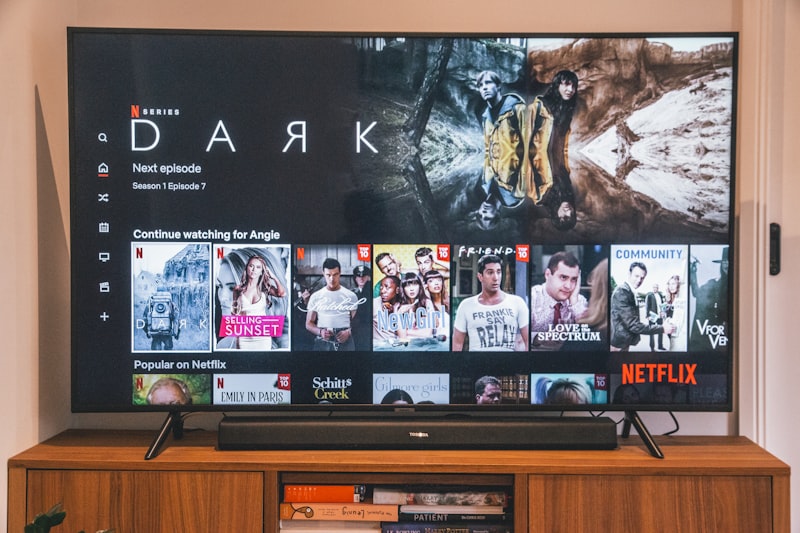
Finding Spanish movies has never been easier, with multiple streaming platforms offering extensive Spanish-language libraries. Here is a detailed breakdown of what each platform offers.
Netflix: The Spanish Content King
Netflix has invested heavily in Spanish-language original content, making it the go-to platform for learners. Their library includes hundreds of Spanish films and dozens of original series from Spain, Mexico, Argentina, and Colombia.
Pro Tip: Change your Netflix profile language to Spanish to discover more Spanish content in your recommendations and practice reading Spanish menus.
Budget Tip: Pantaya offers the best value for dedicated Spanish learners at just $5.99/month with an exclusively Spanish catalog. Combine it with free options like Tubi and YouTube for variety without breaking the bank.
TV Series for Extended Learning
While movies provide complete stories in single sittings, TV shows offer extended exposure to characters and speech patterns. The episodic format allows you to become familiar with recurring vocabulary and speaking styles. Here are our top ten Spanish series for language learning.
La Casa de Papel / Money Heist
Advanced
Spain | 5 Seasons | Netflix
The Professor leads elaborate heists. Fast-paced Castilian Spanish with criminal jargon. Perfect for advanced learners who want exposure to Spain’s contemporary dialogue.
Elite
Intermediate
Spain | 8 Seasons | Netflix
Teen drama at an elite school. Contemporary teenage Spanish with current slang. Dramatic storylines keep you engaged while learning casual conversation.
Club de Cuervos
Intermediate
Mexico | 4 Seasons | Netflix
Siblings battle for control of a soccer team. Hilarious Mexican comedy with business, sports, and family vocabulary. Netflix’s first Spanish original.
Narcos
Advanced
Colombia/Mexico | 3 Seasons | Netflix
Rise and fall of drug cartels. Mix of Spanish and English helps bridge the gap. Colombian accents with intense dialogue.
Las Chicas del Cable
Intermediate
Spain | 5 Seasons | Netflix
1920s telephone operators in Madrid. Period Spanish with workplace vocabulary. Clear enunciation due to historical setting.
Valeria
Beginner
Spain | 3 Seasons | Netflix
Writer and her three friends navigate life in Madrid. Light, conversational Spanish perfect for beginners. Friendship and relationship vocabulary.
Oscuro Deseo
Intermediate
Mexico | 2 Seasons | Netflix
Psychological thriller about a law professor. Clear Mexican Spanish with suspenseful dialogue. Emotional vocabulary and legal terminology.
El Marginal
Advanced
Argentina | 5 Seasons | Netflix
Undercover cop in Argentine prison. Intense Rioplatense Spanish with heavy slang. Challenging but excellent for advanced learners.
Gran Hotel
Intermediate
Spain | 3 Seasons | Netflix
Period mystery at a luxury hotel. Clear historical Spanish with service industry vocabulary. Dramatic plot keeps you watching.
Destinos
Beginner
Educational | 52 Episodes | YouTube
Classic Spanish learning telenovela. Designed specifically for learners with slow, clear dialogue. Perfect starting point for absolute beginners.
Beginner Series Strategy: Start with Valeria or Destinos, which have the clearest dialogue. Watch the first few episodes of each to find a show whose characters and speech pace work for your level. Once you find “your show,” commit to watching the entire series.
Creating Your Movie Learning Schedule
Consistency is the key to language learning success. Rather than binge-watching Spanish content occasionally, create a sustainable schedule that makes movies a regular part of your learning routine.
Recommended Weekly Plan
TV Episode
(45 min)
Vocab Review
(20 min)
Movie Part 1
(60 min)
TV Episode
(45 min)
Movie Part 2
(60 min)
Full Movie
(2 hours)
Rewatch Clips
(30 min)
This schedule provides approximately 6 hours of Spanish media exposure per week while remaining sustainable. Adjust based on your availability, but consistency matters more than volume.
Not Sure What to Watch?
Answer these questions to find your perfect movie:
Q1: What’s your Spanish level?
Beginner? Start with Coco or Encanto
Intermediate? Try Pan’s Labyrinth or Volver
Advanced? Challenge yourself with El Secreto de Sus Ojos
Q2: What accent do you want to learn?
Mexican? Roma, Y Tu Mama Tambien
Castilian (Spain)? Volver, Mar Adentro
Colombian? Encanto, Maria Full of Grace
Q3: What mood are you in?
Want to laugh? Nosotros los Nobles
Want to cry? Instructions Not Included
Want thrills? El Secreto de Sus Ojos
Want magic? El Laberinto del Fauno
Balancing Movies with Other Study
Movies should complement, not replace, other forms of Spanish study. Here is how to integrate film watching with a complete learning program:
Grammar Study
Use movies to see grammar in action. After learning a new tense, notice it being used naturally in films.
Vocabulary Building
Extract 10-15 new words from each film. Add them to flashcards with the movie scene as context.
Speaking Practice
Discuss movies with language partners or tutors. Summarize plots and share opinions in Spanish.

Frequently Asked Questions
Sofia Martinez
Spanish Language & Culture Editor
Sofia is a bilingual journalist and certified Spanish teacher with over 10 years of experience helping English speakers master Spanish through immersive media. Born in Mexico City and educated in Madrid, she brings unique perspectives on both Latin American and European Spanish. She has curated Spanish film programs for language schools across North America.
Ready to Start Your Spanish Movie Journey?
Join thousands of Spanish learners who have transformed their language skills through cinema. Subscribe to Audaz Revista for weekly movie recommendations and language learning tips.
Continue Your Spanish Learning Journey
Audaz Numero #01: The Premiere Collector’s Edition
Love diving into Spanish-language media? The Audaz Premiere Edition features in-depth profiles of the artists, musicians, and creators shaping culture right now, plus the vocabulary and references you need to actually keep up with what they’re saying. No subtitles required.