Spain has a musical soul. Anyone who has heard the raw emotion of a flamenco (flah-MEN-koh) performance, or danced to a Spanish summer pop hit blasting from an open café window, knows this intuitively.
But what most people, including many Spanish learners, don’t realise is just how deeply music is woven into the Spanish language, history, and cultural identity. Music in Spain is not background noise. It is expression, protest, pride, and community. Understanding it makes your Spanish richer in ways that no textbook ever could.
This piece takes you through the major chapters of Spanish musical history, from the origins of flamenco to the contemporary artists dominating global streaming charts today.
Understanding Spanish music doesn’t just improve your cultural knowledge. It gives you access to a whole emotional vocabulary the language carries.
Flamenco: Spain’s Most Recognised Art Form
When most people think of Spanish music, they think of flamenco. And for good reason. Flamenco is a UNESCO Intangible Cultural Heritage tradition, officially inscribed in 2010.
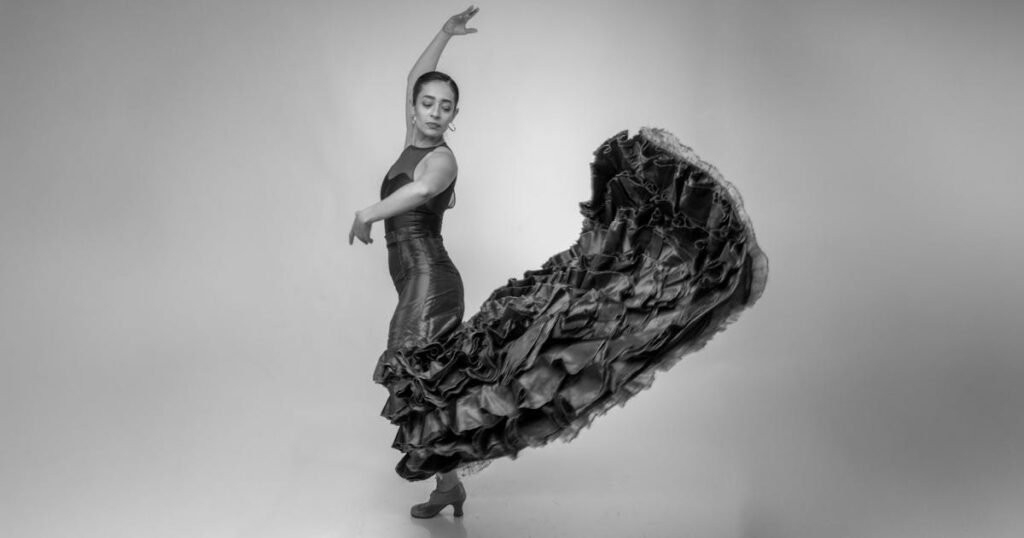
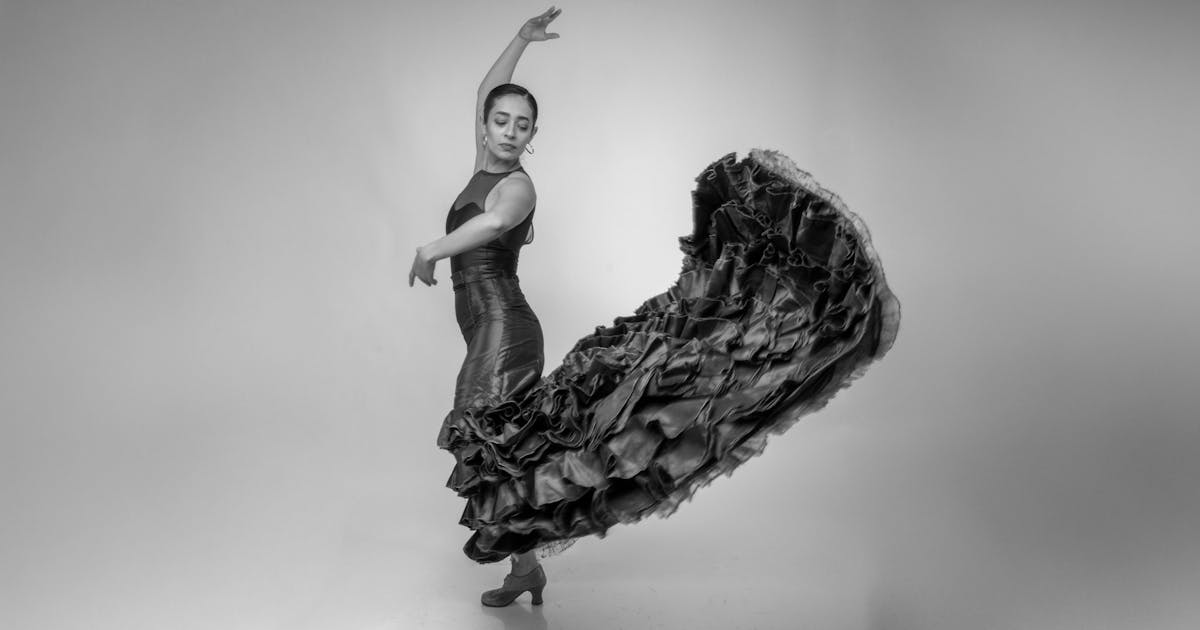
But what exactly is it? Flamenco is not a single thing. It is a complex art form combining singing (cante, KAN-tay), guitar playing (toque, TOH-keh), and dance (baile, BYE-leh). It originated in Andalusia, the southern region of Spain, and its roots draw from multiple sources: Romani musical traditions, Moorish influences that arrived with the occupation of the Iberian Peninsula, and the folk music of Jewish and Christian communities in the region.
According to the Consejo Flamenco de Andalucía, the art form as we recognise it today began crystallising in the late 18th century, with the first documented flamenco cafés opening in Seville around 1842.
Flamenco is built on a system of forms called palos (PAH-lohs). There are over 50 recognised palos, each with its own rhythmic structure, emotional register, and regional associations.
| Palo | Pronunciation | Character |
|---|---|---|
| Soleá | soh-leh-AH | The foundation palo. Deep, serious, sorrowful |
| Bulerías | boo-leh-REE-ahs | Fast, joyful, playful. Often ends a performance |
| Siguiriyas | see-GWEE-ree-yahs | The most emotionally raw palo. Associated with deep suffering |
| Alegría | ah-leh-GREE-ah | Joyful and celebratory, linked to the Cádiz tradition |
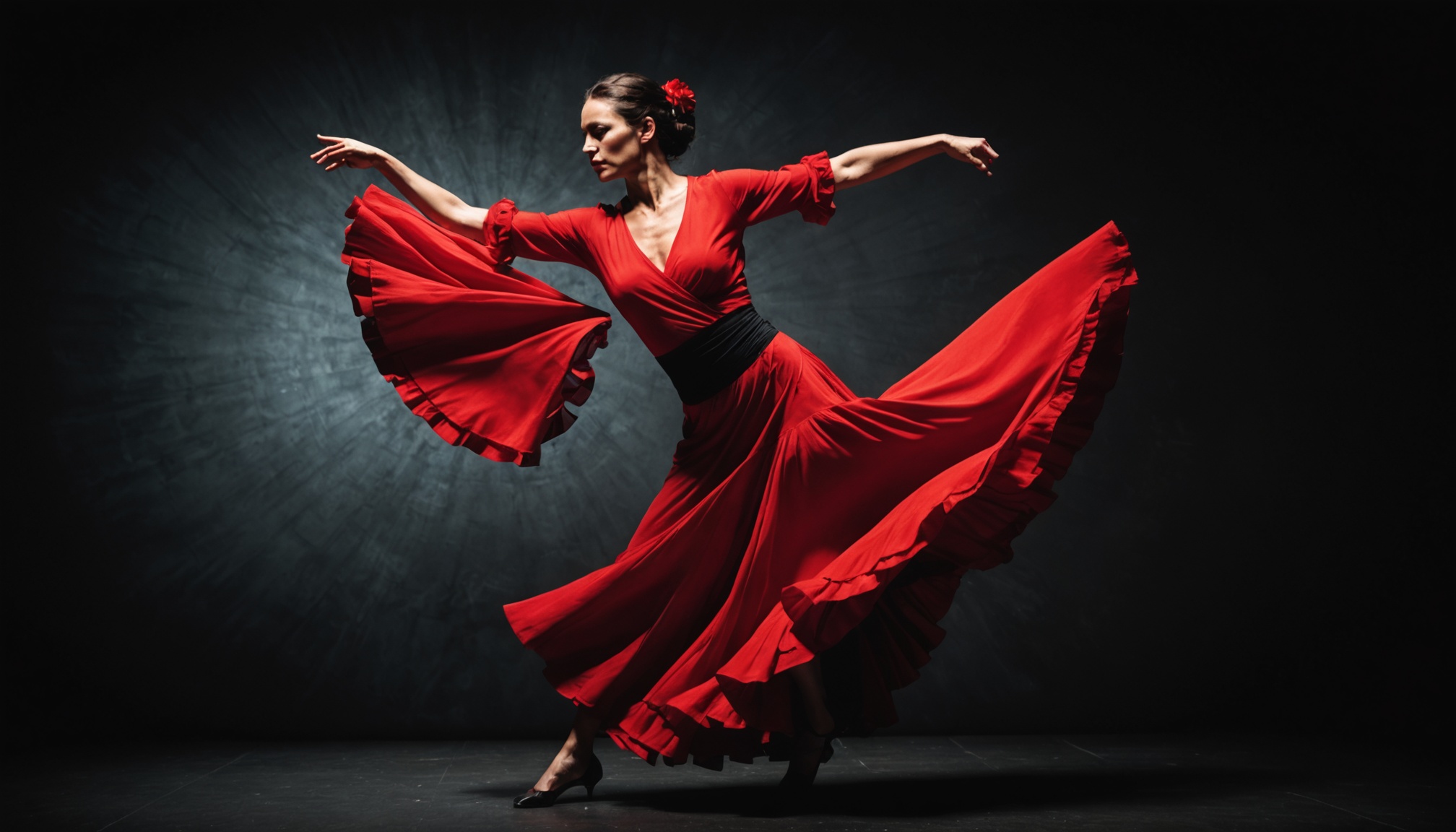
Understanding these forms explains why flamenco can sound so different from performance to performance. It is not inconsistency. It is range.
✦ El Duende
The highest compliment in flamenco is that a performance had el duende (el doo-EN-deh) — an untranslatable quality of magic, rawness, and presence. Poet Federico García Lorca described it as “a power, not a work… a struggle, not a thought.” There is no English equivalent. This is why culture and language are inseparable.
Spanish Classical Guitar: A Language of Its Own
Before flamenco became a global phenomenon, the classical Spanish guitar was already reshaping world music.
The guitar as we know it was developed in Spain in the 16th and 17th centuries. Spanish luthiers, particularly those in Almería and Granada, refined the instrument’s design over generations. By the 19th century, guitarists like Francisco Tárrega were composing pieces still widely performed today.
Tárrega’s “Recuerdos de la Alhambra” (reh-KWEHR-dos deh lah Al-AM-bra, meaning “Memories of the Alhambra”), composed in 1896, remains one of the most recognisable guitar compositions in the world. It was written in tribute to the Alhambra palace in Granada, a site of immense cultural significance in Spanish history.
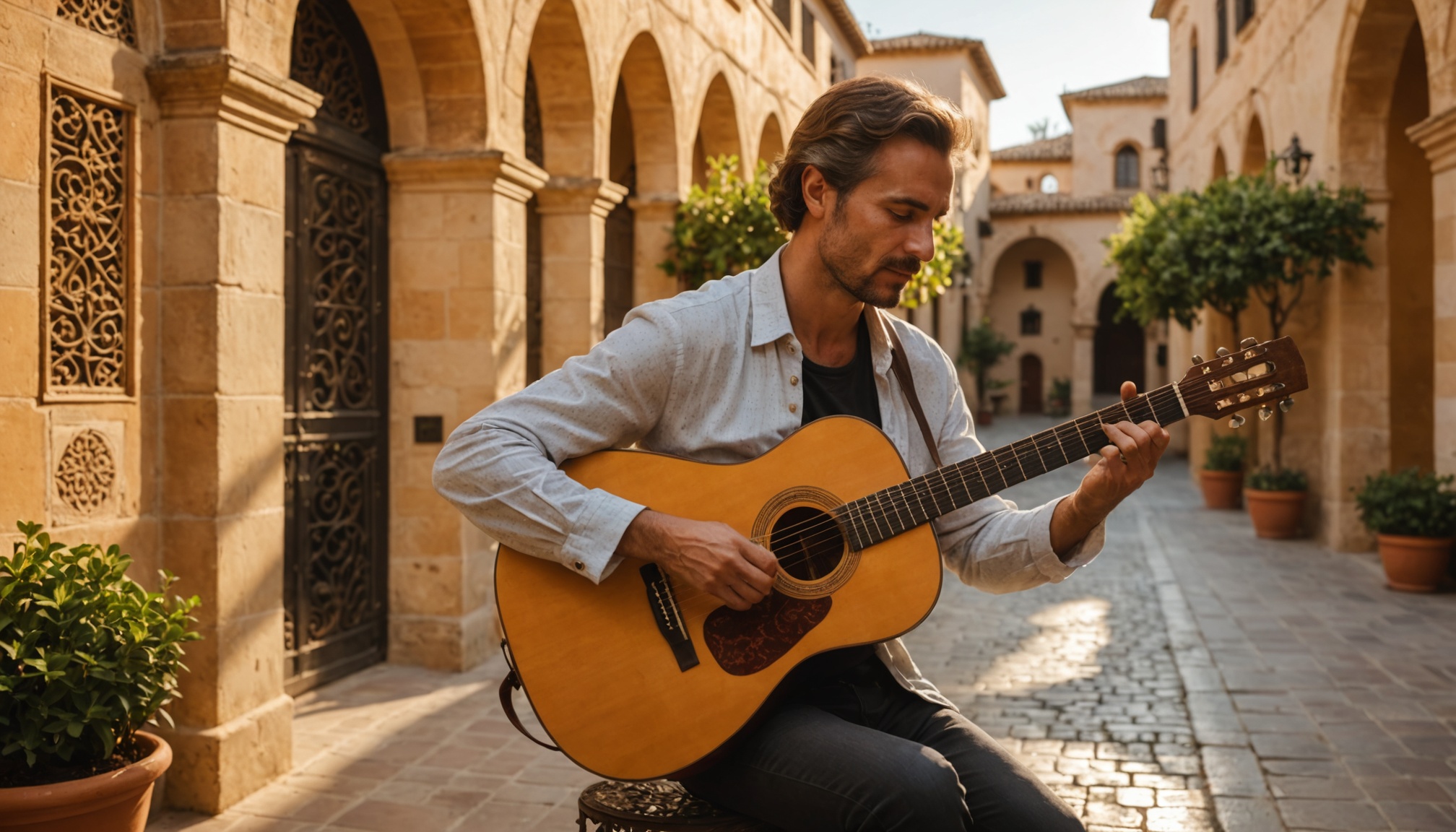
In the 20th century, Andrés Segovia elevated Spanish classical guitar to the concert stage globally. Segovia is widely credited with transforming the guitar from a folk instrument into a legitimate concert instrument, performing at Carnegie Hall and recording prolifically throughout the mid-20th century.
Copla: The Songs of Spain’s Difficult Decades
To understand Spanish music in the 20th century, you need to understand the Franco era.
Francisco Franco ruled Spain from 1939 to 1975. During this period, censorship was heavy, and the regime actively used music as a propaganda tool. The dominant popular music form was copla (KOH-plah), a genre of Spanish popular song with roots in Andalusian folk music.
Artists like Lola Flores and Rocío Jurado became cultural icons of this era. Copla was melodramatic, nationalistic, and often romantic. But music also became a vehicle for subtle resistance. Some artists encoded protest into songs that appeared to comply with censorship on the surface.
Understanding copla matters for Spanish learners because many idiomatic expressions and cultural references still alive in everyday Spanish conversation come directly from this tradition.
Even under censorship, Spanish musicians found ways to speak. The language of music carries things ordinary words cannot.
La Movida Madrileña: Spain’s Musical Revolution
When Franco died in 1975 and Spain transitioned to democracy, there was an extraordinary cultural explosion.
The period from roughly 1977 to 1992 is known as La Movida Madrileña (lah moh-BEE-dah mah-dree-LEH-nyah), translated loosely as “The Madrid Movement.” It was a countercultural phenomenon centred in Madrid encompassing music, film, photography, fashion, and attitude.
Musicians of this era embraced punk, new wave, and pop with a distinctly Spanish flavour. Mecano sold over 25 million records globally, making them the best-selling Spanish-language pop act of the 1980s according to Sony Music España. Bands like Alaska y los Pegamoides captured the energy of a country finally exhaling after decades of repression.
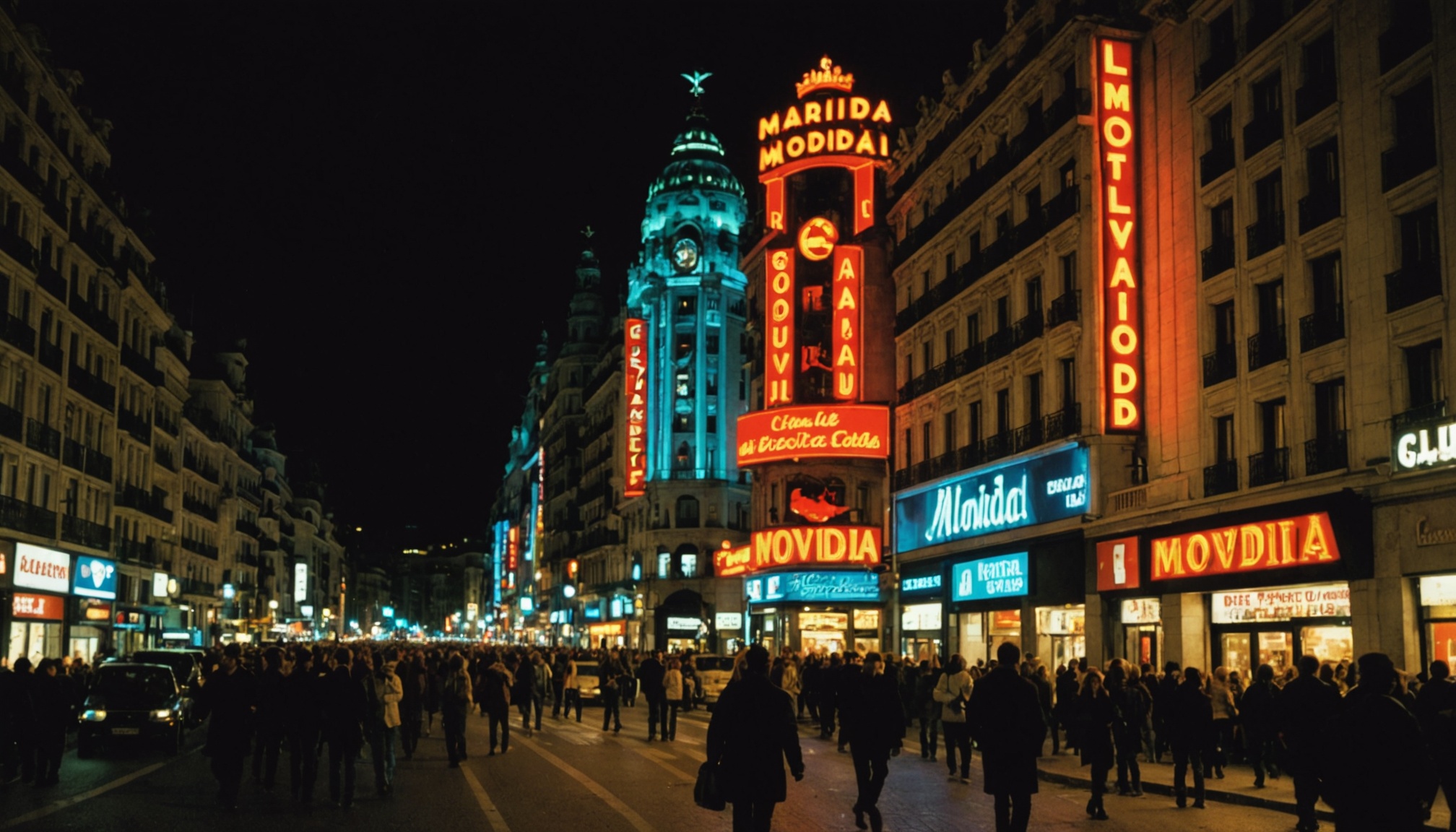
La Movida was also closely associated with filmmaker Pedro Almodóvar, who began his career directing films that captured the spirit of the era. His movies are a remarkable study in the music, slang, and cultural references of this period. Watching Almodóvar films from the 1980s with Spanish subtitles is one of the best immersion resources available.
Contemporary Spanish Music and Global Reach
Spain’s music scene today is genuinely global.
Rosalía is arguably the most significant Spanish music export of the past decade. Born in Barcelona in 1992, she trained formally in flamenco at the Escola Superior de Música de Catalunya. Her 2018 album “El Mal Querer” won the Latin Grammy for Best Fusion/Urban Interpretation, introducing a hybrid sound blending traditional flamenco with electronic production.
Rosalía’s success is a masterclass in how traditional and contemporary can coexist. She did not abandon flamenco. She reinvented it, and in doing so, introduced a new generation of global listeners to Spain’s deepest musical tradition.
C. Tangana‘s 2021 album “El Madrileño” incorporated flamenco, salsa, bolero, and reggaeton in a single cohesive project, featuring collaborations between traditional flamenco artists and Latin pop icons. It represents the full breadth of Spanish musical identity today.
Regional Sounds You Should Know
Spain is not one musical monoculture. Regional music traditions are distinct, deeply significant, and often surprising.
Catalonia has a strong tradition of habanera (ah-bah-NEHR-ah), sea songs brought back by sailors from Cuba in the 19th century. The annual Festival de Havaneres in Calella de Palafrugell draws large crowds for communal singing by the sea.
The Basque Country has a unique folk tradition including the txistu (CHEES-too), a three-holed flute played since the medieval period. Contemporary Basque artists have built a thriving indie and rock scene relatively unknown outside Spain but exceptionally strong within it.
Galicia has strong Celtic influences, notably the gaita (GYE-tah), or Galician bagpipe. Galician folk music has more in common with Irish and Scottish traditions than with Andalusian flamenco. For Spanish learners, this is a genuinely surprising discovery: Spain’s northwestern corner sounds nothing like its southeastern one.
Music Vocabulary for Spanish Learners
These words will come up constantly as you explore Spanish music and culture:
| Spanish | Pronunciation | English Meaning |
|---|---|---|
| El ritmo | el REET-moh | Rhythm |
| La melodía | lah meh-loh-DEE-ah | Melody |
| El cantante | el kan-TAN-teh | Singer |
| La letra | lah LEH-trah | Song lyrics (literally “the letters”) |
| El compás | el kom-PAHS | Musical beat or measure |
| Tocar | toh-KAR | To play an instrument (not jugar, which means sports/games) |
| Afinar | ah-fee-NAR | To tune; “afinar el oído” = to train your ear |
| El duende | el doo-EN-deh | The elusive magic that makes a flamenco performance transcendent |
Conclusion
Spanish music is not a single genre. It is a living, evolving conversation between the ancient and the contemporary, between protest and celebration, between regional identity and global ambition.
If you are learning Spanish, engaging with this music is one of the most rewarding things you can do. The vocabulary, the emotions, and the cultural references embedded in these songs will make your Spanish feel alive in a way no textbook can replicate.
Start with flamenco. Put on Rosalía. Watch a Movida-era Almodóvar film with Spanish subtitles. And next time someone plays guitar at a gathering and you hear the toque beginning, you will know exactly where that sound comes from, and how deep it goes.
Your Spanish just levelled up. Keep going.