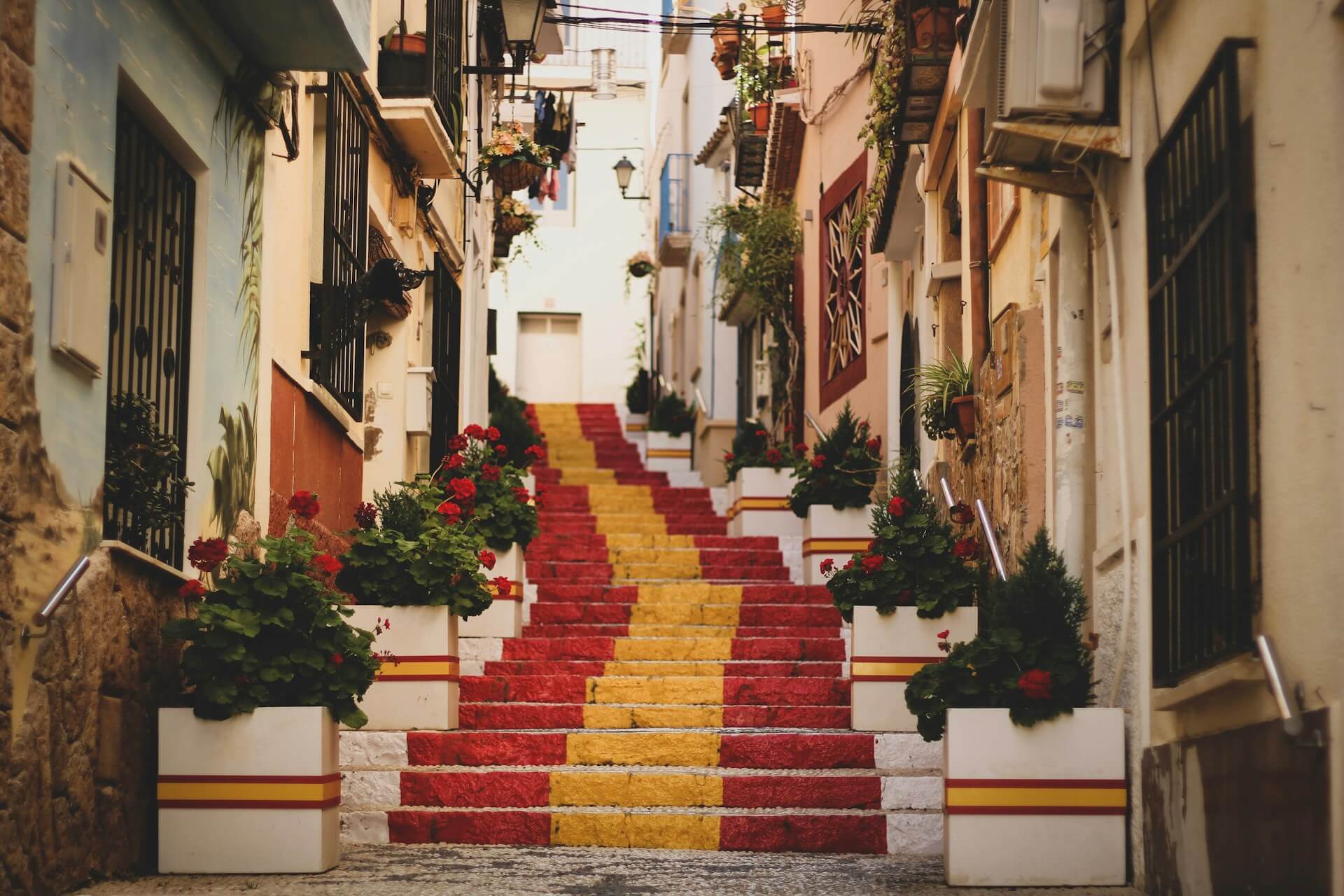
15 Food Terms That Make Your Spanish Sound Native
Fifteen Spanish food terms will make you sound like a native at any market, kitchen, or street stall: feria (open-air market), a granel (loose, by weight), madurito (perfectly ripe), yapa (the free extra a vendor adds), del día (fresh today), sofreír (to gently sauté), picadillo (minced mixture), al punto (cooked just right), adobo (marinade), recalentar (to reheat), antojo (a craving), puesto (food stall), para llevar (takeaway), picante (spicy), and piloncillo (unrefined cane sugar). These are the words natives actually use, not the textbook list of pollo and arroz.
Your textbook taught you food nouns. It did not teach you how people really talk when they buy, cook, and eat. Walk into La Boquería in Barcelona or Mercado de San Juan in Mexico City and you will hear a living vocabulary that no classroom covers. This guide from Audaz Revista groups the 15 terms by where you will use them: at the market, in the kitchen, and on the street. Each one comes with its meaning, its pronunciation, and exactly how and when to say it.
At the market: 5 Spanish food terms that open doors
Markets across the Spanish-speaking world are not just places to buy food. They are community hubs and the heartbeat of every neighbourhood. These five terms get vendors to treat you like a regular instead of a tourist.
Feria: the open-air market that runs on ritual
A feria (FEH-ree-ah) is the weekly open-air market where locals buy fresh produce straight from farmers and vendors. In Chile and Argentina, the feria libre (FEH-ree-ah LEE-bray, free market) is a Saturday morning event that whole families plan their week around. It is different from a mercado (mer-KAH-doh), which is a permanent indoor market.
How to use it: “Vamos a la feria temprano, antes de que se acabe lo bueno.” (Let’s go to the market early, before the good stuff runs out.) Say feria and picture stalls lining the street, vendors calling out prices, and fresh herbs everywhere.
A granel: how to buy loose and earn instant respect
A granel (ah grah-NEL) means buying loose, unpackaged goods by weight. Spices, nuts, grains, dried chillies: if it is scooped from a bin and weighed on a scale, it is a granel. It saves you money and signals that you know how a market works.
How to use it: “¿Me da medio kilo de almendras a granel?” (Can you give me half a kilo of loose almonds?) Walk up to any spice vendor with this and watch their face change.
Madurito: the affectionate word for perfectly ripe
Madurito (mah-doo-REE-toh) is the diminutive of maduro (mah-DOO-roh, ripe), and it carries a warmth the plain adjective lacks. When you ask a vendor for fruit that is madurito, you mean “perfectly ripe, ready to eat today.” It is specific, it is affectionate, and it is exactly how natives speak.
How to use it: “Dame unos aguacates bien maduritos para hoy.” (Give me some nicely ripe avocados for today.) Asking for aguacates maduros sounds like a textbook wrote it. The -ito ending shows up across everyday Spanish, and food is where it shines.
Yapa: the free extra that builds instant rapport
Yapa (YAH-pah), also spelled ñapa in some countries, is the little extra a vendor throws in for free. Buy a kilo of tomatoes and the vendor might toss in a couple more as la yapa. It is tradition and goodwill, and asking for it is completely normal. The word comes from the Quechua yapay, meaning “to give more.”
How to use it: “¿Y la yapa?” (And my free extra?) said with a smile. In Colombia you will hear ñapa; in Peru, Bolivia, Argentina, and Chile it is yapa.
Del día: the freshness guarantee vendors are proud of
You know del día (del DEE-ah) means “of the day.” At a market it goes deeper. When a vendor says the fish is del día, it arrived that morning. When a bakery advertises pan del día, that bread was baked hours ago. It is a freshness guarantee and a point of pride.
How to use it: “¿El pescado es del día?” (Is the fish from today?) Ask this at a seafood stall and the vendor’s energy shifts. You have shown you care about quality, the way a local would.
In the kitchen: 5 Spanish food terms that unlock home cooking
If markets are where food culture starts, kitchens are where it comes alive. These five terms appear in recipes, cooking shows, and every abuela‘s instructions.
Sofreír: the gentle sauté at the base of everything
Sofreír (soh-freh-EER) is the slow, gentle frying of onions, garlic, and peppers in olive oil until soft and fragrant. This technique builds the flavour base, called a sofrito (soh-FREE-toh), for nearly every traditional dish, from paella to Cuban black beans.
How to use it: “Primero, sofríe la cebolla hasta que esté transparente.” (First, sauté the onion until it’s translucent.) Watch any cooking video in Spanish and you will hear sofreír within two minutes.
Picadillo: the minced dish that changes by country
Picadillo (pee-kah-DEE-yoh) comes from picar (pee-KAR, to chop). It is a dish of finely minced meat cooked with tomatoes, onions, and spices, and it shifts everywhere it travels. In Cuba it has olives and raisins. In Mexico it turns spicier with chillies and potatoes. It is comfort food with a passport.
How to use it: “Mi abuela hace el mejor picadillo del mundo.” (My grandmother makes the best picadillo in the world.)
Al punto: the cook’s seal of approval
Al punto (al POON-toh) means cooked to the perfect point, not under, not over. For steak it means medium. For pasta it is al dente. For rice it means each grain is separate and tender. It is the highest everyday compliment you can pay a cook.
How to use it: “El arroz está al punto, ven a comer.” (The rice is perfect, come eat.) Say this at a friend’s house and they will beam. It is the kind of everyday phrase that makes your Spanish feel lived-in.
Adobo: one word, a dozen regional meanings
Adobo (ah-DOH-boh) is, at its core, a marinade or sauce made from chillies, vinegar, garlic, and spices. Its meaning shifts across the map. In Mexico it is a rich, smoky chilli sauce. In Spain it is a vinegar-and-paprika marinade for pork. In the Philippines it became an entirely different dish with soy sauce and vinegar.
How to use it: “Estos tacos de pollo en adobo están increíbles.” (These chicken tacos in adobo sauce are incredible.)
Recalentar: the cultural truth that leftovers taste better
Recalentar (reh-kah-len-TAR) means to reheat, and every Spanish-speaking household leans on it. Most stews, soups, and sauces taste better the next day. “La comida recalentada sabe mejor” (reheated food tastes better) is practically a proverb. Your textbook taught you calentar (to heat); add the re- prefix and you sound like you grew up in the kitchen.
How to use it: “Recalienta el guiso de ayer, que estaba buenísimo.” (Reheat yesterday’s stew, it was amazing.)
Street food and snacks: 5 Spanish food terms for the adventurous
Street food is where the language gets playful and deeply regional. These five terms help you navigate food carts, roadside stands, and late-night snack runs.
Antojo: the word for a craving and the snack that cures it
Antojo (an-TOH-hoh) means a craving, that sudden urge for a specific food. In Mexico, antojitos (an-toh-HEE-tohs) also names the street snacks themselves: tacos, tamales, quesadillas, sopes. The craving and the food that satisfies it share one word.
How to use it: “Tengo un antojo de tamales que no puedo ignorar.” (I have a tamale craving I can’t ignore.) Pass a food stall, catch a great smell, and say “¡Qué antojo!” (What a craving!).
Puesto: the food stall where the best food hides
A puesto (PWES-toh) is a vendor’s stall or stand. Where a tienda (tee-EN-dah) is a proper shop, a puesto is smaller, more informal, and often where the best food lives. Street vendors and market sellers run puestos.
How to use it: “Hay un puesto de tacos en la esquina que es increíble.” (There’s a taco stand on the corner that’s incredible.) Ask “¿Conoces un buen puesto de…?” to find gems that never appear on Google Maps.
Para llevar: the takeaway phrase that works everywhere
Para llevar (PAH-rah yeh-VAR) means “to go.” At a puesto almost everything is para llevar by default, but the phrase matters at a bakery, juice bar, or taquería with a few seats. Say it and they wrap it up. Skip it and they plate it. The opposite is para comer aquí (PAH-rah koh-MER ah-KEE, to eat here).
How to use it: “Dos órdenes de churros para llevar, por favor.” (Two orders of churros to go, please.) Knowing both options keeps you confident at any counter.
Picante: the spicy word with a moving baseline
You know picante (pee-KAN-teh) means spicy. What your textbook missed is that the scale shifts wildly by region. What counts as picante in Spain is mild in Mexico. The word stays the same; the heat level is a different conversation entirely.
How to use it: “¿Es muy picante? Es que soy nuevo con el chile.” (Is it very spicy? I’m new to chilli.) A tip: if a Mexican street vendor says “no pica”, proceed with caution. And “pica poquito” (a little spicy) is your warning signal.
Piloncillo: the unrefined cane sugar locals cook with
Piloncillo (pee-lon-SEE-yoh) is unrefined whole cane sugar, sold in small cone-shaped blocks across Mexico and Central America. It is darker, richer, and more complex than white sugar. You will find it in café de olla (clay pot coffee), capirotada (bread pudding), and mole sauces. In Colombia the same product is panela (pah-NEH-lah), the base for aguapanela, a warm comfort drink.
How to use it: “Este café lleva piloncillo en vez de azúcar, por eso sabe diferente.” (This coffee has piloncillo instead of sugar, that’s why it tastes different.) Buying piloncillo or panela is a sign you shop where locals shop.
Quick practice challenge
Test yourself. Finish these sentences with the terms you just learned, and say them out loud.
- At the market: “¿Me da un kilo de nueces ___?” (a kilo of loose nuts) Answer: a granel
- Choosing fruit: “Quiero mangos bien ___ para hoy.” (nicely ripe mangos) Answer: maduritos
- Asking for extra: “¿Y la ___?” Answer: yapa
- Street food: “Tengo un ___ de empanadas.” (a craving for empanadas) Answer: antojo
- Ordering takeaway: “Tres tacos de pastor ___.” (three pastor tacos to go) Answer: para llevar
Your food Spanish just went from tourist to local
These 15 Spanish food terms are not random vocabulary. They are the building blocks of how native speakers buy, cook, and enjoy food every day. From the feria on Saturday morning to the antojito stand at midnight, they connect you to real food culture across the entire Spanish-speaking world. Every one of them is something you can use immediately: ask for spices a granel, request your avocados maduritos, and check whether the bread is del día.
Food vocabulary is only one piece of speaking naturally. Pair it with our guide to Spanish social etiquette rules and the 15 Spanish words your textbook never taught you, and you will sound at home at the table and on the street.
Frequently Asked Questions
What does “del día” mean at a Spanish market?
Del día literally means “of the day,” but at a market it signals freshness. When a vendor says the fish is del día, it arrived that morning, and pan del día means the bread was baked hours ago. Asking “¿Es del día?” tells the vendor you care about quality, which is exactly what a local would do.
What is the difference between “feria,” “mercado,” and “puesto”?
A feria is a weekly open-air market, often along the street. A mercado is a permanent, usually indoor market building. A puesto is a single stall or stand, whether inside a mercado or on a street corner. So a feria is made up of many puestos, and a mercado houses them under one roof.
What does “al punto” mean when talking about food?
Al punto means cooked to the perfect point, not undercooked and not overcooked. For steak it means medium, for pasta it means al dente, and for rice it means each grain is separate and tender. Saying “está al punto” at someone’s table is one of the warmest compliments you can give a cook.
Why is “yapa” used in Latin American markets?
Yapa, spelled ñapa in some countries, is the small free extra a vendor adds to your purchase. It comes from the Quechua word yapay, meaning “to give more,” and reflects a tradition of goodwill between sellers and regular customers. Asking “¿Y la yapa?” with a smile is completely normal and builds instant rapport.
Are these Spanish food terms used across all Spanish-speaking countries?
Some are universal and some are regional. Terms like sofreír, al punto, para llevar, and picante are understood almost everywhere. Others are tied to specific regions: yapa and feria libre are Latin American, while piloncillo is Mexican and Central American, becoming panela in Colombia. Noting the regional context is part of sounding like a true native.
Ready to put these words to work? Read more language and culture guides at Audaz Revista, then take your next 15 terms with the words your textbook never taught you. Practise one term out loud today, and use it at your nearest market this week.
Share
Topics

audazrevista
You may also like


Get the Inside Scoop