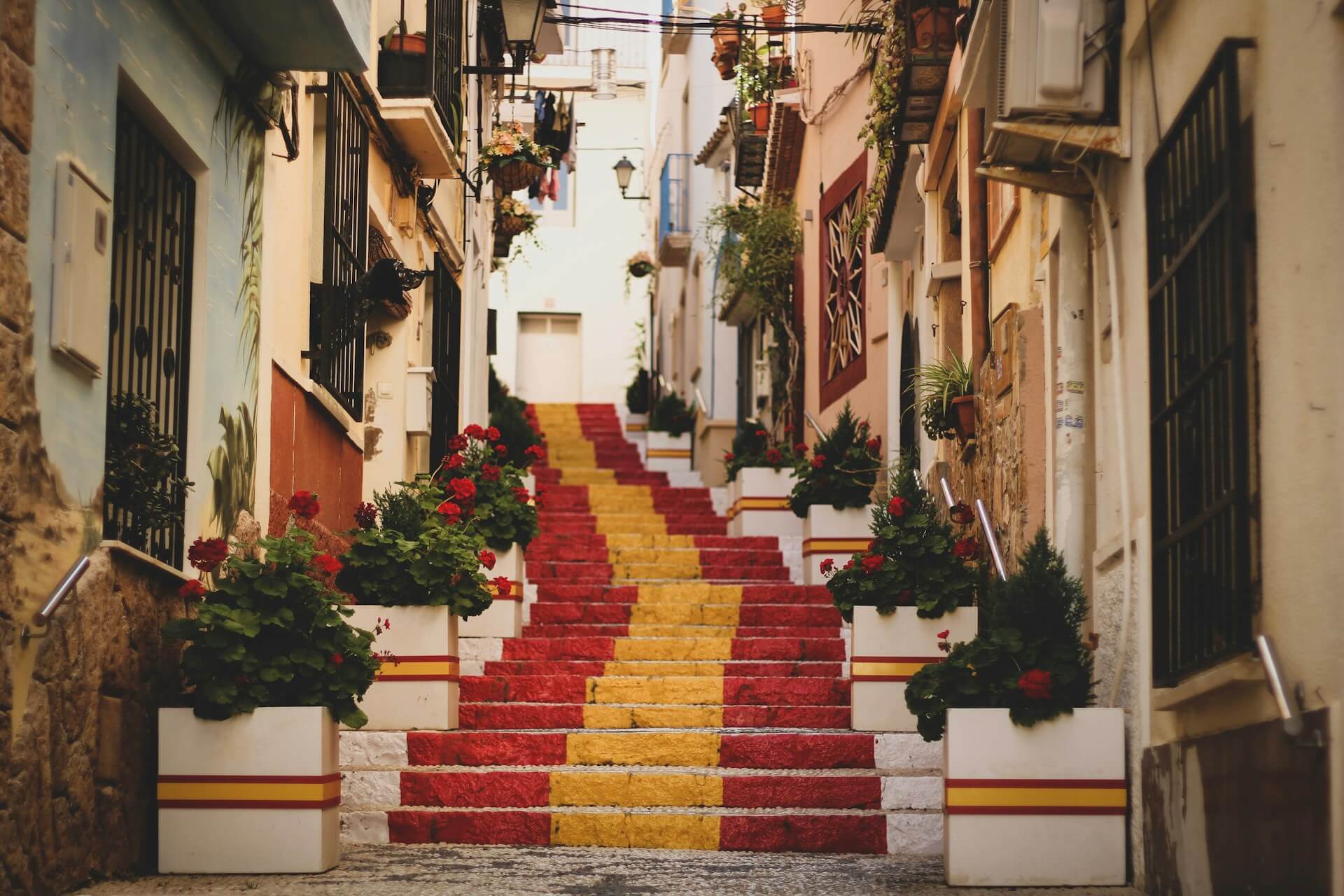
15 Spanish Lifestyle Habits That Will Transform Your Daily Routine
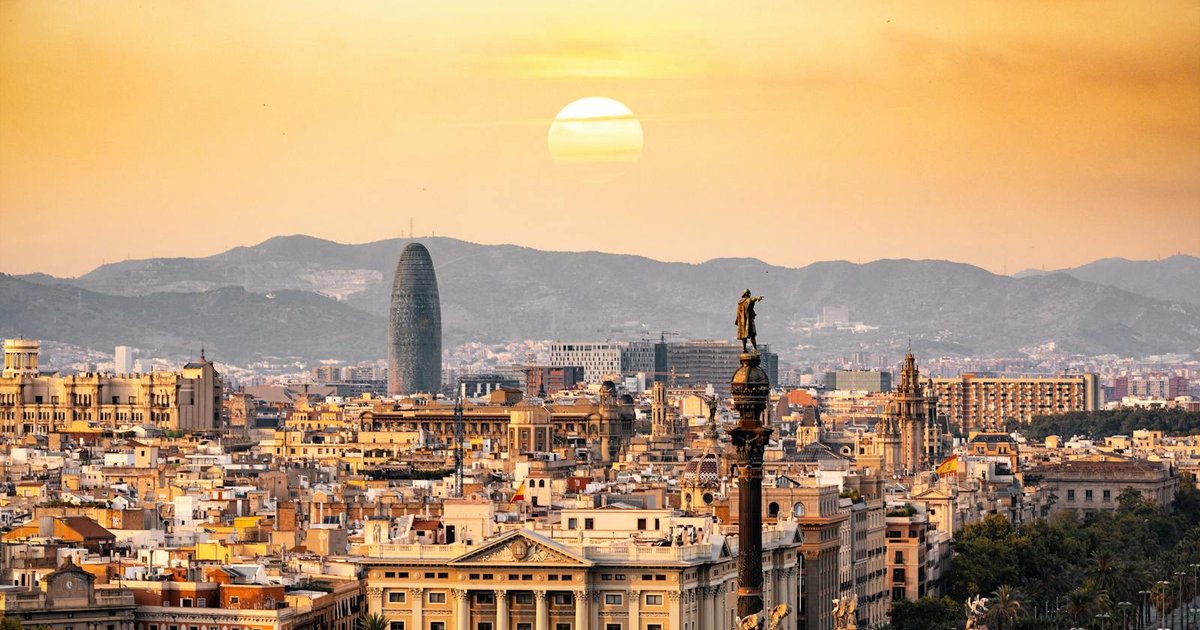
Spanish lifestyle habits are the small daily traditions that make life in Spain feel slower, healthier, and more connected: a real sit-down breakfast, a midday pause around the main meal, lingering conversation after eating, and an unhurried evening walk. Spain consistently ranks among the world’s healthiest countries, and most of these 15 habits cost nothing, take only minutes, and can fit into your routine starting tomorrow.
You don’t need to move to Spain to live like you’re there. The most magnetic parts of Spanish culture aren’t the flamenco or the architecture. They’re the tiny, everyday rituals that shape how people eat, rest, and spend time together. At Audaz Revista, we’ve spent years studying what makes Spanish daily life so appealing, and along the way you’ll pick up Spanish expressions that bring each habit alive, because the best way to learn a language is to live it.
Why do Spanish lifestyle habits work so well?
Spain regularly ranks near the top of global health indices, and that’s no accident. Spanish culture quietly prioritises connection over productivity, fresh food over fast food, and rest over hustle. The habits below aren’t trendy wellness hacks invented last year. They’re traditions that have been working for generations, and modern research keeps confirming what Spaniards already knew.
The list runs from morning to night, so you can borrow a few in the order your own day unfolds. Ready? Let’s go.
What are the best Spanish morning habits?
1. How do you start the day with a real desayuno?
In Spain, desayuno (deh-sah-YOO-noh, breakfast) is simple but sacred. A strong café con leche (kah-FEH kohn LEH-cheh, coffee with milk) and a slice of tostada con tomate (toasted bread with crushed tomato and olive oil) is the classic. Nobody rushes, and nobody eats over a keyboard. Tomorrow morning, sit down for ten minutes with your coffee and no phone. Just the coffee. You’ll feel the difference.
2. Why does greeting people properly matter?
Spanish culture is warm, so you don’t just nod at people. You say buenos días (BWEH-nohs DEE-ahs, good morning) to the barista, the neighbour, and the stranger in the lift. This tiny habit changes the energy of your entire morning. If you want to understand how small courtesies shape daily life, our guide to Spanish social etiquette rules is a rewarding rabbit hole.
3. Should you walk instead of drive?
Spaniards walk everywhere. The paseo (pah-SEH-oh, a leisurely walk) isn’t exercise. It’s transport, socialising, and stress relief wrapped into one. The average Spaniard walks far more each day than most people in Australia, the United States, or Britain. Start small: pick one destination this week that you’d normally drive to, and walk there instead.
4. Why use olive oil like it’s water?
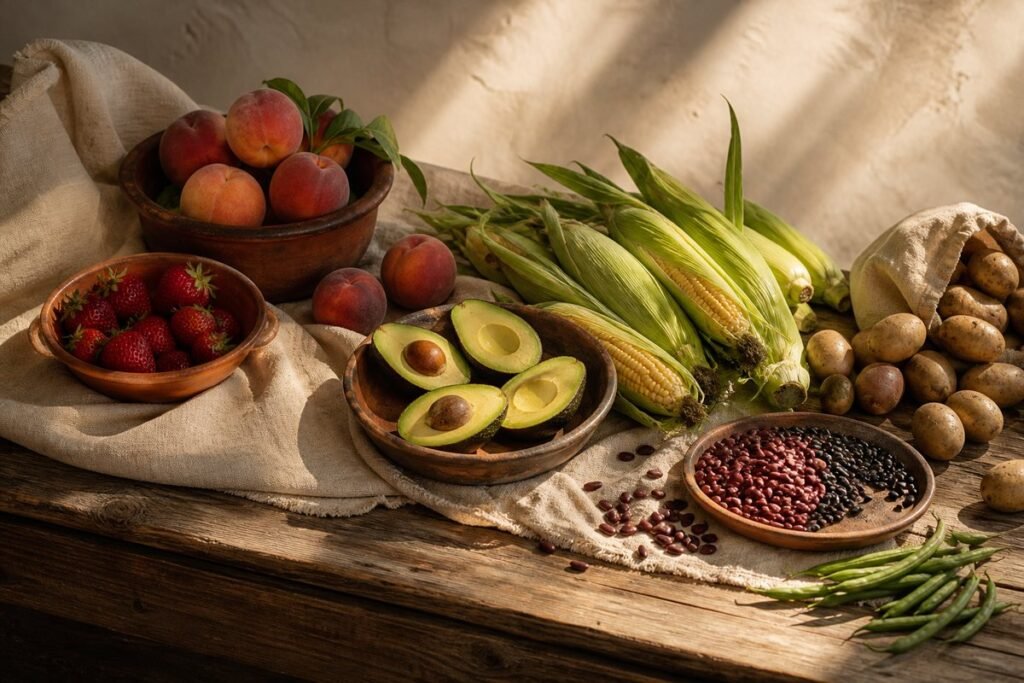
Aceite de oliva (ah-SAY-teh deh oh-LEE-vah, olive oil) is the backbone of the Mediterranean diet. Spaniards drizzle it on toast, salads, soups, and just about everything else. It’s rich in healthy fats and antioxidants, and the long-running PREDIMED study (New England Journal of Medicine, 2018) found that a Mediterranean diet supplemented with extra virgin olive oil meaningfully reduced cardiovascular risk. Swap your usual cooking oil for extra virgin olive oil, and your heart will thank you.
5. What does buying fresh and local look like?
The mercado (mehr-KAH-doh, market) is still central to Spanish life. Instead of one giant weekly supermarket run, many Spaniards pop into local shops for fresh bread, produce, and fish throughout the week. The food is fresher, the portions are smaller, and there’s far less waste. Love the idea of Spanish food culture? Our guide to Spanish food terms will have you ordering like a local in no time.
What are the key Spanish afternoon habits?
6. What is the Spanish sobremesa?
This may be Spain’s greatest gift to the rest of the world. Sobremesa (soh-breh-MEH-sah) is the time spent lingering at the table after a meal, simply talking. No rushing to clear plates, no checking the bill. Just conversation, maybe another coffee, and the pleasure of being with people. Next time you have lunch with someone, don’t jump up the moment the plates are empty. Stay. Chat. That’s sobremesa.
7. What is the Spanish midday pause around lunch?
In Spain, lunch is the main meal. La comida (lah koh-MEE-dah, the midday meal) happens around 2pm and it’s a proper sit-down affair. Forget the sad desk lunch. Even a 30-minute break away from your screen resets your entire afternoon. Curious about the famous rest that often follows? The Spanish siesta tradition holds some surprising facts that go well beyond napping.
8. How do you rest without guilt?
Descansar (dehs-kahn-SAHR, to rest) isn’t seen as lazy in Spain. It’s essential. Whether it’s a 20-minute nap after lunch or simply sitting quietly with your thoughts, Spanish culture treats rest as a non-negotiable part of the day. If you feel guilty resting, that’s not your body talking. That’s hustle culture, and you can safely ignore it.
9. Why connect with your community?
Spanish neighbourhoods have a sense of comunidad (koh-moo-nee-DAHD, community) that’s harder to find elsewhere. People know their neighbours. They chat at the bakery. Children play in the plaza while parents watch from a bench. You can build this anywhere you live. Learn your neighbour’s name and say hello. It’s a start.
10. What does prioritising people over plans mean?
Spaniards are famously flexible with time, not because they’re disorganised, but because they value the person in front of them more than the schedule on their phone. If a conversation is good, it keeps going. The next thing can wait. This one is hard if you’re used to rigid schedules, so try it just once. Let a great conversation run long and see how it feels.
What are the best Spanish evening habits?
11. What is the evening paseo?
The paseo de la tarde (pah-SEH-oh deh lah TAHR-deh, evening walk) is a tradition across Spain and Latin America. After the heat of the day fades, entire families stroll through town. It’s social, it’s free, and it’s one of the loveliest ways to end a day. Swap one evening of scrolling for a slow, unhurried walk around your neighbourhood.
12. Why eat dinner late and light?
La cena (lah SEH-nah, dinner) in Spain happens around 9 or 10pm, and it’s lighter than lunch: a salad, some tapas, maybe a tortilla española (Spanish potato omelette). Eating lighter at night and heavier at midday tends to align better with the body’s natural rhythm, an idea supported by research on meal timing published in the International Journal of Obesity. The trick is keeping that late meal genuinely light.
13. Why share tapas instead of single plates?
Tapas (TAH-pahs, small shared dishes) aren’t just food. They’re a philosophy. Instead of everyone ordering an isolated meal, you share. You try a bit of everything, you pass plates around, and the table becomes the point of the evening. It’s communal eating at its best, and it’s a habit well worth adopting at home with friends and family.
14. How do you disconnect before bed?
Spain has embraced smartphones like everywhere else, yet the tradition of tertulia (tehr-TOO-lee-ah, an informal gathering for conversation) still runs deep. Evenings are for people, not screens. Try putting your phone away an hour before bed. Read a book or talk to someone, and your sleep is likely to improve.
15. What does it mean to say “mañana” and mean it?
Mañana (mah-NYAH-nah, tomorrow) gets a bad reputation, with people joking that it really means “never.” The deeper truth is gentler: not everything needs to happen today. Spanish culture understands that some things can wait, and that’s not procrastination. It’s prioritisation. If a task isn’t urgent, let it be mañana, sleep well tonight, and trust that the work will still be there in the morning.
How do you start adopting these Spanish lifestyle habits?
You don’t need a plane ticket to start living the Spanish way. These 15 habits are free, simple, and shaped by generations of cultural wisdom, with plenty of modern research to back them up. Don’t try all 15 at once. Start with three: a proper morning coffee, a real midday pause for lunch, and an evening walk. Give it a week and notice how different your days begin to feel.
The Spanish approach to life is about doing less, but better. Slower meals, deeper conversations, more walking, and less rushing. That, more than anything, is why Spain keeps topping global health and happiness rankings. Want to keep exploring? Browse more culture guides from Audaz Revista, including our look at the surprisingly fun 15 Spanish words your textbook never taught you, and keep building your own version of la vida española.
Frequently Asked Questions
Which Spanish lifestyle habits have the biggest impact on health?
The three habits with the most documented benefit are the Mediterranean diet (rich in olive oil, vegetables, legumes, and fish), daily walking treated as a social activity rather than exercise, and the sobremesa culture of lingering conversation after meals, which helps lower stress and strengthen relationships. Spain consistently ranks among the world’s healthiest countries, and these habits tend to work together as a system rather than as isolated tricks.
How does the Spanish daily schedule differ from a typical American or British routine?
The Spanish day runs roughly two hours later than Northern European or American norms. Lunch is the main meal around 2pm, a slower afternoon follows, dinner often lands at 9 or 10pm, and social life can extend late even on weeknights. This rhythm partly reflects Spain’s time zone, since it uses Central European Time despite sitting geographically closer to the UK. The result is a schedule that makes room for rest, eating, and socialising rather than maximising productive hours.
What is the paseo and how do you adopt it?
The paseo is the traditional evening stroll: a slow, purposeful walk through the town or neighbourhood, often taken in the early evening with no destination or fitness goal. It’s a deeply social practice where you greet neighbours, stop for a chat, and treat movement as leisure. To adopt it, swap one evening scroll on your phone for a 30-minute walk around your area. The key is that it stays unhurried and social, not a workout.
Can you adopt Spanish lifestyle habits if you don’t live in Spain?
Yes, and the most transferable habits require no relocation at all. A Mediterranean-style diet, eating the main meal at midday, taking a short post-lunch rest, walking for short trips, and stretching meals into conversation all adapt to any environment. The trickier habits are the deeply social ones, such as café culture and neighbourhood paseos, which lean on the built environment and local norms. Start with the food and meal-timing habits, since they have the strongest evidence base and only need a change to your own schedule.
Does eating dinner late, like Spaniards do, cause weight gain?
The apparent paradox is largely resolved by what Spaniards eat at night. Dinner (cena) is typically light: soup, salad, eggs, or small plates rather than a heavy meal. The main caloric meal is lunch (comida), eaten in the middle of the day when the body is most active. As long as that late dinner stays light, current evidence does not suggest the late schedule alone drives weight gain.
Share
Topics

audazrevista

Get the Inside Scoop