Ordering Food in Mexico: The Menu Words Nobody Teaches
By the Audaz Revista editorial team
Updated August 3, 2026 · Reviewed by the Audaz editorial team
On a Mexican menu, antojitos are maize snacks such as tacos, quesadillas and sopes. A guisado is the main dish, usually meat in a sauce. A torta is a filled bread roll. Those three headings organise most menus in the country, and none of them mean what a Spain-first Spanish course taught you.
The words that catch learners out are the familiar ones. Mexico’s own reference dictionary, the Diccionario del español de México, gives torta, tortilla and quesadilla definitions that a Spanish restaurant would not recognise.
- The hard words are the easy ones. Torta, tortilla and quesadilla all shift meaning between Spain and Mexico.
- Antojito has a precise definition, and it is usually said in the plural.
- Mexico’s own dictionary defines a quesadilla by the fold, and lists cheese as one filling among several.
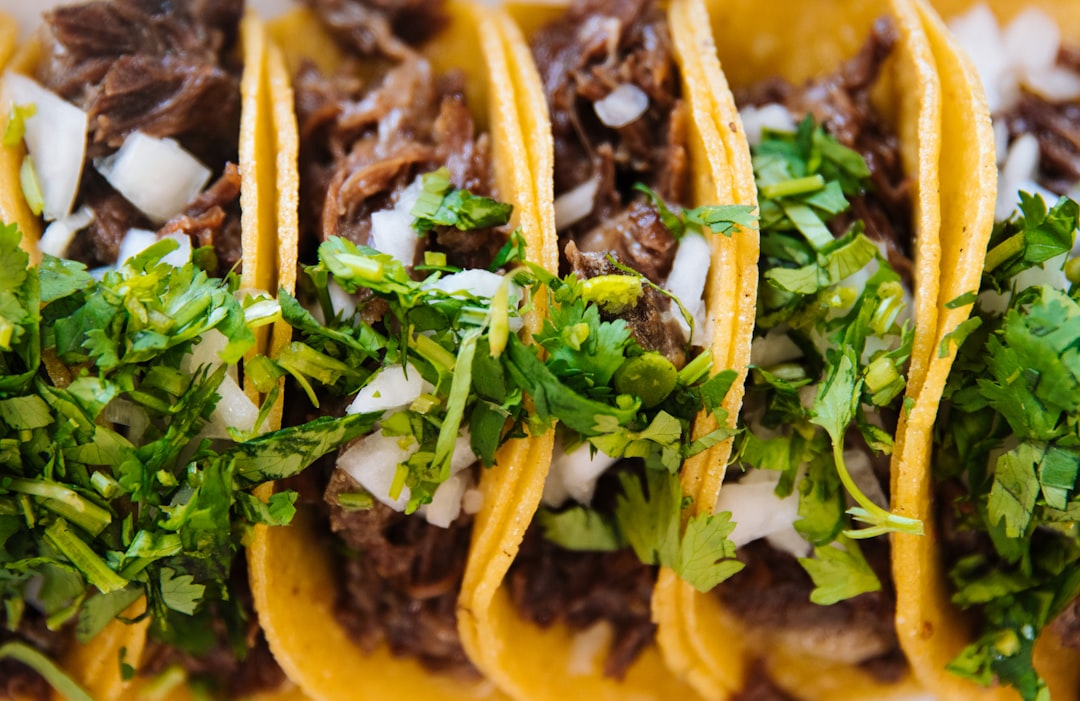
- Taco menus are lists of cuts: suadero, buche, tripa, lengua. Learn six and you can read any stand.
- A la gringa is not a dish. It means everyone pays for what they ate.
What does antojito mean on a Mexican menu?
It means a maize snack. The Diccionario del español de México, published by El Colegio de México, defines antojito as a bocadillo típico de la cocina mexicana, a typical snack of Mexican cooking, generally made with tortilla or other maize preparations and seasoned with hot sauce. It gives tacos, quesadillas and chalupas as its examples.
Two details matter for reading a menu. The dictionary marks the word as mostly used in the plural, so you will see Antojitos as a section heading rather than a single item. And the definition is tied to maize. If it is not built on maize, it is probably somewhere else on the menu.
English menus translate the heading as “appetisers” or “small plates”. That is misleading. Four antojitos are dinner. The word describes what the food is made of, not the size of the portion or where it sits in the meal.
Guisados. The same dictionary defines a guisado as the main or heavy dish of the meal, usually meat with a sauce and sometimes vegetables. At a taquería, a taquería de guisados is the sort with pots on the counter and no grill. Point at the pot. That is the accepted way to order.
Which Mexican food words mean something else in Spain?
Three of them, and they are the three you already know. This is the real trap. Nobody is embarrassed by a word they have never met. You get caught by the ones you learned in week two.
Start with torta. The Real Academia Española lists nine senses for it. Sense one is a round flour dough cooked slowly. Sense three, marked colloquial, is bofetada en la cara, a slap in the face. The sandwich meaning is sense nine, and the dictionary labels it Méx.
So the same four letters are a filled bread roll in Mexico City and a smack in Madrid. The Mexican dictionary spells the sandwich out properly: white bread such as a telera or a bolillo, split lengthways, hollowed out, and filled with ham, cheese, tomato, avocado and chilli.
Then tortilla. In Mexico it is the maize disc, about 15 centimetres across, that holds the whole cuisine together. The dictionary is clear that the wheat version and the Spanish egg version both need extra words: tortilla de harina and tortilla a la española. Ask for a plain tortilla in Mexico and you will get maize.
| Word | What a Spain-first course taught you | What it is in Mexico | Source |
|---|---|---|---|
| torta | A round cake, or a slap in the face | A split bread roll filled with meat, cheese and avocado | RAE sense 9, marked Méx. |
| tortilla | A thick potato and egg omelette | A maize disc about 15 cm across, eaten with everything | DEM, sense 1 |
| quesadilla | A folded tortilla with cheese in it | A folded tortilla with a filling, cheese optional | DEM, quesadilla |
| elote | Not taught at all | A fresh corn cob, or the cooked kernels | DEM, elote |
| camote | Not taught at all | A sweet potato, usually served as a sweet | DEM, camote |
| bolillo | Not taught at all | The crusty white roll a torta is built on | DEM, bolillo |
If you want the wider version of this split, we mapped it in our guide to the differences between Spain and Mexico Spanish. Food is where the gap is widest, because food words are the oldest words and they travelled least.
Does a quesadilla have to have cheese?
Mexico argues about this constantly, and Mexico City is usually cast as the odd one out for selling quesadillas without cheese. The dictionary sides with Mexico City.
Here is the full entry from the Diccionario del español de México: Tortilla de maíz o de harina de trigo doblada por la mitad, rellena de diversos alimentos como queso, papa, hongos, picadillo, chicharrón, flor de calabaza, etc, cocida en comal o frita.
In English: a maize or wheat tortilla folded in half, filled with various foods such as cheese, potato, mushrooms, minced meat, pork crackling or squash blossom, cooked on a griddle or fried.
Read that carefully. The fold is compulsory. The filling is a list, and cheese is the first item on it rather than the whole definition. By Mexico’s own reference dictionary, a mushroom quesadilla with no cheese is a quesadilla.
You will still lose this argument in Guadalajara. Bring the dictionary anyway.
The practical lesson is smaller than the argument. When you order one, say what is in it: una quesadilla de flor de calabaza, una quesadilla de hongos. Naming the filling settles the question before it starts.
What are the meats on a Mexican taco menu?
A taquería board is a list of cuts, and most of them are never taught in a Spanish course. The dictionary definition of taquería is simply a place where tacos are made and sold. What is on the board is the actual vocabulary problem.
Six words cover most stands. Learn these and the board stops being a wall of guesswork.
| Menu word | What it is | Worth knowing |
|---|---|---|
| suadero | The cut that hangs from the animal’s chest | Cooked in hot oil and served in tacos |
| longaniza | A long thin sausage of finely chopped, spiced pork | Seasoned with chilli, garlic and vinegar |
| buche | The front of the neck of a pig | A stand classic, and a full-strength texture |
| tripa | A length of animal intestine | Fried crisp. Ask for it bien dorada |
| barbacoa | Mutton or goat, cooked in a pit in the ground | Slow-cooked on maguey leaves. A weekend dish |
| cochinita pibil | Pork with achiote, cooked under the ground | Wrapped in banana leaves. Yucatán’s signature |
Every one of those definitions comes from the Diccionario del español de México. They are worth reading in Spanish, because the entries themselves are small cooking lessons. The entry for barbacoa describes heating the pit until it reaches oven temperature before the meat goes in.
One warning about longaniza and buche. Both carry a second, cruder meaning in the popular register, and the dictionary lists them. On a menu board they are food. In a joke they are not. You will work out which one you are in.
What do you actually say when you order?
Less than your textbook thinks. Ordering at a stand is fast, and the long polite formulas you drilled will mark you out more than a short one will.
That last one is a real habit and not a tourist flourish. The dictionary lists (buen) provecho as an expression of courtesy wishing someone enjoyment of what they are eating. Strangers say it to strangers. Say it back.
For the full set of restaurant phrases, including reservations and complaints, we have a separate guide to ordering food in Spanish. This piece is the Mexican vocabulary layer that sits on top of it.
What mistakes do English speakers make ordering in Mexico?
Four, over and over. None of them are grammar. All four come from carrying a Spain-shaped dictionary into a Mexican room.
Asking for una tortilla in Mexico gets you maize. The dictionary lists the Spanish egg version as a separate labelled item, tortilla a la española. If you want the omelette, say the whole phrase.
The sandwich sense of torta is marked Méx. in the RAE dictionary for a reason. In Spain, sense three of the same word is a slap in the face. Order one in Seville and you will get a puzzled look at best.
Caliente is about temperature. For heat from chilli, Mexico says picoso, which the dictionary defines as having a strong or chilli-hot flavour. La salsa está picosa. Getting this one right saves you a genuinely bad afternoon.
It is not food. The dictionary lists a la gringa as paying for exactly what you personally consumed, especially when eating in a group. It is the Mexican way of saying let us split the bill by item. If someone suggests it at the end of dinner, they are talking about money.
Worth adding: the same entry defines bolillo, in the north and in the popular register, as a person who looks American. The bread roll came first. The nickname followed the shape and the colour.
Why is this vocabulary so hard to translate?
Because it was never designed to sit beside European Spanish. In 2010, UNESCO added traditional Mexican cuisine to the Representative List of the Intangible Cultural Heritage of Humanity, under the title “Traditional Mexican cuisine, ancestral, ongoing community culture, the Michoacán paradigm”.
The inscription calls it a comprehensive cultural model that takes in farming, ritual practice, old skills, cooking techniques and community customs. A cuisine of that size grows its own vocabulary. That vocabulary then has to be forced into a dictionary written mainly in and for Spain, which is exactly why Mexico built its own.
This is the useful reframe for a learner. You are not failing at Spanish when a Mexican menu defeats you. You are meeting a second lexicon that your course never opened. Read a few entries in the Diccionario del español de México and the menu turns from a wall into a list.
That is the same trick that makes reading work. Meet a word inside something you care about and it stays. If you want to build that habit properly, start with our plan for reading books in Spanish as a beginner, or browse the dishes of Latin America for the culture behind the words.
Frequently asked questions
What is an antojito in Mexico?+
A maize-based snack. The Diccionario del español de México defines antojito as a typical snack of Mexican cooking, generally made with tortilla or other maize preparations and seasoned with hot sauce, and gives tacos, quesadillas and chalupas as examples. The word is mostly used in the plural, so on a menu you will see it as a section heading.
What is the difference between a torta in Spain and a torta in Mexico?+
In Mexico a torta is a filled bread roll, built on a telera or a bolillo, hollowed out and filled with ham, cheese, tomato, avocado and chilli. The RAE dictionary lists that sense ninth and marks it Méx. In Spain, sense one is a round baked dough and sense three, marked colloquial, is a slap in the face.
Do quesadillas in Mexico always have cheese?+
No. The Diccionario del español de México defines a quesadilla as a maize or wheat tortilla folded in half and filled with various foods, listing cheese, potato, mushrooms, minced meat, pork crackling and squash blossom. Cheese is the first example rather than a requirement. Mexico City sells cheeseless quesadillas and has the dictionary on its side.
How do you say spicy in Mexican Spanish?+
Use picoso. The dictionary defines it as having a strong or chilli-hot flavour. ¿Está muy picosa la salsa? asks whether the sauce is very hot. Do not use caliente, which refers to temperature.
What does a la gringa mean in a Mexican restaurant?+
It means everyone pays for what they personally ate. The dictionary lists a la gringa under gringo as paying each for what one consumed, especially when eating in a group. It is a way of splitting the bill, and it is not a dish on the menu.
Want Spanish taught through real sentences instead of worksheets? Subscribe to Audaz and we will send you the free Spanish Reading Starter Pack.
Audaz Revista
Audaz Revista is the reading guide for Spanish learners. We tell you what you can read in Spanish at your level, and help you finish it.
Share
Topics

audazrevista
You may also like

Get the Inside Scoop