Updated October 27, 2026 · Reviewed by the Audaz editorial team
What are the Spanish Christmas traditions? Christmas in Spain runs from Nochebuena, Christmas Eve, on 24 December to Día de Reyes on 6 January. It opens with El Gordo, the Christmas lottery, on 22 December. Families share a long dinner on Christmas Eve, eat 12 grapes at midnight on New Year’s Eve, and wait for the Three Kings to bring presents on the night of 5 January.
- The season lasts about 2 weeks, and its biggest day for children comes at the end, on 6 January.
- El Gordo is drawn on 22 December, and schoolchildren sing every winning number aloud.
- One grape goes down with each stroke of the clock at midnight on 31 December.
- In one survey, 54% of Spanish families said the Kings’ night matters more than Papá Noel’s.
If you spend December in Spain, the calendar can surprise you. The presents come late, the lottery comes early, and New Year’s Eve comes down to 12 chimes of a clock. Below we walk through each date in order, with the Spanish words you’ll hear on the day.
In this guide (9)
- What is El Gordo, Spain’s Christmas lottery?
- What happens on Nochebuena, Christmas Eve in Spain?
- Who brings the presents in Spain: Papá Noel or the Three Kings?
- Why do Spaniards eat 12 grapes at midnight?
- What happens on Día de Reyes, 6 January?
- What is roscón de Reyes?
- What Spanish words will you hear at Christmas in Spain?
- How is Christmas in Spain different from Christmas in Mexico?
- Questions
What is El Gordo, Spain’s Christmas lottery?
For many people in Spain, Christmas starts on the morning of 22 December. That’s when the Sorteo Extraordinario de Navidad, the Christmas lottery, is drawn. Most people just call it the Lotería de Navidad. Its top prize is El Gordo, the big one. Gordo also means fat, and our piece on Spanish nicknames like gordo and flaca shows how warmly the word gets used at home.
The first Christmas draw took place in Cádiz on 18 December 1812. Since 2012 it has been held at the Teatro Real in Madrid. Measured by total prizes, it’s considered the biggest lottery draw in the world.
What makes it sound like Christmas is the singing. Pupils from the Colegio de San Ildefonso draw the balls. One child sings the winning number, and another sings its prize. Children from the school first sang the national lottery numbers in 1871. Until 1984 only boys took part, and girls have sung since then. If you want to follow along, our guide to counting in Spanish will help, because the numbers come fast.
A full ticket costs 200 euros, so most people buy a décimo, a tenth of a ticket, for 20 euros. If that décimo hits El Gordo, it pays 400,000 euros. Workplaces, cafés, sports clubs and charities often buy décimos and split them into smaller shares. If the number wins, everyone holding a share gets their part.
The odds are worth knowing. The chance of winning the first prize is 0.001%. The chance of winning something, even just your money back, is about 15%. Overall, 70% of ticket sales go back out as prizes. People who win nothing tend to say that health is what really matters.
What happens on Nochebuena, Christmas Eve in Spain?
Nochebuena means the good night. In most of Spain it’s the main family meal of the season, and it can last late into the night. What’s on the table changes from region to region. A common pattern is a seafood starter such as prawns, then a hot homemade soup. The main course is often roast lamb, or fish such as cod.
Dessert is a spread of small sweets. There’s turrón, made of honey, egg and almonds, plus marzipan and polvorones, a shortbread made of almonds, flour and sugar. Sparkling wine is common too. At around nine in the evening, the King’s Christmas message is broadcast across the country.
La Misa del Gallo is the Catholic Mass held around midnight on Christmas Eve, though few people in Spain still go. The belén, a Nativity scene, is far more common. It has a long history and you’ll find one in many homes, schools and shops. The Christmas tree isn’t traditional in Spain, though it has become very popular.
Not everywhere. A big dinner on 24 December isn’t the custom in Catalonia. There, families gather on 26 December, the feast of Sant Esteve, Saint Stephen.
Who brings the presents in Spain: Papá Noel or the Three Kings?
Both, and the order matters. Traditionally, Christmas Day in Spain wasn’t a day for children’s presents. The Three Kings brought them on the night of 5 January, and they still do. Today many children also get something on Christmas Eve or Christmas Day from Papá Noel, the Spanish name for Santa Claus.
So which night wins? One survey of Spanish families, cited on Spanish Wikipedia’s page on the Three Kings, asked exactly that. The Kings came out well ahead.
Some regions have their own gift bringer. In the Basque Country and Navarre, it’s Olentzero, a mythical charcoal burner who brings presents on Christmas Day. His story began around Lesaca, in Navarre.
Why do Spaniards eat 12 grapes at midnight?
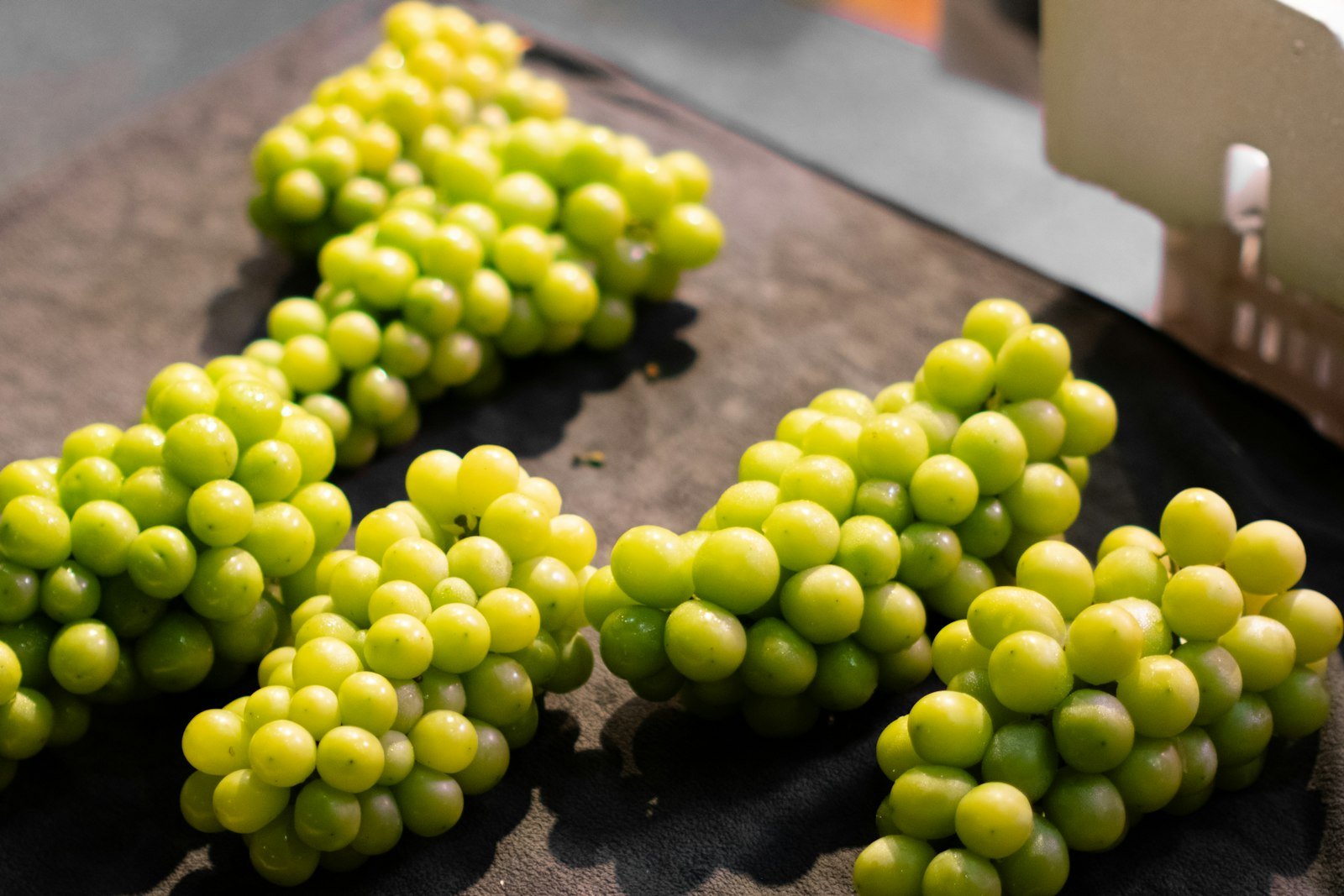
On Nochevieja, New Year’s Eve, there’s another big family dinner. Then, at midnight, everyone eats las doce uvas de la suerte, the 12 lucky grapes. You eat one grape with each stroke of the clock. Tradition says that if you finish all 12 in time, you’ll have a year of good luck.
The most famous clock is the one on the Puerta del Sol in Madrid, where the custom started. Television has broadcast the chimes from there since 1962. Many people eat the grapes at home after dinner, and others gather in the main squares.
Written records go back to at least the 1890s. One popular theory says that in 1909, grape growers around Alicante had a huge harvest. They promoted the custom to sell the extra fruit. Nobody is sure why there are 12. It may stand for the 12 months, or for the 12 strokes of the bell, or both.
Spain uses fresh grapes, usually green ones. Since the early 2000s, shops have sold small tins of 12 grapes, already peeled and seedless. After midnight, young people often head out to a cotillón, a big party in bars and pubs. Many dance until morning and finish with churros and chocolate for breakfast.
Hear the Spanish. The 12 strokes are las campanadas. A campanada is the stroke of a bell, and also the sound it makes. So when people say they’re watching las campanadas, they mean the midnight countdown on TV.
What happens on Día de Reyes, 6 January?
The season ends with its biggest day for children. Before it, children write una carta a los Reyes, a letter to the Three Kings, Melchor, Gaspar y Baltasar. In the letter they list what they’d like and explain why they’ve earned it. They post it, or hand it to the Kings’ pages, who carry it to the Kings.
On the evening of 5 January, towns across Spain hold a cabalgata, a parade of floats. The Kings and their helpers throw sweets to the children watching. The oldest documented one is in Alcoy and goes back to 1885. In Logroño the Kings arrive by helicopter, and in Gijón by boat.
That night, children leave their shoes by the tree, the door or a window. Many leave sweets for the Kings and water or food for the camels. In the morning, children who behaved well find presents. Those who were only so-so find carbón dulce, sweet coal, which looks ugly but is still a treat. Children who behaved badly may find real coal.
What is roscón de Reyes?
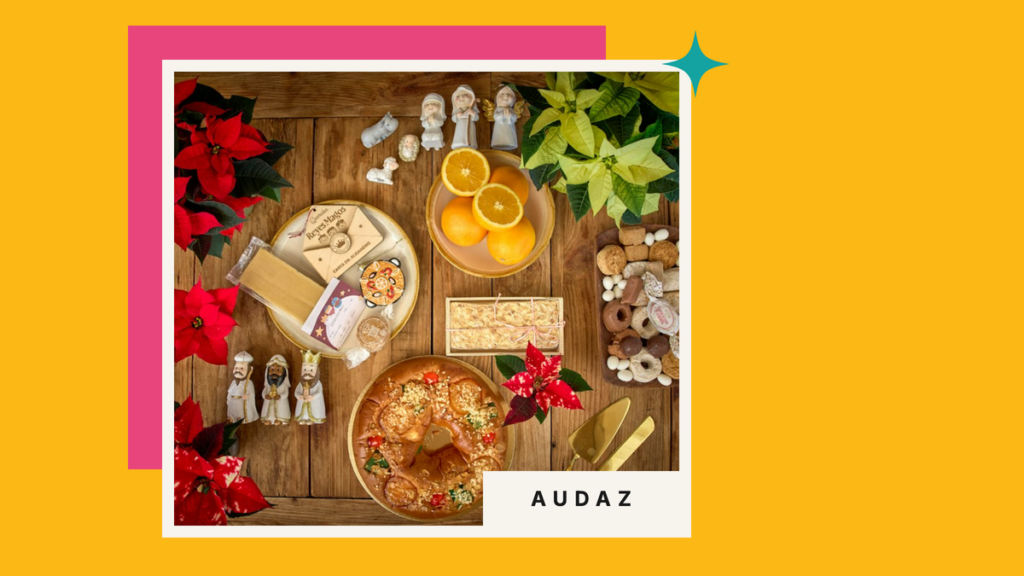
The roscón de Reyes is the cake of the Kings. It’s a ring of sweet dough, scented with orange blossom water and topped with candied fruit of many colours. It’s eaten on the night of 5 January and on 6 January.
Inside are 2 surprises. One is a small figurine, and whoever finds it is crowned king or queen of the table. The other is a dried bean, el haba. In many homes, whoever finds the bean pays for the roscón.
The cake came from France. A version reached the Spanish court with Felipe V, the first Bourbon king of Spain. By 1885, bakeries such as Prast and La Mallorquina had started calling it roscón. Mexico has its own version, the rosca de Reyes, served with hot chocolate. There, whoever finds the little figure of the baby Jesus hosts a tamales party on 2 February.
Source: From the facts in this guide.
What Spanish words will you hear at Christmas in Spain?
These are the words from this piece, in the order the season brings them:
| Spanish | English |
|---|---|
| la Navidad | Christmas |
| la Nochebuena | Christmas Eve (literally, the good night) |
| la Nochevieja | New Year’s Eve |
| el Sorteo de Navidad | the Christmas lottery draw |
| el Gordo | the first prize (the big one) |
| el décimo | a tenth of a lottery ticket, sold for 20 euros |
| el belén | the Nativity scene (also nacimiento, pesebre, portal) |
| el turrón | a sweet made of honey, egg and almonds |
| la Misa del Gallo | midnight Mass on Christmas Eve |
| las uvas de la suerte | the lucky grapes |
| las campanadas | the strokes of the bell, or the chimes |
| el cotillón | a big New Year’s Eve party in bars and pubs |
| los Reyes Magos | the Three Kings: Melchor, Gaspar and Baltasar |
| la carta a los Reyes | the letter children write to the Kings |
| la cabalgata | the Kings’ parade on 5 January |
| el carbón dulce | sweet coal, a candy for children who were only so-so |
| el roscón de Reyes | the ring-shaped Kings’ cake |
| el haba | the dried bean hidden in the roscón |
How is Christmas in Spain different from Christmas in Mexico?
Both countries gather for dinner on Nochebuena, both wait for the Three Kings, and both eat a ring-shaped Kings’ cake. The run-up is where they differ. Mexico has the nine days of Las Posadas. People playing Mary and Joseph knock on doors and sing to ask for shelter, and many evenings end with a piñata. Spain has the lottery and the Kings’ parades instead.
The grapes have travelled too. Families in Mexico, Peru, Chile, Ecuador and Uruguay also eat them at midnight. There they often go with other good luck customs, like wearing yellow underwear or white clothes. For the rest of Spain’s year, see our guide to Spanish traditions and our calendar of festivals in Spain and Latin America.
Try it. On 31 December, have 12 grapes ready before las campanadas begin. Say ¡Feliz Año Nuevo!, Happy New Year, once the last one is down.
Words from this guide
| Spanish | English |
|---|---|
| la Nochebuena | Christmas Eve (literally, the good night) |
| el Gordo | the first prize (the big one) |
| el décimo | a tenth of a lottery ticket |
| el belén | a Nativity scene |
| el turrón | a sweet made of honey, egg and almonds |
| los polvorones | a shortbread made of almonds, flour and sugar |
| las campanadas | the strokes of the bell, or the chimes |
| el cotillón | a big New Year's Eve party in bars and pubs |
| el carbón dulce | sweet coal |
| el haba | the dried bean hidden in the roscón |
Frequently asked questions
What are the main Christmas traditions in Spain?
The Christmas lottery on 22 December, the family dinner on Nochebuena, 12 grapes at midnight on Nochevieja, and the Three Kings bringing presents on the night of 5 January.
When do children get presents in Spain?
Traditionally on the night of 5 January, from the Three Kings. Many children now also get something from Papá Noel on Christmas Eve or Christmas Day.
What is El Gordo?
El Gordo, the big one, is the first prize of Spain’s Christmas lottery, drawn on 22 December. A 20 euro décimo that matches it pays 400,000 euros.
Why do Spaniards eat 12 grapes on New Year’s Eve?
For luck. You eat one grape with each of the 12 midnight chimes.
What is hidden in a roscón de Reyes?
A small figurine and a dried bean. Whoever finds the figurine is crowned, and in many homes whoever finds the bean pays for the cake.
Every Spanish word lives in a place. Our next issue, Ciudades que hablan, takes you to 18 cities across the Spanish-speaking world. Each one gets a single story, told in Spanish by someone who lives there. Join the waitlist and we’ll tell you when it opens.

Your Spanishcould use some.
In Spanish, reading tends to fall apart at the first word you don’t know. Audaz Revista is a Spanish magazine written by experts, where you tap that word and keep going. Edition 1 is out now.
Pay once, and it opens the moment you pay. See what's in Edition 1
Try it. Tap any word.
.
We love meeting up with friends to go out for tapas.
From "5 Spanish customs you should know", Edition 1.
Pay once, and it opens the moment you pay. See what's in Edition 1