Last Updated:January 24, 2026 | Apps tested and verified by our team
The landscape of Spanish learning apps has evolved significantly, with dozens of options now available for learners at every level. However, this abundance of choice makes it challenging to identify which apps actually deliver results and which are simply well-marketed but ineffective.
After extensive testing of more than thirty Spanish learning applications over a six-month period, comparing features, tracking progress, and evaluating learning outcomes, we have identified the apps that genuinely help learners progress—and those that fall short of their promises.
Key Takeaway: No single app will make you fluent. The most effective approach combines a structured learning app with conversation practice, listening resources, and consistent daily study. Select two or three tools that complement each other.
Pro Tip: Combine 2-3 apps for best results. Use Duolingo for daily practice, Pimsleur for audio, and italki for conversation.
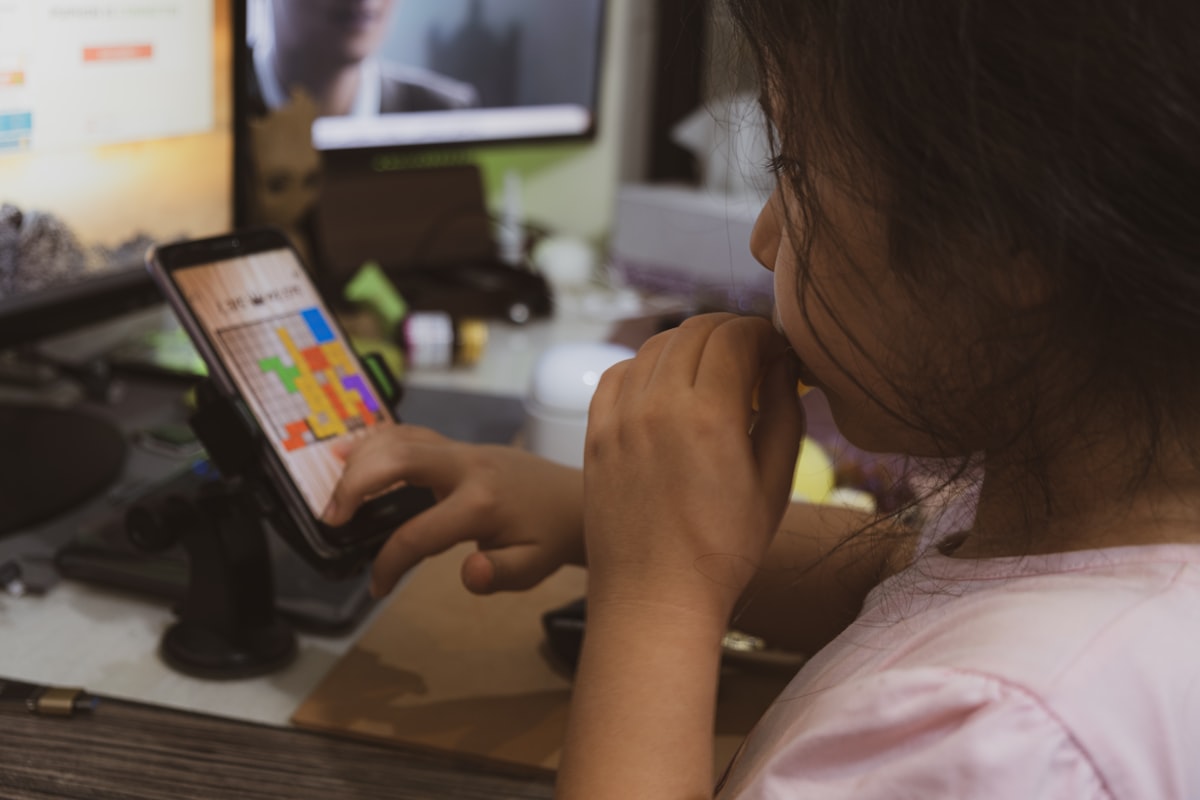
The best Spanish learning apps make studying accessible anywhere
After rigorous testing, four apps consistently outperformed the competition across different learning styles and goals. Here is a quick overview before we examine each in detail:
Quick Verdict
Rocket Spanish wins overall for comprehensive learning with its in-depth audio lessons and grammar explanations. Babbel is best for beginners seeking structured courses on a budget. Pimsleur leads for audio-focused learning, ideal for busy professionals. Duolingo remains the best free option for building daily habits.
1.
Online platforms offer structured courses for serious Spanish learners
Rocket Spanish — Best Overall (9.5/10)
After testing numerous language programs, Rocket Spanish stands above the rest in terms of comprehensiveness and depth. While many apps feel gamified to the point of being superficial, Rocket Spanish functions as a genuine language learning program with substantial educational content.
The program is built around thirty-minute audio lessons that provide thorough instruction in vocabulary, grammar, and pronunciation. Each lesson includes interactive exercises, voice recognition technology for pronunciation practice, and cultural notes that provide context for the language being learned.
Strengths
Comprehensive audio lessons: Each thirty-minute lesson covers vocabulary, grammar, and cultural content in depth, providing genuine learning rather than superficial exposure.
Grammar explanations: Unlike many apps that avoid explicit grammar instruction, Rocket Spanish provides clear explanations that help learners understand underlying patterns.
Cultural integration: Lessons include cultural notes that help learners understand the context in which Spanish is used.
Lifetime access option: A one-time payment provides permanent access, which can be more economical than subscription models for long-term learners.
Limitations
Higher initial cost: The one-time payment, while economical long-term, requires a larger upfront investment.
Interface design: The app interface feels somewhat dated compared to newer competitors.
Less gamification: Those who prefer game-like learning may find the approach too traditional.
Price: $150-250 one-time payment for lifetime access, or $15 per month for subscription
Best for: Serious learners who want a complete, structured course rather than piecemeal vocabulary practice
“One language sets you in a corridor for life. Two languages open every door along the way.”
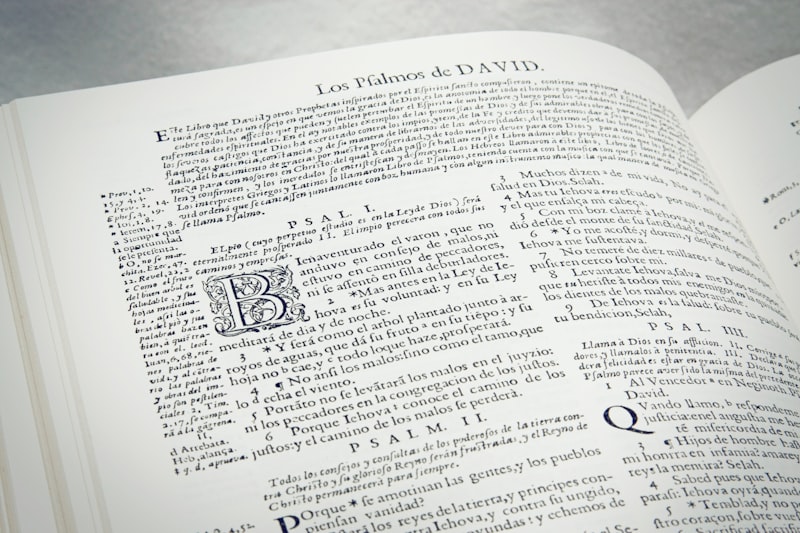
Combining apps with traditional study materials accelerates learning
2. Babbel — Best for Beginners (9.2/10)
Babbel functions as a structured language course packaged within an app. Lessons progress logically, mixing dialogues, vocabulary introduction, grammar explanations, and practice exercises in a coherent sequence. This structure makes it particularly suitable for beginners who benefit from clear guidance.
The app was designed by linguists and language teachers, and this professional foundation is evident in the quality of its content. Lessons focus on practical conversation skills from the beginning, ensuring that learners can apply what they study in real situations.
Strengths
Clear grammar instruction: Unlike apps that rely solely on pattern recognition, Babbel provides explicit grammar explanations.
Practical focus: Content emphasizes real-world conversational skills rather than abstract vocabulary.
Affordable pricing: Monthly costs are lower than many competitors, with additional discounts for longer subscriptions.
Speech recognition: Pronunciation feedback helps learners develop accurate speaking habits.
Limitations
Limited advanced content: The curriculum is strongest at beginner and intermediate levels.
Less cultural depth: Cultural context receives less attention than in some competing programs.
Review system: The spaced repetition review sessions can feel repetitive.
Price: $7-15 per month depending on subscription length
Best for: Beginners who want structured lessons with clear grammar explanations at an affordable price
3. Pimsleur — Best for Audio Learning (9.0/10)
Pimsleur has been a respected name in language learning for decades, and its audio-focused methodology remains highly effective. The program is built on the principle of graduated interval recall, a form of spaced repetition that optimizes retention.
From the very first lesson, learners are speaking Spanish. The audio format makes Pimsleur ideal for learning during commutes, workouts, or other activities where screen-based apps are impractical. This flexibility allows busy professionals to integrate significant study time into their existing routines.
Strengths
Speaking from day one: Active production is emphasized from the beginning, building speaking confidence early.
Flexibility: Audio format allows learning during commutes, exercise, or household tasks.
Scientifically-backed method: Spaced repetition principles are well-supported by memory research.
Pronunciation development: Extensive focus on accurate pronunciation and natural rhythm.
Limitations
Higher subscription cost: Monthly fees are among the highest in the market.
Limited reading and writing: The audio focus means less development of literacy skills.
No visual support: Visual learners may find the purely audio approach challenging.
Price: $15-20 per month or $150+ per level
Best for: Busy professionals who want to learn while commuting or exercising, and prioritize speaking skills
4. Duolingo — Best Free Option (8.5/10)
With over five hundred million users worldwide, Duolingo has made language learning accessible to an unprecedented audience. The app’s gamification elements—streaks, experience points, leaderboards—are remarkably effective at encouraging daily practice.
Lessons are designed to be completed in short sessions, making the app particularly suitable for building consistent study habits. The free tier provides substantial content, though the premium version removes advertisements and adds additional features.
Strengths
Completely free core experience: The free tier provides extensive learning content without payment.
Effective habit building: Gamification elements encourage consistent daily practice.
Accessibility: Short lessons make it easy to study during brief available moments.
Limited grammar instruction: Grammar is taught implicitly through patterns rather than explicit explanation.
Artificial sentences: Some practice sentences lack practical real-world applicability.
Insufficient for fluency: As a standalone tool, Duolingo will not produce conversational fluency.
Price: Free core experience; Super Duolingo premium at $7-13 per month
Best for: Complete beginners who need help building a daily study habit, ideally combined with other resources
Additional Apps Worth Considering
Langua — Best for AI Conversation (8.8/10)
Langua represents a newer generation of language learning apps that leverage artificial intelligence for conversation practice. The AI conversation partners feel remarkably natural, providing instant corrections and detailed feedback after each session. For learners who struggle to find conversation partners, Langua offers a valuable alternative.
Price: $12-20 per month Best for: Intermediate learners seeking conversation practice without a human partner
Memrise — Best for Vocabulary (8.3/10)
Memrise distinguishes itself through video clips of native speakers pronouncing words and phrases in real contexts. This approach helps learners develop listening comprehension for natural speech rather than the slow, clear pronunciation of language learning materials. The free tier offers substantial content.
Price: Free tier available; Pro at $9 per month Best for: Learners who want to expand vocabulary while hearing authentic native speech
Rosetta Stone — Best for Immersion (8.0/10)
Rosetta Stone pioneered the immersive approach to language learning, teaching entirely through images and target language without English translation. This methodology can be effective for developing intuitive language understanding, though some learners find it frustrating without explicit instruction.
Price: $12-15 per month Best for: Learners who prefer learning without translation and are comfortable with ambiguity
The following table summarizes the key characteristics of each app to help you make an informed decision:
App
Best For
Price
Rating
Rocket Spanish
Overall comprehensive learning
$150-250 lifetime
9.5/10
Babbel
Beginners on a budget
$7-15/month
9.2/10
Pimsleur
Audio-based learning
$15-20/month
9.0/10
Langua
AI conversation practice
$12-20/month
8.8/10
Duolingo
Free habit building
Free / $7-13
8.5/10
Memrise
Vocabulary expansion
Free / $9
8.3/10
Rosetta Stone
Immersive learning
$12-15/month
8.0/10
Tablet apps offer larger interfaces ideal for interactive Spanish lessons
How to Choose the Right App
The best app for you depends on your learning style, goals, budget, and available time. Consider the following recommendations based on learner profiles:
For Audio Learners
If you learn best by listening and prefer to study during commutes or physical activities, prioritize Pimsleur for structured lessons and supplement with podcasts for additional input. This combination maximizes audio learning time without requiring screen attention.
For Visual Learners
If you prefer reading and visual presentation, consider Rosetta Stone for its image-based methodology or Memrise for video content featuring native speakers. Babbel also provides strong visual presentation with its lesson interface.
For Structure Seekers
If you prefer clear progression and explicit instruction, Babbel or Rocket Spanish provide the most structured learning paths with grammar explanations integrated into the curriculum.
Recommended Combinations
Beginner combination: Duolingo for daily habit building, Babbel for grammar, and YouTube for cultural exposure
Intermediate combination: Rocket Spanish for comprehensive study, Langua for conversation practice, and podcasts for listening
Advanced combination: Langua for conversation, native content consumption, and periodic tutoring sessions
Rocket Spanish ranks as the best overall for comprehensive learning, combining audio lessons, grammar instruction, and cultural content. For beginners on a budget, Babbel offers excellent value. For audio-focused learning, Pimsleur remains the leader. The best choice depends on your learning style and goals.
Is Duolingo good for learning Spanish?
Duolingo excels at building daily study habits and introducing basic vocabulary. Its gamification makes consistent practice enjoyable. However, it provides limited grammar instruction and will not produce conversational fluency when used alone. It works best as one component of a broader learning strategy.
Can you become fluent with language apps alone?
No single app will produce fluency. Apps are valuable tools for vocabulary acquisition, grammar practice, and listening comprehension, but fluency requires real conversation practice with humans. The most effective approach combines app-based learning with speaking practice, whether through tutors, language exchanges, or immersion experiences.
What is the best free Spanish learning app?
Duolingo provides the most comprehensive free experience, with gamified lessons covering vocabulary and basic grammar. Memrise offers solid free content with native speaker videos. For listening practice, the Duolingo Spanish Podcast is completely free and highly engaging.
How much do Spanish learning apps cost?
Prices vary considerably. Free options include Duolingo and basic Memrise. Budget subscriptions range from $7-15 per month for Babbel and Duolingo Premium. Premium subscriptions run $15-20 per month for Pimsleur. Rocket Spanish offers lifetime access for a one-time payment of $150-250, which can be economical for long-term learners.
Your Next Steps
Choose one primary app — Start with a single tool to avoid overwhelm
Build the daily habit — Consistency matters more than session length
Add conversation practice — Apps cannot replace speaking with real people
Select your app and begin today. Your future fluent self will appreciate the decision.
EG
Written by Elena Garcia
Elena is a bilingual content creator and translator specializing in Spanish-English language education. She runs a popular YouTube channel with over 100,000 subscribers dedicated to Spanish learning.