The Best Spanish Podcasts of 2026 (Including 10 Run by Latinas You Should Know)
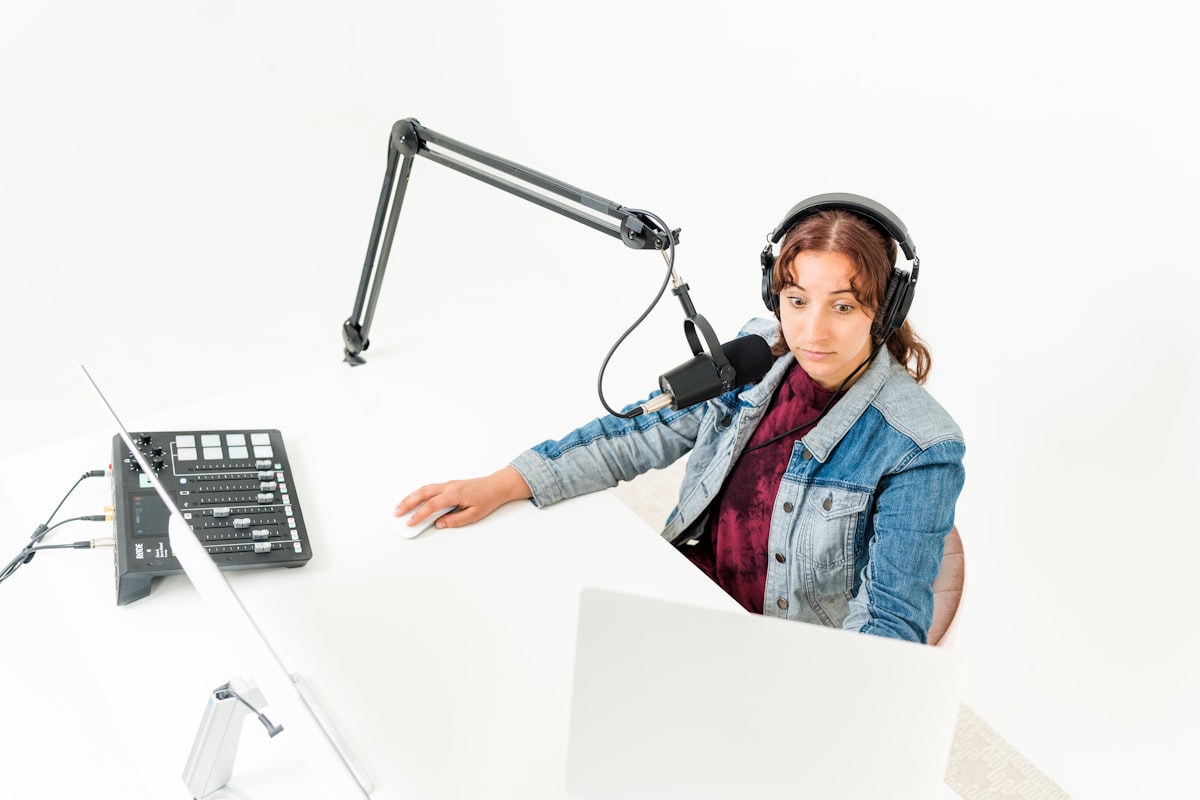
Key Takeaway, Spanish podcasts are one of the most effective and accessible tools for language learning, but only if you use them actively. This guide covers the best shows for every level, plus 10 outstanding podcasts hosted by Latina creators you should have in your rotation.
I have been a Spanish language creator for over a decade, and podcasts are consistently underrated in language learning conversations. People focus on apps and textbooks. But listening, hours and hours of real, natural, purposeful listening, is what actually builds fluency.
According to research published in the journal Language Learning, learners who engage in regular extensive listening develop vocabulary and grammar intuition faster than those who rely solely on structured study. The key word is “extensive”, not just occasional, but consistent, varied, and level-appropriate.
The good news? Spanish has one of the richest podcast ecosystems in the world. Whether you are a complete beginner who needs slow, clear explanations or an advanced learner who wants authentic journalism from Latin America, there is a podcast designed exactly for you.
Why Podcasts Are One of the Best Spanish Learning Tools
Before diving into recommendations, it is worth understanding why podcasts work so well for language acquisition. The science is clear and encouraging.
Stephen Krashen’s comprehensible input hypothesis, one of the most influential theories in second language acquisition, argues that we acquire language when we understand messages slightly above our current level. Podcasts, when chosen correctly for your level, deliver exactly this. They expose you to natural speech patterns, vocabulary in context, and the rhythm of the language in a way that no grammar drill can replicate.
Podcasts also train your ear for the specific Spanish you want to speak. A beginner podcast hosted by a Mexican Spanish speaker will train your ear for Mexican Spanish. A podcast from Buenos Aires will help you get comfortable with the Argentine accent and vocabulary. This specificity is an advantage, not a limitation.
For more on building a comprehensive Spanish learning routine, see our guide on how to learn Spanish with proven methods.
Which Spanish Podcast is Right for You?
▶ Spanishpod101
▶ Notes in Spanish
▶ Duolingo Spanish
▶ SpanishPod Intermediate
▶ Españolistos
▶ Latinas Who Lunch
▶ Soy de Cuba Podcast
▶ El hilo
▶ La posta
Listening to podcasts for 30 minutes daily has been shown to double vocabulary acquisition compared to textbook study alone.
Best Spanish Podcasts for Beginners (A1-B1)
1. Coffee Break Spanish
Host, Mark Pentleton (native English speaker, Scottish accent) | Level, A1-B2
Want to go deeper? Audaz Revista Issue 1 covers topics like this with original cultural features and language insights you will not find in a textbook. Explore Issue 1
Coffee Break Spanish is consistently rated the best beginner podcast for English speakers. Mark explains grammar and vocabulary in clear English, then practices with a learner so you hear both the explanation and the application. The structured curriculum means each episode builds on the last. Four seasons covering A1 through B2 make it a complete course in podcast form.
2. Dreaming Spanish
Host, Pablo Romani | Level, A1-C1 (videos categorized by level)
Dreaming Spanish is built on comprehensible input theory. Pablo speaks only in Spanish, but at a pace and with vocabulary calibrated to your level. No English translations. No grammar explanations. Just Spanish you can understand. The comprehensible input approach has passionate advocates and strong research support. The beginner content uses slow, deliberate speech with visual support.
3. Notes in Spanish
Hosts, Ben Curtis and Marina Diez | Level, A2-B2
Ben is a native English speaker who moved to Spain; Marina is his Spanish wife. Their natural, affectionate conversations about Spanish life and language are engaging and authentic. The intermediate and advanced episodes feature conversations entirely in natural Spanish. An excellent window into Peninsular Spanish culture.
Best Spanish Podcasts for Intermediate Learners (B1-B2)
4. Español con Juan
Host, Juan Fernández | Level, B1-C1
Juan speaks naturally at a pace slightly slower than native speed, covering cultural topics, idioms, and expressions. His clarity and enthusiasm make complex topics accessible. Episodes covering DELE exam preparation are particularly valuable for learners with certification goals.
5. Hoy Hablamos
Host, Rafa Árbol | Level, B1-C1
Short, daily episodes (5-20 minutes) covering news, culture, and vocabulary. Rafa’s calm, clear diction and varied topics make this ideal for daily practice. The combination of news content and cultural commentary builds both vocabulary and worldview simultaneously.
6. Españolistos
Hosts, Laia and Andrew | Level, B1-C1
A Spanish-Colombian couple discussing everyday topics in natural Spanish. The conversational dynamic exposes you to two different accents and ways of speaking, which significantly improves comprehension across dialects. The casual format mirrors real conversation rather than textbook exercises.
Best Spanish Podcasts for Advanced Learners (C1-C2)
7. Radio Ambulante
Hosts/Producers, Co-founded by Carolina Guerrero | Level, C1-C2
Radio Ambulante is the gold standard of Spanish-language storytelling podcasts. Distributed by NPR, it produces long-form narrative journalism about Latin America and Latino life in the United States. The writing is excellent, the stories are moving, and the diversity of accents, you hear Colombian, Mexican, Argentine, Peruvian, and many other varieties within a single episode, is unmatched. Carolina Guerrero’s leadership has shaped it into one of the most important Spanish-language media productions in the world.
8. El Hilo
Host, Daniela Cruzat and Silvia Viñas | Level, C1-C2
A podcast about Latin American current events, produced at full native speed with the vocabulary of serious journalism. El Hilo covers politics, economics, and social issues across the region. It is challenging and deeply rewarding for advanced learners who want to engage with Latin American political and social reality.
10 Spanish Podcasts Hosted by Latinas You Should Know
This Women’s History Month, we are spotlighting the Latina creators who are shaping Spanish-language audio. These podcasters are building audiences, shifting conversations, and making space for stories that mainstream media has long overlooked. Many of our most diverse, thoughtful, and culturally rich podcast content comes from these women.
For context on the broader contributions of Latina women to Hispanic culture, read our guide to pioneering women in Hispanic culture.
- Radio Ambulante, Co-founded and led by Carolina Guerrero (Colombian). The most important Spanish-language narrative journalism podcast in the world. NPR-distributed, internationally acclaimed.
- El Hilo, Co-hosted by Silvia Viñas (Chilean journalist). Rigorous analysis of Latin American political and social issues. Essential for advanced learners and anyone following the region.
- Locatora Radio, Co-hosted by Diosa and Mala (US Latinas). A cultural commentary podcast exploring Latinidad, feminism, and identity from a Chicana perspective. Thought-provoking and energetic.
- Latina to Latina, Hosted by Alicia Menendez (journalist and MSNBC anchor). In-depth conversations with Latina leaders in business, politics, media, and culture. Conducted in English but deeply embedded in Latina identity and experience.
- Vivir en el Idioma, Hosted by Natalia Cano. A podcast for Spanish learners that weaves language instruction with Latin American cultural stories. Natalia’s warmth and expertise make this a favorite in the learner community.
- Café con Pam, Hosted by Pamela Valdés (Chilean entrepreneur). Conversations with Latina entrepreneurs and leaders about business, identity, and resilience. Conducted primarily in Spanish with occasional English phrases.
- Atypical Latina, Hosted by Jenni Catron. Mental health, spirituality, and personal development from a Latina perspective. Full episodes in English and Spanish available.
- Chicas Poderosas, A production collective supporting Latina journalists across Latin America. Their podcast features reporting and stories from women journalists often working in challenging conditions.
- La Lengua Podcast, Hosted by Valentina García. Explores how Spanish evolves across borders, with particular attention to how Latina and women’s voices shape the language. Intermediate-advanced level.
- Sana, Sana, Hosted by Rosario Fuentes. Mental health conversations in Spanish, specifically addressing the stigma around psychological support in Latino communities. Accessible language, B2 level.
Full Comparison Table
| Podcast | Level | Language | Focus | Latina-Hosted |
|---|---|---|---|---|
| Coffee Break Spanish | A1-B2 | EN + ES | Structured lessons | No |
| Dreaming Spanish | A1-C1 | ES only | Comprehensible input | No |
| Notes in Spanish | A2-B2 | ES + EN | Conversation, Spain | Co-host yes |
| Hoy Hablamos | B1-C1 | ES only | News & culture | No |
| Radio Ambulante | C1-C2 | ES only | Narrative journalism | Yes (Carolina Guerrero) |
| El Hilo | C1-C2 | ES only | Latin American affairs | Yes (Silvia Viñas) |
| Locatora Radio | B2-C2 | ES + EN | Latinidad & feminism | Yes (both hosts) |
How to Learn Effectively with Spanish Podcasts
Not all listening is created equal. Here is how to turn podcast time into real language gains.
Audaz Revista
Take Your Spanish Further
Audaz Revista Issue 1 is out now, a full-length bilingual magazine for serious Spanish learners. Latin American culture, grammar deep-dives, and language insights written by educators.
Active vs. passive listening. Passive listening, playing a podcast while you cook or commute, builds familiarity with sounds and rhythm. It is valuable but not sufficient. Active listening, sitting down, focusing, pausing to repeat phrases, looking up unfamiliar words, is where the real acquisition happens. Aim for at least 20 minutes of active listening for every 40 minutes of passive.
Shadowing. This technique, developed by language coach Alexander Arguelles, involves listening to a phrase and immediately repeating it out loud, trying to match the speaker’s pace, rhythm, and intonation. It is uncomfortable at first and extremely effective. Use it with any podcast where you understand 70-80% of the content.
Transcripts. Many podcasts (Coffee Break Spanish, Dreaming Spanish, Radio Ambulante) provide transcripts. Read along while listening. When you encounter a word you do not know, pause, add it to a vocabulary list, and continue. Reviewing this list weekly accelerates retention.
Podcasts work best as part of a broader routine. For conversation practice to complement your listening, see our guide on Spanish conversation practice techniques. And for media-based learning beyond podcasts, explore learning Spanish with Netflix and our list of the best Spanish TV shows.
Frequently Asked Questions
What is the best Spanish podcast for beginners?
Coffee Break Spanish and Dreaming Spanish are the top choices. Coffee Break Spanish offers structured lessons in both English and Spanish, ideal for absolute beginners. Dreaming Spanish uses comprehensible input with slow, clear Spanish and no English explanations, making it excellent for visual and immersive learners. Try both for two weeks and stick with whichever feels more natural.
Can you really learn Spanish from podcasts alone?
Podcasts alone are not enough for full fluency, you also need speaking practice, reading, and writing. But for listening comprehension and vocabulary building, they are one of the most effective tools available. Many learners have reached conversational fluency (B2) through a combination of podcasts, speaking practice, and occasional grammar study.
What is Radio Ambulante?
Radio Ambulante is an NPR-distributed Spanish-language podcast producing narrative journalism about Latin America and Latino life in the United States. Co-founded by Carolina Guerrero, it is one of the most acclaimed Spanish-language podcasts in the world, known for its storytelling quality. Each episode covers a single in-depth story from somewhere in Latin America or the US Latino community. It is challenging for intermediate learners but deeply rewarding.
How many minutes a day should I listen to Spanish podcasts?
Research suggests 30 minutes of active listening daily produces strong results. Combine with 15-30 minutes of passive listening while commuting or exercising. Consistency matters far more than duration. Thirty minutes every day beats three hours once a week for language acquisition.
Get Weekly Spanish Learning Tips
Join 5, 000+ learners receiving podcast recommendations, practice exercises, and cultural insights every week.
Written by Elena Garcia
Elena is a bilingual content creator and translator specializing in Spanish-English language education. She runs a popular YouTube channel with 100K+ subscribers dedicated to Spanish learning.
Share
Topics

audazrevista
You may also like



Get the Inside Scoop