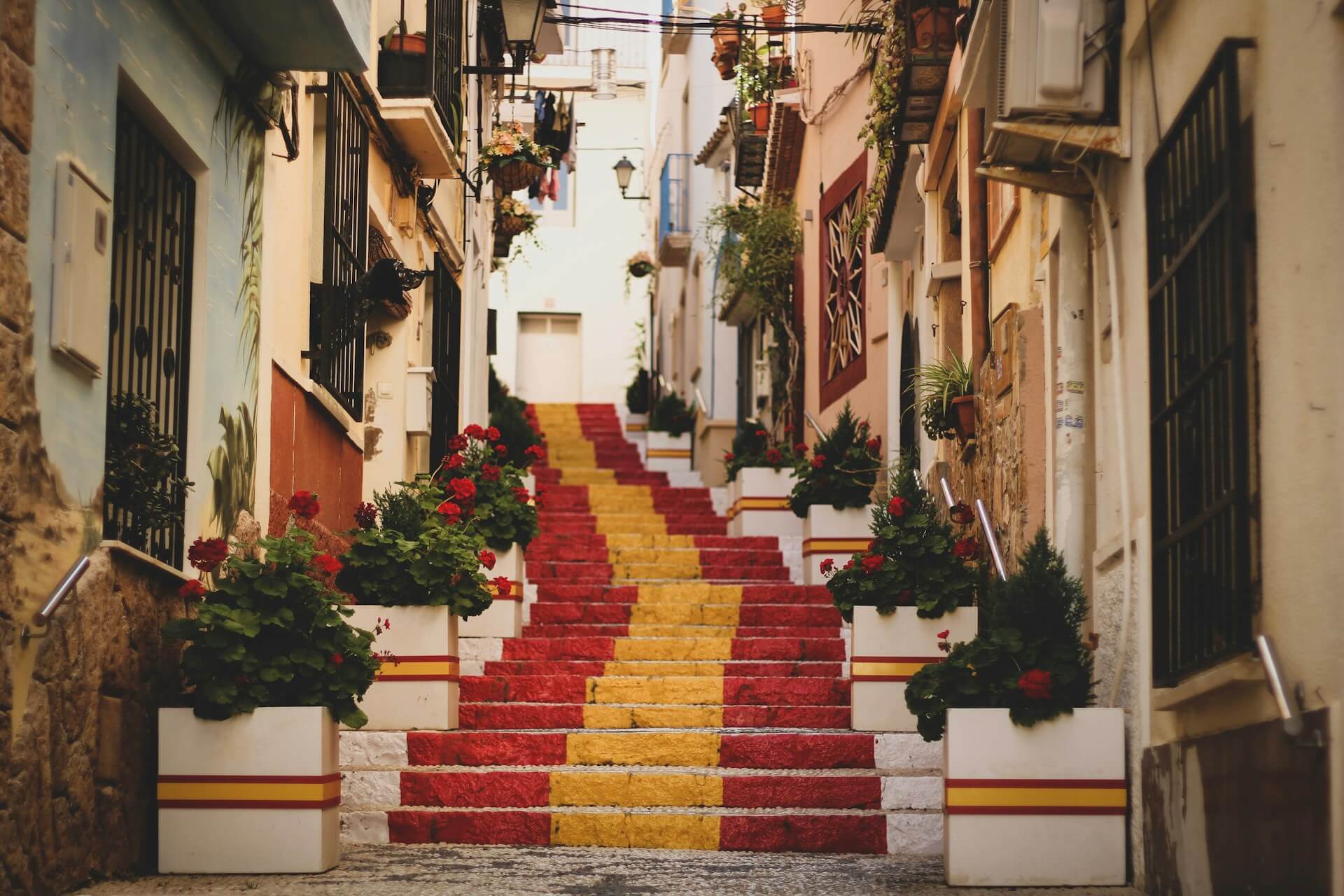
The Botellón Explained: Why Spaniards Swear by It
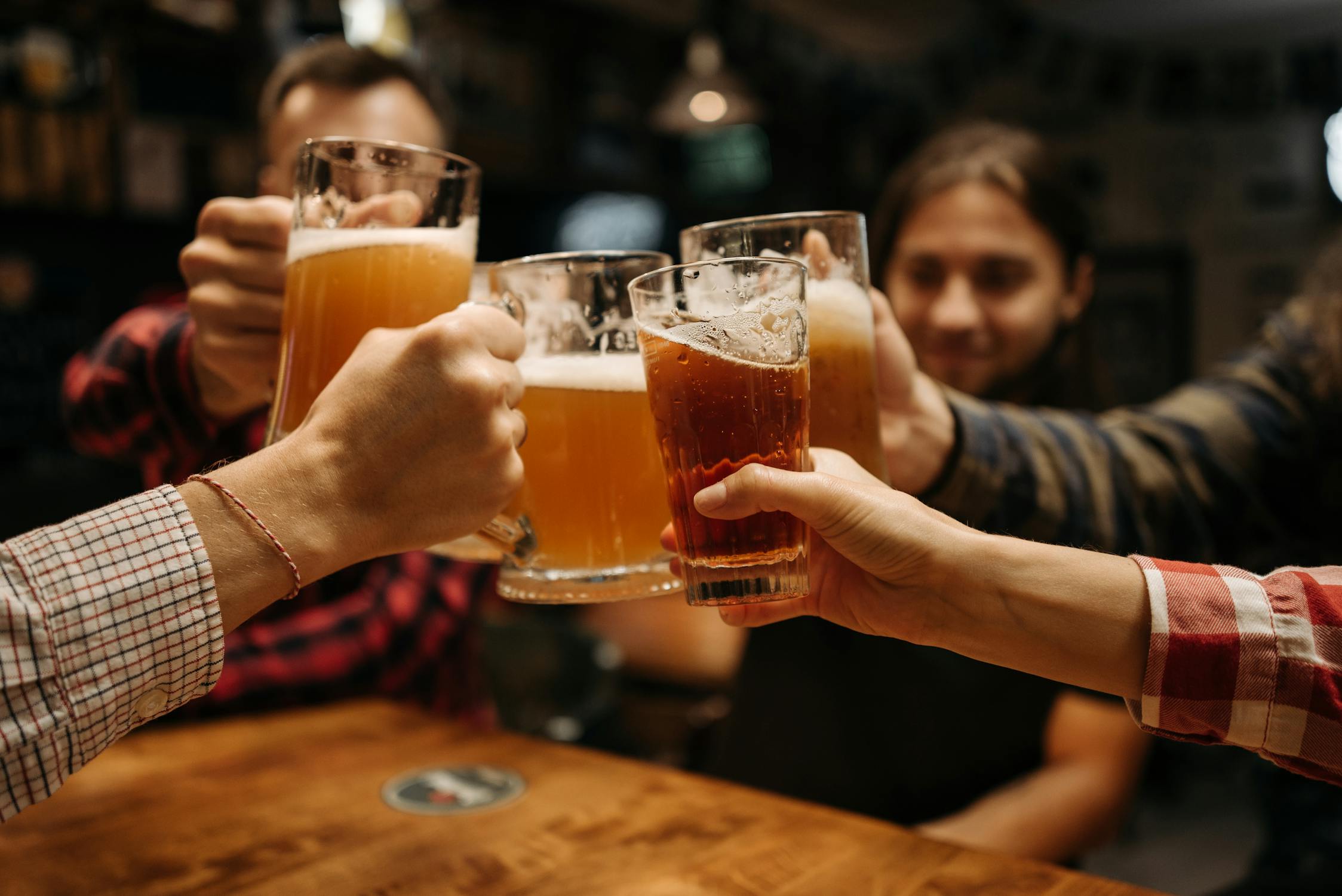
Table of Contents
- What Is a Botellón, Really?
- Why It Matters: The Cultural Significance
- Essential Botellón Vocabulary
- The Unwritten Rules of Botellón Etiquette
- How It Differs Across Spain
- The Legal Status and Ongoing Debate
- How to Join a Botellón as a Foreigner
- Useful Phrases for the Social Setting
- Vocabulary Practice Box
- Conclusion
You’ve probably heard of tapas culture. You might even know about siesta. But there’s one Spanish social tradition that your textbook definitely skipped, and it’s one of the most authentic ways to experience everyday life in Spain. Meet the botellón (boh-tay-YOHN, outdoor social drinking gathering).
Here’s the real talk: the botellón isn’t just “drinking in a park.” That’s like calling a Japanese tea ceremony “having a cuppa.” The botellón is a deeply rooted social ritual that tells you everything about how Spaniards view community, public space, and the art of being together. Whether you’re shopping at spanish markets during the day or exploring lifestyle culture in Spain, understanding the botellón unlocks a whole new layer of social life.
Ready to learn spanish vocabulary words you’ll actually use in real conversations? Pack your bags. We’re diving deep into one of Spain’s most iconic (and misunderstood) traditions.
What Is a Botellón, Really?
Let’s get this straight. A botellón is an informal outdoor gathering where friends buy drinks from supermarkets or corner shops and share them in a public space. Parks, plazas, riverbanks, university campuses, beaches. Anywhere people can sit together under open sky.
The word itself comes from botella (boh-TAY-yah, bottle), with the suffix “-ón” making it bigger. So literally, it means “big bottle.” But culturally? It means so much more.
Think of it as Spain’s answer to the pub. Except there are no walls, no bouncers, no overpriced cocktails. Just people, conversation, music from someone’s speaker, and the warm evening air. The botellón typically kicks off around 10 or 11 PM (yes, you read that right) and can run until the early hours.
A typical botellón scene includes:
- Groups of friends sitting in circles on the ground or low walls
- Shared drinks mixed on the spot from supermarket supplies
- Music, laughter, and multiple conversations happening at once
- People moving between groups, greeting friends, making introductions
- Snacks passed around (crisps, nuts, maybe some olives)
This is where the magic happens. It’s not about getting drunk. It’s about being together in a way that Spanish culture values above almost everything else: openly, generously, without a clock ticking or a tab running.
Why It Matters: The Cultural Significance
To understand why Spaniards swear by the botellón, you need to understand three things about Spanish culture.
1. Public Space Belongs to Everyone
In Spain, plazas and parks aren’t just green decoration. They’re living rooms. Spanish cities were designed around communal outdoor spaces where people gather, talk, and spend time together. The botellón is an extension of this philosophy. The street is your home, and everyone’s invited.
According to research from the University of Seville (Gómez-Fraguela et al., 2008), the botellón emerged in the early 1980s as youth culture adapted to economic pressures while maintaining Spain’s tradition of communal outdoor socialising.
2. Affordability Without Shame
Here’s something important. Spain has one of Europe’s highest youth unemployment rates, consistently hovering around 25-30%. A night at a bar in Madrid can easily cost 40-60 euros. A botellón? Maybe 5-10 euros.
But here’s the key: there’s zero stigma attached to choosing the botellón over a bar. It’s not seen as the “cheap option.” It’s seen as the fun option. The social option. The option where you actually talk to people instead of shouting over music in a crowded club.
3. The Climate Factor
Spain enjoys over 300 days of sunshine per year. Evening temperatures in summer hover between 25-35°C well past midnight. Why would you sit inside? The weather practically begs you to gather outdoors. The botellón is what happens when warm nights meet a culture that values togetherness above all else.
4. The Social Glue
Spanish social life revolves around the group. Not the couple, not the individual. The pandilla (pan-DEE-yah, friend group) is sacred. The botellón is where pandillas form, grow, and strengthen. It’s where you meet your partner’s friends, where new flatmates become lifelong mates, where study groups become wedding guest lists.
When you experience the Spanish lifestyle through a botellón, you’re experiencing the heartbeat of how young Spaniards actually live. It’s community building in its purest form.
Essential Botellón Vocabulary
Your Spanish is about to level up. Here are the words you absolutely need to know. These are the terms you’ll hear at any spanish markets shopping spain run before a botellón, and in the gathering itself.
Botellón Vocabulary Checklist
| Spanish | Pronunciation | Meaning |
|---|---|---|
| Botellón | boh-tay-YOHN | Outdoor drinking gathering |
| Litrona | lee-TROH-nah | A one-litre bottle of beer (shared) |
| Garrafón | gah-rah-FOHN | Cheap wine or spirits in large bottles |
| Quedamos | keh-DAH-mohs | “Let’s meet up” (the universal invitation) |
| Terraza | teh-RAH-thah | Bar terrace/outdoor seating area |
| Chiringuito | chee-reen-GEE-toh | Beach bar or casual outdoor bar |
| Mezcla | METH-klah | Mix (as in a mixed drink) |
| Calimocho | kah-lee-MOH-choh | Red wine mixed with cola (a botellón classic) |
When you learn spanish vocabulary words like these, you’re not just memorising definitions. You’re unlocking access to real social situations. Try dropping “quedamos” into a conversation with Spanish friends and watch their faces light up. That’s how native speakers actually talk.
The Unwritten Rules of Botellón Etiquette
Every culture has its unspoken codes. The botellón is no exception. Follow these and you’ll fit right in.
Rule 1: Always Share
If someone in the group doesn’t have a drink, you offer yours. No questions asked. Hoarding your supplies is the fastest way to never get invited back. The botellón runs on generosity.
Rule 2: Bring Something
Even if you’re broke. A bag of crisps, a bottle of mixer, some ice. Contributing shows respect for the group. The pre-botellón trip to the supermercado (soo-per-mer-KAH-doh, supermarket) is a ritual in itself. This is where spanish markets shopping spain becomes a social event.
Rule 3: Clean Up After Yourselves
This is huge. The biggest criticism of botellón culture is the mess left behind. Respectful botellón-goers always clean their area. Bring bags. Pick up bottles. Leave the space better than you found it. Locals who do this earn community respect.
Rule 4: Don’t Be the Loudest Person There
Yes, there’s music. Yes, people get animated. But the botellón isn’t about being obnoxiously loud. It’s about conversation. Keep the volume social, not stadium.
Rule 5: Respect the Timing
Nobody arrives “on time.” The invitation says 10 PM? People will drift in between 10:30 and midnight. Don’t stress about punctuality. This is Spain, not Switzerland. But also don’t show up at 2 AM expecting it to still be going strong (it might be, but don’t count on it).
Rule 6: The Phone Stays in Your Pocket
Not literally (take photos, post stories, that’s fine). But spending the whole botellón glued to your screen is considered rude. You came here to be with people. Be with people. This reflects a core part of Spanish lifestyle values: presence matters more than productivity.
How It Differs Across Spain
Spain isn’t one culture. It’s seventeen autonomous communities, each with distinct personalities. The botellón reflects these differences beautifully.
Andalucía: The Birthplace
Many credit Andalucía as where botellón culture truly began. In Seville, Granada, and Málaga, the botellón is practically a civic institution. It starts later (11 PM or midnight), lasts longer, and blends seamlessly with feria (FEH-ree-ah, festival/fair) culture. Flamenco might break out spontaneously. The vibe is warm, loud, and intensely welcoming.
Madrid: The Urban Version
Madrid’s botellón scene centres around specific zones. Parks like El Retiro’s surrounding areas, university campuses (Ciudad Universitaria is legendary), and plazas in neighbourhoods like Lavapiés and Malasaña. It’s more international, more diverse, more likely to include Erasmus students from across Europe.
Valencia: The Beach Edition
Valencia takes the botellón to the sand. The Malvarrosa beach and Turia gardens become massive gathering spots, especially during Las Fallas season. The Valencian botellón has a distinctive soundtrack: reggaeton mixed with traditional mascletà (mahs-kleh-TAH, Valencian firecracker display) energy.
The Basque Country: The Txikiteo Alternative
In the Basque Country, they have their own version called txikiteo (chee-kee-TAY-oh, bar-hopping tradition). It’s more about moving between bars in groups, each round in a different spot. Same communal spirit, different format. Bilbao and San Sebastián’s old quarters come alive with this tradition.
Galicia: The Queimada Touch
In Galicia, outdoor gatherings sometimes include queimada (kay-MAH-dah, a flaming spirit drink), a dramatic ritual drink made from orujo (a grape spirit) set on fire while a spell is chanted. It adds Celtic mysticism to the gathering. Very Galicia.
The Legal Status and Ongoing Debate
Here’s the real talk. The botellón exists in a complicated legal space.
Since the early 2000s, many Spanish municipalities have introduced ordenanzas cívicas (or-deh-NAHN-thahs THEE-vee-kahs, civic ordinances) that restrict or fine public drinking. The penalties vary wildly:
- Madrid: Fines of 100-600 euros for drinking in non-designated areas
- Barcelona: Similar fines, strictly enforced in tourist zones
- Seville: More relaxed enforcement, especially during ferias
- University towns: Often tolerated near campuses despite technical illegality
The debate continues today. According to a 2023 study by the Spanish Youth Institute (INJUVE), over 60% of Spaniards aged 18-30 have participated in a botellón in the past year, despite increasing legal restrictions.
Supporters argue the botellón is a legitimate cultural practice that keeps young people socialising affordably and safely (outdoors, visible, in groups). Critics point to noise complaints, litter, and public health concerns.
The compromise in many cities? Designated botellódromos (boh-tay-yoh-DROH-mohs, designated botellón areas), specific zones where outdoor drinking is legal and services (toilets, bins, security) are provided. It’s an evolving conversation, and one you’ll hear passionate opinions about from everyone you meet in Spain.
How to Join a Botellón as a Foreigner
Forget what your textbook told you about formal introductions. Here’s how to actually participate without being awkward.
Step 1: Get Invited (It’s Easier Than You Think)
Spanish people are famously welcoming. If you’re studying Spanish, doing an Erasmus exchange, or working in Spain, just say yes when someone mentions “quedamos esta noche” (we’re meeting tonight). That’s your in.
Step 2: The Shopping Run
Go to the nearest supermarket or chino (CHEE-noh, convenience store, often Chinese-owned, open late). Buy your contribution: a litrona, some mixers, crisps, cups. Budget: 5-10 euros. The spanish markets shopping spain experience before a botellón is genuinely fun, everyone wandering the aisles together picking out supplies.
Step 3: Arrive Relaxed
Don’t overdress. Trainers, jeans, a light jacket. You’ll be sitting on the ground or a wall. Comfort beats fashion here.
Step 4: Contribute and Circulate
Offer your drinks to share. Ask people’s names. Move between conversations. The botellón rewards openness. Nobody expects you to speak perfect Spanish. They expect you to be present and willing to connect.
Step 5: Stay Until the End (or Don’t)
There’s no pressure to stay all night. People come and go. A quick “me voy ya, hasta luego” (I’m heading off, see you later) is perfectly acceptable at any time.
Useful Phrases for the Social Setting
Your Spanish is about to level up. These are phrases you’ll actually use. This is how native speakers really talk in social settings.
Essential Botellón Phrases
“¿Quedamos esta noche?” (keh-DAH-mohs EHS-tah NOH-chay)
“Shall we meet up tonight?” – The classic invitation.
“¿Quieres un trago?” (kee-EH-rehs oon TRAH-goh)
“Want a sip/drink?” – How you offer your drink to someone.
“¿Qué has traído?” (keh ahs trah-EE-doh)
“What did you bring?” – Checking what supplies the group has.
“Ponme un poco de eso.” (PON-meh oon POH-koh deh EH-soh)
“Pour me a bit of that.” – Asking to try someone’s drink.
“¿Nos cambiamos de sitio?” (nohs kahm-bee-AH-mohs deh SEE-tee-oh)
“Shall we move spots?” – If the police show up or it’s getting too crowded.
“Me voy ya, que mañana curro.” (meh voy yah, keh mah-NYAH-nah KOO-rroh)
“I’m heading off, I’ve got work tomorrow.” – The polite exit.
“¿Hay hielo?” (eye ee-EH-loh)
“Is there ice?” – Critical in summer months.
“Esto está fatal.” (EHS-toh ehs-TAH fah-TAHL)
“This tastes terrible.” – When someone’s drink-mixing skills need work.
When you learn spanish vocabulary words in context like this, they stick. You’re not memorising flashcards. You’re preparing for real conversations in real lifestyle situations.
Vocabulary Practice Box
Test Yourself: Botellón Vocabulary Quiz
Match the Spanish word to its meaning. Answers below!
1. Litrona
2. Quedamos
3. Garrafón
4. Calimocho
5. Chiringuito
6. Botellódromo
A. Beach bar or casual outdoor bar
B. Red wine mixed with cola
C. “Let’s meet up”
D. One-litre shared beer bottle
E. Designated outdoor drinking area
F. Cheap wine/spirits in large bottles
Answers: 1-D, 2-C, 3-F, 4-B, 5-A, 6-E
Pronunciation Challenge
Say these three words out loud. Focus on the stressed syllables (in CAPS):
- Botellón – boh-tay-YOHN
- Chiringuito – chee-reen-GEE-toh
- Calimocho – kah-lee-MOH-choh
Tip: In Spanish, the “ll” makes a “y” sound (like “yellow”). Try saying “botellón” three times fast!
Conclusion
The botellón isn’t just a way to drink cheaply outdoors. It’s a window into what Spaniards value most: community, generosity, shared space, and the simple pleasure of being together without rushing. Understanding this tradition, along with the spanish markets shopping spain rituals that precede it, gives you cultural insight that no textbook can provide.
Next time someone says “quedamos,” you’ll know exactly what’s happening. You’ll know to bring a litrona, arrive fashionably late, share your drinks generously, and clean up before you leave. You’ll know the unwritten rules, the regional flavours, and the vocabulary to hold your own in conversation.
That’s what learning Spanish through culture looks like. Not conjugation tables and fill-in-the-blank exercises, but real people doing real things in real places. And now you have the vocabulary, the cultural context, and the confidence to join in.
Your Spanish is about to level up. Try dropping “quedamos” into your next conversation with a Spanish friend. Watch what happens.
Ready to explore more of Spanish lifestyle and culture? We’ve got plenty more where this came from.
Sources:
- Gómez-Fraguela, J. A. et al. (2008). “El botellón y el consumo de alcohol y otras drogas en la juventud.” Psicothema, 20(2), 211-217. Universidad de Santiago de Compostela.
- Instituto de la Juventud (INJUVE). (2023). Informe Juventud en España 2023. Ministerio de Derechos Sociales y Agenda 2030.
Share
Topics

audazrevista
Get the Inside Scoop