Cinco De Mayo History: The Complete Guide to Origins, Traditions & Celebrations [2026]
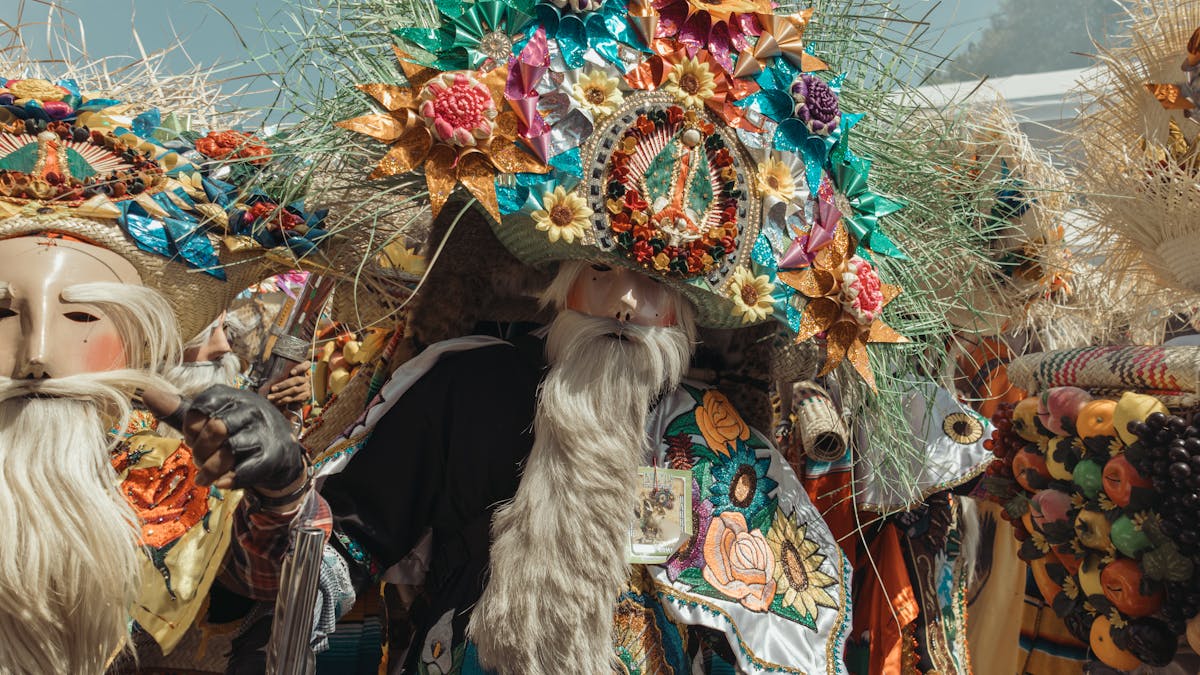
Cinco De Mayo History: The Complete Guide to Origins, Traditions & Celebrations [2026]
Cinco de Mayo is widely misunderstood outside Mexico—often mistakenly celebrated as Mexican Independence Day. Actually, May 5th commemorates a specific military victory: the Battle of Puebla (1862), when Mexican forces defeated the French army against overwhelming odds. Understanding this history reveals crucial lessons about Mexican resilience, national pride, and the ongoing struggle for sovereignty that shapes Mexican identity.
The Historical Context: Mexico in the 1860s
In the 1860s, Mexico faced severe financial crisis following wars, political instability, and colonial debt obligations inherited from Spanish rule. The Mexican government suspended payments on foreign debts owed to France, Spain, and Britain. In response, these three European powers sent military forces to Mexico—specifically to Veracruz—demanding payment and reparations.
Spain and Britain negotiated with Mexico and withdrew after receiving partial payment. But France remained—with much larger expansionist ambitions under Emperor Napoleon III. France aimed to establish a puppet empire in Mexico, placing Austrian Archduke Maximilian I on a Mexican throne. This would extend French influence across North America and challenge the United States’ growing regional dominance.
Mexico’s fate hung in the balance in 1862. Would it remain an independent republic or become a French colony? The answer would be determined on May 5, 1862.
The Battle of Puebla: May 5, 1862
The Military Engagement
On May 5, 1862, Mexican General Ignacio Zaragoza led approximately 4,000-6,000 Mexican troops against 8,000 professional French soldiers outside Puebla de Zaragoza (a city southeast of Mexico City). The French army was widely considered one of the world’s finest military forces—Mexico’s victory seemed impossible, defying military logic and conventional wisdom.
Despite being outnumbered and outgunned, Mexican forces—many indigenous and mixed-race soldiers—used superior knowledge of local terrain and defensive positions to repel multiple French attacks. After hours of intense fighting, the French withdrew, marking a stunning Mexican victory that shocked the international military community.
Immediate Impact
The victory was psychologically crucial for Mexican morale and national pride. It demonstrated that Mexico could resist European imperialism and defend its sovereignty. However, the military impact was temporary—France soon sent reinforcements, eventually occupying Mexico City and installing Maximilian as Emperor.
Mexican forces, led by President Benito Juárez and his republican generals including Ignacio Zaragoza, continued fighting the French occupation. By 1867, Mexican forces defeated the French, executed Maximilian, and restored the Mexican Republic. This three-year struggle (1862-1867) is sometimes called the French Intervention or War of the Reform—a pivotal moment in Mexican history.
Why Cinco de Mayo Matters: The Symbolic Significance
Cinco de Mayo represents far more than one military battle. It symbolizes:
Resistance to Foreign Domination: The battle demonstrated Mexico’s refusal to accept European imperialism. It affirmed Mexico’s sovereignty and independence—not just from Spain (1810-1821), but from powerful European nations seeking to control the continent. For developing nations, this victory symbolized the possibility of resisting superpower pressure.
National Unity: The victory united Mexico across class, regional, and ethnic lines. Rich and poor, urban and rural, indigenous and mestizo Mexicans fought together against foreign invasion. This unity strengthened Mexican national identity during a fragmented period of Mexican history.
David vs. Goliath Narrative: The victory of smaller Mexican forces against a larger, better-equipped French army created an enduring narrative of Mexican determination and ingenuity. This narrative has resonated throughout Mexican and Latin American history as symbol of resistance to overwhelmingly powerful external forces.
Want to go deeper? Audaz Revista Issue 1 covers topics like this with original cultural features and language insights you will not find in a textbook. Explore Issue 1
Cinco de Mayo Celebrations in Mexico
Official Observance: May 5th is a national holiday in Mexico (though less significant than Independence Day on September 15-16). The Mexican government holds official ceremonies, military parades feature prominently, and patriotic displays fill public spaces throughout the nation.
Puebla’s Celebration: The city of Puebla—where the battle occurred—hosts the most elaborate celebrations. The Zócalo (main plaza) features reenactments of the battle using historical costumes and formations, traditional music and dance performances, regional food specialties, and ceremonies honoring General Zaragoza and fallen soldiers.
Regional Variations: Throughout Mexico, celebrations vary by region. In some regions, Cinco de Mayo emphasizes cultural pride and indigenous heritage. In border regions, celebrations blend Mexican and American traditions. In diaspora communities, Cinco de Mayo has become a more significant celebration than in Mexico itself.
Cinco de Mayo in the United States
Why It’s More Celebrated in the U.S. Than Mexico
Interestingly, Cinco de Mayo is more prominently celebrated in the United States than in Mexico—particularly in Mexican-American communities. This reflects several important factors:
Mexican-American Identity: During the late 1800s and early 1900s, Mexican-American communities adopted Cinco de Mayo to assert cultural pride and resist discrimination. The battle’s symbolism—resistance to domination and imperialism—resonated deeply with minority communities facing marginalization and discrimination in the United States.
Timing: May 5th falls in spring, naturally aligning with outdoor celebrations and public events. September 15-16 (Mexican Independence Day) falls during the school year, making large community celebrations more challenging for Mexican-American families and schools.
Marketing & Commercialization: By the 1960s-1970s, Cinco de Mayo became commercialized in U.S. media as “Mexican heritage celebration.” Restaurants, retail businesses, and breweries promoted Cinco de Mayo extensively, turning it into a significant commercial holiday—a development that wouldn’t occur with similar intensity in Mexico itself.
Modern U.S. Celebrations
In the United States, Cinco de Mayo celebrations feature:
- Street festivals: Elaborate parades, food stalls, music performances, and craft vendors throughout Mexican-American neighborhoods
- Cultural performances: Traditional Mexican music, dance, theater, and educational presentations
- Food celebrations: Authentic Mexican cuisine alongside casual celebration foods
- Educational events: Schools and organizations host cultural education about Mexico’s history and significance
- Commercial promotions: Restaurants offer special menus; retailers feature “Cinco de Mayo sales”
This commercialization is sometimes criticized by cultural purists who argue Cinco de Mayo has become disconnected from its historical significance. However, cultural scholars note that traditions evolve and adapt in diaspora communities—the celebration’s transformation reflects Mexican-American identity formation and pride.
Common Misconceptions About Cinco de Mayo
Misconception 1: It’s Mexican Independence Day — FALSE. Mexican Independence Day is September 15-16, commemorating Father Miguel Hidalgo’s call for independence in 1810. Cinco de Mayo celebrates the 1862 Battle of Puebla—a specific military victory, not independence.
Misconception 2: It’s More Important Than Independence Day in Mexico — FALSE. While significant historically, Cinco de Mayo is less celebrated than Mexican Independence Day in Mexico itself. Independence Day is far more important to Mexican national identity and receives greater official recognition.
Misconception 3: It’s About Celebrating Mexican Culture Broadly — PARTIALLY TRUE. While it has evolved into a cultural celebration in the U.S., its core historical meaning is specifically about resisting imperialism and celebrating Mexican sovereignty.
Cinco de Mayo’s Relevance Today
In contemporary Mexico, Cinco de Mayo maintains relevance as a reminder of Mexican resilience and self-determination. The battle symbolizes Mexico’s right to determine its own future against external pressure. This resonates in modern contexts where Mexico negotiates with the U.S. on immigration, trade, and security issues.
For Mexican and Mexican-American communities worldwide, Cinco de Mayo remains a celebration of cultural pride and historical memory. It’s an opportunity to educate non-Mexicans about Mexico’s actual history and cultural significance, moving beyond stereotypes toward deeper understanding.
Audaz Revista
Take Your Spanish Further
Audaz Revista Issue 1 is out now – a full-length bilingual magazine for serious Spanish learners. Latin American culture, grammar deep-dives, and language insights written by educators.
Conclusion: History, Pride, and Identity
Cinco de Mayo celebrates a pivotal moment when Mexico refused foreign domination. While often misunderstood as Mexican Independence Day, its true significance lies in commemorating Mexican courage, resilience, and sovereignty. For Spanish learners and cultural enthusiasts, understanding Cinco de Mayo provides crucial insight into Mexican identity, values, and historical consciousness. The celebration evolved differently in Mexico and the United States, reflecting how cultural traditions adapt and gain new meaning in diaspora communities—a testament to the living, evolving nature of cultural heritage.
Share
Topics
You may also like

How Music Shaped Modern Spain: From Flamenco’s Origins to Today’s Global Sound
La Tomatina 2026: A Complete Guide to Spain’s Annual Tomato Festival
Get the Inside Scoop