Day of the Dead in Mexico: Traditions, Altars, and Regional Variations Explained [2026]
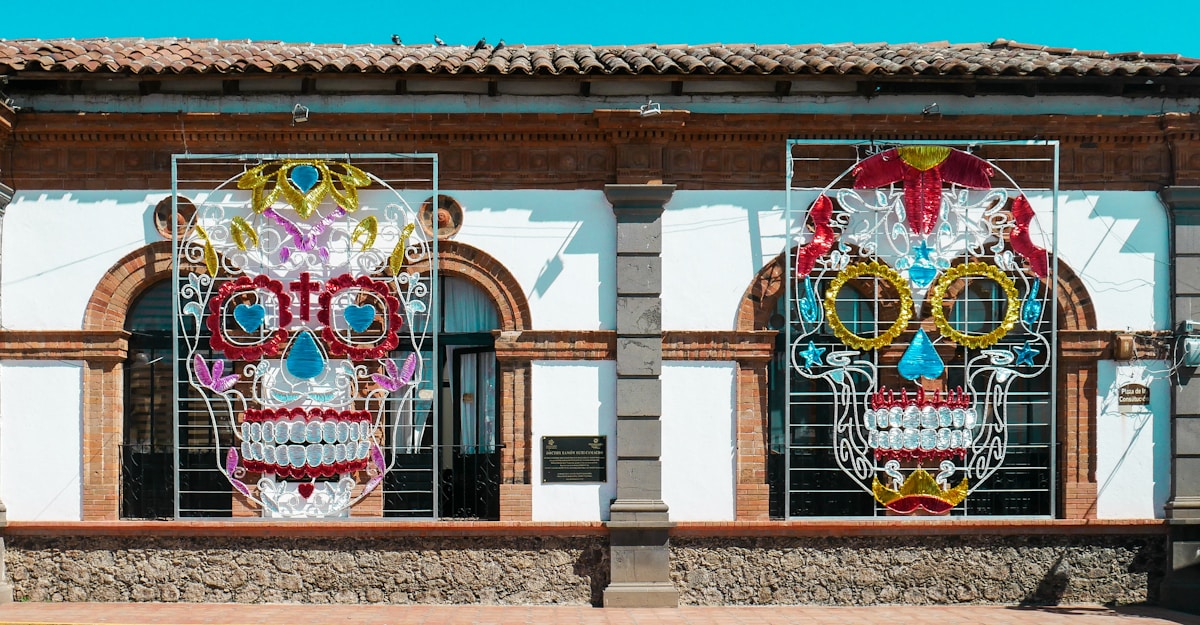
I’ll never forget the first time I attended Día de los Muertos in Oaxaca, Mexico. Walking through the candlelit cemetery at midnight, surrounded by families laughing, singing, and sharing meals at their ancestors’ graves, I realized I had completely misunderstood this celebration.
This wasn’t a somber mourning ritual. It was a joyful family reunion where death was treated not as an ending, but as a transformation. Children ran between tombstones eating sugar skulls while grandmothers told stories about the deceased, their voices full of love and laughter, not sadness.
Día de los Muertos (Day of the Dead) is one of Mexico’s most important cultural traditions, blending 3,000 years of Indigenous beliefs with Spanish Catholic influences. UNESCO recognizes it as an Intangible Cultural Heritage of Humanity. In this comprehensive guide, I’ll explain the true meaning, traditions, and regional variations of this profound celebration that honors death as part of life.
💡 Day of the Dead vs. Halloween: Key Difference
Halloween focuses on fearing death and the supernatural. Day of the Dead celebrates death as a natural part of life and welcomes deceased loved ones back for a reunion. While Halloween emerged from Celtic traditions of warding off evil spirits, Día de los Muertos comes from Indigenous Mexican beliefs that death is not the end, but a different phase of existence where ancestors continue to be part of the family.
The Ancient Origins: 3,000 Years of Honoring the Dead
Day of the Dead’s roots trace back to Aztec, Maya, and other Indigenous civilizations that flourished in Mexico long before Spanish colonization. These cultures viewed death fundamentally differently than Europeans.
Dr. Eduardo Matos Moctezuma, Mexico’s leading archaeologist and former director of the Templo Mayor Museum, explains: “For the Aztecs, death was not the end of life but a transition to Mictlán (the underworld) or other afterlife destinations depending on how one died. The living maintained relationships with the deceased through offerings and ceremonies.”
The Aztecs held month-long festivals honoring the dead, presided over by the goddess Mictecacíhuatl, known as the “Lady of the Dead.” These celebrations occurred in summer, around what is now early August. When Spanish conquistadors arrived in the 16th century, Catholic priests moved the festival to coincide with All Saints’ Day (November 1) and All Souls’ Day (November 2) to align Indigenous practices with Catholic holy days.
What Survived Spanish Colonization
Despite centuries of Spanish attempts to eliminate Indigenous traditions, core elements persisted:
- The belief that the dead return annually to visit living family members
- Ofrendas (altar offerings) of favorite foods, drinks, and personal items
- Marigold flowers (cempasúchil) whose scent guides spirits home
- Sugar skulls and skeleton imagery representing death without fear
- All-night cemetery vigils with music, food, and storytelling
What changed was the timing (moved to November 1-2) and the incorporation of Catholic elements like crosses, prayers, and church masses alongside Indigenous rituals.
📚 Historical Fact: The iconic skeleton figure “La Catrina,” now synonymous with Day of the Dead, was actually created in 1910 by Mexican political cartoonist José Guadalupe Posada to satirize upper-class Mexicans who copied European fashions. Artist Diego Rivera later popularized her in his 1947 mural “Dream of a Sunday Afternoon in Alameda Park,” cementing her as a cultural symbol.
The Multi-Day Timeline: When Spirits Return
Day of the Dead isn’t a single day, but a three-day celebration with specific meaning for each date:
| Date | Who Returns | Traditions |
|---|---|---|
| October 31 (5pm) | Deceased children (angelitos) | Families prepare ofrendas with toys, candy, milk, and sweets. White candles lit. |
| November 1 (noon) | Child spirits depart, adult spirits arrive | Ofrendas updated with alcohol, adult foods, cigarettes. Purple candles lit. |
| November 2 (full day) | All adult deceased | Cemetery visits, picnics at graves, mariachi music, all-night vigils |
| November 3 (morning) | Spirits depart | Families dismantle ofrendas, eat the food, say goodbye until next year |
The spiritual logic: Children’s spirits are pure and arrive first. Adult spirits arrive later and stay longer. Each group receives age-appropriate offerings. The living consume the offerings after spirits have absorbed their “essence,” completing the cycle of sharing between worlds.
Building an Authentic Ofrenda: The 7 Essential Levels
A traditional ofrenda is not just a table with photos. It’s a carefully constructed altar with symbolic layers representing the journey from earth to the afterlife.
The Seven Levels (Siete Niveles)
Traditional ofrendas have seven tiers representing the stages souls must pass through to reach the living world. Modern ofrendas often use three levels (earth, purgatory, heaven) or two (earth and heaven), but the most authentic follow this seven-level structure:
- Level 1 (Top): Image of a saint or religious figure – represents heaven
- Level 2: Dedicated to souls in purgatory – helps them ascend
- Level 3: Salt – symbolizes purification and body preservation
- Level 4: Pan de muerto (bread of the dead) – sustenance for the journey
- Level 5: Favorite foods and drinks of the deceased
- Level 6: Photos and personal items of the deceased
- Level 7 (Bottom): Crosses made of ash or seeds – earth/mortality
The Essential Ofrenda Elements
| Element | Symbolism | Specific Details |
|---|---|---|
| Marigolds (Cempasúchil) | Guide spirits home with scent and color | Create petal paths from door to ofrenda. Orange/yellow petals represent sun and life. |
| Candles (Velas) | Light the way for returning souls | White for children, purple for adults. One candle per deceased person honored. |
| Water | Quenches thirst after long journey | Glass of clean water, refreshed daily during the celebration. |
| Salt | Purification, protects from corruption | Bowl of salt placed on level 3 or formed into a cross. |
| Copal Incense | Sacred smoke connects earth to spirit realm | Burn in clay brazier. Indigenous tradition predating Catholicism. |
| Pan de Muerto | Bread representing the deceased | Round shape = skull, strips = bones, orange blossom flavor, sugar coating. |
| Sugar Skulls (Calaveras) | Death is sweet, not bitter | Decorated with icing, names of deceased written on foreheads. |
| Photos | Identify which spirits are invited | Recent photos preferred. Facing outward so spirits recognize themselves. |
| Personal Items | Remind spirits of their earthly life | Favorite objects: glasses, books, tools, jewelry, rosaries. |
| Favorite Foods | Nourishment and comfort for spirits | Specific dishes the person loved: mole, tamales, favorite drinks, cigarettes. |
🚫 Common Mistake: Using Halloween decorations (fake blood, horror imagery, screaming skeletons) for Day of the Dead. This misses the entire point. Day of the Dead skeletons are smiling, dancing, celebrating. They’re dressed in formal clothes, playing instruments, having picnics. Death is portrayed as a continuation of life, not something scary. Horror imagery is completely contrary to the tradition’s meaning.
Regional Variations Across Mexico
Day of the Dead celebrations vary dramatically by region, reflecting Mexico’s cultural diversity:
Oaxaca: The Most Traditional Celebration
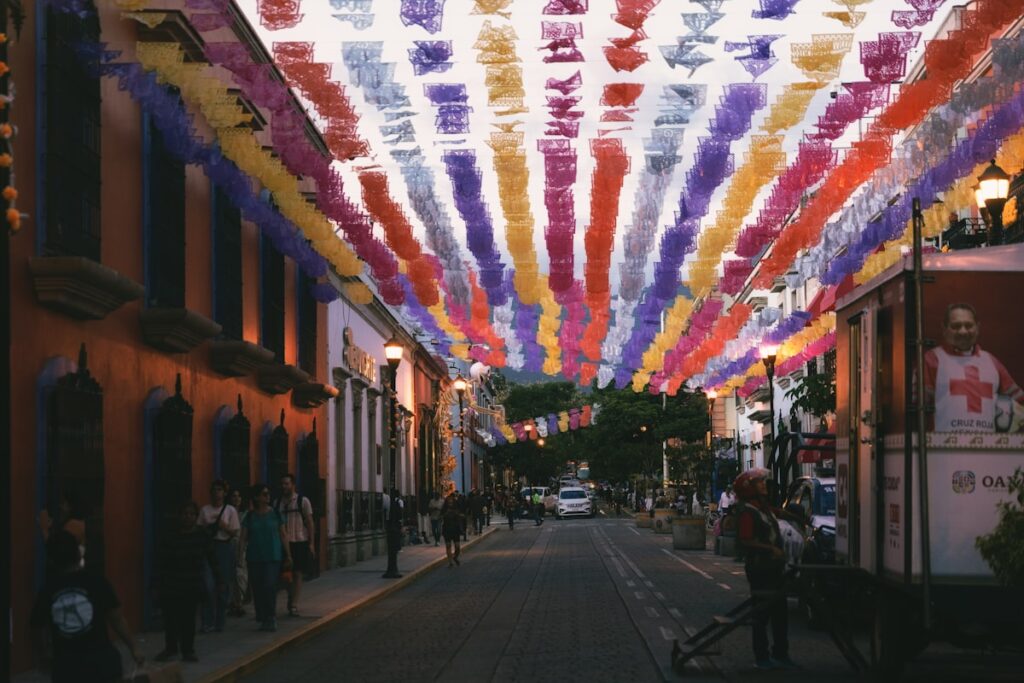
Oaxaca maintains the most Indigenous traditions. Families spend October 31 to November 2 in cemeteries, cleaning graves, creating elaborate sand tapestries (tapetes de arena), and holding all-night vigils with live music. The Zapotec Indigenous communities continue pre-Hispanic rituals alongside Catholic elements.
Pátzcuaro, Michoacán: The Island Cemetery Vigil
On Janitzio Island in Lake Pátzcuaro, Indigenous Purépecha people paddle wooden boats to the island cemetery carrying candles and offerings. Thousands of candles illuminate the entire hillside cemetery at night, creating a breathtaking scene visible from the mainland. This is one of Mexico’s most photographed Day of the Dead celebrations.
Mexico City: Urban Modern Celebration
The capital blends traditional and contemporary. The massive Día de Muertos parade (started in 2016 after the James Bond film “Spectre”) features giant skeleton puppets, dancers, and floats. Museums host ofrenda exhibitions. Families visit Panteón Civil de Dolores cemetery to picnic at family graves.
Yucatán: Hanal Pixán (Food of the Souls)
The Mayan communities of Yucatán call it Hanal Pixán. They prepare mucbipollo (chicken tamales baked underground in banana leaves) and set tables with the deceased’s favorite foods. Black beans, a staple in Yucatecan cuisine, are considered essential offerings.
Frequently Asked Questions
▼
No, they’re fundamentally different. Halloween (October 31) is about fearing death and warding off evil spirits. Day of the Dead (November 1-2) celebrates death as part of life and welcomes deceased loved ones home for a joyful reunion. Halloween emerged from Celtic traditions; Day of the Dead comes from 3,000 years of Indigenous Mexican beliefs. While both occur in early November, their meanings and traditions are completely distinct.
▼
Yes, if done with cultural understanding and respect. Respectful participation means learning the tradition’s history and meaning, not just using skeleton imagery as decoration. Do: Build an authentic ofrenda for your deceased loved ones, attend community celebrations, support Mexican artisans. Don’t: Wear sugar skull makeup as a costume, use sacred imagery for parties, call it a “Mexican Halloween.” Remember: This is a sacred ritual, not a theme party.
▼
No, it’s primarily Mexican. While other Latin American countries observe All Saints’ Day and All Souls’ Day (Catholic holidays), the specific traditions of ofrendas, marigolds, sugar skulls, and cemetery vigils are distinctly Mexican. Guatemala has similar Indigenous traditions (flying giant kites to communicate with the dead). Ecuador and Bolivia have cemetery visits with food offerings. But the elaborate multi-day celebration Americans recognize as “Day of the Dead” is uniquely Mexican, particularly from Oaxaca, Michoacán, and Central Mexico.
▼
The family eats it. According to tradition, spirits consume the “essence” or “aroma” of the food, but the physical food remains. On November 3, families dismantle ofrendas and share the offerings as meals. The food is considered blessed by the spirits’ visit. Pan de muerto is particularly popular to eat fresh the day after. Nothing goes to waste; sharing food connects the living to the deceased and to each other.
▼
Because death is seen as a transformation, not an ending. In Indigenous Mexican cosmology, the dead continue to exist in another realm where they dance, celebrate, and participate in life events. The colorfully dressed skeletons (calacas) and La Catrina reflect this belief that death is simply another phase of existence. Depicting skeletons engaged in everyday activities (working, partying, playing music) shows that life and death are interconnected, not opposites. It’s a rejection of death as something to fear.
▼
Context matters greatly. In Mexico during Day of the Dead, dressing as La Catrina (elegant skeleton makeup and Victorian dress) is common and celebratory, especially in parades and community events. However, wearing La Catrina makeup as a “costume” for Halloween parties outside cultural context is considered cultural appropriation by many Mexicans. If you’re participating in actual Day of the Dead traditions with understanding and respect, it can be appropriate. If you’re using it as party decoration without understanding, it’s disrespectful.
▼
Marigolds (cempasúchil) have been sacred in Mexican culture for 3,000 years. The Aztecs believed their vibrant orange-yellow color and strong scent represented the sun and could guide spirits on their journey from the underworld to the land of the living. The petals are scattered from graves to home altars, creating fragrant paths for spirits to follow. Their blooming season (October-November) naturally coincides with Day of the Dead. No other flower can substitute; the tradition specifically requires marigolds for their symbolic and practical properties.
▼
It’s become more commercialized but also more protected. The James Bond film “Spectre” (2015) invented a massive Mexico City parade that didn’t traditionally exist; the city now holds it annually due to tourism demand. American Halloween decorations increasingly mix with authentic traditions, concerning cultural preservationists. However, UNESCO’s 2008 recognition as Intangible Cultural Heritage has increased protection and education efforts. Young Mexicans are reclaiming traditions that urbanization nearly erased. The core meaning persists, but expression varies between traditional rural communities and modern urban celebrations.
How to Experience Day of the Dead Authentically
If you want to experience Day of the Dead beyond books and films, here’s how to do it respectfully:
Best Places to Experience the Tradition
| Location | What Makes It Special | Best For |
|---|---|---|
| Oaxaca City | Most traditional, Indigenous Zapotec customs intact | Authentic cultural immersion |
| Pátzcuaro, Michoacán | Stunning island cemetery, candlelit night vigils | Photographers, romantic experience |
| Mixquic, Mexico State | Ancient traditions near Mexico City, accessible | First-timers wanting tradition + convenience |
| San Miguel de Allende | Artistic interpretation, expat-friendly | Art lovers, comfort-focused travelers |
Etiquette for Visitors
- Ask before photographing: Especially at graves and private ofrendas. This is a sacred family moment, not a tourist attraction.
- Stay quiet in cemeteries: Observe respectfully. You’re welcome to watch, but don’t disrupt family gatherings.
- Don’t touch ofrendas: These are sacred spaces. Look, but never touch food, candles, or offerings.
- Support local artisans: Buy authentic sugar skulls, papel picado, and crafts from Mexican makers, not mass-produced imports.
- Learn basic Spanish phrases: “Con permiso” (excuse me), “¿Puedo tomar una foto?” (may I take a photo?), “Hermoso” (beautiful) show respect.
✨ Most Important Takeaway: Day of the Dead isn’t about death being sad or scary. It’s about death being natural, and love being eternal. Mexican families don’t mourn during these days; they celebrate that the bond with deceased loved ones continues beyond physical death. That’s why there’s laughter in cemeteries and sugar skulls are brightly colored. This is a love story between the living and the dead, not a horror story.
Building Your Own Ofrenda: Step-by-Step Guide
Whether you’re in Mexico or elsewhere, you can honor this tradition by creating an ofrenda for your deceased loved ones:
What you’ll need:
- Table or shelf space (three levels ideal: use boxes under fabric to create tiers)
- Purple or dark tablecloth
- Photos of deceased loved ones
- Marigolds (fresh or paper if unavailable)
- White and purple candles
- Glass of water
- Small bowl of salt
- Pan de muerto (or sweet bread)
- Their favorite foods and drinks
- Personal items that remind you of them
- Copal incense or similar (optional)
Assembly instructions:
- Cover your table with dark fabric; create three levels using sturdy boxes
- Place religious image or photo at the highest point (heaven/spiritual realm)
- Arrange photos of deceased on middle level, facing outward
- Create marigold petal path from your door to the ofrenda
- Light one candle per person honored (white for children, purple for adults)
- Place water glass, salt bowl, and bread on the altar
- Add their favorite foods (prepared or packaged)
- Include personal items: glasses, jewelry, books, tools
- Burn incense if available
- Speak to your loved ones; tell them about your year; invite them home
Day of the Dead teaches us that death is not the end of relationship, memory, or love. By honoring those who came before us, we acknowledge that we’re part of a continuous thread of life that extends beyond individual existence. In a culture that often avoids discussing death, Mexico offers a profound alternative: celebrate death as part of life, and keep your loved ones alive through memory, tradition, and love.
About Elena García
Elena is a cultural anthropologist specializing in Mexican Indigenous traditions and Day of the Dead celebrations. She holds a PhD in Mesoamerican Studies from UNAM (National Autonomous University of Mexico) and has conducted fieldwork in Oaxaca, Michoacán, and Yucatán documenting regional variations of death rituals. Her book “Living with Death: Contemporary Day of the Dead Traditions” was published by University of Texas Press in 2024.
Share
Topics
You may also like
Spanish Colors: Complete Vocabulary Guide with Cultural Meanings & Memory Tricks

Get the Inside Scoop