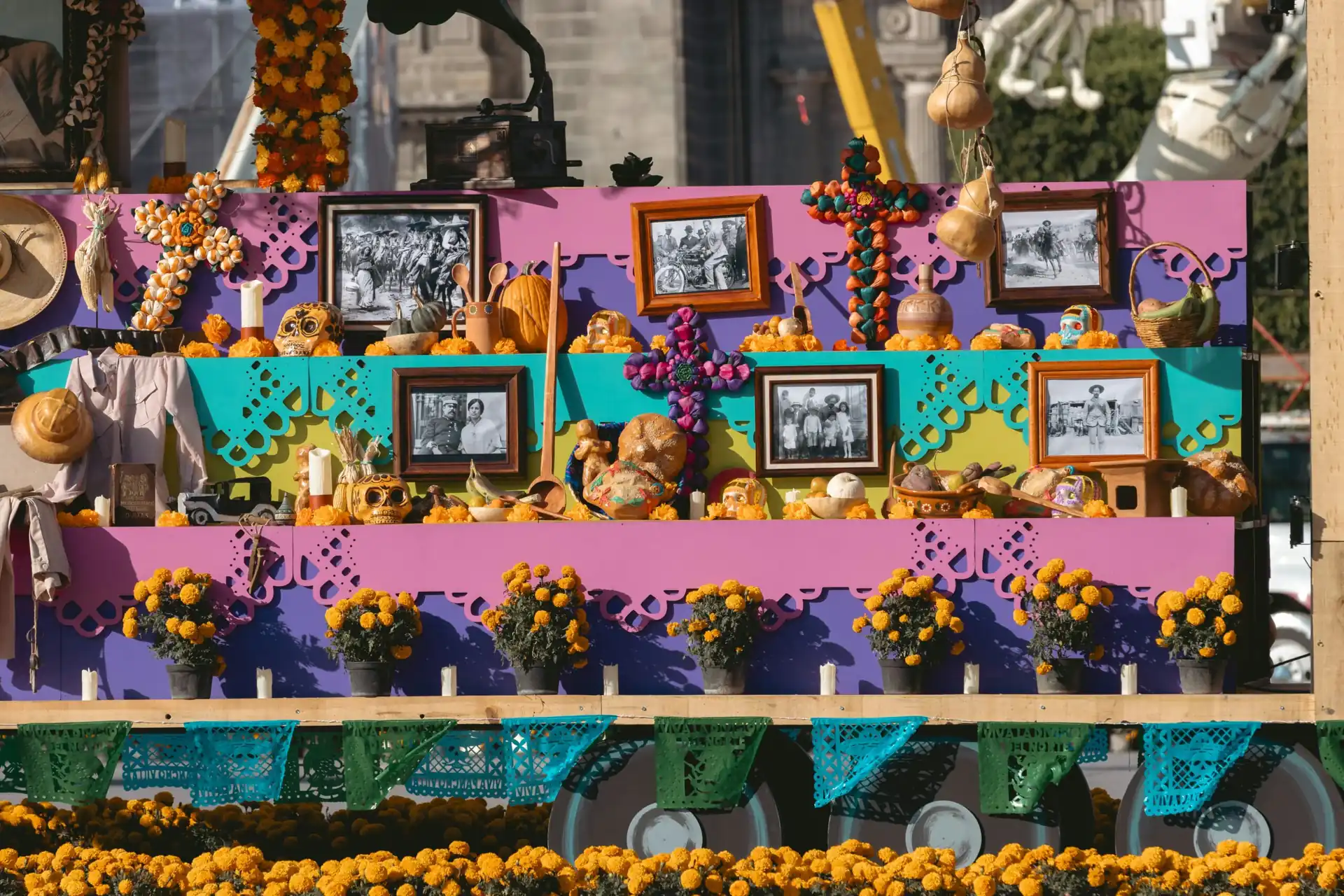
✍️ Written by: Carmen Elena Mendoza | Cultural Anthropologist & Hispanic Traditions Expert
Carmen has spent 15 years documenting Day of the Dead traditions across Mexico, from Michoacán to Oaxaca.
Día de los Muertos is not about mourning. It’s about celebrating life. Every year on November 1st and 2nd, families across Mexico gather to honor loved ones who have passed away. They build colorful altars, share favorite foods, and tell stories that keep memories alive.
This guide explains everything you need to know about the Day of the Dead. You’ll learn its ancient origins, how to build an altar, and ways to join the celebration respectfully. Whether you’re planning to visit Mexico or want to honor your own ancestors, this guide will help you understand this beautiful tradition.
📌 Quick Facts: UNESCO added Día de los Muertos to its Intangible Cultural Heritage list in 2008. This recognition highlights its importance to Mexican identity and world culture.
What Is Día de los Muertos?
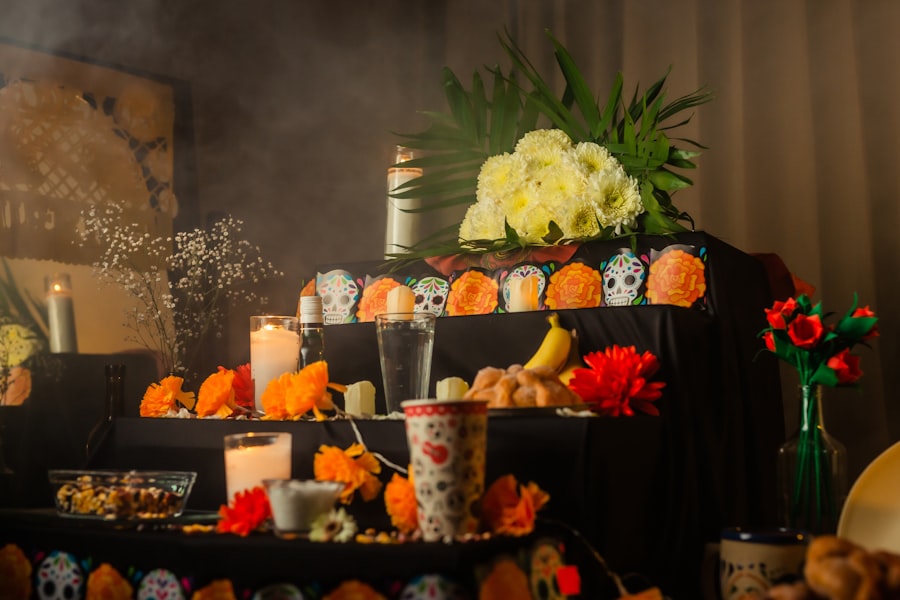
Día de los Muertos, or Day of the Dead, is a Mexican holiday that honors deceased loved ones. Families believe the souls of the dead return home during this time. They welcome them with food, music, and decorated altars called ofrendas.
The celebration happens over two days:
- November 1st (Día de los Inocentes): Honors children who have passed away
- November 2nd (Día de los Muertos): Honors adults who have passed away
This is not a sad occasion. Mexican families see death as a natural part of life’s journey. The holiday celebrates the lives of those who came before. It keeps their memory alive through stories, food, and togetherness.
The Ancient Origins of Day of the Dead
Día de los Muertos has roots going back 3,000 years. Ancient civilizations in Mexico saw death differently than many cultures today. They believed death was not an ending but a continuation.
Aztec and Indigenous Roots
The Aztecs honored the dead for an entire month. They dedicated this time to Mictecacihuatl, the goddess of death. She was known as the “Lady of the Dead” and watched over the bones of the deceased.
The Aztecs believed souls traveled to Mictlán, the land of the dead. This journey took four years. Families left offerings to help their loved ones on this path.
Spanish Colonial Influence
When Spanish conquistadors arrived in the 1500s, they brought Catholic traditions. The Church observed All Saints’ Day on November 1st and All Souls’ Day on November 2nd. Over time, indigenous and Catholic practices blended together.
This mixing created the Día de los Muertos we know today. It keeps the indigenous belief that death is natural. It also includes Catholic elements like prayers and crosses. The result is a unique celebration found nowhere else in the world.
How to Build an Altar (Ofrenda): Step-by-Step Guide
The ofrenda is the heart of Día de los Muertos. This decorated altar welcomes returning souls. Each element has special meaning. Here’s how to create one.
🎨 Ofrenda Elements Guide
🌸 ESSENTIAL ITEMS
🌼 Marigolds (guide souls home)
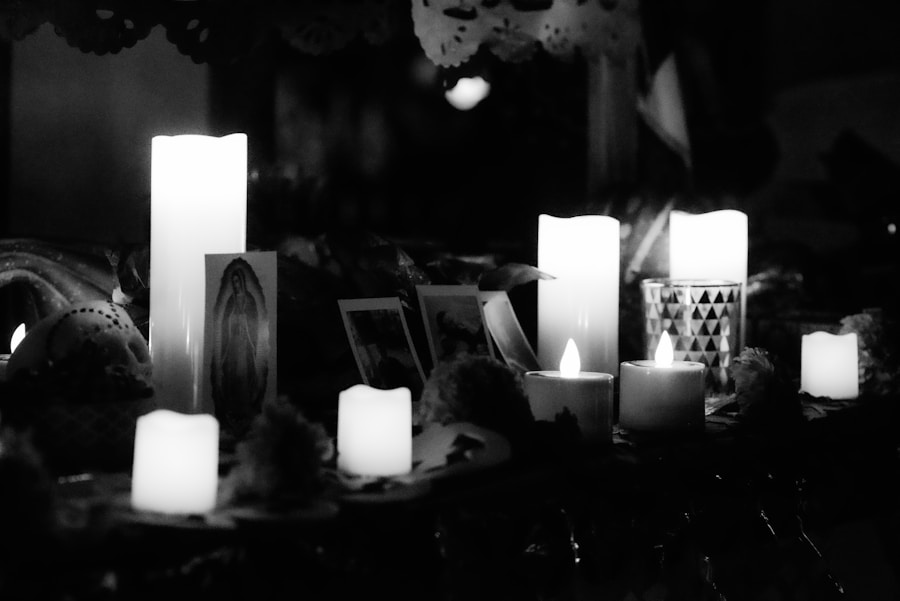
🕯️ Candles (light the way)
📷 Photos (honor the deceased)
💀 Sugar skulls (represent death)
🍞 Pan de muerto (bread offering)
🎁 PERSONAL OFFERINGS
🍲 Favorite foods (meals they loved)
🍺 Drinks (water, coffee, alcohol)
👔 Personal items (belongings, toys)
✝️ Cross or religious items
📜 Letters or poems
💡 Tip: There’s no wrong way to build an ofrenda. The most important thing is love and remembrance.
Step 1: Choose Your Space
Pick a table, shelf, or corner of a room. Many families use a table covered with a white cloth. The altar can have one level or several tiers. Traditional ofrendas have two or three levels.
Step 2: Add Photos and Personal Items
Place photos of your loved ones at the center. Add items that belonged to them. This might include jewelry, tools, books, or toys. These objects help the soul feel welcomed home.
Step 3: Include the Four Elements
Traditional ofrendas represent earth, wind, water, and fire:
- Earth: Food offerings and seeds
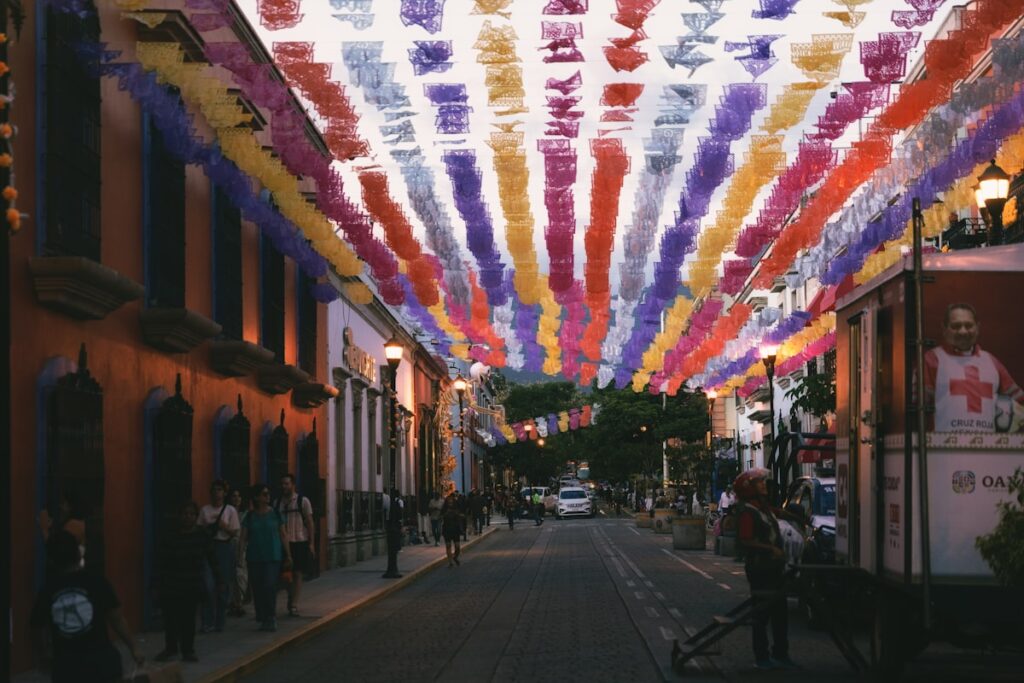
- Wind: Papel picado (cut paper banners) that move in the breeze
- Water: A glass of water for thirsty souls
- Fire: Candles to light the way home
Step 4: Add Marigolds (Cempasúchil)
Marigolds are called “flowers of the dead.” Their bright orange color and strong scent guide souls to the altar. Scatter petals from the door to the ofrenda. This creates a path for spirits to follow.
Step 5: Offer Food and Drinks
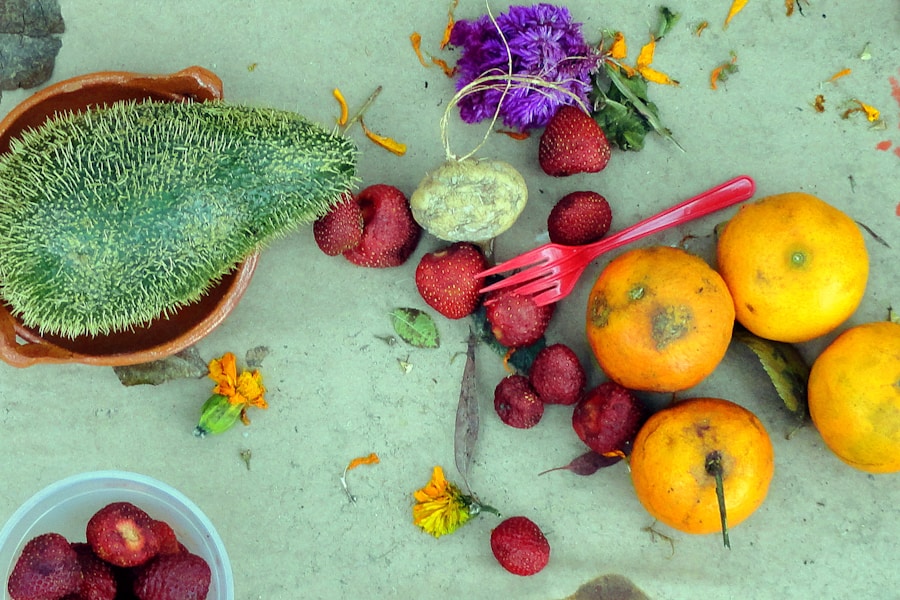
Include foods your loved ones enjoyed in life. This might be tamales, mole, fruit, or candy. Always include pan de muerto, a sweet bread made for the holiday. Add drinks like water, coffee, or their favorite beverage.
Key Symbols and Their Meanings
Every symbol in Día de los Muertos carries deep meaning. Understanding them helps you appreciate the tradition fully.
Sugar Skulls (Calaveras de Azúcar)
These colorful skulls represent death without fear. Families write the names of deceased loved ones on the foreheads. Children often eat candy skulls with their own names. This teaches them that death is natural and not scary.
La Catrina
La Catrina is an elegant skeleton woman in fancy clothes. Artist José Guadalupe Posada created her in the early 1900s. She reminds us that death comes for everyone, rich or poor. Today, people dress as La Catrina during celebrations.
Monarch Butterflies
Monarch butterflies arrive in Mexico each fall. They come from the United States and Canada. Many Mexicans believe these butterflies carry the souls of the dead. Their arrival coincides perfectly with Día de los Muertos.
How Mexico Celebrates: Regional Traditions
Celebrations vary across Mexico. Each region adds its own customs. Here are some notable traditions.
Michoacán: Lake Pátzcuaro
This region has some of the oldest traditions. Families spend the night in cemeteries with their loved ones. They bring food, candles, and music. The island of Janitzio becomes a sea of candlelight on November 1st.
Oaxaca: Comparsa Parades
Oaxaca hosts large street parades called comparsas. People dress in costumes and paint their faces. Brass bands play traditional music. The parades end at cemeteries where families gather.
Mexico City: Mega Desfile
Since 2016, Mexico City has held a massive parade. Giant puppets, floats, and thousands of participants fill the streets. This modern tradition was inspired by the James Bond film “Spectre.” It now attracts millions of visitors.
Traditional Foods of Día de los Muertos
Food plays a central role in the celebration. Families prepare special dishes to share with both the living and the dead.
🍽️ Traditional Foods Guide
🍞 ESSENTIAL DÍA DE LOS MUERTOS FOODS
- Pan de Muerto: Sweet bread with bone-shaped decorations on top. The round shape represents the cycle of life.
- Sugar Skulls: Candy skulls made from sugar paste. Often decorated with bright icing and foil.
- Mole: Rich sauce made with chocolate, chilies, and spices. Served over chicken or turkey.
- Tamales: Corn dough filled with meat or beans, wrapped in corn husks.
- Atole: Warm corn-based drink. Often flavored with cinnamon or chocolate.
- Calabaza en Tacha: Candied pumpkin cooked in brown sugar syrup.
How to Participate Respectfully
Día de los Muertos welcomes everyone who approaches it with respect. Here’s how to honor the tradition properly.
Do:
- Learn the meaning: Understand that this honors real people and real grief
- Create your own ofrenda: Honor your own ancestors or loved ones
- Attend public events: Many cities host festivals open to everyone
- Ask questions respectfully: Most people love sharing their traditions
- Support Mexican artists: Buy authentic crafts from Mexican creators
Don’t:
- Confuse it with Halloween: They are different holidays with different meanings
- Use it as a costume: Face paint should honor, not mock, the tradition
- Commercialize carelessly: Respect the spiritual significance
- Take photos without asking: Especially at private family altars or graves
Día de los Muertos Around the World
The holiday has spread beyond Mexico. Communities worldwide now celebrate in their own ways.
United States
Mexican-American communities have celebrated for generations. Cities like Los Angeles, San Antonio, and Chicago host large public events. Museums and cultural centers often display community altars.
Other Countries
Similar traditions exist in other Latin American countries. Guatemala, Ecuador, and Bolivia have their own Day of the Dead customs. The Philippines celebrates “Undas” with family visits to cemeteries.
Planning a Visit to Mexico for Día de los Muertos
Experiencing the holiday in Mexico is unforgettable. Here’s what you need to know.
Best Places to Visit
- Pátzcuaro, Michoacán: Most traditional celebrations. Book months ahead.
- Oaxaca City: Vibrant parades and markets. Great food scene.
- Mexico City: Massive parade and events. Most accessible for tourists.
- Mixquic: Authentic village celebration near Mexico City.
Travel Tips
- Book early: Hotels fill up months in advance
- Learn basic Spanish: Our essential phrases guide will help
- Respect private moments: Cemetery visits are for families first
- Dress warmly: November nights can be cold
- Try the food: Pan de muerto is only available this time of year
Frequently Asked Questions
Is Día de los Muertos the same as Halloween?
When is Día de los Muertos celebrated?
Can non-Mexicans celebrate Día de los Muertos?
What do you put on a Día de los Muertos altar?
Why are marigolds used for Day of the Dead?
What is the meaning of sugar skulls?
Keeping Memories Alive
Día de los Muertos teaches us something powerful. Death doesn’t have to mean forgetting. Through stories, food, and gathering together, we keep our loved ones close. Their memory lives on in the traditions we share.
Whether you have Mexican heritage or not, you can honor those you’ve lost. Build an altar. Share their favorite meal. Tell their stories. This is what Día de los Muertos is truly about: love that doesn’t end.
💐 HONOR YOUR LOVED ONES THIS YEAR
- Gather photos of those you want to remember
- Set up a small altar in your home
- Cook or buy their favorite foods
- Light a candle and share stories about them
- Keep their memory alive through love
Want to learn more about Hispanic culture? Explore our complete guide to Hispanic traditions and celebrations. Planning to visit Mexico? Start with essential Spanish phrases for travelers.
Sources: This article draws from UNESCO’s Intangible Cultural Heritage documentation, the National Institute of Anthropology and History (INAH), and traditional practices observed in Michoacán, Oaxaca, and Mexico City.