Flamenco, Passion & History: A Deep Dive into Spain’s Soul [2026]
Key Takeaway: Flamenco is far more than dance—it’s a complete art form expressing the deepest human emotions through movement, music, and song. Understanding its history and cultural significance transforms how you experience this UNESCO-recognized treasure of Spain.
When the guitarist strikes the first chord and the dancer’s heels begin their thunderous conversation with the floor, something ancient awakens. Flamenco is not merely entertainment—it’s a raw expression of joy, sorrow, defiance, and love that has captivated audiences for centuries.
In 2010, UNESCO declared flamenco a Masterpiece of the Oral and Intangible Heritage of Humanity. But to truly understand flamenco, you must look beyond the polka-dotted dresses and tourist shows. This is the story of Spain’s soul—a rich Hispanic cultural tradition born from centuries of struggle, survival, and artistic expression.
What Is Flamenco? More Than Just Dance
Flamenco is a Spanish art form combining cante (singing), baile (dance), and toque (guitar playing). Originating in Andalusia from the cultural fusion of Roma, Moorish, Jewish, and indigenous Andalusian traditions, flamenco expresses the full spectrum of human emotion through its distinctive rhythms, passionate movements, and soulful vocals.
Unlike ballet or contemporary dance, flamenco doesn’t tell a story through choreography. Instead, it channels pure emotion. A performer might express alegría (joy), pena (sorrow), or rabia (rage)—sometimes all within a single performance.
The interplay between musicians and dancers is improvised yet follows strict rhythmic structures called compás. This creates the electric tension that makes live flamenco so compelling.
The History of Flamenco: From Marginalized Art to World Heritage
Flamenco’s origins are wrapped in mystery, but most historians agree it emerged in 18th-century Andalusia from the cultural melting pot of southern Spain.
Key Historical Periods
| Era | Period | Significance |
|---|---|---|
| Pre-Flamenco | Before 1780 | Cultural elements developing separately |
| Hermetic Period | 1780-1850 | Private family gatherings, forge songs |
| Café Cantante Era | 1850-1915 | Public performances, professionalization |
| Opera Flamenca | 1915-1955 | Commercial success, some purists critical |
| Renaissance & Fusion | 1955-Present | Return to roots + modern innovation |
For much of its history, flamenco was marginalized—performed in private homes, caves, and later, cafés. The artists were often from persecuted communities. This history of struggle and resilience infuses flamenco with its emotional depth.
The Three Pillars of Flamenco
Cante (Song)
The emotional heart of flamenco. Raw, guttural vocals express deep feelings through traditional lyrics.
Baile (Dance)
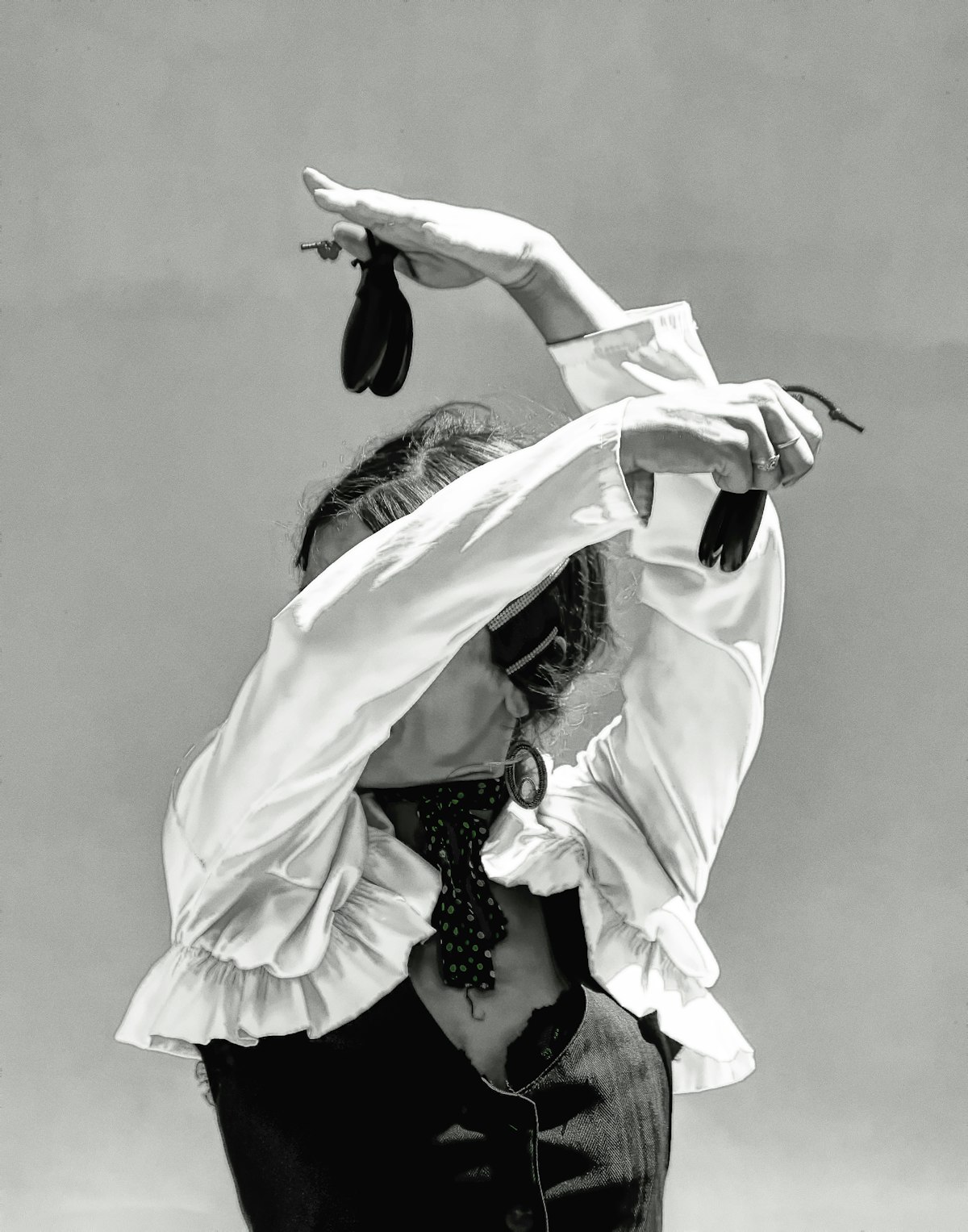
Powerful footwork (zapateado), graceful arm movements, and intense facial expressions.
Toque (Guitar)
The rhythmic foundation. Flamenco guitar uses unique techniques like rasgueados and picados.
These elements work together in spontaneous dialogue. The guitarist responds to the singer’s emotion; the dancer interprets the music through movement. Supporting elements include palmas (rhythmic hand clapping), jaleo (encouraging shouts like “¡Olé!”), and cajón (percussion box).
Types of Flamenco: Understanding the Palos
Flamenco encompasses over 50 distinct palos (styles), each with its own rhythm, mood, and tradition. Here are the most important ones:
Serious & Profound (Cante Jondo)
- Soleá — The “mother” of flamenco, deeply melancholic
- Seguiriya — Most tragic, expressing grief and death
- Martinete — Sung without guitar, forge songs
Festive & Joyful (Cante Chico)
- Alegrías — Joyful, celebratory, from Cádiz
- Bulerías — Fast, playful, most common at parties
- Tangos — Upbeat, rhythmic, not to be confused with Argentine tango
💡 Pro Tip: If you’re new to flamenco, start by listening to Bulerías and Alegrías—they’re more accessible. Once you connect with the rhythm, explore the deeper cante jondo styles.
Understanding Duende: The Soul of Performance
No discussion of flamenco is complete without duende—a concept so essential yet impossible to fully define. The great poet Federico García Lorca wrote extensively about it:
“The duende is a power and not a behavior, it is a struggle and not a concept… It is not a question of ability, but of real live form; of blood; of ancient culture.”
— Federico García Lorca
Duende is that magical moment when technique gives way to raw authenticity—when the performer transcends their training and channels something primal. You cannot fake it. You can only create the conditions for it to appear.
Where to Experience Authentic Flamenco
While tourist tablaos offer accessible shows, seeking out more intimate venues reveals flamenco’s true power. Here are your best options:
In Spain
- Seville — The heart of flamenco. Visit during the Bienal de Flamenco festival
- Granada — Cave performances in Sacromonte neighborhood
- Jerez de la Frontera — Birthplace of many legendary artists
- Madrid — Casa Patas and Corral de la Morería for quality shows
For the deepest cultural immersion, combine your flamenco experience with learning about Spanish daily customs and traditions.
Learning Flamenco: Getting Started
Flamenco is challenging but deeply rewarding. Here’s how to begin:
Your Flamenco Learning Path
-
1
Listen & Watch
Immerse yourself in performances
-
2
Learn Compás
Master the rhythmic foundation
-
3
Find a Teacher
In-person instruction essential
-
4
Practice Daily
Consistency builds skill
If you’re learning Spanish alongside flamenco, you’ll discover that the language and the art form enrich each other. Understanding the lyrics of cante adds profound depth to the experience. Check out our 90-day fluency roadmap to build your Spanish skills.
Frequently Asked Questions
What is flamenco and where did it originate?
Flamenco is a passionate art form originating from Andalusia, southern Spain. It combines cante (singing), baile (dance), and toque (guitar playing). It emerged in the 18th century from the cultural fusion of Roma (Gitano), Moorish, Jewish, and Andalusian influences.
What are the main elements of flamenco?
Flamenco has three core elements: cante (singing) – the emotional heart; baile (dance) – expressive footwork and body movements; and toque (guitar) – the rhythmic foundation. Additional elements include palmas (hand clapping), jaleo (shouts of encouragement), and cajón (percussion box).
Is flamenco the same as Spanish dancing?
No. While flamenco is Spain’s most famous dance form, Spain has many regional dances including Sevillanas, Jota, Sardana, and Fandango. Flamenco specifically comes from Andalusia and has distinct characteristics that set it apart from other Spanish folk dances.
Can anyone learn flamenco?
Yes! While mastering flamenco takes years of dedicated practice, anyone can begin learning. Many cities worldwide have flamenco schools. Beginners typically start with basic footwork (zapateado), hand movements, and understanding compás (rhythm). The key is finding a qualified teacher and practicing consistently.
What is duende in flamenco?
Duende is the mysterious, almost supernatural quality that transforms a good flamenco performance into a transcendent experience. It’s described as a moment of deep emotional authenticity where the artist channels raw passion. Federico García Lorca famously wrote that duende “burns the blood like powdered glass.”
Continue Your Spanish Cultural Journey
Flamenco is just one facet of Spain’s rich cultural tapestry. Explore more:
Written by Elena Garcia
Elena is a bilingual content creator and translator specializing in Spanish-English language education. She runs a popular YouTube channel with 100K+ subscribers dedicated to Spanish learning.
Share
Topics
You may also like

Spanish Colors: Complete Vocabulary Guide with Cultural Meanings & Memory Tricks


Get the Inside Scoop