Learn Spanish: The Complete Guide to Getting Started [2026]
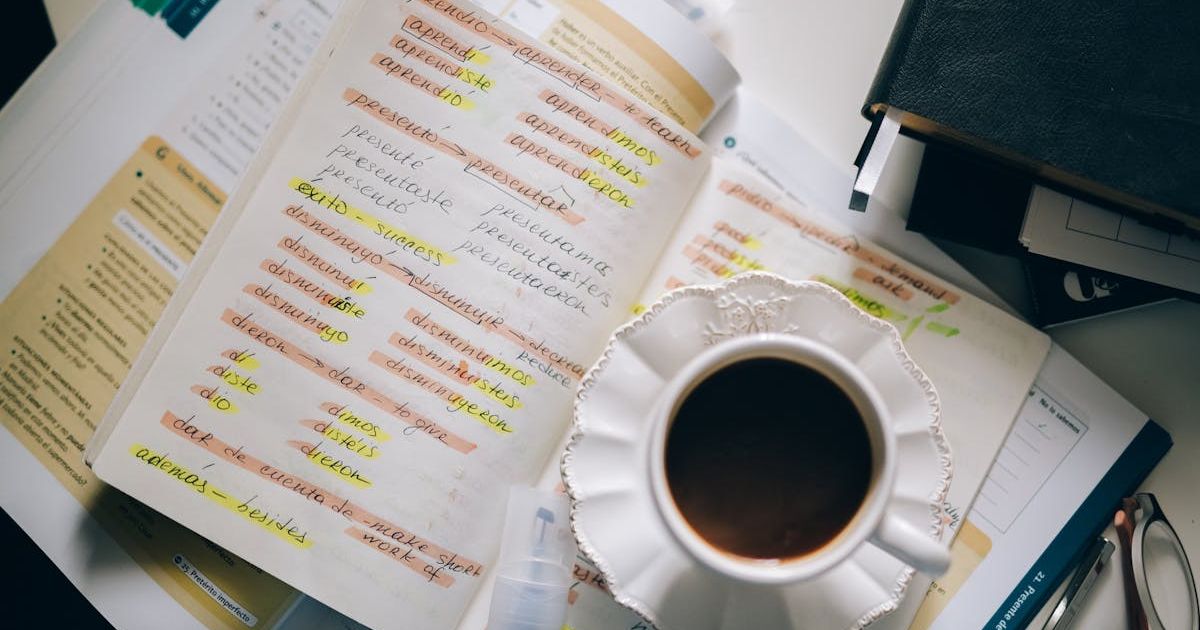
Key Takeaway, Learning Spanish is one of the most rewarding skills you can develop in 2026. With 500+ million speakers worldwide, consistent daily practice of just 20-30 minutes, and the right combination of methods, you can hold real conversations within 3-6 months.
Here’s something that might surprise you. Spanish is the fourth most spoken language on Earth, with over 500 million native speakers across 20 countries. And the demand for Spanish speakers in the job market has grown by 30% in the last five years alone.
Yet most people who decide to learn Spanish give up within the first three months. Not because the language is too difficult. Because they never had a clear plan.
This guide changes that. Whether you are a complete beginner or someone who tried before and stalled, you will find a practical roadmap here. No fluff, no vague advice. Just the strategies that actually work, backed by research and tested by thousands of learners.
If you are wondering how long it takes to learn Spanish, the short answer is, faster than you think. Let’s get started.
Why Learn Spanish in 2026?
Forget what you have heard about Spanish being “just a hobby language.” In 2026, speaking Spanish is a career advantage, a travel superpower, and a cognitive boost all rolled into one.
Source. Instituto Cervantes, 2025 Annual Report
Spanish opens doors across Latin America, Spain, and the growing Hispanic communities in the United States. According to the U.S. Census Bureau, over 41 million Americans speak Spanish at home, making it the second most spoken language in the country.
Beyond career opportunities, research from the University of Edinburgh shows that bilingual individuals demonstrate better problem-solving skills, improved memory, and delayed onset of cognitive decline. Learning Spanish is not just practical. It literally makes your brain stronger.
“One language sets you in a corridor for life. Two languages open every door along the way.”
Is Spanish Hard to Learn?
Great news. Spanish is one of the easiest languages for English speakers to pick up. The Foreign Service Institute (FSI) classifies Spanish as a Category I language. That means it requires the least amount of study time compared to languages like Mandarin, Arabic, or Japanese.
Spanish difficulty for English speakers, The FSI estimates 600-750 class hours to reach professional working proficiency in Spanish. That is roughly 24-30 weeks of intensive study. Compare this to 2, 200+ hours for Mandarin or Arabic. Spanish shares thousands of cognates with English (words that look and mean the same thing), uses the familiar Latin alphabet, and follows consistent pronunciation rules.
Here is why Spanish feels approachable from day one,
- Cognates everywhere, Words like importante, familia (fah-MEE-lyah), chocolate, and problema are nearly identical to English
- Phonetic spelling, Spanish is pronounced exactly as it is written, unlike English with its silent letters and irregular rules
- Predictable grammar patterns, Once you learn verb conjugation patterns, you can apply them to thousands of verbs
- Massive exposure, Spanish music, shows, and content are everywhere, giving you built-in immersion opportunities
That said, Spanish does have its tricky spots. The ser vs estar distinction (two verbs for “to be”) trips up most beginners. The subjunctive mood takes time to internalize. And rolling your R’s requires practice. But none of these are dealbreakers.
Your First Steps to Learn Spanish
Forget trying to memorize a textbook cover to cover. The 80/20 rule applies here. About 20% of Spanish vocabulary shows up in 80% of everyday conversations. Your job is to nail that 20% first.
Week 1-2: Build Your Foundation
Start with the basics that let you function immediately,
- Learn the Spanish alphabet and pronunciation rules, Spanish has 27 letters. The extra one is ñ (EN-yay). Every vowel has one consistent sound. Master this and you can pronounce any Spanish word.
- Memorize 50 essential phrases, Start with greetings like hola (OH-lah), buenos dias (BWAY-nohs DEE-ahs), and gracias (GRAH-syahs). Check out our 50 essential phrases for beginners for the complete starter list.
- Learn numbers 1-20, These show up constantly in prices, times, and dates.
- Understand basic sentence structure, Spanish follows Subject-Verb-Object order, just like English. Yo hablo español (I speak Spanish).
Week 3-4: Start Speaking
This is where most people hesitate, and where the magic happens. Your Spanish will be messy. That is completely normal and expected.
- Use the present tense of five essential verbs, ser (to be), estar (to be), tener (to have), ir (to go), querer (to want)
- Practice ordering food, introducing yourself, and asking for directions
- Find a language partner through apps like Tandem or HelloTalk
- Start thinking in simple Spanish phrases throughout your day
Pro Tip, Label objects around your house with Spanish sticky notes. Your mirror becomes espejo (ehs-PAY-hoh), your fridge becomes nevera (neh-BAY-rah). This creates a mini immersion environment at home without spending a dime.
Want to go deeper? Audaz Revista Issue 1 covers topics like this with original cultural features and language insights you will not find in a textbook. Explore Issue 1
Best Methods to Learn Spanish
Not all study methods are created equal. After analyzing research from the American Council on the Teaching of Foreign Languages (ACTFL) and tracking learner outcomes, here are the methods ranked by effectiveness.
| Method | Effectiveness | Best For | Cost |
|---|---|---|---|
| 1-on-1 Tutoring | Very High | Fast progress, personalized feedback | $8-30/hr |
| Immersion | Very High | Rapid fluency, cultural understanding | Varies |
| Structured Courses | High | Systematic grammar, clear progression | $0-50/mo |
| Language Apps | Medium | Vocabulary building, daily habit | $0-15/mo |
| Passive Input Only | Low | Listening practice supplement | Free |
The truth nobody tells you? The best method is the one you will actually stick with. A combination approach works best for most learners. Use an app for daily vocabulary (15 minutes), listen to Spanish podcasts during your commute, and schedule one or two conversation sessions per week with a tutor or language partner.
Common Mistake, Spending months on apps without ever speaking to a real person. Apps build recognition, not production. You need to produce Spanish, not just recognize it. Start speaking in week one, even if it feels uncomfortable.
Realistic Timeline for Each Level
The Common European Framework of Reference (CEFR) breaks language ability into six levels. Here is what each level looks like for Spanish and how long it typically takes with consistent daily practice.
| CEFR Level | What You Can Do | Study Hours | Timeline (30 min/day) |
|---|---|---|---|
| A1, Beginner | Basic greetings, order food, introduce yourself | 60-80 hrs | 2-3 months |
| A2, Elementary | Simple conversations, describe routines, travel basics | 150-200 hrs | 4-6 months |
| B1, Intermediate | Hold conversations, understand main ideas, express opinions | 300-350 hrs | 8-12 months |
| B2, Upper Intermediate | Discuss complex topics, watch TV without subtitles, work in Spanish | 450-500 hrs | 12-18 months |
| C1, Advanced | Near-native fluency, understand nuance, professional settings | 600-750 hrs | 18-24 months |
These timelines assume consistent practice. The key word is consistent. Studying 30 minutes every day beats cramming 3 hours once a week. According to research published in the Journal of Memory and Language, spaced repetition (regular short sessions) improves retention by up to 200% compared to massed practice.
6 Mistakes That Slow Your Spanish Progress
After working with thousands of Spanish learners, these are the six traps that consistently hold people back.
What NOT To Do
- Only using apps, never speaking
- Trying to memorize grammar tables
- Waiting until you feel “ready” to talk
- Studying inconsistently in big chunks
- Ignoring pronunciation from the start
- Translating word-for-word from English
What TO Do Instead
- Combine apps with real conversation
- Learn grammar through context and use
- Start speaking from day one, mistakes and all
- Practice 20-30 minutes daily without fail
- Master sounds early with pronunciation guides
- Think in Spanish, learn phrases as units
The biggest mistake of all? Perfectionism. Native speakers do not expect perfection from learners. They appreciate the effort. Every mistake is a step forward. Your Spanish is about to level up the moment you stop being afraid of getting it wrong.
Best Tools and Resources to Learn Spanish
You do not need to spend a fortune. Here are the best free and paid resources organized by skill area.
Apps
The best Spanish learning apps in 2026 include Duolingo (free, gamified vocabulary), Babbel (structured courses), Pimsleur (audio-based, great for pronunciation), and Anki (customizable flashcards with spaced repetition). Use one or two consistently rather than jumping between five different apps.
Podcasts and Audio
Listening is how your brain builds the patterns of a language. Start with beginner-friendly shows like SpanishPod101, Notes in Spanish, or Coffee Break Spanish. Our guide to Spanish podcasts for beginners has 12 top picks ranked by level.
Conversation Practice
For live speaking practice, platforms like italki and Preply connect you with native Spanish tutors starting at $8-10 per hour. Language exchange apps like Tandem and HelloTalk let you practice for free by helping someone learn English in return.
Entertainment
Netflix, YouTube, and Spotify are your secret weapons. Watch Spanish shows with Spanish subtitles (not English). Start with shows like La Casa de Papel (Money Heist) or Elite. Listen to Spanish artists like Bad Bunny, Rosalia, or Shakira.
Your Daily Spanish Routine (30 Minutes)
Consistency beats intensity. Here is a sample daily schedule that covers all four language skills in just half an hour.
The 30-Minute Daily Spanish Plan
-
1
5 Min. Review
Flashcards or app (spaced repetition)
-
2
10 Min. Input
Podcast, reading, or watching Spanish content
-
3
10 Min. Practice
Speaking aloud, shadowing, or conversation
-
4
5 Min. Journal
Write 3-5 sentences about your day in Spanish
For a more detailed plan with specific milestones, check out our complete 90-day roadmap to learn Spanish fast. It breaks down exactly what to study each week.
“Learning another language is not only learning different words for the same things, but learning another way to think about things.”
Audaz Revista
Take Your Spanish Further
Audaz Revista Issue 1 is out now, a full-length bilingual magazine for serious Spanish learners. Latin American culture, grammar deep-dives, and language insights written by educators.
Frequently Asked Questions
Frequently Asked Questions About Learning Spanish
Is Spanish easy to learn for English speakers?
Yes, Spanish is one of the easiest languages for English speakers. The FSI classifies it as Category I, requiring about 600-750 hours of study. Spanish shares thousands of cognates with English, uses the Latin alphabet, and has predictable pronunciation rules. Most learners can hold basic conversations within 3-6 months of consistent practice.
How long does it take to learn Spanish?
With 30 minutes of daily practice, expect to reach A1 level (basic greetings, simple phrases) in 2-3 months, A2 (simple conversations) in 4-6 months, and B1 (conversational fluency) in 8-12 months. The speed depends on your consistency, methods used, and exposure to the language. Check our detailed breakdown on how long it takes to learn Spanish.
Can I learn Spanish by myself without a teacher?
You can absolutely start on your own with apps, podcasts, and online resources. However, speaking practice with real people is essential for developing fluency. Free options include language exchange apps (Tandem, HelloTalk) and local Spanish meetup groups. Even one 30-minute conversation per week makes a significant difference.
What should I learn first when starting Spanish?
Start with pronunciation rules (vowel sounds, consonant differences), basic greetings and polite phrases, numbers 1-20, present tense of five core verbs (ser, estar, tener, ir, querer), and 100-200 high-frequency vocabulary words. This foundation covers most basic conversation needs.
Is Duolingo enough to learn Spanish?
Duolingo is a great starting tool for vocabulary and basic grammar patterns, but it is not sufficient on its own. It lacks real conversation practice, detailed grammar explanations, and cultural context. For best results, combine Duolingo with speaking practice, podcasts, reading, and real-world Spanish content.
What is the best way to learn Spanish in 2026?
The most effective approach combines structured learning (an app or online course) with regular conversation practice (online tutors or language exchanges), immersive input (podcasts, shows, music in Spanish), and daily consistency of at least 20-30 minutes. AI conversation tools have also become useful supplements for practice between human sessions.
Should I learn Spanish or French?
Choose Spanish if you want access to 500+ million speakers across 20 countries, a language with growing US demand, and slightly easier grammar for English speakers. Choose French for European diplomacy, African business opportunities, or Francophone culture. Both are excellent options, and knowing one makes learning the other much easier.
Your Next Steps
- Start today, Download one app (Duolingo or Babbel) and complete your first lesson
- Build your foundation, Learn the 50 essential beginner phrases
- Schedule speaking, Book your first conversation session this week
- Make it daily, Set a phone reminder for your 30-minute practice block
Your Spanish journey starts with one word. Say it with us, Vamos (BAH-mohs), Let’s go!
Free Download. Spanish Cheat Sheet
Get our most popular resource, a printable PDF with essential phrases, conjugations, and grammar rules.
Written by Elena Garcia
Elena is a bilingual content creator and translator specializing in Spanish-English language education. She runs a popular YouTube channel with 100K+ subscribers dedicated to Spanish learning.
Share
Topics

audazrevista

You may also like
Get the Inside Scoop