How to Learn Spanish: 10 Proven Methods That Actually Work [2026]
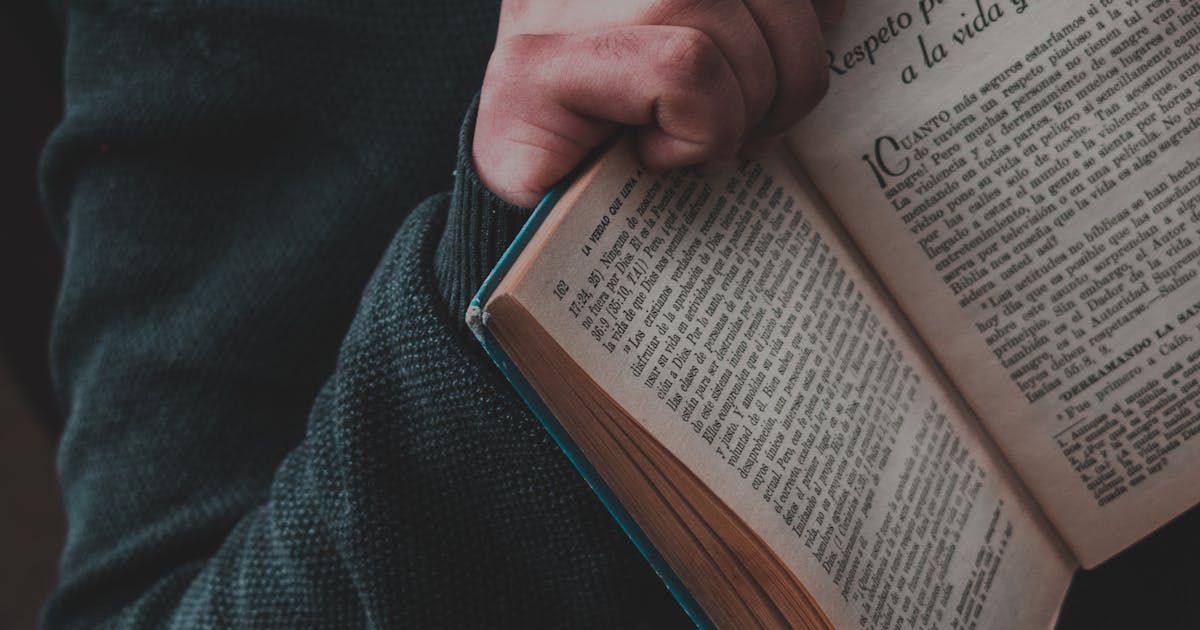
Key Takeaway: The best way to learn Spanish is not a single method. It is a combination of 2-3 approaches used consistently. Research shows learners who mix structured study with conversation practice reach fluency 40-60% faster than those using any single method alone.
93% of people who start learning Spanish quit within the first year. And the number one reason is not difficulty. It is using the wrong method for their learning style.
Here is what most people do: they download an app, do it for two weeks, get bored, and convince themselves they are “not a language person.” Sound familiar?
The problem was never you. It was the approach. After 12 years of teaching Spanish at universities in Madrid and Mexico City, I have seen every method succeed and every method fail. The difference is always the same: matching the right methods to your life, goals, and personality.
This guide breaks down the 10 methods that actually produce results, according to linguistic research and the outcomes of thousands of real learners. If you are ready to learn Spanish fast, let’s find your winning combination.
The Truth About Learning Spanish
Before we dive into methods, let’s clear up some misconceptions. According to the American Council on the Teaching of Foreign Languages (ACTFL), effective language learning requires four balanced skills: listening, speaking, reading, and writing.
Most methods only develop one or two of these. Apps are strong for reading and vocabulary but weak for speaking. Conversation practice builds speaking but may neglect grammar. The magic happens when you stack methods that cover all four skills.
Source: ACTFL Language Learning Research, 2024
Method 1: Structured App Learning
Best for: Building daily habits, vocabulary foundation, grammar basics
Time needed: 15-30 minutes daily
Cost: Free to $15/month
Language apps have revolutionized how people learn Spanish. The best Spanish learning apps in 2026 use spaced repetition, gamification, and speech recognition to make daily practice addictive.
| App | Strength | Weakness | Price |
|---|---|---|---|
| Duolingo | Habit building, gamification | Limited speaking, shallow grammar | Free / $7/mo |
| Pimsleur | Speaking and pronunciation | No reading/writing practice | $21/mo |
| Babbel | Structured grammar lessons | Limited free content | $7-13/mo |
| Anki | Vocabulary retention via SRS | No guided lessons, steep learning curve | Free (desktop) |
How to maximize apps: Use Duolingo or Babbel for structured lessons. Pair it with Anki for vocabulary retention. Do not rely on apps alone – they cannot teach you to have a real conversation.
Method 2: Online Tutoring
Best for: Speaking confidence, pronunciation, personalized feedback
Time needed: 2-3 sessions per week (30-60 minutes each)
Cost: $8-30 per hour
Nothing replaces real conversation with a qualified teacher. Online platforms like italki and Preply have made professional Spanish tutoring affordable and accessible from anywhere in the world.
According to research by the Cervantes Institute, learners who include regular conversation practice reach conversational fluency 40% faster than those using passive methods only. The reason is simple: speaking activates different neural pathways than reading or listening. You need both.
Pro tip: Start with community tutors on italki ($8-15/hour) rather than certified teachers ($20-30/hour). At the beginner stage, what you need most is speaking practice, not grammar lectures. Save the certified teachers for intermediate level when you need nuanced corrections.
Method 3: Immersion at Home
Best for: Natural acquisition, cultural understanding, listening skills
Time needed: Ongoing (integrated into daily life)
Cost: Free
You do not need to move to Spain or Mexico to immerse yourself in Spanish. You can create a powerful immersion environment right where you are.
Here is how to surround yourself with Spanish every day:
- Change your phone and social media to Spanish – You will learn tech vocabulary without trying
- Watch Netflix in Spanish – Start with Spanish subtitles on, not English. Try La Casa de Papel (Money Heist) or Elite
- Listen to Spanish music – Bad Bunny, Rosalia, Shakira, or classic artists like Juanes and Mana
- Follow Spanish accounts on social media – Get Spanish into your daily scroll
- Cook with Spanish recipes – Look up “recetas faciles” (RAY-say-tahs FAH-see-lehs, easy recipes) on YouTube
Did you know? According to linguist Stephen Krashen’s input hypothesis, language acquisition happens most naturally when you are exposed to content that is slightly above your current level. This is why watching Spanish shows with Spanish subtitles works so well.
Method 4: Podcast Learning
Best for: Listening comprehension, learning on the go, pronunciation
Time needed: 15-30 minutes daily
Cost: Free
Podcasts are the secret weapon most learners overlook. They train your ears to process spoken Spanish at natural speed, something apps and textbooks cannot do. Our guide to the 12 best Spanish podcasts for beginners ranks the top shows by level.
Beginner picks: “Coffee Break Spanish” (structured lessons), “SpanishPod101” (graded content), “Language Transfer” (free audio course).
Intermediate picks: “Notes in Spanish” (natural conversations), “Hoy Hablamos” (everyday topics), “Radio Ambulante” (storytelling from Latin America).
How to listen effectively: Do not just let Spanish wash over you. Active listening means pausing to repeat phrases, writing down new words, and trying to predict what comes next. Even 15 minutes of active listening beats an hour of passive background noise.
Methods 5-10: More Proven Approaches
5. Language Exchange Partners (Free)
Apps like Tandem and HelloTalk connect you with native Spanish speakers who want to learn English. You trade 15 minutes of English conversation for 15 minutes of Spanish. It is free, social, and effective. Schedule sessions 2-3 times per week for best results.
6. Spaced Repetition Systems (Free-$25)
Anki and other SRS tools use algorithms to show you vocabulary right before you forget it. Research from the University of York showed SRS users retained 150% more vocabulary after 6 months compared to traditional study. Create custom decks or download pre-made Spanish frequency lists.
7. Reading Graded Readers ($10-20)
Graded readers are books written for specific language levels. Start with A1-level stories and gradually increase difficulty. This builds reading comprehension, vocabulary, and grammar intuition simultaneously. Good options include Olly Richards’ “Short Stories in Spanish” series.
8. Spanish TV and Movies (Free with Netflix)
Watch Spanish movies and shows with Spanish subtitles. This dual input (hearing and reading simultaneously) strengthens both skills. Start with shows you have already seen in English so you know the plot.
9. AI Conversation Tools (Free-$20/mo)
AI chatbots have become surprisingly good conversation partners for language learners in 2026. Tools like ChatGPT can hold basic Spanish conversations, correct your grammar, explain rules, and even role-play scenarios like ordering food or checking into a hotel. Use them as a supplement between human conversation sessions.
10. Writing Practice (Free)
Keeping a Spanish journal, even 3-5 sentences per day, forces you to produce the language actively. Start with simple diary entries: “Hoy comi pizza” (OH-ee koh-MEE PEET-sah, Today I ate pizza). Use apps like LangCorrect or journaling prompts to get started.
“The best way to learn a language is to live it. Immerse yourself in the culture, the music, the food, and the conversations.”
How to Combine Methods for Maximum Results
Here are three proven combinations based on your schedule and goals.
Pick Your Learning Stack
-
15m
Busy Schedule
App (10 min) + Podcast during commute (15 min) + Flashcards (5 min)
-
30m
Standard Learner
App (15 min) + Podcast (15 min) + Tutor 2x/week + Spanish Netflix
-
1hr+
Intensive Learner
Tutor 3x/week + App (20 min) + Podcast + Spanish journal + Full immersion
The “Standard Learner” stack is the sweet spot for most people. It balances all four skills (listening, speaking, reading, writing) in about 30 minutes daily plus two weekly tutor sessions. This combination consistently produces conversational ability within 4-6 months.
For a detailed week-by-week breakdown, check out our 90-day Spanish fluency roadmap. It maps exactly what to study each week based on the combination approach.
Frequently Asked Questions
What is the fastest way to learn Spanish?
The fastest proven approach combines daily app-based study (15 min), podcast listening (15 min), and 2-3 weekly conversation sessions with a tutor. This “combination stack” covers all four language skills and produces conversational ability in 3-6 months. Full immersion in a Spanish-speaking country is faster still, typically producing basic fluency in 1-3 months.
Can I learn Spanish in 3 months?
Yes, you can reach A1-A2 level (basic conversational ability) in 3 months with 1-2 hours of daily, focused practice. You will handle introductions, ordering food, asking directions, describing your daily life, and simple conversations. Full professional fluency takes longer, but 3 months of dedicated effort produces genuinely useful skills.
Is it better to learn Spanish with an app or a tutor?
Use both. Apps excel at vocabulary building, grammar drills, and creating daily habits. Tutors are essential for speaking confidence, pronunciation correction, and natural conversation. The ideal setup uses apps for daily solo practice and a tutor for 2-3 weekly sessions. This combination develops all four language skills effectively.
How do I learn Spanish if I have no time?
Even 15 minutes daily produces meaningful results. Listen to a Spanish podcast during your commute, do a quick app lesson during lunch, review 5 flashcards before bed. Change your phone to Spanish for passive learning. Research shows consistent short sessions outperform sporadic long ones for language retention. The key is daily contact with the language, however brief.
Can adults learn Spanish as well as children?
Adults have significant advantages: faster grammar learning, better study strategies, and the ability to use English cognates as shortcuts. While children may develop more native-like accents, adults can achieve excellent fluency at any age. Research from MIT published in Cognition confirmed that even people starting at 50+ can reach high proficiency levels. Your age is not a barrier.
What is the hardest part of learning Spanish?
The three most challenging areas are the subjunctive mood (used for wishes, doubts, and hypotheticals), the ser vs estar distinction (two verbs for “to be”), and understanding rapid native speech. All three are manageable with practice and good resources. Start with the basics and tackle advanced grammar gradually as your confidence grows.
Start Learning Spanish Today
- Choose your stack: Pick a “busy,” “standard,” or “intensive” combination from above.
- Set up your tools: Download 1-2 apps and subscribe to a beginner podcast.
- Schedule your first conversation: Book a tutor session or find a language partner.
- Follow the roadmap: Use our 90-day fluency plan for week-by-week guidance.
The best time to start was yesterday. The second best time is right now. Vamos (BAH-mohs) – Let’s go!
Written by Sofia Martinez
Sofia is a certified Spanish language instructor with 12+ years of experience teaching at universities in Madrid and Mexico City. She holds a Master’s in Applied Linguistics from Universidad Complutense de Madrid.
Share
Topics

You may also like

Spanish Colors: Complete Vocabulary Guide with Cultural Meanings & Memory Tricks

Get the Inside Scoop