
La Tomatina (lah toh-mah-TEE-nah) is a one-hour food fight held every last Wednesday of August in Buñol (boon-YOL), a small town 40 kilometres west of Valencia. Over 20,000 people throw 120 tonnes of overripe tomatoes at each other, and then the whole thing is over. Here are five things about this festival that catch every first-time visitor completely off guard.
That is the short version. The rest of this guide gives you the surprises, the rules, the history, and the practical details so you can show up in Buñol ready for the chaos. If you need help ordering food and drinks while you are there, our guide to common Spanish phrases for beginners has your back.
What actually happens at La Tomatina?
Picture it. It is the last Wednesday of August. You are standing in a narrow street in Buñol, packed shoulder to shoulder with thousands of people, the air already buzzing with nervous energy. At exactly 11 AM, a truck rumbles in loaded with overripe tomatoes. Then another. Then another. Someone fires a water cannon into the crowd. A rocket goes off. And then, all at once, 120 tonnes of tomatoes are airborne.
For the next sixty minutes, the town becomes a river of red. Tomato pulp runs ankle-deep through the streets. Strangers laugh, scream, and throw fistfuls of squished fruit at each other with the kind of abandon that only happens when everyone has collectively agreed that normal rules do not apply. And then a second rocket fires. That is the signal. The fight is over. Just like that.
The cleanup crews arrive with fire hoses. Within two hours, the streets are spotless. And you are standing there, drenched head to toe in tomato juice, grinning like an idiot, wondering what just happened.
Why does Buñol throw 120 tonnes of tomatoes?
Nobody knows exactly how it started, and that is part of the charm. The most popular story goes like this: in 1945, during a parade for los Gigantes y Cabezudos (los hee-GAN-tays ee kah-bay-SOO-dos, “the Giants and Big Heads”), a group of young men got into a scuffle near a vegetable stall. Tomatoes were within reach. The rest wrote itself.
The town council banned the fight multiple times through the 1950s. People kept showing up anyway. By 1957, locals held a mock funeral for a tomato, marching a coffin through the streets in protest. The council gave up. La Tomatina became official in 1959 and has been running every year since, with brief pauses during national emergencies.
The festival gained international fame after a 2002 travel documentary, and today it attracts visitors from over 40 countries. In 2002, the Spanish government declared it a Fiesta de Interés Turístico Internacional (fee-ES-tah deh een-teh-RES too-REES-tee-ko een-ter-nah-see-oh-NAHL, “Festival of International Tourist Interest”), which is the official way of saying “yes, this is as good as it sounds.”
What are the five biggest surprises?
Here is where expectations meet reality. Most visitors show up with a vague idea of what La Tomatina involves. Almost nobody is prepared for these five things.
1. The tomatoes are grown for fighting
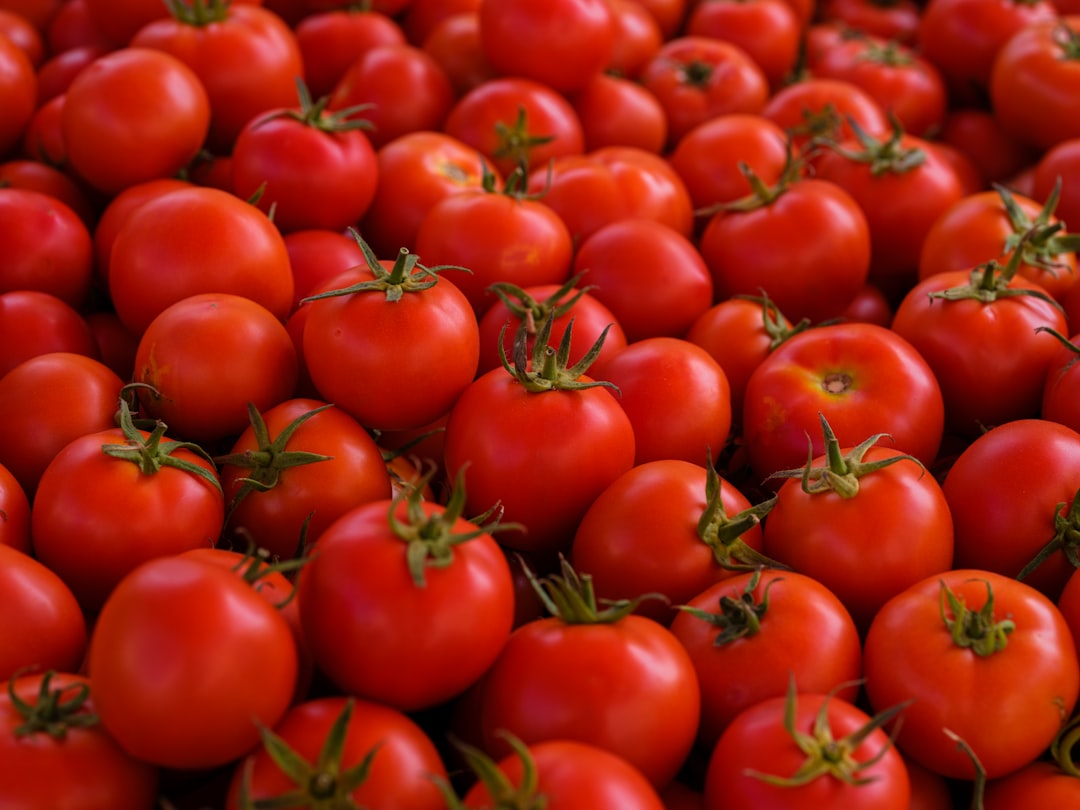
Most visitors assume La Tomatina wastes perfectly good food. It does not. The 120-plus tonnes of tomatoes are specifically grown in Extremadura for the fight. They are a low-quality variety, overripe by design, and never destined for anyone’s plate. The acidity is low enough to be gentle on skin, and they are soft enough to burst on impact without causing injury. Think of them as edible ammunition, purpose-built for the job.
2. There are strict official rules
This is not a free-for-all. The Ayuntamiento de Buñol (ah-yoon-tah-MYEN-toh deh boon-YOL, “Buñol Town Council”) enforces five clear rules:
- Squish every tomato before you throw it, to avoid hard impacts
- Do not throw anything that is not a tomato
- Do not tear anyone’s clothing
- Make way for the trucks carrying fresh ammunition
- Stop throwing immediately when the second rocket fires
Break these rules and the volunteers will pull you out. They take safety seriously, and the result is a surprisingly well-managed hour of pure chaos.
3. The fight lasts exactly one hour
A rocket at 11 AM starts the fight. A second rocket at noon ends it. Sixty minutes. That is it. Many visitors expect a chaotic, all-day affair. What they get is a precise, timed, explosive burst of organised mayhem. The brevity is what makes it so intense. There is no pacing yourself. You go all in from the first second because the clock is already ticking.
4. The festival is actually a week long
La Tomatina is the headline act, but it sits inside a full week of celebrations. The Fiestas de Buñol (fee-ES-tas deh boon-YOL, “Buñol Festival Week”) includes parades, live music, fireworks, cooking contests, and the palo jabón (PAH-loh hah-BON, “greased pole”), where locals try to climb a greased wooden pole to grab a leg of ham tied to the top. The week is worth experiencing even without the tomato fight.
5. The streets are clean within two hours
After the fight, Buñol’s fire department hoses down every street with water from a nearby aqueduct. The citric acid in the tomatoes acts as a natural cleaning agent, and by early afternoon the cobblestones look like nothing happened. Locals joke that their town has never been cleaner than on La Tomatina afternoon.
What do you need to know before you go?
Here is everything at a glance. Save this table.
| Detail | What to know |
|---|---|
| When | Last Wednesday of August (26 August 2026) |
| Where | Buñol, Valencia, 40 km west of the city |
| Duration | Exactly one hour (11 AM to noon) |
| Tomatoes used | 120+ tonnes, grown in Extremadura |
| Participants | Capped at approximately 20,000 |
| Ticket price | General admission: €12 to €15 |
| VIP ticket | €50 to €80 (balcony access, drinks) |
| Getting there | Cercanías train from Valencia Nord, line C3, about 50 minutes |
| Started | 1945 |
What should you bring to La Tomatina?
Packing for a food fight requires some thought. Get this right and you will enjoy every second. Get it wrong and you will spend the rest of your trip replacing things you loved.
| Bring | Leave at your hotel |
|---|---|
| Old clothes you can throw away after | Anything white or expensive |
| Swimming goggles (tomato juice stings) | Contact lenses (wear glasses or nothing) |
| Closed-toe shoes with grip | Flip-flops or sandals (you will lose them) |
| Waterproof phone pouch | Your good camera |
| Small waterproof bag for cash and ticket | Backpack, handbag, or anything bulky |
| Sunscreen (apply before, not after) | Jewellery, watches, or anything you value |
One more tip: wear a dark-coloured shirt. Tomato stains on white are forever. Tomato stains on red or black? Invisible.
Is La Tomatina right for you?
Quick decision flowchart: ask yourself these five questions.
- ☐ Can you handle big crowds? → 20,000 people in narrow streets. If no, consider a VIP balcony ticket instead.
- ☐ Are you okay being hit with soft fruit? → Repeatedly, from all angles, for a full hour. If no, the festival week has plenty of tomato-free events.
- ☐ Can you stand in ankle-deep tomato pulp? → The streets become a red river. Closed-toe shoes with grip are essential.
- ☐ Do you have old clothes you can destroy? → If no, buy a cheap t-shirt from a street vendor for €5 the morning of the fight.
- ☐ Can you follow rules under chaos? → Squish, do not tear, stop on the rocket. If yes, you are ready.
Checked four or more? Book your ticket. You will love every messy second of it. Checked fewer? Come for the festival week instead. The parades, music, and palo jabón are brilliant on their own.
How do you survive the actual fight?
Practical advice from people who have done it and come back grinning.
- Arrive early. Gates open at 10 AM. Get there by 9 AM to find a good spot. The fight starts at 11, and by 10:30 the streets are already packed.
- Position yourself near the edges if you want to control how much tomato you absorb. The centre of the street is the heaviest combat zone.
- Squish before you throw. Not just because it is the rule, but because a full tomato to the face at close range is not fun for anyone.
- Keep your mouth closed when the first volley lands. Trust this advice. You will thank yourself later.
- Go with friends. You will need someone to take a photo of you afterwards, because no words will ever do justice to what you look like.
- Stay for the food. Some local groups cook a paella gigante (pah-AY-yah hee-GAN-tay, “giant paella”) after the fight. You will be hungry, and it is magnificent.
What Spanish do you need for La Tomatina?
You do not need fluent Spanish to survive La Tomatina, but a handful of words will make the experience richer and earn you genuine smiles from the locals. Here is your vocabulary kit.
| Spanish | Pronunciation | English |
|---|---|---|
| La Tomatina | lah toh-mah-TEE-nah | The Tomato Fight festival |
| Tomate | toh-MAH-tay | Tomato |
| Buñol | boon-YOL | The host town |
| Cuidado | kwee-DAH-doh | Careful / Watch out |
| Cohete | ko-AY-tay | Rocket (the signal flare) |
| Plaza del Pueblo | PLAH-sah del PWEH-bloh | Town square |
| Camiseta | kah-mee-SAY-tah | T-shirt |
| Palo jabón | PAH-loh hah-BON | Greased pole (the climbing contest) |
| Fiestas | fee-ES-tas | Festival week |
| Ayuntamiento | ah-yoon-tah-MYEN-toh | Town council / City hall |
Practice saying “¿Dónde está la plaza?” (DON-day es-TAH lah PLAH-sah, “Where is the square?”) before you go. It will save you ten minutes of confused wandering on the morning of the fight. For more essential Spanish etiquette and social rules, read our companion guide so you know the unwritten code before you land.
Frequently Asked Questions
How much do La Tomatina tickets cost?
General admission is around €12 to €15. VIP packages with balcony access, drinks, and a better vantage point run between €50 and €80. Tickets sell out months in advance, so book early through the official La Tomatina website.
Is La Tomatina safe?
Yes. The official rules exist specifically to prevent injuries. Squishing tomatoes before throwing removes the risk of hard impacts, volunteers and local police patrol the streets during the fight, and serious injuries are extremely rare. The biggest real risk is slipping on wet tomato pulp, which is why closed-toe shoes with grip matter so much.
Can you go to La Tomatina without a ticket?
Not anymore. Since 2013, the town has capped attendance at around 20,000 and required tickets for entry to the fight zone. You can still visit Buñol during the festival week and enjoy the parades, music, and food without a ticket, but the tomato fight itself is ticketed only.
What is the best way to get to Buñol from Valencia?
The easiest route is the Cercanías commuter train from Valencia Nord station (line C3, about 50 minutes). Shuttle buses also run on the morning of the fight. Do not drive. Parking is almost impossible and several roads close for the event.
When is La Tomatina 2026?
La Tomatina 2026 falls on Wednesday, 26 August. The full festival week runs from approximately 22 to 28 August. Spain’s official tourism board publishes confirmed dates each spring.
Go get covered in tomatoes
La Tomatina is one of those experiences that sounds absurd until you are standing in the middle of it, tomato juice dripping from your hair, laughing with strangers from six different countries. It is messy, brief, ridiculous, and completely unforgettable. No amount of reading about it prepares you for what it actually feels like when that first truck rolls in.
If you are planning a trip to Spain and want to understand the culture beyond the tourist brochures, keep reading Audaz Revista. And then go book that ticket to Buñol. You will not regret it.