Latin American Food: 30+ Iconic Dishes from Every Country You Need to Try [2026]
Key Takeaway: Latin American cuisine is one of the most diverse and influential food traditions on Earth, blending Indigenous, Spanish, African, and Asian flavors across 20+ countries. From Peruvian ceviche to Argentine asado, knowing these dishes deepens your Spanish vocabulary, cultural understanding, and appreciation for the people behind the language.
You cannot truly learn Spanish without learning about the food. In the Spanish-speaking world, food is not fuel. It is family, identity, history, and celebration packed onto a single plate. Every dish tells a story, whether it is a 3,000-year-old tamale recipe passed down from the Aztecs or a Peruvian-Japanese fusion that emerged from 19th-century immigration.
If you have been exploring Hispanic culture and traditions, this guide takes you deeper into one of its most delicious dimensions. Let’s eat our way across an entire continent.
Why Latin American Food Matters for Spanish Learners
Latin American food is the intersection of language, culture, and daily life. When you learn the word ceviche, you are not just learning a vocabulary term. You are learning about Peru’s coastal fishing traditions, the Quechua influences on Spanish, and the cultural pride that turns a simple fish dish into a national symbol.
Food vocabulary is also among the most practical Spanish you can learn. Whether you are ordering in a restaurant, shopping at a market, or following a recipe, knowing your platos from your postres opens doors that grammar textbooks never will.
Source: UNESCO, Food and Agriculture Organization
Mexico: Where It All Begins
Mexican cuisine was declared UNESCO Intangible Cultural Heritage in 2010, the first cuisine in the world to receive this recognition. It is built on the “holy trinity” of maíz (corn), frijoles (beans), and chile (chili peppers), ingredients that Indigenous peoples have cultivated for millennia.
Must-Try Mexican Dishes
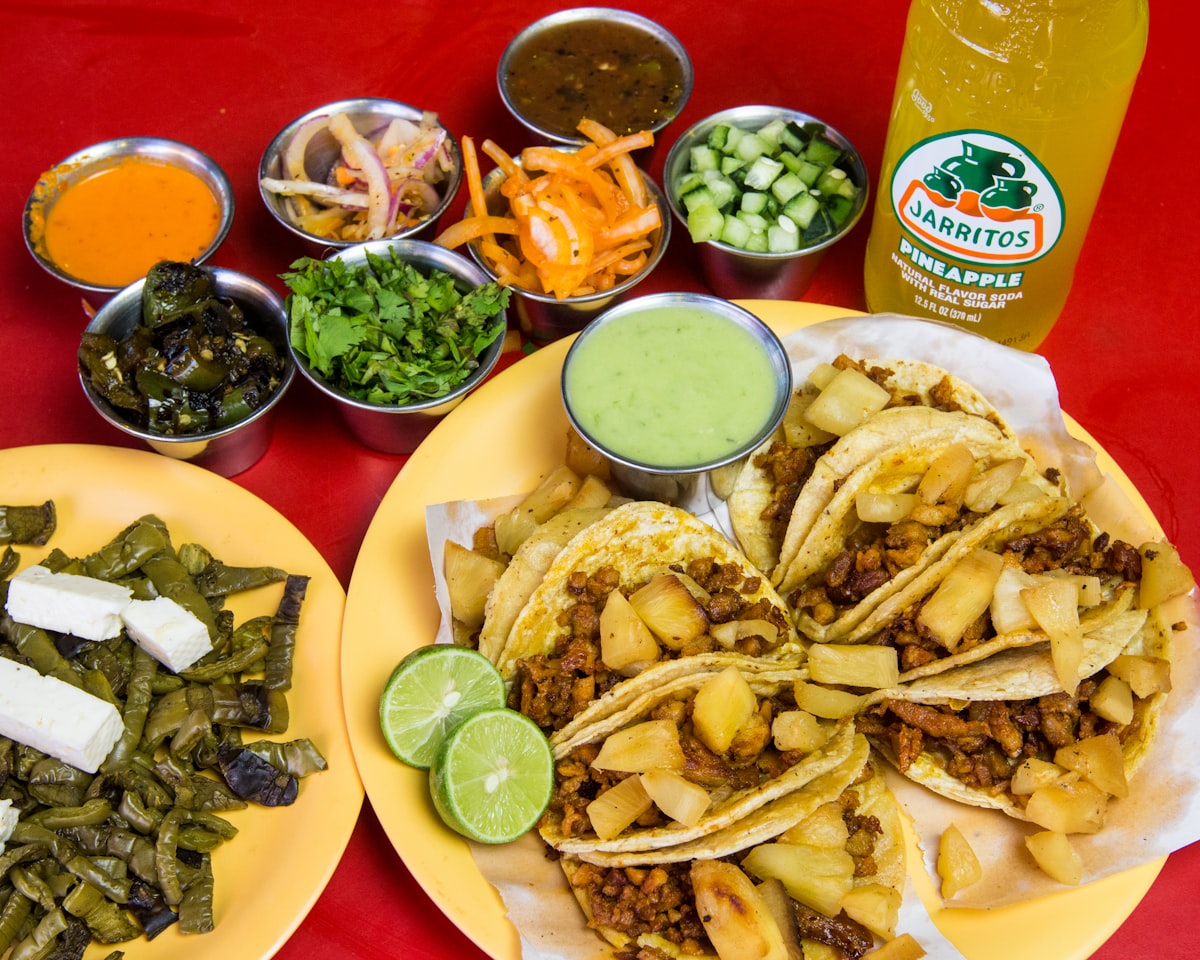
- Tacos al Pastor: Marinated pork cooked on a vertical spit (influenced by Lebanese immigrants), served with pineapple, cilantro, and onion on corn tortillas. Born in Puebla in the 1930s, now Mexico City’s most iconic street food.
- Mole Poblano: A complex sauce made from 20+ ingredients including chocolate, chili peppers, spices, and nuts. Every family has their own recipe, and preparing it is often a multi-day, multi-generational event.
- Tamales: Corn dough (masa) stuffed with meats, cheeses, or vegetables, wrapped in corn husks or banana leaves, and steamed. Tamales date back to the Aztec and Maya civilizations.
- Chiles en Nogada: Poblano peppers stuffed with a mixture of meat, dried fruits, and spices, topped with a walnut cream sauce and pomegranate seeds. The dish’s green, white, and red colors represent the Mexican flag.
- Pozole: A hearty hominy corn soup with pork or chicken, garnished with cabbage, radish, oregano, and lime. Originally an Aztec ceremonial dish.
“The best way to learn a language is to live it. Immerse yourself in the culture, the music, the food, and the conversations.”
Peru: The World’s Food Capital
Peru has won the World Travel Award for “World’s Leading Culinary Destination” multiple years running. Lima alone has two restaurants in the World’s Top 10 (Central and Maido). But Peruvian food is far more than fine dining. It is a fusion of Indigenous Andean, Spanish colonial, African, Chinese (chifa), and Japanese (nikkei) influences.
Must-Try Peruvian Dishes
- Ceviche: Fresh raw fish “cooked” in lime juice, mixed with red onion, chili peppers, and cilantro. Served with camote (sweet potato) and choclo (large-kernel corn). Peru’s national dish and the crown jewel of its cuisine.
- Lomo Saltado: Stir-fried beef with onions, tomatoes, and peppers, served over rice and french fries. A perfect example of chifa (Chinese-Peruvian) fusion.
- Ají de Gallina: Shredded chicken in a creamy sauce made from ají amarillo (yellow chili pepper), bread, walnuts, and Parmesan cheese.
- Anticuchos: Grilled beef heart skewers marinated in vinegar and ají panca. A beloved street food with pre-Columbian origins.
- Causa: Layered potato terrine filled with chicken, tuna, or crab, flavored with ají amarillo and lime.
Did you know? Peru is home to over 4,000 varieties of potato. The Quechua word papa (potato) entered Spanish and then spread to languages worldwide. The humble potato, born in the Andes, literally changed world history.
Argentina: Land of Asado and Dulce de Leche
Argentine cuisine reflects the country’s strong Italian and Spanish immigrant heritage. Buenos Aires has more pizzerias per capita than almost any city outside Italy, and the Sunday asado (barbecue) is practically sacred. Understanding Spanish differences across regions helps explain why Argentine food feels so distinctly European compared to the rest of Latin America.
Must-Try Argentine Dishes
- Asado: More than a barbecue, it is a social ritual. Various cuts of beef, chorizo, morcilla (blood sausage), and offal are slow-cooked over wood or charcoal for hours. The asador (grill master) commands serious respect.
- Empanadas: Baked or fried pastries filled with beef, chicken, ham and cheese, or corn. Each province has its own style. Salta and Tucumán claim to make the best.
- Milanesa: Breaded and fried meat cutlet (from the Italian cotoletta alla milanese). Served a la napolitana (topped with ham, tomato sauce, and melted cheese) for maximum indulgence.
- Dulce de Leche: Slow-cooked caramelized milk that goes on everything, from alfajores (sandwich cookies) to pancakes to ice cream. Argentina’s most exported flavor.
- Choripán: A grilled chorizo sausage split and served in crusty bread with chimichurri sauce. The ultimate Argentine street food.
Colombia & Venezuela: The Arepa Debate
Few food debates in Latin America are as heated as this one: who invented the arepa? Both countries claim ownership of these beloved corn cakes, and both serve them in gloriously different ways.
Colombian Highlights
- Bandeja Paisa: Colombia’s most famous dish is a massive platter featuring red beans, white rice, ground beef, chicharrón (fried pork belly), fried egg, plantain, chorizo, arepa, avocado, and hogao sauce. It is designed to fuel a hard day’s work.
- Ajiaco: A hearty potato soup from Bogotá made with three types of potatoes, chicken, corn, and the herb guascas. Served with cream, capers, and avocado.
- Arepas Colombianas: Thinner and simpler than Venezuelan arepas, often served as a side dish with butter and cheese.
Venezuelan Highlights
- Arepas Venezolanas: Thicker corn cakes split open and stuffed with endless fillings. The Reina Pepiada (chicken and avocado salad) is the most famous variety.
- Pabellón Criollo: Venezuela’s national dish combines shredded beef, black beans, white rice, and fried sweet plantains.
- Cachapa: A sweet corn pancake folded around soft white cheese (queso de mano).
| Country | National Dish | Key Ingredient | UNESCO Status |
|---|---|---|---|
| Mexico | Mole Poblano / Tacos | Corn, chili peppers | Intangible Heritage (2010) |
| Peru | Ceviche | Fresh fish, lime | Intangible Heritage (2023) |
| Argentina | Asado | Beef | – |
| Colombia | Bandeja Paisa | Beans, rice, plantain | – |
| Venezuela | Pabellón Criollo | Shredded beef, beans | – |
| Chile | Pastel de Choclo | Corn, beef | – |
Central America & the Caribbean
Cuba
- Ropa Vieja: “Old clothes” – shredded beef simmered in a rich tomato sauce with peppers and onions. Cuba’s national dish, named for its resemblance to torn fabric.
- Moros y Cristianos: Black beans and white rice cooked together, named after the Moors and Christians of medieval Spain.
Puerto Rico
- Mofongo: Fried green plantains mashed with garlic, olive oil, and chicharrón, often served with a rich broth or topped with seafood.
- Arroz con Gandules: Rice with pigeon peas and sofrito, the unofficial dish of every Puerto Rican Christmas celebration.
Costa Rica & Central America
- Gallo Pinto: Rice and beans cooked together with Lizano sauce (Costa Rica) or sour cream (Nicaragua). Breakfast staple across the region.
- Pupusas (El Salvador): Thick corn tortillas stuffed with cheese, beans, or pork, served with curtido (fermented cabbage slaw). El Salvador’s national treasure.
- Baleadas (Honduras): Flour tortillas folded around refried beans, cheese, and cream.
Essential Spanish Food Vocabulary
Whether you are traveling to a Spanish-speaking country or cooking at home, these words will serve you well.
| Spanish | English | Example |
|---|---|---|
| La comida | Food / Meal | La comida mexicana es deliciosa |
| El plato | Dish / Plate | El plato del día es ceviche |
| Picante | Spicy | No muy picante, por favor |
| La receta | Recipe | Es una receta de mi abuela |
| Asado / A la parrilla | Grilled | Quiero el pollo a la parrilla |
| Frito | Fried | Los plátanos fritos son riquísimos |
| El postre | Dessert | De postre, quiero flan |
| La cuenta | The bill | La cuenta, por favor |
Learning food vocabulary is one of the fastest ways to build your Spanish confidence. Pair this with our 50 essential Spanish phrases and you will be ordering like a local in no time.
Frequently Asked Questions
Latin American Food FAQ
What is the most popular food in Latin America?
Tacos, empanadas, and rice-and-beans dishes are the most universally popular foods across the region. However, each country has its own iconic specialty. In Peru it is ceviche, in Argentina it is asado, in Venezuela and Colombia it is arepas, and in Mexico it is tacos al pastor. The common thread is that Latin American food is built around fresh, bold flavors and communal eating.
What makes Latin American food unique?
Latin American food is unique because it blends Indigenous, Spanish colonial, African, and Asian influences into a culinary tapestry found nowhere else on Earth. Key ingredients like corn, beans, chili peppers, avocado, chocolate, and potatoes have been cultivated in the Americas for thousands of years, and many of these foods changed global cuisine after the Columbian Exchange.
Is Latin American food spicy?
Not all Latin American food is spicy. Mexican and Peruvian cuisines use significant amounts of chili peppers, but Argentine, Brazilian, and Chilean cuisines are generally mild. Even within “spicy” cuisines, heat levels vary by dish. Most restaurants offer salsas and hot sauces on the side so you can adjust to your preference.
What are the healthiest Latin American dishes?
Ceviche (raw fish cured in citrus) is exceptionally healthy, as are black bean soups, grilled meats from Argentine asado, Peruvian quinoa dishes, and fresh salsas. Many traditional dishes are naturally gluten-free and rich in protein, fiber, and fresh vegetables. The Mediterranean-influenced cuisines of the Southern Cone (Argentina, Chile, Uruguay) also feature olive oil, fresh herbs, and grilled meats.
How do you say food in Spanish?
Food in Spanish is comida. A meal is una comida, a dish is un plato, a recipe is una receta, and street food is comida callejera. The verb “to eat” is comer, “to cook” is cocinar, and “to taste” is probar. Knowing these basics helps you navigate any restaurant or market in the Spanish-speaking world.
What is the difference between Mexican and South American food?
Mexican food relies heavily on corn tortillas, chili peppers, and complex sauces (moles), while South American food varies dramatically by country. Argentine cuisine focuses on beef and Italian influences, Peruvian food emphasizes seafood and Asian fusion, and Colombian food features hearty platters with beans, rice, and plantains. The common ground is that all Latin American cuisines build on Indigenous foundations with colonial and immigrant influences.
Your Next Steps
- Pick a country and try cooking one of its iconic dishes this week
- Learn the food vocabulary from the tables above
- Practice ordering in Spanish next time you visit a Latin restaurant
Food is the most delicious way to learn a language. Start with your stomach, and your Spanish will follow.
Get Weekly Spanish Tips
Join 5,000+ learners receiving our best lessons, practice exercises, and cultural insights every week.
Written by Sofia Martinez
Sofia is a certified Spanish language instructor with 12+ years of experience teaching at universities in Madrid and Mexico City. She holds a Master’s in Applied Linguistics from Universidad Complutense de Madrid and has a passion for connecting language learning with cultural immersion.
Audaz Numero #01: The Premiere Collector’s Edition
Building a Spanish-speaking life goes beyond study habits. The Audaz Premiere Edition covers wellness, food, daily culture, and the lifestyle insights that turn language learning into something you actually live. It’s the magazine for people who want Spanish to be part of who they are, not just what they study.
Share
Topics

You may also like
Spanish Colors: Complete Vocabulary Guide with Cultural Meanings & Memory Tricks


Get the Inside Scoop