By Camila Rossi, culture writer, Buenos Aires & Barcelona
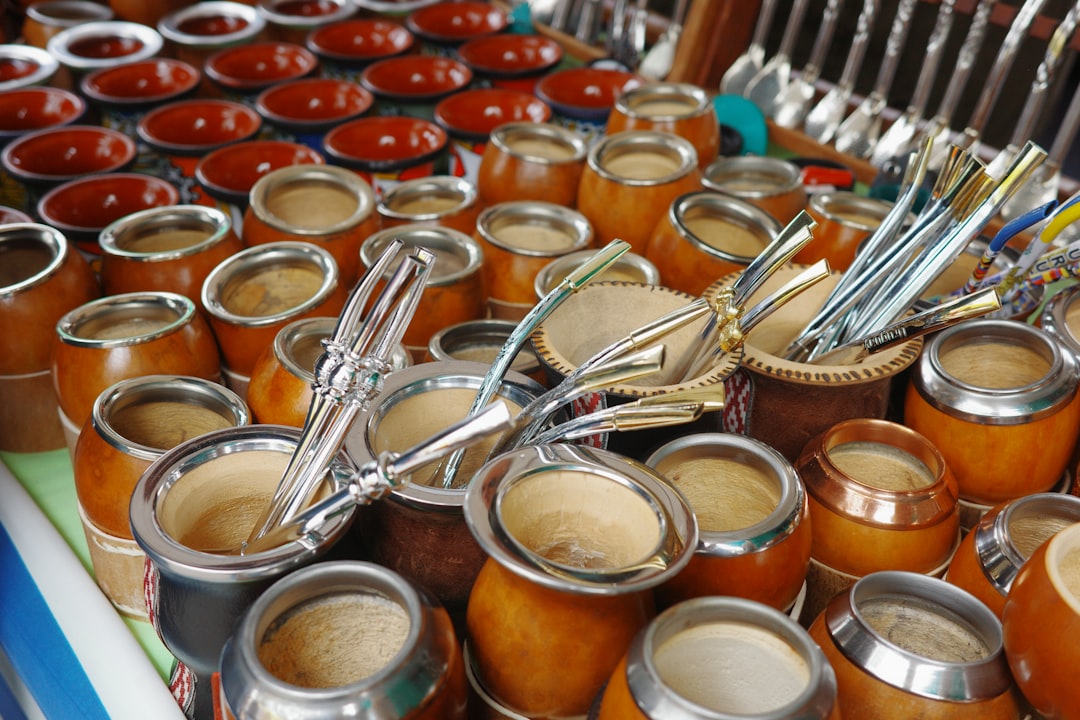
Mate (pronounced MAH-teh) is Argentina’s national drink and its most important social ritual. It is a bitter herbal tea made from yerba mate leaves, sipped through a metal straw (bombilla) from a shared gourd. One person serves, everyone shares the same cup.
- One server, the cebador, fills and shares one cup with the whole circle.
- Drink the whole cup, slurp and all, then hand it back to the server.
- Only say gracias when you actually want to stop.
- Never stir, poke, or wipe the bombilla.
Walk through any Argentine park, office, or beach and you will see it. A gourd in one hand, a thermos of hot water tucked under the arm, a group passing the cup around. Tourists often assume it is just coffee culture in disguise. It is not. Mate is closer to a handshake, a conversation, and a sign of trust, all poured into one cup. Here is how it actually works, and how not to embarrass yourself.
What exactly is mate?
Mate has three parts, and confusingly, two of them share the same name.
You fill the gourd most of the way with yerba, add hot water (never boiling, around 70 to 80 degrees), and drink. Then you refill the water and pass it on. The same leaves get topped up many times across one sitting. The taste is strong, grassy, and bitter. Most newcomers wince at first. Give it three or four rounds. It grows on you fast.

Why is mate a social ritual, not just a drink?
This is the part outsiders miss. Mate is almost never a solo, grab-and-go habit. It is shared.
One person becomes the cebador, the server. They fill the gourd, drink the first (often most bitter) round themselves, then refill and hand it to the next person. That person drinks the whole cup, hands it back, and the cebador refills it for the next. The cup travels in a circle, always returning to the server in between.
To be handed the mate is to be let in. Argentines share it with family at breakfast, friends in the park, colleagues at work, and new acquaintances to break the ice. One cup, one straw, the same water: that is the whole message.
It sits alongside other great Spanish-speaking table rituals. If you love this kind of slow, shared culture, read about Spain’s sobremesa dinner tradition and its vermouth hour.
What are the mate etiquette rules every outsider gets wrong?
The rules are unwritten but strong. Break them and people will be too polite to correct you, which is worse.
“Gracias” means “I’m done”
This is the classic trap. If you say gracias (thank you) when you hand back the cup, the server takes it to mean you have had enough and will stop serving you. So do not thank them after each round. Only say gracias when you genuinely want to leave the circle.
Is mate only an Argentine thing?
No, and saying so will start an argument. Mate is huge across the region.
The yerba mate plant is native to this whole region, so the culture spread naturally across borders. If you want the wider picture of how customs differ across Spanish-speaking countries, our Latin American culture guide maps it out.
How do I join a mate circle without offending anyone?
Keep it simple. Five quick rules cover almost everything.
- Wait to be served. Do not pour your own or grab the gourd. Let the cebador hand it to you.
- Drink it all. Finish the cup, slurp included, then hand it straight back to the server.
- Hold the gracias. Only say gracias when you want to stop.
- Leave the bombilla alone. No stirring, no wiping, no repositioning.
- Stay a while. Mate is about time together. If you are rushing off, it is not really the moment for it.
Do those five things and you will be welcomed in. Argentines love sharing mate with curious foreigners. The drink is just the excuse. The real thing on offer is connection.
Frequently asked questions
Camila Rossi
Culture writer, Buenos Aires & Barcelona
Camila Rossi is a writer based between Buenos Aires and Barcelona who covers the everyday culture of the Spanish-speaking world: its rituals, its food, and its unwritten social codes. She grew up sharing mate at her grandmother’s table, and writes about the customs that guidebooks tend to skip.
Curious about the rituals, food, and books behind everyday life in the Spanish-speaking world? Subscribe to Audaz Revista for insider culture guides written by people who have actually sat in the circle.