Mexican Traditions: A Complete Guide to Culture, Celebrations & Heritage [2026]
🎯 Key Takeaway: Mexican traditions are a living fusion of indigenous Aztec and Maya practices blended with Spanish Catholic influences over 500 years—creating unique celebrations like Día de los Muertos that honor death as a natural continuation of life, not something to fear.
Mexican traditions represent one of the world’s richest cultural tapestries, woven from indigenous civilizations spanning 3,000+ years, Spanish colonial influences, and modern innovations. From the iconic Día de los Muertos to weekly family gatherings over mole, these traditions define what it means to be Mexican.
But here’s what most people don’t understand: Mexican traditions aren’t museum pieces frozen in time. They’re living practices that evolve while maintaining their essential meaning. A quinceañera today looks different from 1950, yet still marks the same profound transition from childhood to womanhood.
This comprehensive guide moves beyond stereotypes (no, Mexicans don’t wear sombreros daily) to reveal authentic traditions still practiced across Mexico’s 31 states. Whether you’re learning Spanish, planning travel, or simply fascinated by Mexican culture, you’ll discover the historical context, regional variations, and modern expressions that keep these traditions alive.
Major Mexican Celebrations
Día de los Muertos (Day of the Dead) – November 1-2
UNESCO recognized Día de los Muertos as Intangible Cultural Heritage of Humanity in 2008—and for good reason. This celebration, dating back over 3,000 years to the Olmecs, Toltecs, Aztecs, and Maya, represents a profoundly different relationship with death than Western cultures typically hold.
The Core Belief: Death is not feared but honored as a natural continuation of life. The deceased aren’t “gone”—they return home annually on November 1-2 when the veil between worlds thins.
⚠️ Common Misconception: Día de los Muertos is NOT “Mexican Halloween.” While both occur near each other on the calendar, Day of the Dead celebrates life and death’s relationship through indigenous and Catholic traditions—completely different origins and meaning.
Key Elements of the Celebration:
- Ofrendas (Home Altars): Elaborate altars built in homes with photos, favorite foods, beverages, and cherished items of the departed. These aren’t shrines of sadness—they’re joyful celebrations of the person’s life.
- Cempazúchitl (Marigolds): Bright orange flowers whose strong scent and vibrant color guide spirits home from the afterlife.
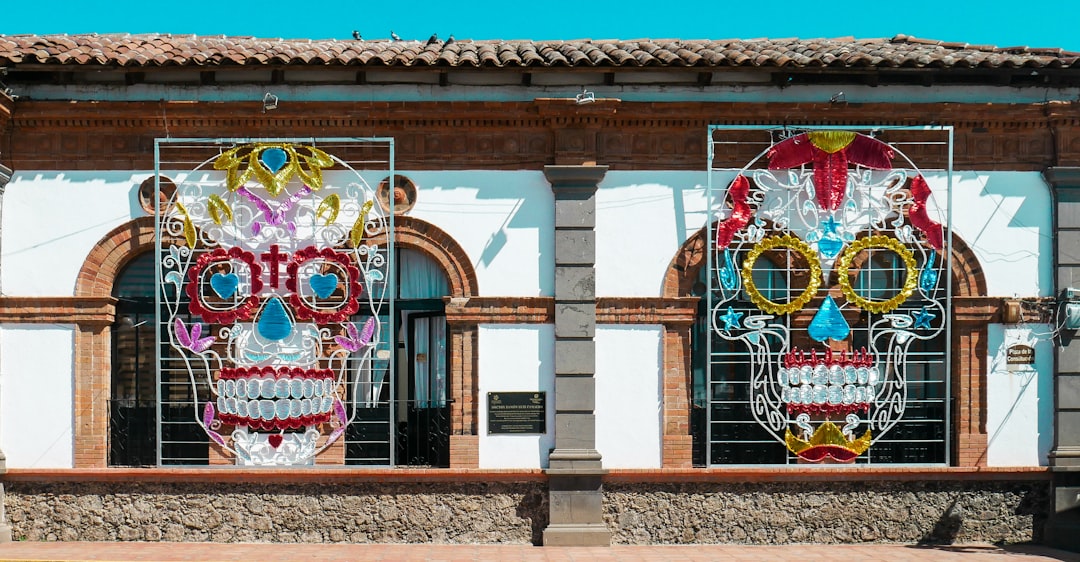
- Calaveras (Sugar Skulls): Decorated skulls given as gifts to friends, often with names written on the forehead—celebrating life rather than mourning death.
- Pan de Muerto: Sweet bread decorated with bone-shaped patterns and sugary glaze, representing the deceased.
- Cemetery Vigils: Families bring offerings to gravesites, clean the area, and keep vigil throughout the night—not in sorrow, but in celebration.
Las Posadas – December 16-24
Las Posadas originated in 1586 when Friar Diego de Soria obtained papal authorization for Christmas gift masses. This nine-day celebration (novena) represents Mary’s nine-month pregnancy and commemorates Mary and Joseph’s difficult journey from Nazareth to Bethlehem seeking shelter.
The Tradition: Each evening, processions reenact the journey, with participants playing Mary (often riding a donkey) and Joseph, accompanied by angels, shepherds, and musicians. Children carry poinsettias as the group travels from house to house.
At each home, pilgrims sing “pedir posada” (asking for lodging). The homeowners initially refuse (reenacting the original rejection), then finally invite everyone inside for celebration. The evening concludes with breaking star-shaped piñatas, Christmas carols, and a feast.
Grito de Dolores & Independence Day – September 15-16
On September 16, 1810, Father Miguel Hidalgo y Costilla rang church bells around 2:30 AM and issued the “Cry of Dolores,” calling for rebellion against Spanish rule. This sparked the Mexican War of Independence.
⚠️ Important Clarification: This is NOT Cinco de Mayo (which celebrates a battle victory over France and is barely celebrated in Mexico). Mexican Independence Day is September 16, and main celebrations occur the evening of September 15.
Modern Celebrations: At 11 PM on September 15, the President rings Hidalgo’s original bell from the National Palace balcony, recites the Grito Mexicano naming independence heroes, and leads threefold shouts of “¡Viva México!” Similar ceremonies occur in cities, towns, and Mexican embassies worldwide, followed by spectacular fireworks.
Día de la Virgen de Guadalupe – December 12
According to legend, on December 9 and 12, 1531, indigenous man Juan Diego encountered the Virgin Mary on Tepeyac Hill. She instructed him to ask the bishop to build a church. When roses miraculously appeared where only cacti grew, Juan showed them to the archbishop—and an image of Our Lady of Guadalupe appeared on his cloak.
Pilgrimage Tradition: The Basilica de Guadalupe receives 20 million pilgrims annually, making it the world’s most-visited Catholic pilgrimage site and third most-visited sacred site overall. Many pilgrims crawl the last few hundred yards on their knees as symbolic penance.
Celebrations include dance presentations representing Mexico’s diverse population, parades, fireworks, flower offerings, and singing “Las Mañanitas” (congratulatory songs) in honor of the Virgin—Mexico’s patron saint.
Family Traditions & Life Cycles
Quinceañera: The 15th Birthday Celebration
The quinceañera tradition stretches back centuries to indigenous Mesoamerican civilizations (Maya and Aztec), originally marking the end of puberty and readiness for motherhood. Spanish missionaries in the 1500s reshaped these indigenous rites to fit Catholic beliefs and European court traditions—creating a unique cultural blend.
Modern Significance: Marks a girl’s transition from childhood to womanhood, signaling readiness to take on adult responsibilities. This cultural touchstone celebrates identity, faith, family, and heritage.
Key Traditions:
- Thanksgiving Mass: Celebrated with parents, godparents, and court of honor before God
- Shoe Ceremony: Father changes daughter’s flat shoes to high heels, symbolizing transformation
- Elaborate Celebration: Often rivals weddings in extravagance, costing $10,000+ with ball gowns, professional photography, live music, and catered meals
- Court of Honor: Similar to bridesmaids and groomsmen at weddings, accompanying the quinceañera throughout the celebration
Mexican Wedding Traditions
Mexican weddings blend indigenous customs with Catholic ceremony, creating unique traditions not found elsewhere:
| Tradition | Meaning | Significance |
|---|---|---|
| El Lazo (Wedding Lasso) | Figure-eight cord draped around couple | Eternal bond, unity, infinite love |
| Las Arras (13 Coins) | Groom gives bride 13 blessed coins | Commitment to provide; represents Jesus and 12 apostles |
| Los Padrinos (Godparents) | Sponsors with specific responsibilities | Examples of love, faith; financial and spiritual support |
| La Víbora de la Mar | Sea snake dance game at reception | Tests couple’s strength facing future challenges together |
Duration Note: Mexican weddings are marathon celebrations—ceremonies last approximately 1 hour, but receptions can extend up to 2 days.
Sunday Family Gatherings (Comida Dominical)
If there’s one tradition that defines Mexican family life, it’s the weekly Sunday gathering. This isn’t just a meal—it’s the heartbeat of familismo (family-centered culture).
Typical Structure: An elaborate afternoon meal (comida) where the entire extended family gathers. Big convivios (get-togethers) feature one large communal meal with traditional dishes like pozole, tamales, mole, and fresh tortillas.
The meal often extends into “la velada familiar”—a relaxed evening of conversation, shared music, and storytelling. This is where traditions pass from generation to generation, where children learn respeto (respect for elders), and where family bonds strengthen weekly.
💡 Cultural Insight: “Ir a un mole” (go to a mole) colloquially means attending a wedding in Mexico—showing how deeply food connects to celebration and family in Mexican culture.
Food as Cultural Expression
In Mexico, food transcends nutrition—it’s communion, connection, and cultural transmission. Every major celebration has signature foods that carry centuries of meaning.
Tamales at Christmas
Tamales have a long history dating back to Aztec and Maya times. Made from specially prepared corn dough with savory or sweet fillings, steamed in corn husks or banana leaves, tamales were once presented as offerings to Aztec gods—particularly Tláloc (god of rain)—hoping to secure good corn harvests.
Regional Variations:
- Northern Mexico: Beef and red chile tamales
- Oaxaca: Banana-leaf packets filled with mole negro
- Yucatán: Cochinita-pibil tamales tinged with achiote
Tamal preparation is labor-intensive, often spanning days, making it a group activity that brings families together—the process matters as much as the product.
Rosca de Reyes (Kings’ Wreath) – January 6
Consumed on Día de Reyes Magos (Three Kings’ Day), this sweet bread is far more than dessert—it’s the enduring cultural centerpiece that anchors Mexico’s winter holiday season.
Symbolism:
- Circular shape: Represents God’s endless love and a king’s crown
- Candied fruit: Represents gifts brought by the Three Wise Men
- Hidden figurines: One or more tiny figurines of infant Jesus baked inside
Social Obligation: The person who finds the Niño Jesús figurine must host Día de la Candelaria (Candlemas) on February 2—the final major celebration of the holiday season. This creates ongoing connection and anticipation within communities.
Mole for Special Occasions
Mole is one of Mexico’s most representative dishes, embodying blended, united Mexico through its fusion of indigenous and European origins. Different mole exists for every event—baptisms, birthdays, quinceañeras, weddings, anniversaries, Independence Day, Día de los Muertos, and even funerals.
Preparation Ritual: Making mole can span entire days. Ingredients are toasted separately, ground into paste, fried, then loosened with chicken stock. It’s often a group activity passed from generation to generation—grandmothers and mothers teach younger generations to perfect the delicate balance of flavors.
This isn’t just cooking—it’s preserving family bonds and sharing cultural heritage. Oaxaca alone has seven distinct mole varieties, with mole negro being the most famous.
Religious Traditions & Syncretism
The Fusion of Catholicism and Indigenous Beliefs
The interplay of Catholicism and indigenous beliefs forms a rich tapestry unique to Mexico. This fusion reflects both the resilience of indigenous cultures and the adaptability of Catholicism during Spanish conquest.
Indigenous peoples incorporated Christianity as a survival strategy—they practiced indigenous rituals disguised as Christianity to avoid persecution. This strategic adaptation allowed them to maintain native spirituality and cultural identity under Christianity’s guise.
Examples of Syncretism:
- Saint Isidore (patron saint of farmers) linked to Aztec god Tláloc (rain god)—allowing continuation of agricultural rituals within Catholic framework
- Christian cross used by Maya to represent the World Tree—one of the most iconic examples of syncretism in the Americas
- Day of the Dead blending pre-Hispanic views on death with Catholic All Saints’ Day and All Souls’ Day
Folk Saints (Santos)
Mexico has numerous folk saints—figures venerated outside official Catholic doctrine, including folk healers, indigenous spirits, and folk heroes.
Santa Muerte (Holy Death): Almost always appears as a female skeletal figure in a long robe, holding a scythe and globe. Associated with healing, protection, and safe delivery to the afterlife. Estimated 12 million followers, concentrated in Mexico, Central America, and the U.S. The Catholic Church does NOT officially recognize Santa Muerte.
San Judas Tadeo (Saint Jude): Veneration gained importance since mid-20th century. Officially associated with difficult circumstances, recently associated with marginalized communities. On feast day (October 28), 80,000-90,000 people attend 15 masses. Unlike Santa Muerte, the Catholic Church officially supports this veneration.
Regional Variations Across Mexico
Mexico isn’t culturally monolithic—traditions vary dramatically across 31 states, each with distinct indigenous influences, geography, and history.
Oaxaca (Southern Mexico)
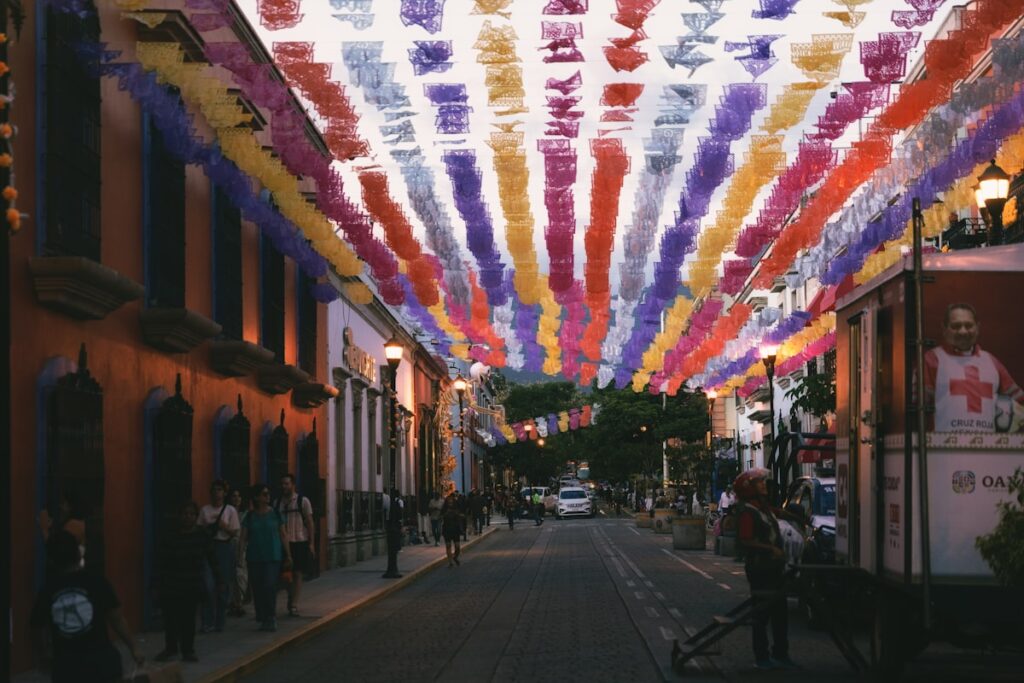
Indigenous Heritage: Home to 16 officially recognized indigenous groups, with Zapotecs and Mixtecs being most numerous. Cultures survived better than most in Mexico due to rugged, isolating terrain.
La Guelaguetza: One of Oaxaca’s most important traditions, the name from Zapotec “Guendalezaa” means “offering, present, fulfillment.” This annual cultural festival showcases a great ethnic and cultural mosaic expressed through multiple languages, dances, and songs.
Famous Dances: Los Diablos, La Tortuga, Las Mascaritas, Los Tejorones. The Afro-Mexican Costa Chica region features Las Chilenas dance.
Yucatán (Southeast Mexico)
Maya Continuity: The Maya civilization never disappeared—many descendants still live in the region today, maintaining linguistic and cultural heritage. The Maya still speak the language of their ancestors and hold onto three-thousand-year-old practices.
Jarana: Style of traditional regional music found throughout the Yucatán peninsula, unique to the region. Culinary traditions show significant Caribbean influence due to geographical location.
Northern Mexico
Cultural Distinctions: Arid landscapes, beef-based cuisine (carne asada), norteño music tradition. More influenced by ranching and cattle culture with closer cultural ties to U.S. Southwest than to southern indigenous-influenced regions. Widely regarded as having the highest living standards in the country.
Indigenous Influences That Survive Today
Aztec Beliefs About Death
The Aztecs viewed death as a natural continuation of life—a cyclical nature where mourning isn’t solely sadness but also celebration. The deceased are honored with rituals acknowledging their impact on the living, reinforcing bonds of family and community.
Modern Día de los Muertos continues this indigenous worldview within a Catholic framework—families prepare home altars and visit cemeteries to keep vigil for loved ones.
Life Cycle Rituals
Birth Ceremonies: Use of water symbolizes life and purification. Midwives wash newborns as cleansing and preparation for life. Umbilical cords are buried in sacred places, symbolizing the child’s connection to earth and roots in community.
Coming of Age: Maya “K’iche'” and Aztec “Tzitzimitl” ceremonies marked transition with public declarations of new status—vital for formation of social roles and responsibilities. The modern quinceañera continues this indigenous tradition.
Marriage: Aztecs believed marriage was a sacred bond connecting families and communities—not merely union of two individuals. This belief about cyclical nature of life echoes in modern Mexican weddings, which unite two families.
Traditional vs Modern: How Traditions Evolve
Fashion
Mexican fashion retains strong ties to traditional roots—indigenous embroidery and textile techniques—but contemporary designers remix traditional outfits, stitching traditional embroidery onto modern cuts. This keeps craft alive while appearing on global fashion runways.
Family Structure
Traditional roles assigned distinct responsibilities to men and women, with extended family having significant input in child-rearing. Modern transformation includes urbanization impacting family dynamics, more women pursuing education and careers, and shifts in gender roles promoting greater equality—yet core family values remain strong.
Festivals and Celebrations
Core elements remain grounded in history with religious and cultural significance preserved. Modern influences include technology changing how people promote and share events—social media platforms showcase festivities to broader audiences and encourage younger generations to participate through digital documentation.
🎯 Key Insight: Mexico skillfully balances preservation of rich heritage with modern innovation. Heritage is both deeply rooted and dynamically adaptive—woven from indigenous traditions, colonial influences, and modern global interactions.
Frequently Asked Questions
What is the most important Mexican tradition?
Día de los Muertos (Day of the Dead) is widely considered Mexico’s most iconic tradition, celebrated November 1-2. UNESCO recognized it as Intangible Cultural Heritage of Humanity in 2008. This celebration honors deceased loved ones through elaborate altars, marigolds, sugar skulls, and cemetery vigils.
Is Cinco de Mayo a major holiday in Mexico?
Contrary to popular belief in the United States, Cinco de Mayo is NOT a major holiday in Mexico and is not Mexican Independence Day. It commemorates the Battle of Puebla victory over France (May 5, 1862). Mexican Independence Day is actually September 16. Cinco de Mayo is not even a federal holiday in Mexico—businesses remain open.
What are typical Mexican family traditions?
Key Mexican family traditions include Sunday family gatherings (comida dominical) with elaborate meals, quinceañera celebrations marking a girl’s 15th birthday transition to womanhood, baptisms establishing compadrazgo (godparent relationships), and traditional Mexican weddings with el lazo (unity cord), las arras (13 coins), and padrinos (godparents).
How do Mexican traditions differ by region?
Mexican traditions vary dramatically by region: Oaxaca maintains strong indigenous Zapotec and Mixtec influences with La Guelaguetza festival; Yucatán preserves Maya culture with jarana music; Northern Mexico features beef-based cuisine and norteño music; each region has distinct festivals, dances, foods, and indigenous influences that survived centuries of cultural change.
What is the significance of food in Mexican traditions?
Food is central to Mexican traditions and serves as communion, not just sustenance. Tamales are essential at Christmas (dating to Aztec times), rosca de reyes on Three Kings Day creates social obligations, pan de muerto honors the deceased during Día de los Muertos, and mole is prepared for every major celebration from baptisms to weddings, often taking entire days to prepare as a family activity.
What is religious syncretism in Mexican culture?
Religious syncretism is the blending of Catholicism with indigenous beliefs that occurred during Spanish colonization. Indigenous peoples incorporated Christianity as a survival strategy, practicing indigenous rituals disguised as Christian practices. Examples include linking Saint Isidore to Aztec rain god Tláloc, using the Christian cross to represent the Maya World Tree, and blending Day of the Dead with All Saints’ Day.
About the Author: Carlos Rivera
Carlos is a native Spanish speaker from Buenos Aires with a passion for Hispanic culture and language education. He has helped over 5,000 students understand the rich cultural context behind Spanish language learning through his innovative teaching methods that emphasize cultural immersion alongside grammar.
Explore More Hispanic Culture
Discover the traditions, celebrations, and cultural heritage of Spanish-speaking countries. Learn Spanish through authentic cultural immersion.
Sources & Further Reading
- UNESCO. (2008). Intangible Cultural Heritage: Indigenous Festivity Dedicated to the Dead.
- Brandes, S. (2006). Skulls to the Living, Bread to the Dead: The Day of the Dead in Mexico and Beyond. Wiley-Blackwell.
- Mexico History. (2024). “Las Posadas: Mexican Christmas Tradition.”
- Franciscan Media. (2023). “Las Posadas: A Mexican Christmas Tradition.”
- History.com. (2023). “How the Quinceañera Became a Latin American Rite of Passage.”
- Meanwhileinmexico.com. (2024). “Familismo – Mexico’s Cultural Cornerstone.”
Share
Topics
You may also like
Spanish Colors: Complete Vocabulary Guide with Cultural Meanings & Memory Tricks


Get the Inside Scoop