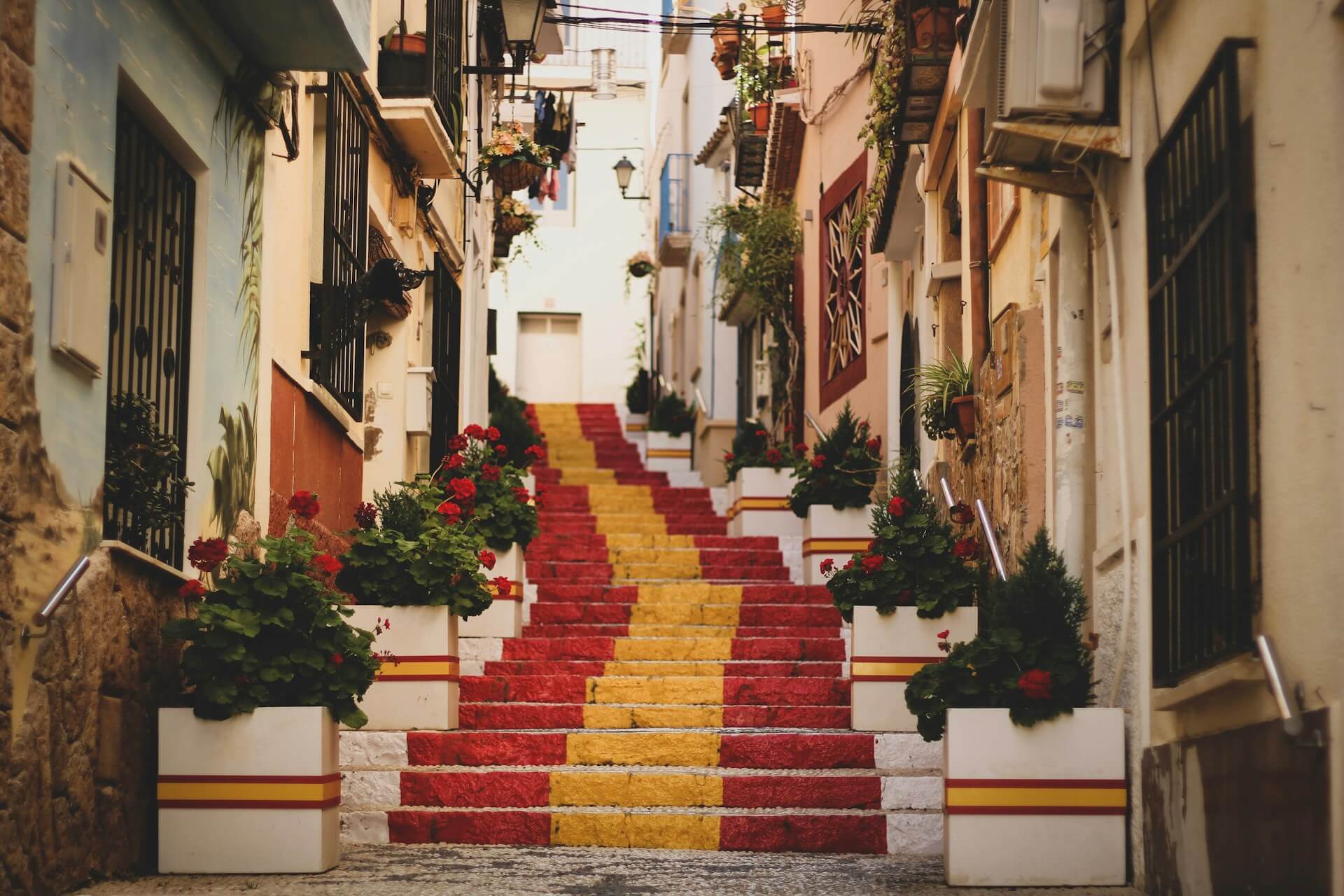
Mother’s Day in Spanish-Speaking Countries: Traditions, Phrases & Celebrations
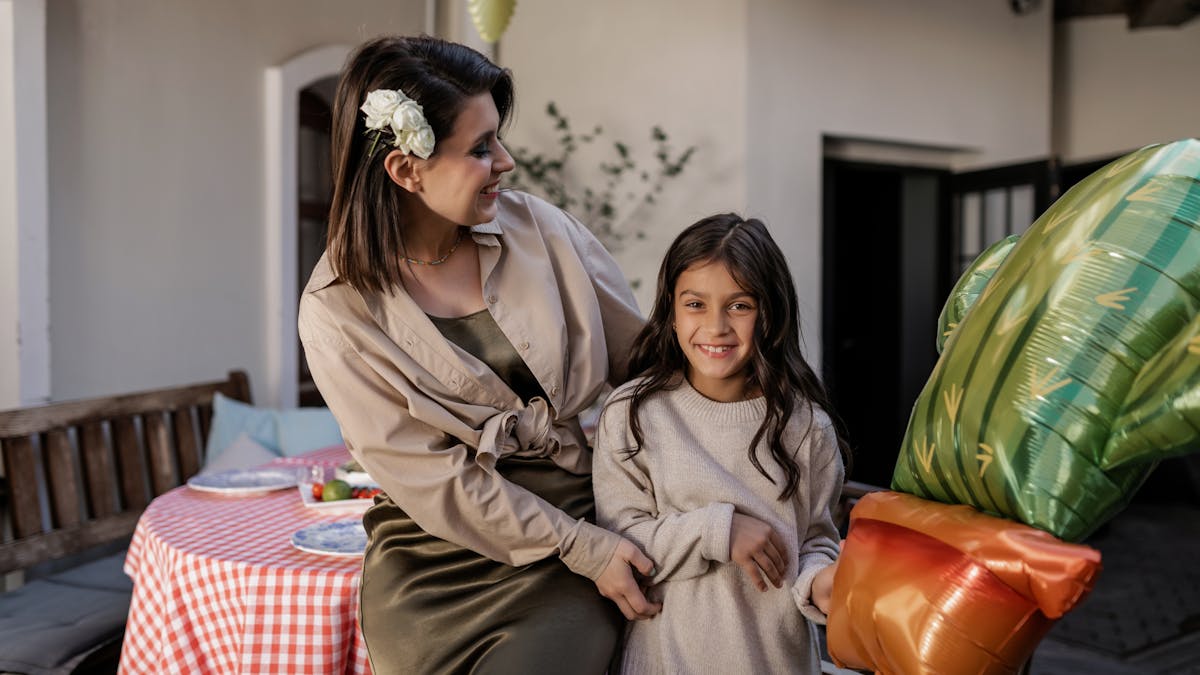
Table of Contents
Key Takeaway
Dia de la Madre (Mother’s Day) holds profound significance across Spanish-speaking countries, celebrating the central role mothers play in families and society. From heartfelt traditions to festive celebrations, this holiday encompasses deep cultural values of family, gratitude, and respect that define Hispanic culture.
1. Dia de la Madre. Origins and Significance
Mother’s Day, or Dia de la Madre, is one of the most widely celebrated holidays across Spanish-speaking countries. While the date varies by country, the underlying theme remains consistent, honoring the love, sacrifice, and contributions of mothers and maternal figures.
Global Mother’s Day Movement
The modern Mother’s Day celebration has its roots in the early 20th century, when Anna Jarvis led a campaign in the United States to establish a dedicated day honoring mothers. This concept gradually spread globally, with different countries adopting the celebration and adapting it to their cultural contexts and traditions.
In Spanish-speaking countries, Mother’s Day became integrated with existing cultural values that already placed mothers at the center of family and community life. The holiday provided a formal occasion to express gratitude and affection that might otherwise go unspoken in daily life.
Cultural Significance
In Hispanic culture, mothers are traditionally viewed as the emotional and spiritual center of families. They are often portrayed in literature, art, and popular culture as nurturing, self-sacrificing, and deeply committed to their children’s wellbeing. Mother’s Day celebrates not just individual mothers but the maternal archetype that holds families and communities together.
The celebration also reflects broader cultural values about family, duty, respect, and gratitude. By setting aside a specific day to honor mothers, Hispanic communities formally acknowledge the often-underappreciated work of motherhood and caregiving.
Spiritual and Religious Dimensions
In many Spanish-speaking Catholic countries, Mother’s Day celebrations often incorporate religious elements, particularly devotion to the Virgin Mary (La Virgen Maria), who represents the ultimate maternal ideal in Catholic theology. Churches often hold special masses on Mother’s Day, blending religious observance with secular celebration.
2. Mother’s Day Celebrations Across Spanish-Speaking Countries
While Mother’s Day shares common themes across Spanish-speaking countries, each nation has developed unique traditions and customs reflecting local culture.
Mexico. Dia de Madres on May 10
In Mexico, Dia de Madres is celebrated on the second Sunday of May, though in practice many Mexicans observe May 10 as the official date. The celebration is one of the largest gift-giving occasions of the year, second only to Christmas in commercial significance.
Traditions include,
- Serenata (Serenades), Families hire musicians to perform traditional songs outside the mother’s window or home early in the morning
- Special meals, Family gatherings with traditional food prepared in honor of mothers
- Flowers and gifts, Carnations are particularly popular, as are jewelry, perfume, and clothing
- Church services, Special masses and spiritual observances in churches
- Cards and letters, Handwritten expressions of love and gratitude
Spain. Dia de la Madre on the First Sunday of May
Spain celebrates Mother’s Day on the first Sunday of May. Spanish celebrations tend to be more subtle and family-focused than the commercialized versions in some other countries.
Traditions include,
- Family breakfasts or brunches, Special meals prepared by family members
- Handmade gifts, Children often create crafts or artwork for their mothers
- Flowers and chocolates, Traditional gifts expressing affection
- Family time, Emphasis on spending quality time together
- Quiet celebration, Less commercial emphasis than in other countries
Argentina. Dia de la Madre on the Third Sunday of October
Argentina uniquely celebrates Mother’s Day on the third Sunday of October, a late-spring date in the Southern Hemisphere. This timing often marks the beginning of spring and renewal.
Argentine traditions include,
- Asados (barbecues), Family gatherings often center on traditional grilled meats
- Tango performances, Traditional music and dance, often featuring themes of mothers and family
- Lavish gifts, Argentina has a strong culture of jewelry and luxury gift-giving
- Restaurant celebrations, Many families dine at restaurants specially prepared for the occasion
Colombia. Dia de la Madre on the Second Sunday of May
Colombian celebrations blend religious tradition with festive cultural expression. The Colombian holiday is marked by,
- Florist celebrations, Flowers are particularly central to Colombian Mother’s Day traditions
- Church observances, Special religious services honoring mothers and the Virgin Mary
- Family gatherings, Emphasis on togetherness and shared meals
- Music and performance, Traditional Colombian music features prominently in celebrations
Perú. Dia de la Madre on the Second Sunday of May
Peru celebrates with,
- Processions, Community parades and public celebrations
- Cultural performances, Traditional dance and music
- Market celebrations, Public markets often feature special events and gatherings
- Family meals, Traditional Peruvian cuisine prepared for the occasion
3. Traditional Phrases and Words of Appreciation
Expressing love and gratitude to mothers is central to Hispanic Mother’s Day celebrations. These traditional phrases convey deep affection and respect.
Common Expressions of Love
- Te quiero mucho, mamá, I love you very much, mom
- Mamá, eres la mejor, Mom, you are the best
- Gracias por todo lo que haces, Thank you for everything you do
- No hay nada como el amor de una madre, There is nothing like a mother’s love
- Eres mi inspiración, You are my inspiration
- Feliz Dia de la Madre, Happy Mother’s Day
Poetic and Emotional Expressions
- Madre, corazón de mi corazón, Mother, heart of my heart
- Tu amor es infinito, Your love is infinite
- Eres mi guía y mi luz, You are my guide and my light
- Con todo mi amor y admiración, With all my love and admiration
- Que Dios te bendiga siempre, May God always bless you
Gratitude Expressions
- Gracias por tu sacrificio y amor incondicional, Thank you for your sacrifice and unconditional love
- Eres fuerte, valiente y amorosa, You are strong, brave, and loving
- Nunca podré pagarte lo que has hecho, I can never repay what you’ve done
- Tu ejemplo nos guía cada día, Your example guides us every day
4. Customs and Gift-Giving Traditions
Gift-giving is central to Mother’s Day celebrations across Spanish-speaking countries. Traditional gifts carry symbolic significance beyond their material value.
Want to go deeper? Audaz Revista Issue 1 covers topics like this with original cultural features and language insights you will not find in a textbook. Explore Issue 1
Flowers. The Universal Gift
Carnations (Claveles), Red carnations symbolize admiration and deep love. Pink carnations represent gratitude, while white carnations symbolize pure love and good luck. Carnations are the traditional Mother’s Day flower across most Spanish-speaking countries.
Roses, Red roses express deep love, while pink roses convey gratitude and appreciation. Roses are often given in elegant bouquets as formal expressions of affection.
Other flowers, Lilies, orchids, and other flowers are also given, each carrying different symbolic meanings within the context of familial love and appreciation.
Jewelry
Jewelry is a particularly popular gift in Spanish-speaking countries, with mothers receiving,
- Pendants, Often featuring religious symbols, family initials, or birthstones
- Bracelets, Sometimes engraved with dates, names, or meaningful messages
- Rings, Sometimes given to celebrate family bonds and connection
- Earrings, Elegant pieces to be worn on special occasions
Perfume and Cosmetics
Beauty products are popular gifts, particularly fine perfumes and luxury cosmetics that make mothers feel pampered and appreciated. These gifts often carry brands and fragrances associated with sophistication and elegance.
Handmade Gifts and Personal Touches
In many Hispanic households, handmade gifts carry particular significance,
- Handwritten letters, Personal notes expressing love and gratitude
- Photo albums, Collections of family memories
- Crafts and artwork, Especially from younger children, these are treasured as expressions of love
- Home-cooked meals, Children preparing their mothers’ favorite dishes
- Poetry or songs, Creative expressions of affection
Experiences as Gifts
Modern Mother’s Day celebrations increasingly feature experiential gifts,
- Spa days or wellness treatments, Opportunities for mothers to rest and be pampered
- Dinner at special restaurants, Family dining experiences
- Weekend trips, Travel experiences with family
- Concert or theater tickets, Cultural entertainment
- Classes or workshops, Opportunities for learning and personal growth
5. Modern Celebrations and Cultural Evolution
While honoring traditional values, Mother’s Day in Spanish-speaking countries has evolved to reflect contemporary realities and changing family structures.
Commercial Expansion
Mother’s Day has become one of the most commercially significant holidays in Spanish-speaking countries. Retailers offer massive sales, and advertising campaigns emphasize gift-giving. This commercialization reflects both the holiday’s popularity and concerns among cultural observers about the loss of more intimate, personal expressions of gratitude.
Expanding Definitions of Motherhood
Contemporary Mother’s Day celebrations increasingly recognize diverse maternal roles,
- Single mothers, Often celebrated with particular emphasis on their strength and dedication
- Adoptive mothers, Recognized for their commitment and love
- Step-mothers, Included in celebrations as maternal figures
- Grandmothers, Often celebrated alongside or instead of biological mothers
- Surrogate maternal figures, Aunts, godmothers, and other women in mentoring roles
Feminist Reexamination
Some contemporary observers in Spanish-speaking communities critically examine how Mother’s Day celebrations sometimes reinforce stereotypical views of motherhood, particularly the expectation that mothers should be endlessly self-sacrificing. Modern celebrations increasingly include conversations about maternal wellbeing, work-life balance, and the value of mothers’ contributions beyond the domestic sphere.
Digital and Virtual Celebrations
Modern technology has transformed how Mother’s Day is celebrated, particularly,
- Virtual gatherings, International families connecting through video calls
- Digital cards and messages, Email and social media expressions of love
- Online gift delivery, Flowers and gifts sent to mothers remotely
- Social media celebrations, Public declarations of love and gratitude
Cultural Preservation Among Diaspora
For Hispanic communities living outside Spanish-speaking countries, Mother’s Day celebrations serve as important cultural anchors. Families maintain traditions by,
- Teaching children Spanish phrases to express appreciation
- Preparing traditional foods from their countries of origin
- Maintaining cultural connections through celebration
- Passing values and traditions to younger generations
Frequently Asked Questions
When is Mother’s Day celebrated in Spanish-speaking countries?
The date varies. Mexico and many Latin American countries celebrate on the second Sunday in May; Spain celebrates on the first Sunday in May; Argentina celebrates on the third Sunday in October; and some countries have other dates. It’s important to know which date applies to the country you’re interested in.
Audaz Revista
Take Your Spanish Further
Audaz Revista Issue 1 is out now, a full-length bilingual magazine for serious Spanish learners. Latin American culture, grammar deep-dives, and language insights written by educators.
What is the significance of carnations for Mother’s Day?
Carnations are the traditional Mother’s Day flower in Spanish-speaking countries. Different colors carry different meanings, red represents deep love and admiration, pink represents gratitude, and white represents pure love and good luck. Carnations have been associated with Mother’s Day celebrations for over a century.
Are Mother’s Day celebrations different in Spain versus Latin America?
While the core themes are similar, celebrations vary by country. Spain tends toward more intimate, family-focused celebrations, while Mexico and some other countries feature more commercialized and festive traditions. Religious elements are more prominent in some countries than others, and gift-giving traditions vary.
What is a serenata and how is it performed?
A serenata is a traditional Mexican serenade performed on Mother’s Day, typically early in the morning. Families hire musicians (often a mariachi band or acoustic guitar players) to perform traditional songs outside their mother’s bedroom window or home. It’s a romantic, heartfelt gesture expressing love and appreciation.
How important is Mother’s Day commercially in Spanish-speaking countries?
Mother’s Day is one of the most important retail and gift-giving occasions in Spanish-speaking countries, typically second only to Christmas. Retailers offer significant discounts and promotions, and advertising campaigns emphasize gift-giving. The commercial aspect is particularly pronounced in Mexico and other Latin American countries.
Can men be celebrated on Mother’s Day if they serve maternal roles?
Some contemporary celebrations have expanded to honor anyone in a maternal caregiving role, including fathers who serve as primary caregivers. However, this varies by country and community. The traditional focus remains on biological and adoptive mothers.
How can I respectfully celebrate Mother’s Day if I’m not from a Spanish-speaking culture?
Learn about the traditions and significance in the specific country you’re interested in. Show genuine appreciation rather than stereotypical gestures. Support local Hispanic-owned businesses, learn traditional expressions of gratitude in Spanish, and engage authentically with the cultural values that underlie these celebrations.
About the Author
Carlos Rivera is a cultural anthropologist specializing in family traditions and holiday celebrations across Hispanic communities. With expertise in both Spanish and Latin American cultures, Carlos explores how traditions maintain cultural identity while adapting to modern contexts, bringing scholarly insight to beloved celebrations.
Sources
- Schneider, Mary. (2019). “Mother’s Day: A History of Mothers and Motherhood in America.” Rutledge Publications. https://www.routledge.com/
- Cultural Heritage Society. (2023). “Global Mother’s Day Traditions.” https://www.culturalheritage.org/
Share
Topics

audazrevista
You may also like


Get the Inside Scoop