The Art of Sobremesa: Why Spaniards Never Rush Dinner
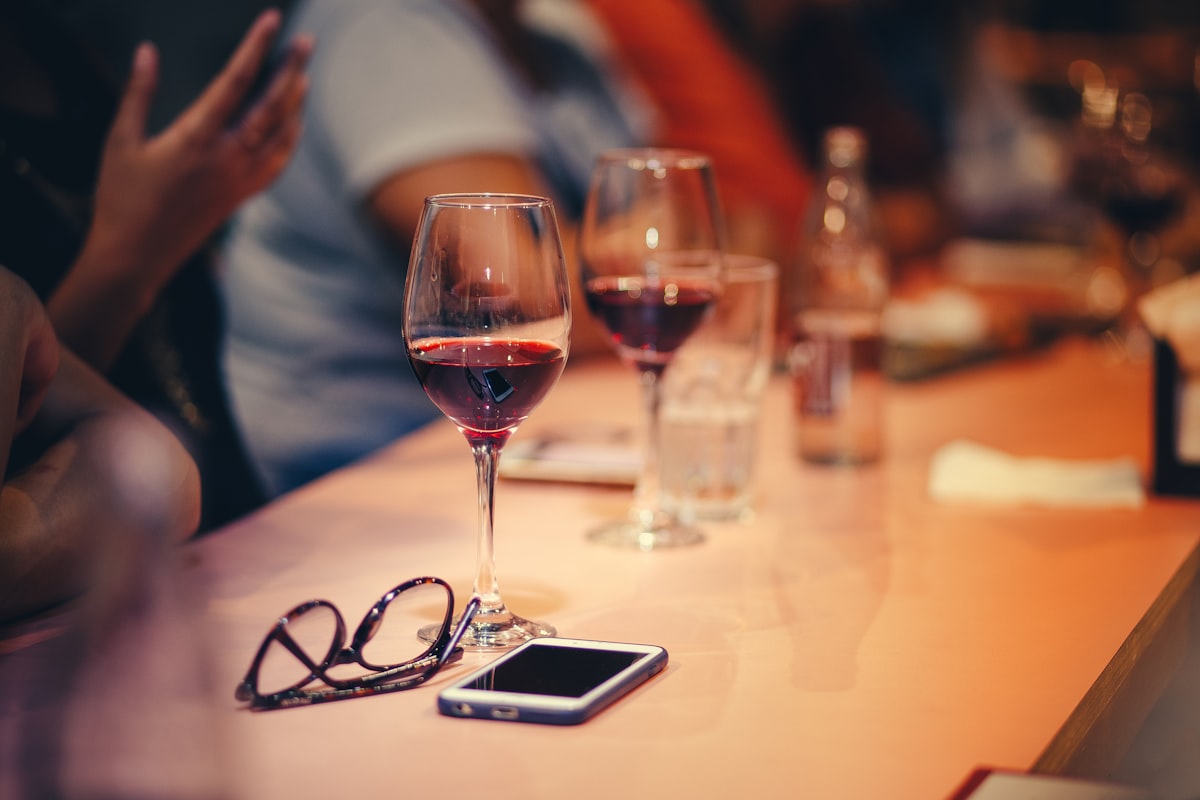
In most of the world, finishing your meal means the social interaction is over. You get the check, you leave, you move on with your day. Not in Spain. Here, the end of the meal is just the beginning of something even more important: sobremesa.
This untranslatable Spanish word captures a philosophy of life that values conversation over efficiency, relationships over schedules, and presence over productivity. According to a study cited in El País, the average Spanish sobremesa lasts 45 minutes on weekdays and over 2 hours on weekends.
Key Takeaway: Sobremesa is the Spanish tradition of lingering at the table after a meal for conversation, coffee, and connection. It represents a cultural rejection of hurried living and a commitment to relationships over schedules.
Table of Contents
What Is Sobremesa? The Complete Definition
Sobremesa (pronounced soh-breh-MEH-sah) literally translates to “over the table” in Spanish. But this simple translation misses everything important about the word.
Sobremesa refers to the time spent lingering at the table after a meal—talking, laughing, drinking coffee or digestifs, and simply enjoying the company of others. It is not a rushed activity or a scheduled event. It is organic, flowing naturally from the end of the meal into something that can last minutes or hours.
The Real Academia Española defines sobremesa as “the time spent at the table after eating.” But ask any Spaniard and they will tell you it means much more: it is family, friendship, philosophy, debate, storytelling, and connection.
Unlike the American concept of “dessert” or the French “digestif,” sobremesa is not about what you consume—it is about the time itself. You can have sobremesa with just water on the table. The key ingredient is unhurried conversation.
Historical Origins of Sobremesa
Sobremesa has roots going back centuries in Mediterranean culture, but it crystallized into its modern form during Spain’s agricultural past.
The Agricultural Connection: Spanish farmers would return home for the main meal at midday (la comida), typically between 2-4 PM. The hot afternoon sun made immediate return to fieldwork impractical and even dangerous. This forced rest period became a time for family connection.
The Siesta Link: Sobremesa is closely connected to the Spanish siesta tradition. After a long sobremesa, family members might rest before returning to work in the cooler evening hours. This rhythm of eating, talking, and resting shaped Spanish society for generations.
Industrial Preservation: Remarkably, even as Spain industrialized and modernized, sobremesa survived. While other countries adopted quick lunch breaks and eating at desks, Spanish culture fiercely protected this tradition. Today, many Spanish businesses still close for extended lunch periods, partly to preserve sobremesa.
Modern Evolution: Contemporary sobremesa has adapted to urban life. While weekday sobremesas may be shorter, weekend family gatherings can still feature sobremesas lasting 3-4 hours. The tradition has proven remarkably resilient against globalization pressures.
Why Spaniards Never Rush Dinner
To understand sobremesa, you need to understand the Spanish relationship with time. According to research from BBC Travel, Spain has one of the most relationship-oriented cultures in Europe.
Core Spanish Values That Create Sobremesa:
- Meals are events, not refueling stops: Food is prepared with care and eaten with attention. Rushing through a meal disrespects the cook’s effort.
- Relationships over efficiency: Being with people you care about is more valuable than checking tasks off a list.
- Present-moment focus: Spaniards prioritize being fully present over planning the next activity.
- Hurrying is almost rude: Rushing suggests you do not value the company enough to stay.
When a Spanish host invites you for dinner, they are not just offering food—they are offering time. Sobremesa is where that gift is fully realized.
Tourist Tip: In Spain, asking for the check (“la cuenta”) immediately after eating can seem rude. Wait, relax, and enjoy the sobremesa. The waiter will never rush you—and they might be offended if you rush yourself.
Health and Social Benefits of Sobremesa
Sobremesa is not just pleasant—it is scientifically beneficial. Research supports multiple health advantages:
| Benefit Category | Specific Benefits | Research Support |
|---|---|---|
| Digestive Health | Better digestion, reduced bloating | Slow eating aids nutrient absorption |
| Weight Management | Prevents overeating | 20-min satiety signal delay recognized |
| Mental Health | Reduced anxiety, increased happiness | Social connection releases oxytocin |
| Relationships | Stronger family bonds | Shared meals predict relationship quality |
| Longevity | Extended lifespan | Blue Zone research on social eating |
The Blue Zone Connection: Spain has one of the highest life expectancies in the world. Researchers studying “Blue Zones” (regions with exceptional longevity) have identified shared meals and extended social eating as key factors. Sobremesa embodies these principles perfectly.
Family Benefits:
- Children learn conversation skills naturally by observing and participating
- Family stories and history are passed down organically
- Parents stay connected with teenagers’ lives through regular, unhurried conversation
- Grandparents remain integrated in daily family life
The Sobremesa Experience: What Actually Happens
If you have never experienced a true Spanish sobremesa, here is what to expect:
Phase 1: The Meal Ends (but nothing changes)
Plates are cleared, but no one moves from the table. There is no signal that the gathering should end. Conversation continues naturally from meal-related topics (“This paella is amazing!”) to broader subjects.
Phase 2: Coffee and Digestifs Arrive
Someone suggests “Un café?” or “Una copita?” Coffee options include café solo (espresso), cortado (espresso with milk), or café con leche. Digestifs might include orujo, pacharán, brandy, or licor de hierbas. This is not about the drink—it is about extending the time together.
Phase 3: Conversation Deepens
Light topics give way to meaningful ones. Politics, philosophy, family matters, dreams, complaints, jokes—everything is fair game. Multiple conversations might happen simultaneously. Voices get louder. Hands gesture expressively. This is peak sobremesa.
Phase 4: Time Becomes Irrelevant
No one checks their watch. The outside world fades. Whether 30 minutes or 3 hours have passed becomes unknowable and unimportant. This is the magic of sobremesa.
Phase 5: Natural Conclusion
The gathering ends when it naturally feels complete—never forced, never announced. Someone might say “Bueno…” (a Spanish conversational marker meaning “well, then…”) and slowly the group disperses. There is no rush even in leaving.
Sobremesa vs Other Cultures: A Comparison
How does sobremesa compare to dining traditions elsewhere?
| Culture | Post-Meal Tradition | Average Duration |
|---|---|---|
| Spain | Sobremesa (conversation focus) | 45 min – 3+ hours |
| Italy | Caffè e digestivo | 30 min – 1 hour |
| France | Fromage, café, digestif | 30 min – 1 hour |
| USA | Check requested immediately | 5-15 minutes |
| Japan | Quick departure expected | 5-10 minutes |
The Spanish approach stands out for its length and its focus on conversation rather than additional courses or drinks. While Italians and French have similar concepts, the Spanish sobremesa is notably longer and more conversation-centered.
Understanding these differences is important if you are traveling to Spain or hosting Spanish guests.
How to Practice Sobremesa in Your Life
You do not need to be Spanish to enjoy sobremesa. Here is how to adopt this tradition:
At Home (Start Here):
- Commit to staying at the table 20+ minutes after eating
- Put all phones in another room during meals and after
- Have coffee or tea ready as a “next course” to extend the time
- Ask open-ended questions: “What was the best part of your day?”
- Resist the urge to clean up immediately—dishes can wait
When Hosting Dinner Parties:
- Do not clear plates immediately—let conversation flow first
- Plan for dessert, then coffee, then perhaps another round
- Create comfortable seating (people should not feel trapped)
- Set the mood with appropriate lighting and background music
- Never mention how late it is getting
At Restaurants:
- Do not ask for the check right away
- Order coffee, dessert, or a digestif to extend the experience
- Embrace the slower pace—it is not bad service
- Choose restaurants that do not rush turnover
Weekly Sobremesa Challenge: Choose one meal this week for intentional sobremesa. Put away devices, prepare coffee or tea, and commit to at least 30 minutes of post-meal conversation. Notice how it changes the quality of your connection.
Essential Spanish Phrases for Sobremesa
If you are learning Spanish, these phrases will help you participate fully in sobremesa:
| Spanish | English | When to Use |
|---|---|---|
| ¿Un café? | Shall we have coffee? | To initiate sobremesa |
| ¿Tomamos una copa? | Shall we have a drink? | After dinner |
| Qué rica estuvo la comida | How delicious the meal was | Complimenting the host |
| Cuéntame más | Tell me more | Encouraging conversation |
| No hay prisa | There is no rush | Reassuring others |
| Qué bien se está aquí | How nice it is here | Appreciating the moment |
For more useful expressions, see our guide to Spanish slang that makes you sound native.
Common Sobremesa Mistakes to Avoid
If you are new to sobremesa, avoid these common errors:
1. Checking Your Phone
Nothing kills sobremesa faster than scrolling. The whole point is presence and connection. Put devices away completely.
2. Mentioning the Time
Saying “Wow, it’s already 11 PM!” signals that you think the gathering should end. Let time be irrelevant.
3. Standing Up Too Soon
Getting up from the table signals the sobremesa is over. Stay seated until the natural conclusion.
4. Scheduling Things Immediately After
Planning activities right after a Spanish meal shows you do not understand the culture. Keep your schedule open.
5. Rushing to Clean Up
The dishes can wait. Jumping up to wash plates interrupts the flow and suggests the conversation is not important.
Frequently Asked Questions
How long does sobremesa typically last?
Sobremesa can last anywhere from 30 minutes to several hours, depending on the occasion. A casual weekday lunch might have a shorter sobremesa, while a Sunday family gathering or dinner with friends can extend for 2-3 hours or more. The key is that it has no fixed end time—it concludes naturally when the conversation winds down.
Is sobremesa only for dinner?
No. In Spain, sobremesa happens after any substantial meal, including lunch—which is actually the biggest meal of the day in Spain, typically served between 2-4 PM. Weekend lunches, especially Sunday’s “comida familiar,” are famous for having the longest sobremesas.
What if I have somewhere to be?
If you must leave, mention it early (“Qué pena, pero tengo que irme a las cuatro”—What a shame, but I have to leave at four). However, scheduling things right after a Spanish meal is considered a faux pas. When possible, keep your schedule open and embrace the unpredictable length of sobremesa.
What do you drink during sobremesa?
Coffee is most common—typically café solo (espresso) or cortado (espresso with a splash of milk). Digestif liquors like orujo, pacharán, or brandy are popular after dinner. Some continue with wine. But the drink is secondary to the conversation—water is perfectly acceptable.
Do restaurants in Spain allow long sobremesas?
Yes, absolutely. Spanish restaurants expect guests to linger and will never bring the check unless asked. In fact, trying to rush customers would be considered rude and bad for business. This is one reason meals in Spain feel so relaxed compared to other countries.
Is sobremesa practiced in Latin America?
Yes, sobremesa exists throughout Latin America, though practices vary by country. It tends to be most prominent in countries with strong Spanish colonial heritage like Mexico, Argentina, and Colombia. Each country has adapted the tradition to local culture while maintaining the core element of post-meal conversation.
Try Sobremesa This Week
Choose one meal this week to practice sobremesa. Put phones away, make coffee, and stay at the table for at least 30 minutes after eating. Notice how it changes the quality of your conversation and connection.
You might just discover why Spaniards guard this tradition so fiercely—and why their relationships, health, and happiness benefit from these unhurried hours spent “over the table.”
Explore More Spanish Culture
Written by Elena Garcia
Elena is a bilingual content creator and translator specializing in Spanish-English language education. She runs a popular YouTube channel with 100K+ subscribers dedicated to Spanish learning and cultural insights.
Share
Topics
You may also like
Get the Inside Scoop