12 Things About Spain’s Siesta Tradition That Surprise Every Visitor
In This Article
- 1. The Siesta Has Moorish and Roman Origins
- 2. Most Younger Spaniards Don’t Actually Nap
- 3. Siesta Is a Cultural Concept, Not Just a Nap
- 4. How Shops ACTUALLY Close During Siesta
- 5. Regional Differences Are Enormous
- 6. There’s a Serious Economic Debate Around It
- 7. Science Actually Backs the Afternoon Rest
- 8. The EU Has Weighed In on Spain’s Schedule
- 9. Work Schedules Are Rapidly Changing
- 10. The Siesta Explains Why Dinner Is at 10 PM
- 11. What Tourists Get Wrong About the Siesta
- 12. The Siesta Isn’t Dying, It’s Evolving
- Conclusion
The spanish siesta tradition spain is one of the most famous cultural practices on the planet. Everyone’s heard of it. Almost nobody understands it correctly.
Here’s the real talk. The siesta is not a national nap mandate. It’s not lazy. And it’s definitely not what your travel guide described. After you read these twelve facts, you’ll see this tradition in a completely different light. You’ll also learn spanish food terms that connect directly to Spain’s unique daily rhythm.
1. The Siesta Has Moorish and Roman Origins
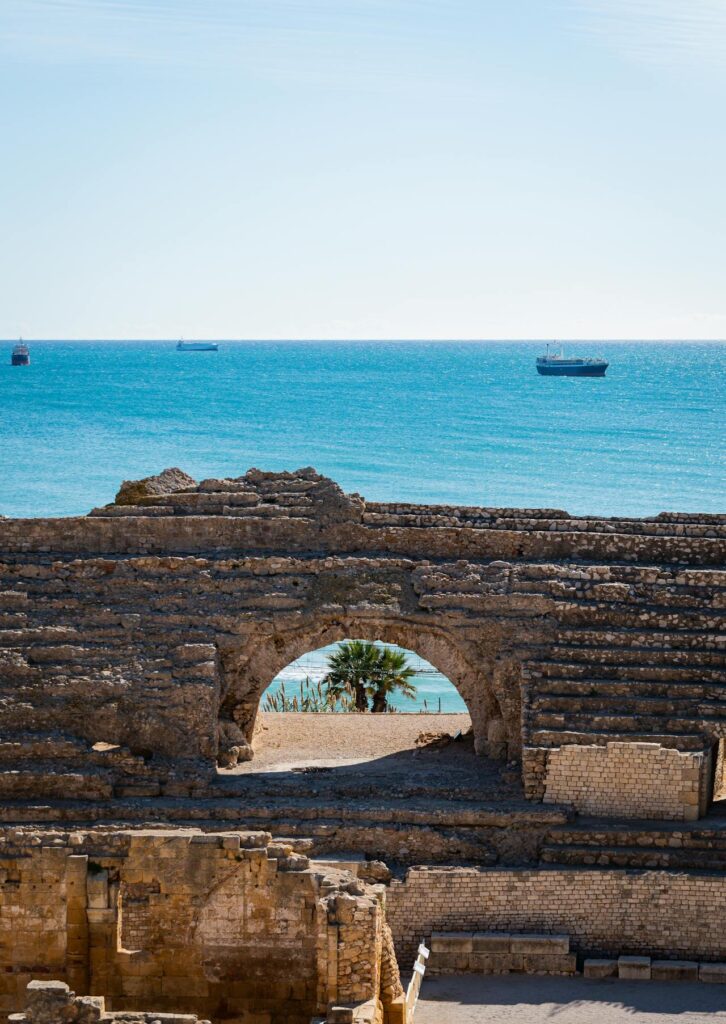
The word siesta (see-ES-ta, afternoon rest) comes from the Latin phrase “hora sexta, ” meaning the sixth hour after dawn. That puts it right around noon or early afternoon. The Romans practised it first.
But the tradition deepened during nearly 800 years of Moorish rule on the Iberian Peninsula (711-1492 AD). The Moors brought sophisticated agricultural practices that required early morning and late afternoon work, with rest during the brutal midday heat. According to the Real Academia Española, the word entered Spanish directly from Latin, but the cultural practice was reinforced by centuries of Islamic influence.
This matters because the spanish siesta tradition spain isn’t some quirky modern habit. It’s a practice with over a thousand years of history, shaped by climate, agriculture, and multiple civilisations.
2. Most Younger Spaniards Don’t Actually Nap
Here’s the fact that surprises visitors most. According to a 2023 survey by the Spanish Sleep Society (Sociedad Española del Sueño), only about 16% of Spaniards take a daily nap. Among adults under 35, that number drops even further.
Young professionals in Madrid, Barcelona, and Valencia are more likely to use the midday break for the gym, errands, or scrolling their phones. The napping habit skews heavily toward older generations and rural communities.
A 2024 study by the Centre for Sociological Research (CIS) found that 58% of Spaniards between 18 and 30 said they “never or rarely” nap. The spanish siesta tradition spain is alive, but its form has changed dramatically among younger people.
3. Siesta Is a Cultural Concept, Not Just a Nap
Forget what your textbook told you. The siesta is not just about sleeping. It’s about a cultural pause in the middle of the day. It’s about sobremesa (so-bray-MAY-sah, the leisurely after-meal conversation), long lunches, and a fundamentally different relationship with time.
When shops close between 2:00 and 5:00 PM, it creates space for the main meal of the day, comida (ko-MEE-da, lunch or the main meal). Families gather. Workers go home. The entire country shifts gears.
This concept extends into how Spaniards think about work-life balance. The midday break isn’t wasted time. It’s invested time, poured into relationships, food, and rest. That’s the heart of the spanish siesta tradition spain.
4. How Shops ACTUALLY Close During Siesta
Visitors often panic when they discover half the shops are shuttered at 3:00 PM. Here’s what actually happens.
What closes,
- Small family-owned shops and boutiques
- Local bakeries and specialty food stores
- Many pharmacies (though duty pharmacies stay open)
- Some banks and government offices
- Local bars in smaller towns
What stays open,
- Supermarkets and large chain stores
- Shopping centres and department stores
- Tourist-area restaurants and shops
- Most cafes in major cities
- Museums and major attractions
The split-shift pattern means small businesses open from about 9:30 AM to 2:00 PM, close for siesta, then reopen from 5:00 to 8:30 PM. If you’re shopping for souvenirs in a hidden Mallorcan village, plan around these hours.
5. Regional Differences Are Enormous
Spain is not one country when it comes to siesta. The tradition varies wildly depending on where you are.
Southern Spain (Andalucía, Extremadura), The siesta is strongest here. Summer temperatures regularly exceed 40°C. Closing shop during peak heat isn’t cultural, it’s survival. Streets in cities like Seville and Córdoba empty completely between 2:00 and 5:00 PM in July and August.
Northern Spain (Galicia, Basque Country, Asturias), Much weaker siesta culture. Cooler climates mean less need for a midday rest. Many businesses in cities like San Sebastián maintain continuous hours from 9:00 AM to 7:00 PM, closer to the European norm.
Major cities (Madrid, Barcelona), A mixed picture. International businesses often skip the siesta schedule entirely. Local neighbourhood shops still close. It depends on the barrio (ba-REE-oh, neighbourhood).
Islands (Canaries, Balearics), Tourism has created a hybrid. Tourist-facing businesses stay open all day, while local shops follow the traditional split.
6. There’s a Serious Economic Debate Around It
The spanish siesta tradition spain isn’t just cultural. It’s an economic issue that sparks fierce debate.
Critics argue that the split-shift schedule makes Spain less competitive. According to the OECD, Spanish workers clock some of the longest hours in Europe but rank below average in productivity per hour. The split schedule means many workers don’t finish until 8:00 or 9:00 PM, leaving little time for family life.
The National Commission for the Rationalisation of Spanish Schedules (ARHOE) has campaigned for years to move Spain to a continuous workday. Their proposal, work from 9:00 AM to 6:00 PM with a short lunch break, aligning with the rest of Europe.
Supporters counter that the midday break boosts afternoon productivity and maintains quality of life. It’s a debate that touches identity, economics, and what it means to live well.
1. What Latin phrase does “siesta” come from?
Answer. Hora sexta (the sixth hour)
2. What percentage of Spaniards nap daily?
Answer. About 16%
3. Which region of Spain has the strongest siesta tradition?
Answer. Southern Spain (Andalucía), due to extreme summer heat
4. What is sobremesa?
Answer. The leisurely after-meal conversation, a key part of the midday break
7. Science Actually Backs the Afternoon Rest
Here’s where it gets fascinating. The science supports what Spaniards have known for centuries.
Research published in the journal Heart (a BMJ publication) found that regular short naps of 20 to 30 minutes were associated with a 37% lower risk of coronary heart disease. A NASA study found that a 26-minute nap improved pilot performance by 34% and alertness by 54%.
The human body experiences a natural dip in circadian alertness between 1:00 and 3:00 PM. This “post-lunch dip” happens regardless of whether you eat lunch. Your body temperature drops slightly, melatonin edges up, and your brain craves rest.
The spanish siesta tradition spain aligns perfectly with human biology. It’s not laziness. It’s evolutionary design.
8. The EU Has Weighed In on Spain’s Schedule
In 2016, the European Parliament recommended that Spain adopt standard European working hours. Former Prime Minister Mariano Rajoy’s government even proposed moving Spain from Central European Time (CET) to Greenwich Mean Time (GMT), arguing that Spain is geographically aligned with the UK and Portugal, not Germany.
Spain adopted CET during World War II to align with Nazi Germany, and it stuck. This means Spanish clocks run about an hour ahead of their solar time. When it’s noon on the clock, the sun says it’s only 11:00 AM.
This time zone misalignment helps explain the late schedule. Spaniards eat lunch at 2:00 PM, but their solar time is closer to 1:00 PM. Dinner at 10:00 PM is really 9:00 PM solar time. The entire spanish siesta tradition spain connects to this fascinating clock discrepancy.
9. Work Schedules Are Rapidly Changing
The traditional split shift is losing ground, especially since the pandemic. A 2024 report by Randstad Research found that 60% of Spanish companies still use split schedules, down from an estimated 75% a decade ago.
Major Spanish companies like Telefónica, BBVA, and Inditex (the parent company of Zara) have moved to continuous schedules. Many tech startups in Barcelona and Madrid operate on standard 9-to-6 hours.
The public sector has been slower to change. Government offices, schools, and some healthcare facilities still follow the split pattern. But the trend is clear. Spain’s work culture is evolving, and the siesta schedule is adapting with it.
For visitors, this means checking hours carefully. The safest rule, if it’s a small local business, expect it to close at 2:00 PM. If it’s a chain or international company, expect continuous hours.
10. The Siesta Explains Why Dinner Is at 10 PM
Everything in the Spanish day connects. If you want to understand why Spaniards eat cena (SAY-na, dinner) at 10:00 PM, you need to understand the siesta rhythm.
The chain works like this,
- A big comida (ko-MEE-da, lunch) happens at 2:00 PM
- The siesta break fills the early afternoon
- Work resumes from 5:00 to 8:00 or 9:00 PM
- Merienda (meh-ree-EN-da, afternoon snack) at 6:00 PM holds you over
- You’re not hungry for dinner until 9:00 or 10:00 PM
Remove any link in that chain and the whole schedule falls apart. That’s why changing the siesta tradition isn’t simple. It would mean restructuring every meal, every work shift, and every social ritual. If you want to learn spanish food terms that connect to this rhythm, our complete siesta guide covers the vocabulary in depth.
11. What Tourists Get Wrong About the Siesta
The biggest misconception? That the siesta means Spaniards are lazy. This couldn’t be further from the truth.
Spain has the fourth-largest economy in the Eurozone. Spaniards work an average of 1, 641 hours per year, according to the OECD, which is more than workers in Germany, France, or the Netherlands.
Other common tourist mistakes about the spanish siesta tradition spain,
- “Everyone sleeps from 2-5 PM.” Most people don’t nap. They eat, socialise, or run errands.
- “It happens every single day.” Many businesses now skip the break, especially in big cities.
- “It’s a holiday vibe.” It’s daily life. Not a vacation mode. Workers still put in full hours.
- “Only Spain does it.” Many Mediterranean and Latin American countries have similar traditions. Italy has the “riposo.” Greece has the “mesimeri.”
If you’re exploring Madrid, understanding the siesta schedule turns frustration into appreciation. Plan your museum visits, shopping, and meals around the rhythm instead of fighting it.
12. The Siesta Isn’t Dying, It’s Evolving
Pack your bags. Spain is changing, but the siesta spirit isn’t disappearing. It’s transforming.
The nap itself is fading among working professionals. But the values behind it, prioritising meals, relationships, and rest, are stronger than ever. The pandemic reinforced what Spaniards always knew, quality of life matters more than office hours.
New trends reflect this evolution,
- “Power nap” bars have opened in Madrid and Barcelona, offering 20-minute nap pods for busy workers
- Flexible lunch hours at modern companies let workers take 90 minutes instead of two to three hours
- Remote work has given many Spaniards back the midday break they lost in continuous-schedule offices
- Wellness culture has rebranded the siesta as a productivity hack, ironically bringing international attention back to it
The spanish siesta tradition spain will look different in twenty years. But the fundamental idea, that the middle of the day deserves something better than a rushed sandwich at your desk, will endure. This is how native speakers actually live.
Conclusion
The spanish siesta tradition spain is far more complex, historically rich, and personally meaningful than the stereotypical “afternoon nap” label suggests. From its Roman and Moorish roots to the modern economic debates, from the regional variations to the scientific validation, the siesta tells a story about how an entire culture organises its relationship with time, food, and rest.
You’ve learned twelve surprising truths. You’ve picked up essential spanish food terms like comida, merienda, cena, and sobremesa. You understand why dinner happens at 10:00 PM and why that’s not as wild as it sounds.
Now you understand this culture better. Use this knowledge to connect authentically when you visit. Embrace the rhythm instead of resisting it. Sit down for a long lunch. Take the evening stroll. Let the sobremesa stretch. That’s the real Spain. You’ve got this.
Share
Topics
You may also like

Get the Inside Scoop