Spanish Festivals: 20+ Spectacular Celebrations Across Spain & Latin America [2026]
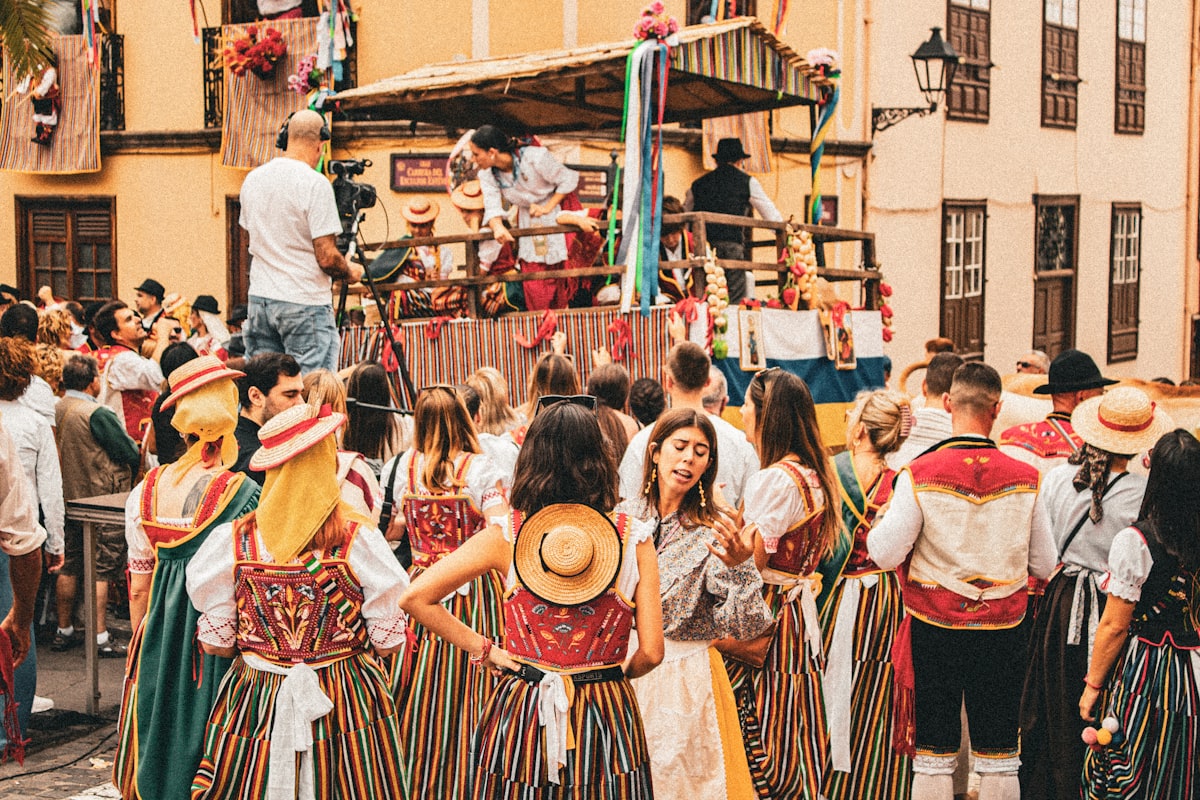
Key Takeaway: Spain celebrates over 15,000 local fiestas each year, making it one of the most festive countries on Earth. From throwing tomatoes in Valencia to running with bulls in Pamplona, Spanish festivals blend centuries-old traditions with pure, unfiltered joy. This guide covers 20+ celebrations you need to experience at least once.
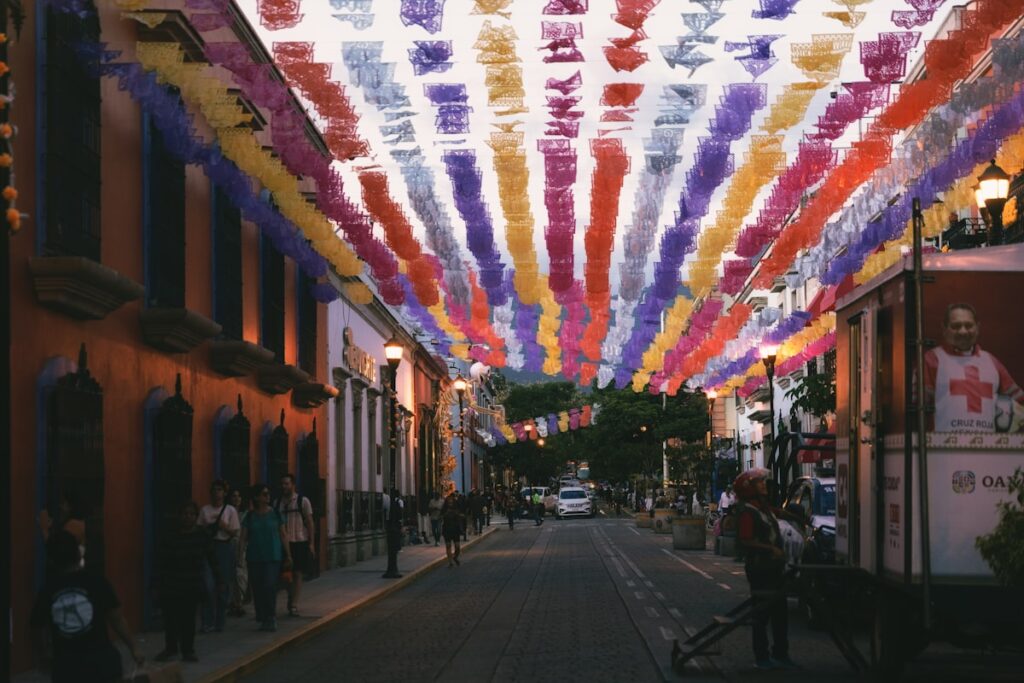
Spain does not do things quietly. Neither does Latin America. When these cultures celebrate, they celebrate with fire, color, music, and a passion that can be felt from streets away. If you’ve ever wondered why Hispanic culture feels so vibrant and alive, the answer is written in its festivals.
Whether you’re a Spanish learner looking to understand the culture behind the language, or a traveler planning your next adventure, knowing these festivals will transform how you experience the Spanish-speaking world. Because learning Spanish is not just about grammar rules and vocabulary lists. It is about understanding the people who speak it, and nothing reveals a culture’s soul like its celebrations.
What Makes Spanish Festivals Special?
Spanish festivals (fiestas) are deeply rooted celebrations that blend Catholic religious traditions, ancient pagan rituals, and regional cultural identity. Unlike commercial holidays, most Spanish fiestas are community events passed down through generations, each with its own history, customs, dress codes, and even foods.
What sets Spanish festivals apart from celebrations elsewhere? Three things: community participation, sensory intensity, and deep historical roots. You won’t find spectators at a Spanish fiesta. Everyone is a participant. The entire town shuts down, shops close, and people of all ages fill the streets together.
Source: Spain Tourism Board, Instituto Cervantes
“Language is the road map of a culture. It tells you where its people come from and where they are going.”
Spring Festivals in Spain (March – May)
Spring is when Spain truly comes alive. The weather warms, flowers bloom, and some of the country’s most iconic celebrations take center stage.
Las Fallas de Valencia (March 1-19)
Valencia erupts into controlled chaos each March during Las Fallas. Artists spend an entire year building enormous papier-mâché sculptures called ninots, some reaching five stories tall. These satirical creations poke fun at politicians, celebrities, and cultural figures. On the final night, La Cremà, every sculpture is set ablaze in a spectacular bonfire while fireworks light the sky. Only one ninot, voted “most beautiful” by the public, is saved and placed in the Fallas Museum.
The festival also features daily mascletàs (daytime firecracker displays) in the Plaza del Ayuntamiento and the stunning Ofrenda de Flores, where thousands of people in traditional dress offer flowers to the Virgin Mary.
Semana Santa / Holy Week (March-April)
Semana Santa is Spain’s most emotionally intense celebration. During the week before Easter, hooded nazarenos (penitents) walk in solemn processions carrying elaborate pasos (floats depicting biblical scenes). Seville, Málaga, and Valladolid host the most dramatic processions, with some pasos weighing several tons and carried by dozens of men called costaleros.
The atmosphere shifts between profound silence and sudden bursts of saetas, passionate flamenco-style songs sung from balconies to the passing floats. If you’ve been exploring flamenco’s deep history, Semana Santa is where you hear its most raw, spiritual expression.
Feria de Abril, Seville (April)
Two weeks after Semana Santa, Seville switches from solemn devotion to pure celebration. The Feria de Abril transforms an entire neighborhood into a city of over 1,000 casetas (decorated tents), where families and friends gather to eat, drink rebujito (sherry and lemon soda), and dance sevillanas. Women wear their finest trajes de flamenca (flamenco dresses), and horse-drawn carriages parade through illuminated streets.
Córdoba Patio Festival (May)
Every May, residents of Córdoba open their private patios to the public, showcasing stunning displays of flowers, ceramics, and fountains. This tradition dates to 1921 and was declared UNESCO Intangible Cultural Heritage in 2012. Walking through the narrow streets of the old Jewish quarter, discovering hidden courtyards bursting with color, is one of Spain’s most peaceful and beautiful festival experiences.
Did you know? The word “fiesta” comes from the Latin festa, meaning “feast day.” In Spain, every town has a fiesta patronal honoring its patron saint, which often lasts several days with parades, music, and traditional foods.
Summer Festivals in Spain (June – August)
Spanish summers are long, hot, and packed with celebrations. This is peak festival season, when the country’s most internationally famous events take place.
Noche de San Juan (June 23-24)
On the shortest night of the year, Spaniards gather on beaches to light bonfires, jump over flames for good luck, and take midnight swims in the sea. It is a blend of ancient pagan solstice rituals and Catholic traditions honoring Saint John the Baptist. The biggest celebrations happen in Alicante (where the Hogueras de San Juan rival Las Fallas), Barcelona, and across the coast of Galicia.
San Fermín / Running of the Bulls (July 6-14, Pamplona)
Made world-famous by Ernest Hemingway’s The Sun Also Rises, San Fermín is nine days of non-stop celebration in Pamplona. Each morning at 8:00 AM, six bulls charge through narrow cobblestone streets while daring runners sprint ahead of them. But the encierro (bull run) is just one piece of a festival that includes processions of gigantic carnival figures (gigantes y cabezudos), fireworks, concerts, and non-stop street parties.
Participants dress in all white with a red scarf (pañuelo) and red sash (faja). The festival opens with the chupinazo (a rocket launched from the town hall balcony) and closes with the emotional Pobre de Mí (“Poor Me”) ceremony.
La Tomatina (Last Wednesday of August, Buñol)
Imagine 20,000 people throwing 120 tons of overripe tomatoes at each other for exactly one hour. That is La Tomatina, the world’s largest food fight. This quirky festival began in 1945 when a street fight near a vegetable stand escalated into a tomato battle. Despite being banned several times, it kept coming back by popular demand. Today, tickets sell out months in advance at around €12 each.
Aste Nagusia, Bilbao (August)
Bilbao’s nine-day Semana Grande celebrates Basque culture with concerts, traditional sports (pelota vasca, stone lifting, wood chopping), fireworks competitions, and giant puppets. A different Marijaia (a joyful female figure) presides over the festival each year and is ceremonially burned on the final night.
| Festival | Location | When | Cost |
|---|---|---|---|
| Las Fallas | Valencia | March 1-19 | Free (public) |
| Semana Santa | Seville, Málaga | March/April | Free (public) |
| Feria de Abril | Seville | April | Free entry, casetas private |
| San Fermín | Pamplona | July 6-14 | Free (running is free) |
| La Tomatina | Buñol | Last Wed of August | ~€12 ticket required |
| Carnival | Tenerife, Cádiz | February | Free (public) |
Autumn & Winter Celebrations (September – February)
La Merced, Barcelona (September 24)
Barcelona’s biggest street festival honors the city’s patron saint with castellers (human tower builders) constructing gravity-defying structures up to ten levels high. Add correfocs (fire runs), where people dressed as devils charge through streets with fireworks, and you have one of Catalonia’s most thrilling celebrations.
Día de la Hispanidad (October 12)
Spain’s national day commemorates Christopher Columbus’s arrival in the Americas. Madrid hosts military parades along the Paseo de la Castellana, while across the Spanish-speaking world, the day takes different forms and names, reflecting each country’s unique relationship with its colonial history.
Carnival (February)
Santa Cruz de Tenerife hosts the second-largest Carnival in the world after Rio de Janeiro. Weeks of parades, costumes, competitions, and music transform the city. On the mainland, Cádiz’s Carnival is famous for its chirigotas, satirical musical groups that roam the streets performing witty, often politically charged songs. Understanding daily life and social customs in Spain helps you appreciate why these festivals mean so much to local communities.
Nochevieja & Día de los Reyes (December – January)
Spaniards ring in the New Year by eating twelve grapes, one for each chime of the clock at midnight, at Madrid’s Puerta del Sol. Then on January 6, the Día de los Reyes Magos (Three Kings Day) brings elaborate parades where the Three Wise Men throw candy to children from decorated floats. For most Spanish families, this is the main gift-giving day, not Christmas.
Must-See Latin American Festivals
Latin America took Spain’s festival traditions and transformed them into something entirely new, blending Indigenous, African, and European influences into celebrations that are uniquely their own.
Día de los Muertos, Mexico (November 1-2)
Perhaps the most visually stunning celebration in the Americas, Día de los Muertos honors deceased loved ones with colorful altars (ofrendas), marigold flowers, painted skulls (calaveras), and favorite foods of the departed. Far from being morbid, it is a joyful celebration of life and memory with pre-Columbian roots stretching back over 3,000 years.
Carnival de Barranquilla, Colombia (February)
This UNESCO Intangible Cultural Heritage event is four days of parades, music, and dancing that showcase Colombia’s rich multicultural identity. The Batalla de Flores (Battle of Flowers) opens the festival, and the celebration features cumbia, mapalé, and other Afro-Caribbean musical traditions.
Inti Raymi, Peru (June 24)
The Festival of the Sun is a recreation of the ancient Inca ceremony honoring Inti, the sun god. Held at the fortress of Sacsayhuamán above Cusco, hundreds of performers in traditional Inca clothing reenact the ceremony with music, dance, and offerings. It is one of the most important cultural events in South America.
Feria de las Flores, Medellín, Colombia (August)
Medellín’s Flower Festival features the famous Desfile de Silleteros, where farmers carry enormous floral arrangements on their backs through the city streets. The tradition honors the silleteros, workers who once carried people and goods up Medellín’s steep mountain paths.
La Diablada, Bolivia (February-March)
Part of the Oruro Carnival, La Diablada features dancers in elaborate devil masks performing a ritualized battle between good and evil. This blend of Catholic and Indigenous Andean traditions was declared a UNESCO Masterpiece in 2001 and represents one of the most powerful examples of cultural syncretism in the Americas.
Essential Spanish Festival Vocabulary
Knowing the right words makes every festival experience richer. Here are the essential terms every Spanish learner should know. If you’re just starting your language journey, pair this with our 50 essential Spanish phrases for beginners.
| Spanish | English | Used For |
|---|---|---|
| La fiesta | Party / Festival | General celebration |
| La feria | Fair | Feria de Abril, market fairs |
| La procesión | Procession | Semana Santa, religious events |
| El desfile | Parade | Carnival, Reyes Magos |
| La verbena | Street party | Outdoor music and dancing |
| Los fuegos artificiales | Fireworks | Nearly every major festival |
| El disfraz | Costume | Carnival |
| La ofrenda | Offering / Altar | Día de los Muertos |
Planning Tips for Festival Season
Attending a Spanish festival requires some practical planning. Here is what experienced festival-goers recommend.
Your Festival Planning Checklist
-
1
Book Early
Hotels sell out months ahead for major festivals. Book 3-6 months in advance.
-
2
Learn Key Phrases
Basic Spanish opens doors. Locals love when visitors try their language.
-
3
Dress the Part
Many festivals have dress codes. Research what locals wear and join in.
-
4
Stay Safe
Watch for pickpockets, stay hydrated, and know emergency numbers (112 in Spain).
For Spanish learners specifically, festivals offer something no textbook can: real-world immersion. You will hear regional accents, pick up slang words that make you sound like a native, and understand cultural references that appear constantly in Spanish media and conversation.
Research Finding
Students who combine language study with cultural immersion experiences (including attending festivals) achieve conversational fluency 40% faster than those who rely solely on classroom instruction.
— Language Learning Research, University of Salamanca, 2024
Frequently Asked Questions
Spanish Festivals FAQ
What are the biggest festivals in Spain?
The biggest festivals in Spain include La Tomatina in Buñol, San Fermín (Running of the Bulls) in Pamplona, Las Fallas in Valencia, Semana Santa across Andalusia, Feria de Abril in Seville, and Carnival in Tenerife and Cádiz. Spain celebrates over 15,000 local fiestas each year, so there is always something happening no matter when you visit.
When is the best time to visit Spain for festivals?
Spring (March to May) is the best time for festivals, with Las Fallas, Semana Santa, and Feria de Abril. Summer (June to August) offers San Fermín, La Tomatina, and San Juan bonfires. February brings Carnival in Tenerife and Cádiz. Honestly, every season has standout festivals, so there is no bad time to visit.
What is the most famous festival in Latin America?
Carnival in Rio de Janeiro, Brazil is the most famous Latin American festival, attracting over 2 million visitors daily. In the Spanish-speaking world, Día de los Muertos in Mexico and Carnaval de Barranquilla in Colombia are the most internationally recognized celebrations. Both are UNESCO Intangible Cultural Heritage events.
Are Spanish festivals safe for tourists?
Most Spanish festivals are very safe for tourists. Local police increase patrols during major events, and festivals like La Tomatina and Semana Santa have well-organized safety protocols. Watch for pickpockets in crowded areas, stay hydrated during summer festivals, and avoid running with the bulls unless you are experienced and understand the risks.
How do I say festival in Spanish?
“Festival” in Spanish is festival or fiesta. A religious celebration is a festividad, a fair is a feria, and a local town celebration is a fiesta patronal. The word verbena refers to an outdoor street party with music and dancing. Each region may also have its own local terms.
Do I need tickets for Spanish festivals?
Most traditional festivals like Semana Santa, San Juan, and Carnival are free and open to the public. However, La Tomatina requires paid tickets (around €12), music festivals like Sónar and Mad Cool require separate admission, and many of Feria de Abril’s casetas are private by invitation only. Always check the specific festival’s website before traveling.
What should I wear to a Spanish festival?
It depends on the festival. For La Tomatina, wear old clothes you do not mind ruining and bring goggles. For Feria de Abril, women traditionally wear flamenco dresses (trajes de flamenca) and men wear suits or trajes cortos. For San Fermín, wear all white with a red scarf and sash. Most street festivals are casual, but wearing something festive shows respect for the tradition.
Your Next Steps
- Pick a festival that excites you and mark it on your calendar
- Learn the vocabulary from the table above so you can join conversations
- Brush up on your Spanish with our complete guide to learning Spanish fast
The best way to understand a culture is to celebrate with it. Start planning your festival adventure today.
Get Weekly Spanish Tips
Join 5,000+ learners receiving our best lessons, practice exercises, and cultural insights every week.
Written by Carlos Rivera
Carlos is a native Spanish speaker from Buenos Aires with a passion for making language learning accessible. He has helped over 5,000 students achieve fluency through his innovative teaching methods and deep understanding of Hispanic culture across the Americas.
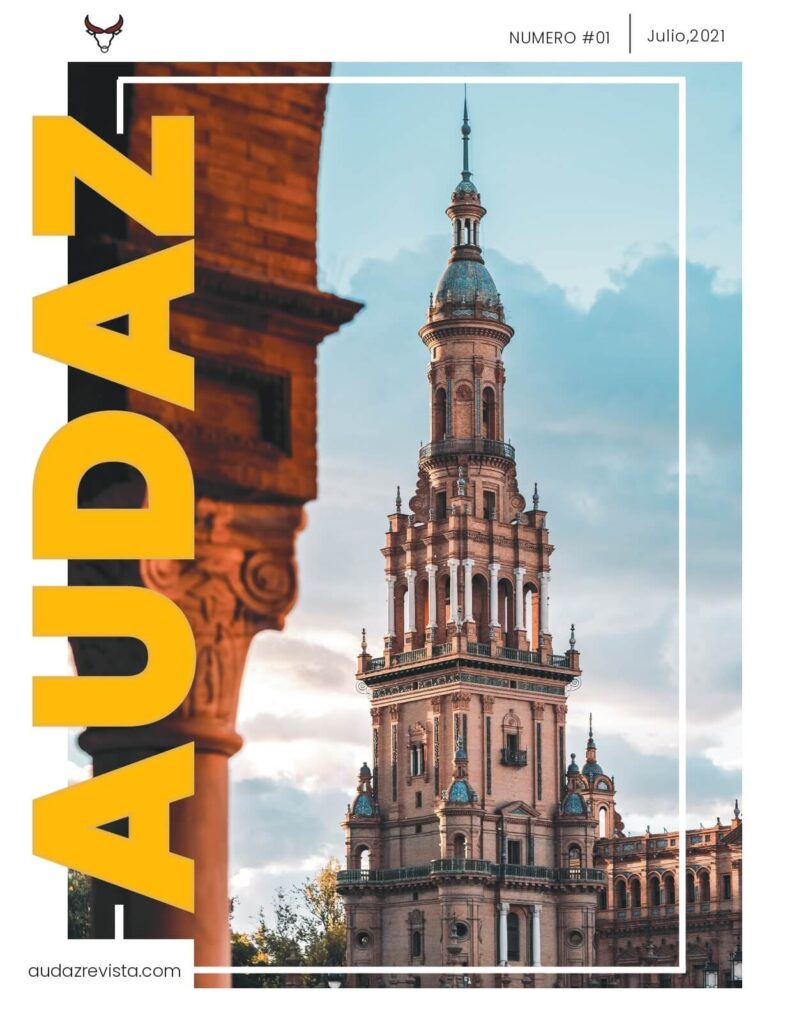
Audaz Numero #01: The Premiere Collector’s Edition
If this article got you excited, the magazine is going to blow your mind. The Audaz Premiere Edition goes way deeper into the traditions, histories, and cultural nuances that make Spanish-speaking worlds so fascinating. Think of it as a semester abroad in 80 pages.
Share
Topics
You may also like
Spanish Colors: Complete Vocabulary Guide with Cultural Meanings & Memory Tricks


Get the Inside Scoop