Spanish Filler Words: 12 Muletillas That Sound Fluent
Updated June 9, 2026 · Camila Rossi
A muletilla is a Spanish filler word. Think pues, bueno, vale or o sea. These small words carry little meaning on their own. They buy you a second to think, and they make your Spanish sound like a real person talking, not a textbook.
- Muletilla comes from muleta, the Spanish word for crutch. A filler word is a little speech crutch.
- Native speakers use fillers constantly. Using them makes you sound more fluent, not less.
- Learn 12 common ones, drop 3 nervous habits, and your spoken Spanish changes fast.
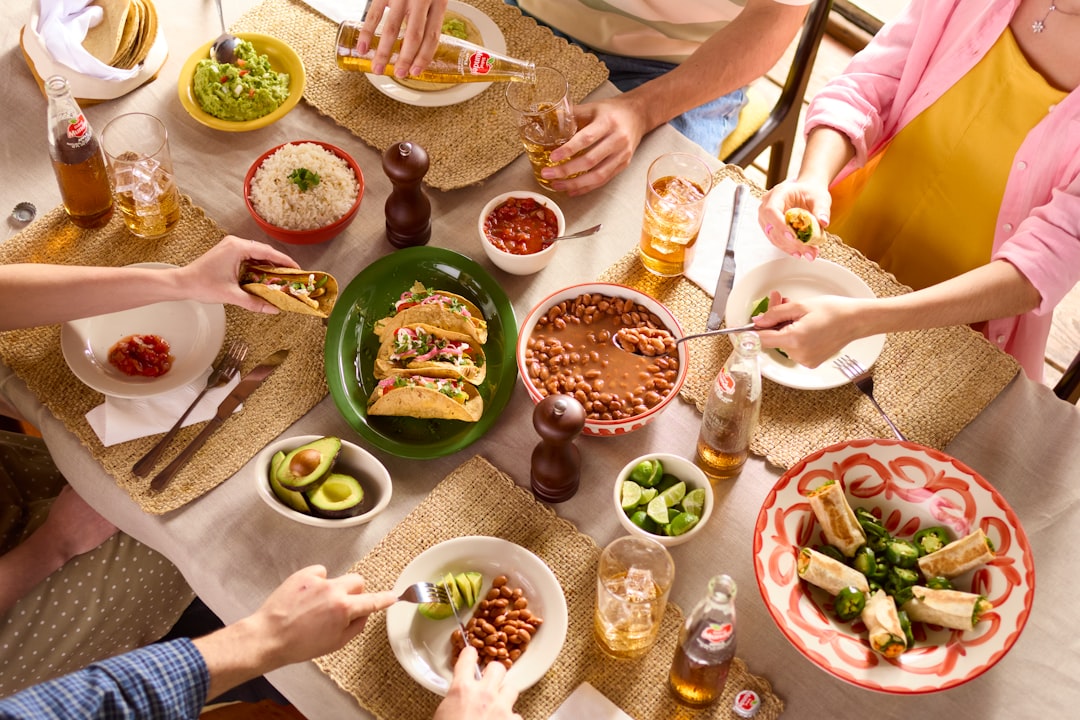
- You hear the richest run of muletillas at the Spanish table, during the after-meal chat.
What is a muletilla?
A muletilla is a filler word or phrase. It fills a small gap in speech while you think. The word comes from muleta, which means crutch in Spanish. So a muletilla is a little crutch for your sentence.
English does the same thing. “Well”, “you know” and “I mean” are all fillers. Spanish just has its own set, and locals lean on them all day.
Do filler words make you sound less fluent?
It is the opposite. Filler words are normal in Spanish at every level. They make casual speech sound natural. A learner who never uses them sounds stiff, like a phrasebook read out loud.
They also help you. A muletilla gives you a beat to find the next word, without an awkward silence. You stall in Spanish instead of switching to English.
Which 12 muletillas do Spaniards actually use?
Start with these. Each one is common across Spain, and most travel well across Latin America too.
| Muletilla | Rough meaning | Example |
|---|---|---|
| pues | well, so, umm | Pues… no lo sé. (Well… I don’t know.) |
| bueno | okay, well then | Bueno, empecemos. (Okay, let’s start.) |
| vale | okay, got it | Vale, vale, te entiendo. (Okay, okay, I get you.) |
| o sea | I mean, that is | Es tarde, o sea, deberíamos irnos. (It’s late, I mean, we should go.) |
| en plan | like, kind of | Fue en plan raro. (It was, like, weird.) |
| es que | it’s just that | Es que no tengo tiempo. (It’s just that I don’t have time.) |
| a ver | let’s see | A ver, ¿qué hacemos? (Let’s see, what do we do?) |
| venga | come on, alright | Venga, nos vemos. (Alright, see you.) |
| ya | yeah, right | Ya, ya, claro. (Yeah, yeah, of course.) |
| hombre | come on (softener) | Hombre, no es para tanto. (Come on, it’s not that big a deal.) |
| este | um (hesitation) | Este… déjame pensar. (Um… let me think.) |
| ¿no? | right? (tag) | Está bien, ¿no? (It’s fine, right?) |
One tip. Vale and venga are very Spain. In much of Latin America you will hear dale instead. Pick the one you hear where you are learning.
How do you give an opinion without sounding like a textbook?
Textbooks teach “En mi opinión”. Real speakers rarely start there. They soften the opening with a filler, then say the thing.
- Yo creo que… (I think that…) is the everyday opener, warmer than “En mi opinión”.
- O sea, para mí… (I mean, for me…) restarts a thought when you change your mind mid-sentence.
- Hombre, yo lo veo… (Come on, the way I see it…) adds a friendly, lived-in tone.
- Es que… (it’s just that…) leads with the reason, which is how Spaniards often argue a point.
Which 3 filler habits should you drop?
Fillers help until they take over. Three habits make you sound nervous instead of natural.
- Leaning on one word. If every sentence starts with pues, it stops sounding relaxed. Rotate a few.
- The long drawn-out eeeh. A short pause reads as thinking. A long eeeh reads as panic.
- English fillers in Spanish speech. “Um” and “like” break the spell. Swap in este and en plan.
Where do you hear the most muletillas?
At the table, after the food is gone. That long, unhurried chat is called the sobremesa, and it is filler-word heaven. People relax, tell stories, and the muletillas flow. If you want the full picture of that tradition, read our guide to the Spanish sobremesa.
You do not need a table in Spain to practise. You need to notice these words and copy them.
How can a learner practise using muletillas?
- Pick three. Just pues, o sea and vale to start. Use them out loud today.
- Copy from real speech. Watch a Spanish show and repeat the fillers you hear, in the same spot.
- Record yourself for 60 seconds. Play it back and count your fillers. Aim for natural, not zero.
Frequently asked questions
What does muletilla mean in English?+
It means filler word. The word comes from muleta, the Spanish for crutch, so a muletilla is a little crutch for your speech.
Is it bad to use filler words in Spanish?+
No. Native speakers use them all the time, and they make casual speech sound natural. The only risk is overusing one word.
What is the most common Spanish filler word?+
Pues is one of the most common. It works like “well”, “so” or “umm” at the start of a sentence.
What does ‘o sea’ mean?+
It means “I mean” or “that is”. Speakers use it to restart or clarify a thought, and younger speakers use it a lot.
Are Spanish filler words the same in Spain and Latin America?+
Many are shared, like pues and o sea. Some are regional. Vale and venga are very Spain, while dale is common in Latin America.
Want more real Spanish that apps skip? Subscribe to Audaz Revista for the words locals actually use.
Share
Topics

audazrevista
You may also like



Get the Inside Scoop