10 Spanish Habits That Will Transform Your Daily Life
⚡ Quick Insight
Spanish culture has perfected the art of living well, from the restorative siesta to the social ritual of sobremesa. Adopting even a few of these habits can reduce stress, deepen relationships, and bring more joy to your daily routine.
📚 In This Article
Spain consistently ranks among the world’s happiest countries, with a life expectancy that leads Europe. The secret? It’s not just the Mediterranean diet or the sunny weather, it’s a philosophy of living that prioritizes connection, rest, and savoring life’s simple pleasures.
Whether you live in Madrid or Minneapolis, these Spanish habits can transform how you experience daily life. For even more insights, explore our complete guide to Spanish daily customs. Here are 10 traditions worth adopting.
1. La Siesta. The Art of the Afternoon Rest
The siesta isn’t laziness, it’s strategic recovery. While the traditional 2-3 hour midday break is fading in modern Spanish cities, the principle remains, a short rest after lunch boosts alertness, creativity, and mood.
💡 How to Adopt It, Even a 20-minute “power nap” or quiet break between 1-3 PM can restore your energy. No nap? Simply rest your eyes and disconnect from screens.
2. Sobremesa. Lingering at the Table
Sobremesa (literally “over the table”) is the time spent chatting after a meal, sometimes for hours. In Spain, rushing away from the table is almost rude. This ritual transforms meals from fuel stops into meaningful social experiences. Dive deeper into the sobremesa tradition to understand why it’s central to Spanish life.
Try This Week,
After your next family dinner, put away phones and stay at the table for 30 extra minutes. Talk, laugh, digest. Notice how it changes the mood.
3. El Paseo. The Evening Stroll
Every evening, Spanish towns come alive with families, couples, and friends taking a leisurely walk through plazas and promenades. The paseo isn’t exercise, it’s a social ritual that helps you decompress, connect with your community, and end the day peacefully.
💡 Pro Tip, Make your evening walk phone-free. The goal is presence, not steps.
4. Tapas Mentality. Small Plates, Big Joy
Tapas culture teaches us to share, sample, and savor. Instead of one big portion, Spaniards enjoy many small tastes, encouraging variety, conversation, and mindful eating.
Want to go deeper? Audaz Revista Issue 1 covers topics like this with original cultural features and language insights you will not find in a textbook. Explore Issue 1
Beyond food, adopt the tapas mentality in life, try many small experiences rather than committing to one massive thing. Sample hobbies, visit different cafés, explore varied interests.
5. La Familia. Family Above Everything
In Spain, multi-generational gatherings are the norm, not the exception. Sunday lunch with the whole family is sacred. Adult children often live near their parents and see them weekly. This tight family network provides emotional support, childcare help, and a sense of belonging.
Action Step,
Schedule a weekly call or meal with family members. Consistency matters more than duration.
6. Celebrate Everything. The Fiesta Spirit
Spain has a festival for nearly everything, saints’ days, harvests, seasons, historical events. This isn’t frivolity; it’s a cultural commitment to finding joy and marking time together.
You don’t need a national holiday. Celebrate small wins, a finished project, the first day of spring, a friend’s good news. Life gives us endless reasons to gather if we look for them.
7. Vida al Aire Libre. Live Outdoors
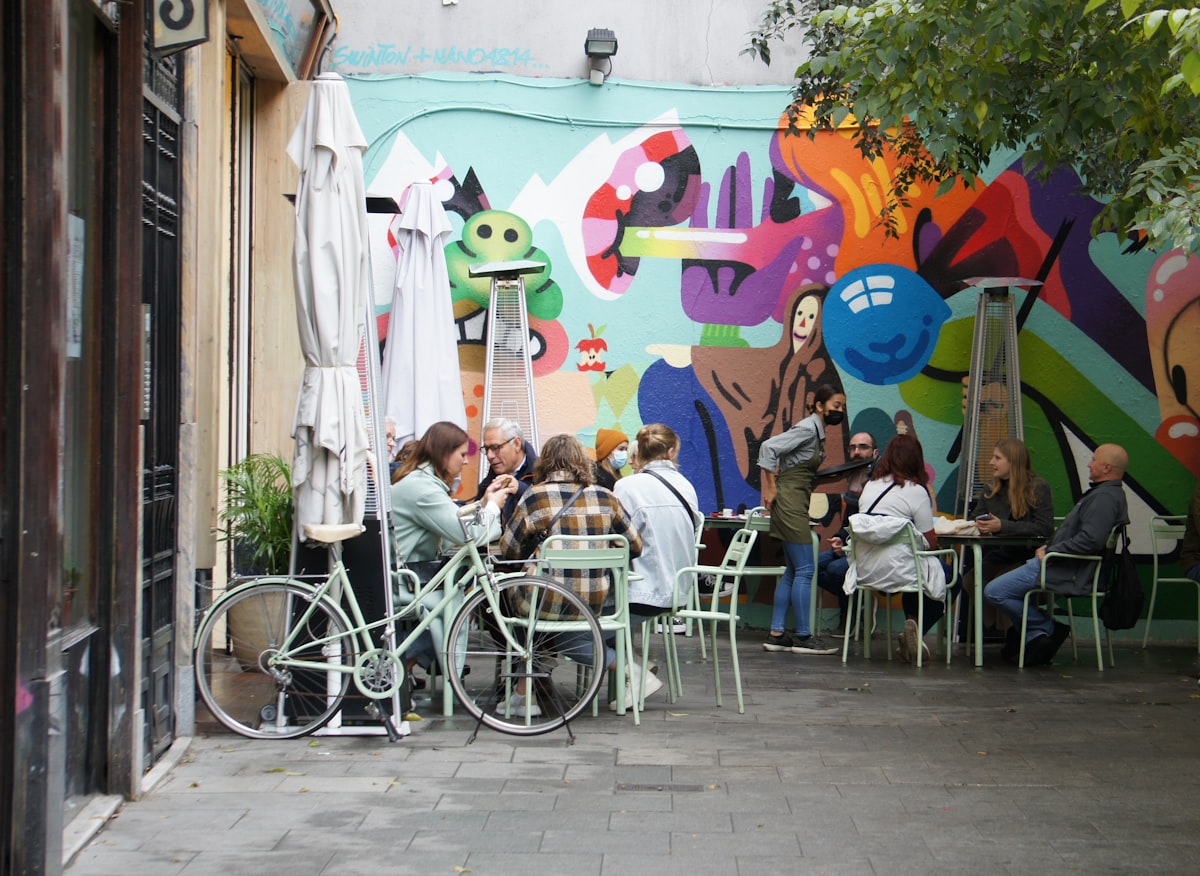
Spanish life happens outside, in plazas, terraces, parks, and beaches. Rather than retreating indoors, Spaniards make public spaces their living room.
💡 Try This, Take your coffee to a park bench. Read outside. Have dinner on the patio. Sunlight and fresh air cost nothing but give so much.
8. Estar Presente. Being Fully Present
Spaniards have a remarkable ability to be fully where they are. When at dinner, they’re at dinner, not checking emails. When with friends, phones stay away. This presence is perhaps the most valuable habit of all.
9. Embrace the Night. Late Dinners, Later Nights
Dinner at 10 PM? Normal in Spain. The late schedule means more time to decompress after work before meals and social activities. While you may not want to eat that late, the principle of separating work and personal time is worth adopting.
10. Sin Prisa. No Rush
The Spanish phrase “sin prisa” (without hurry) captures a fundamental truth, rushing rarely improves outcomes. Quality conversations, good meals, and creative work all require time. Spanish culture gives permission to slow down.
Your Challenge,
Choose one activity today and do it without rushing. Eat slowly. Walk at half speed. Notice what changes.
🇪🇸 Quick Reference, 10 Spanish Habits
🎯 Start This Week
Pick just one habit to try for 7 days. Most people start with sobremesa or the evening paseo, they’re simple but transformative. After a week, add another. Small changes, practiced consistently, become a new way of living.
🌟 Learning Spanish?
Adopting these Spanish habits is a perfect complement to your language learning. Check out our 90-Day Spanish Fluency Roadmap and explore the complete grammar guide to accelerate your progress.
🇪🇸 Want More Spanish Culture & Language Tips?
Explore Spanish language and lifestyle with us every week.
Audaz Revista
Take Your Spanish Further
Audaz Revista Issue 1 is out now, a full-length bilingual magazine for serious Spanish learners. Latin American culture, grammar deep-dives, and language insights written by educators.
Frequently Asked Questions
What are the most common daily habits in Spain?
Why do Spaniards eat dinner so late?
What is the siesta tradition and do Spaniards still practice it?
How can I incorporate Spanish habits into my daily routine?
What makes Spanish lifestyle different from American lifestyle?
Are Spanish habits good for mental health?
Written by the Audaz Revista editorial team
Audaz Revista is the reading guide for Spanish learners. We tell you what you can read in Spanish at your level, and help you finish it.
Share
Topics

audazrevista

You may also like
Get the Inside Scoop