Spanish Healthcare System: What Foreigners Always Get Wrong
In This Article
- Spanish Healthcare: Better Than You Think
- Misconception 1: It’s a Low-Quality System
- Misconception 2: You Need Private Insurance
- Misconception 3: Only Citizens Get Access
- Misconception 4: Nobody Speaks English
- Misconception 5: Emergency Rooms Are Chaotic
- Essential Healthcare Vocabulary
- Emergency Phrases You Must Know
- Conclusion
Close your notebook. We’re diving into something practical today. If you’re living in Spain, travelling to Spain, or even thinking about moving to Spain, understanding the healthcare system is essential. And almost everything foreigners believe about it is wrong.
Spain’s healthcare system, called the Sistema Nacional de Salud (sees-TEH-mah nah-see-oh-NAHL deh sah-LOOD, National Health System), consistently ranks among the best in the world. The World Health Organization (WHO) has ranked Spain’s healthcare system seventh globally. The World Bank data shows Spanish life expectancy at 83.6 years, one of the highest on the planet.
Those numbers don’t happen by accident. Yet foreigners consistently underestimate, misunderstand, or outright fear Spanish healthcare. Here are the five biggest misconceptions and the reality behind each one.
Spanish Healthcare: Better Than You Think
Spain’s public healthcare system covers over 47 million people. It’s funded through taxes, decentralised across 17 autonomous communities, and provides universal coverage including primary care, specialist care, hospital treatment, prescriptions, and emergency services.
Every resident has a tarjeta sanitaria (tar-HEH-tah sah-nee-TAH-ree-ah, health card) that gives them access to their local centro de salud (THEN-troh deh sah-LOOD, health centre) and assigned médico de cabecera (MEH-dee-koh deh kah-beh-THEH-rah, general practitioner). The GP is the gateway to specialists, tests, and hospital care.
Understanding this system is part of understanding life in Spain. If you’ve been learning about daily life and social customs in Spain, healthcare is a critical piece of the picture.
Misconception 1: “It’s a Low-Quality System”
This is the biggest myth. The assumption that “free healthcare” means “bad healthcare” doesn’t hold up in Spain.
The facts:
- Spain has more hospital beds per capita than the United Kingdom
- Spanish doctors train for 10-12 years (6 years of medical school plus 4-6 years of specialty training through the MIR system, one of the most competitive medical residency programmes in Europe)
- Spain performs over 5,000 organ transplants annually, consistently leading the world in organ donation rates since 1992
- Medical technology in major Spanish hospitals is on par with Germany, France, and the Netherlands
The Spanish word for quality in healthcare is calidad asistencial (kah-lee-DAHD ah-sees-ten-see-AHL). Spain’s calidad asistencial is measured, published, and benchmarked against European standards. The results consistently place Spain in the top tier.
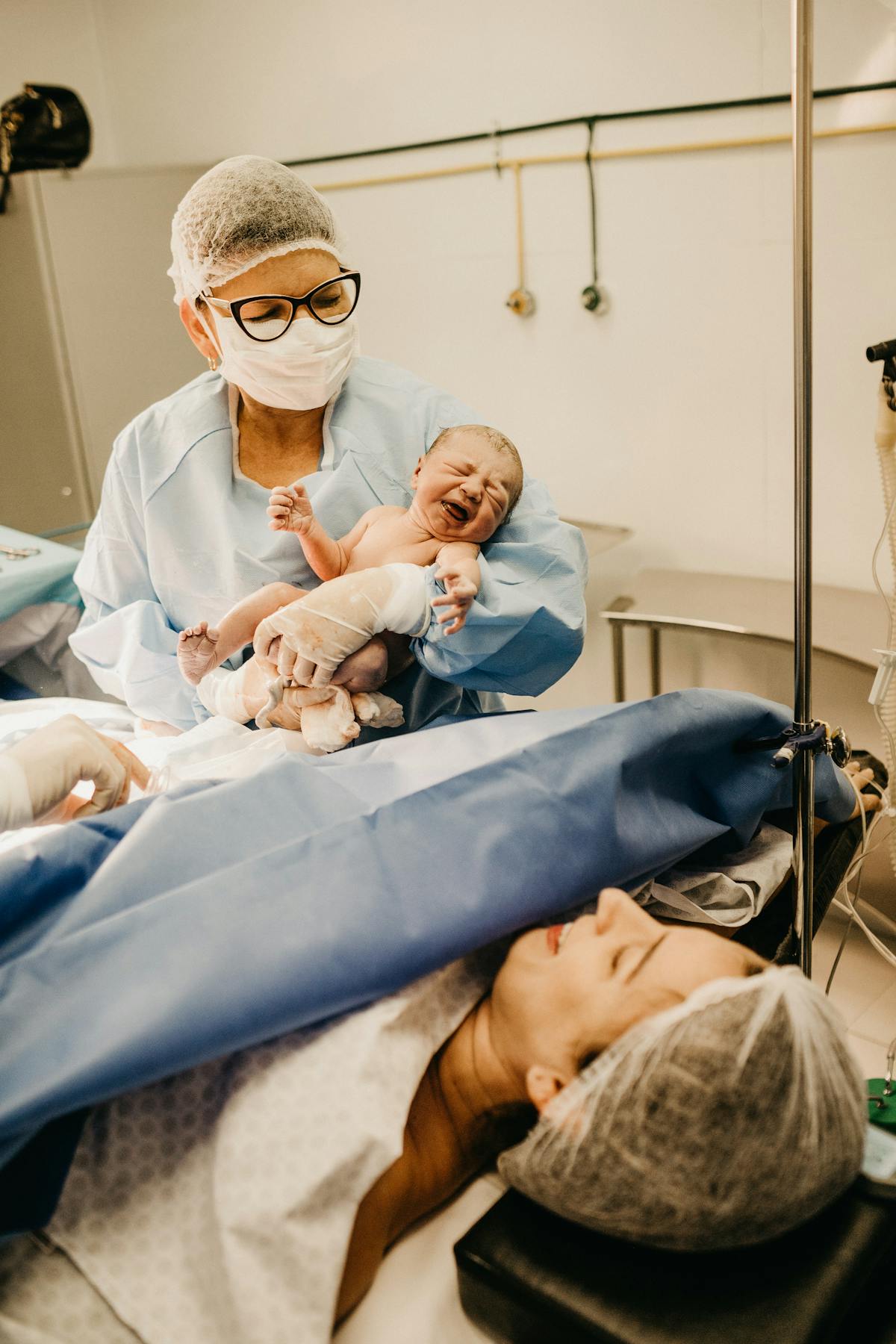
Where it excels: Primary care (GPs are excellent), oncology, cardiology, organ transplantation, and maternal health.
Where it’s slower: Non-urgent specialist appointments can have long waiting lists (listas de espera, LEES-tahs deh ehs-PEH-rah). Waiting two to three months for a non-urgent dermatology appointment is common. This is where private insurance becomes useful (more on that below).
Misconception 2: “You Need Private Insurance to Get Good Care”
Many expats arrive in Spain and immediately purchase private health insurance (seguro privado, seh-GOO-roh pree-BAH-doh). It’s not a bad idea, but it’s not always necessary, and the reasoning is often based on false assumptions.
What public healthcare covers (for free):
- All GP visits
- Emergency care (no questions asked, even for non-residents)
- Hospital stays, including surgery
- Prescriptions (heavily subsidised, with co-payments based on income)
- Specialist referrals
- Maternity care, including all prenatal visits and delivery
- Mental health services
- Childhood vaccinations
What private insurance adds:
- Shorter waiting times for specialists
- Choice of specific doctors
- Private hospital rooms
- Dental care (not well covered by public system)
- Faster diagnostic tests (MRIs, scans)
Cost comparison: Private health insurance in Spain costs between 50 and 150 euros per month, depending on age and coverage level. Many Spaniards use both systems: public for emergencies and serious conditions (where public hospitals often have better equipment), and private for routine specialist appointments.
Misconception 3: “Only Citizens Get Access”
This is partly true, but the exceptions are broad and important.
Who gets full public healthcare access:
- Spanish citizens
- Legal residents registered with Social Security (Seguridad Social, seh-goo-ree-DAHD soh-see-AHL)
- EU/EEA citizens with a European Health Insurance Card (EHIC) or registered as residents
- Workers paying into the Spanish social security system
Who gets emergency care regardless:
- Everyone. Spanish law mandates that urgencias (oor-HEN-see-ahs, emergency rooms) treat anyone who walks in, regardless of nationality, residency status, or insurance. No questions about payment are asked at the time of treatment.
For tourists: EU citizens should carry their EHIC. Non-EU tourists should have travel insurance but will still receive emergency treatment regardless. The bill may come later, but treatment is never refused.
The key document for residents is the número de afiliación a la Seguridad Social (NOO-meh-roh deh ah-fee-lee-ah-see-OHN, Social Security affiliation number). Getting this number is the first step to accessing the full public system.
Misconception 4: “Nobody Speaks English in Hospitals”
This one has some truth to it, which is exactly why you need the vocabulary section below. However, the reality is more nuanced than the fear suggests.
The reality:
- In major cities (Madrid, Barcelona, Valencia, Málaga), many doctors and nurses speak at least basic English
- In smaller towns and rural areas, English is much less common
- Younger medical professionals generally have better English than older ones
- Most hospitals in tourist areas have access to interpreter services
- Emergency departments in coastal tourist regions often have multilingual staff
The better approach: Instead of relying on finding English speakers, learn the essential medical phrases below. Even basic Spanish in a medical context shows respect, reduces miscommunication, and gets you better care. Spanish medical professionals deeply appreciate patients who try to communicate in Spanish.
Building medical vocabulary is a practical extension of your overall Spanish learning journey. It’s the kind of real-world application that textbooks rarely prioritise.
Misconception 5: “Emergency Rooms Are Chaotic”
Spanish emergency rooms (urgencias) use a triage system called the Sistema Español de Triaje (SET), which categorises patients by severity on a scale of one to five. The most urgent cases are seen immediately. Less urgent cases wait.
What to expect at urgencias:
- Registration: You give your name and health card (or passport if tourist). Brief description of the problem.
- Triage: A nurse assesses your condition and assigns a priority level.
- Waiting: Level 1 (life-threatening): immediate. Level 5 (minor issue): could be several hours.
- Treatment: You’re seen by a doctor, receive treatment, and get discharge instructions.
- Follow-up: They’ll tell you to see your médico de cabecera for anything that needs monitoring.
Honest assessment: Wait times for non-urgent cases can be long, especially on weekends and holidays. Bringing a book, charging your phone, and being patient is standard advice even from locals. But when it’s serious, the response is fast and professional.
Essential Healthcare Vocabulary
| Spanish | Pronunciation | English |
|---|---|---|
| El hospital | el ohs-pee-TAHL | The hospital |
| Urgencias | oor-HEN-see-ahs | Emergency room |
| El médico | el MEH-dee-koh | The doctor |
| La enfermera/o | lah en-fer-MEH-rah/roh | The nurse |
| La farmacia | lah far-MAH-see-ah | The pharmacy |
| La receta | lah reh-THEH-tah | The prescription |
| Me duele | meh DWEH-leh | It hurts me |
| Tengo fiebre | TEN-goh fee-EH-breh | I have a fever |
| Soy alérgico/a a | soy ah-LEHR-hee-koh/kah ah | I’m allergic to |
| La tarjeta sanitaria | lah tar-HEH-tah sah-nee-TAH-ree-ah | Health card |
For a complete vocabulary guide to body parts in Spanish, including how to describe symptoms to a doctor, check our dedicated guide.
Emergency Phrases You Must Know
Print These or Save Them on Your Phone
Calling for help:
- “Necesito un médico.” (neh-seh-SEE-toh oon MEH-dee-koh) – I need a doctor.
- “Llame a una ambulancia, por favor.” (YAH-meh ah OO-nah ahm-boo-LAHN-see-ah) – Call an ambulance, please.
- “Es una emergencia.” (ehs OO-nah eh-mer-HEN-see-ah) – It’s an emergency.
Describing pain:
- “Me duele aquí.” (meh DWEH-leh ah-KEE) – It hurts here. [Point to the area]
- “Me duele mucho la cabeza.” (meh DWEH-leh MOO-choh lah kah-BEH-thah) – I have a bad headache.
- “Me duele el estómago.” (meh DWEH-leh el ehs-TOH-mah-goh) – My stomach hurts.
Providing critical information:
- “Soy alérgico/a a la penicilina.” (soy ah-LEHR-hee-koh/kah ah lah peh-nee-see-LEE-nah) – I’m allergic to penicillin.
- “Tomo medicación para…” (TOH-moh meh-dee-kah-see-OHN PAH-rah) – I take medication for…
- “No hablo mucho español.” (noh AH-bloh MOO-choh ehs-pah-NYOL) – I don’t speak much Spanish.
Emergency number in Spain: 112 (works from any phone, operators speak multiple languages)
Conclusion
Spain’s healthcare system is world-class, accessible, and far better than most foreigners expect. The misconceptions, that it’s low quality, that you need private insurance, that only citizens get access, that nobody speaks English, and that emergency rooms are chaotic, all crumble under the facts.
The reality is a system that produces some of the longest life expectancies in the world, leads global organ transplantation, trains doctors through one of Europe’s most rigorous programmes, and provides emergency care to anyone who walks through the door.
Understanding this system isn’t just practical. It removes fear. And removing fear about healthcare means you can focus on what you’re actually in Spain for: learning the language, living the culture, and enjoying one of the most vibrant countries in the world.
Learn these phrases. Save the emergency vocabulary on your phone. And live in Spain with confidence.
Try this phrase today. You’ve got this.
]]>Share
Topics

audazrevista
You may also like



Get the Inside Scoop