Reader Spotlight: How Maria Learned Spanish in 6 Months [Success Story]
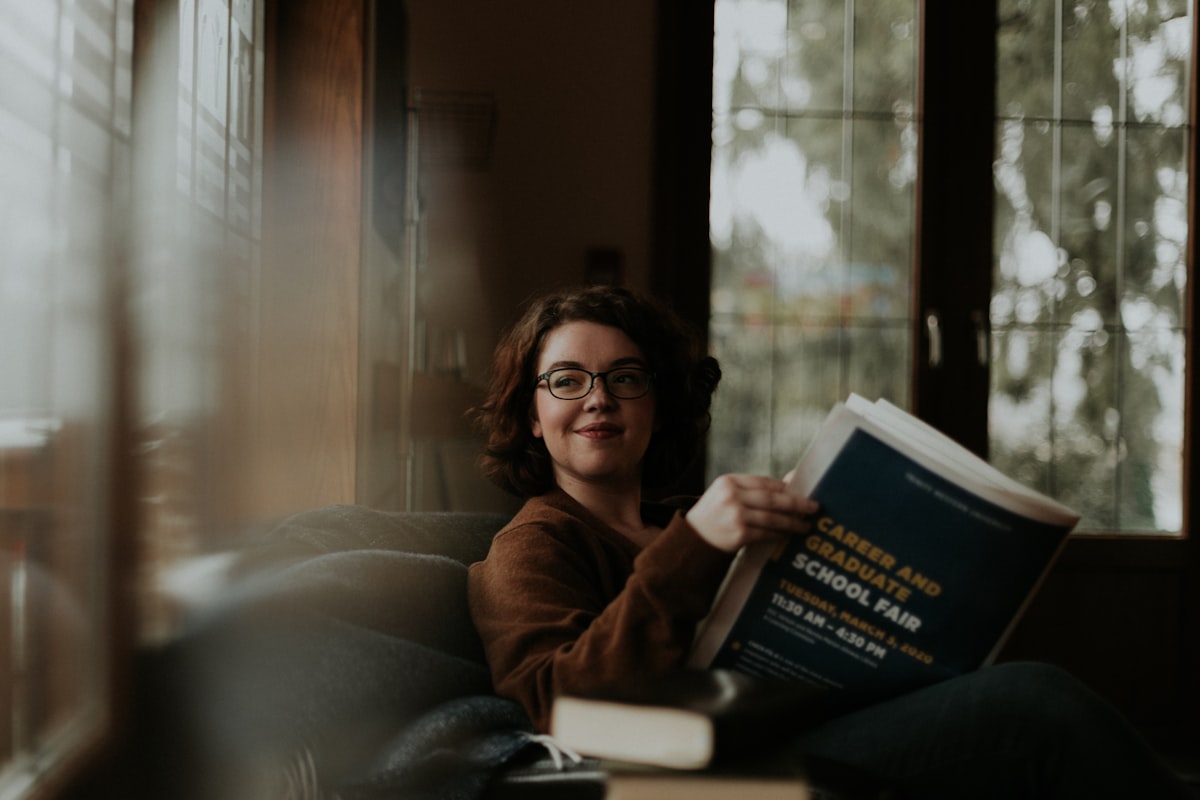
Reader Success Story
“Six months ago, I couldn’t order a coffee in Spanish. Last week, I had a two-hour conversation with my Colombian in-laws—entirely in Spanish.”
— Maria Thompson, 34, Marketing Manager from Chicago
When Maria first reached out to us, she had a goal that felt impossible: learn enough Spanish to communicate with her husband’s family before their trip to Bogotá. She had six months, no prior Spanish experience, and a demanding full-time job.
Her Spanish learning success story proves that with the right approach, fluency is achievable faster than most people believe. Here’s exactly how she did it.
Where Maria Started: Complete Beginner
“I knew ‘hola’ and ‘gracias.’ That was literally it,” Maria laughs. “My husband tried teaching me over the years, but nothing stuck. I’d learn a few phrases, forget them, and feel embarrassed.”
The turning point came when her in-laws announced they’d be visiting Chicago—and staying for two weeks. “I realized I couldn’t keep smiling and nodding while everyone spoke Spanish around me. I wanted to actually be part of the family.”
The Strategy That Actually Worked
Maria’s approach was simple but systematic. After researching methods (including our 90-Day Fluency Roadmap), she built a strategy around three principles:
Maria’s 3 Rules:
1. Something in Spanish every single day (no exceptions)
2. Speaking practice at least 4 times per week
3. Make Spanish part of daily life, not a separate “study time”
Tools She Used
| Tool | Purpose | Time/Week |
|---|---|---|
| Duolingo + Anki | Vocabulary building | 3.5 hours |
| iTalki Tutors | Conversation practice | 3 hours |
| SpanishPod101 | Listening during commute | 5 hours |
| Netflix Spanish Shows | Entertainment + immersion | 4 hours |
She also created a home immersion environment—changing her phone to Spanish, labeling items around the house, and following Spanish accounts on social media.
Maria’s Daily Routine
“I didn’t have hours to dedicate to study,” Maria explains. “So I had to be strategic about weaving Spanish into my existing routine.”
A Day in Maria’s Spanish Journey
| 6:30 AM | 30 min Duolingo + Anki flashcards with coffee |
| 7:30 AM | Spanish podcast during 45-min commute |
| 12:30 PM | 15 min reading Spanish news during lunch |
| 6:00 PM | 30-60 min iTalki lesson (3-4 times/week) |
| 9:00 PM | Spanish show on Netflix before bed |
Total daily time: approximately 2.5-3 hours. “But it never felt like studying,” Maria says. “The podcasts replaced my usual music. Netflix replaced English shows. Only the lessons felt like dedicated ‘learning time.'”
Biggest Challenges (And How She Overcame Them)
1. The “I Sound Stupid” Fear
“My first iTalki lesson, I could barely form sentences. I wanted to quit.” Maria pushed through by reminding herself that every native speaker she admired was once a babbling child. “I’d rather sound stupid for 6 months than not speak at all forever.”
2. The Grammar Overwhelm
Spanish verb conjugation seemed impossible at first. Maria used our verb conjugation guide and focused on the most common verbs first. “I didn’t try to learn everything. I learned what I needed to communicate NOW.”
3. The Plateau at Month 4
“Around month 4, I felt stuck. I wasn’t getting better.” Her solution: switching to harder content. “I moved from beginner podcasts to intermediate ones. It was uncomfortable, but growth resumed.”
⚠️ What Almost Derailed Her: Comparing herself to polyglot YouTubers who learn languages in “30 days.” “That content is toxic for beginners. Real progress takes months, and that’s okay.”
The Results: 6 Months Later
When her in-laws arrived, Maria was nervous. “I’d never spoken Spanish with a real Colombian before—just my tutors.”
The moment of truth came at dinner. “My mother-in-law started speaking to me in Spanish, and I just… responded. We talked about her garden, her recipes, her childhood. My husband was crying.”
Key Result: Maria achieved B1+ level (intermediate) in 6 months—enough for comfortable conversations on everyday topics. “I still make mistakes. I still pause to find words. But I communicate. That was the goal.”
Maria’s Advice for New Learners
We asked Maria what she’d tell someone starting their Spanish journey today:
- Start speaking on Day 1. “Even if it’s just talking to yourself. Don’t wait until you’re ‘ready.'”
- Get a tutor early. “iTalki tutors are affordable ($10-15/hour). Human feedback beats any app.”
- Replace, don’t add. “I didn’t find ‘extra time’ for Spanish. I replaced English activities with Spanish ones.”
- Have a specific goal. “Vague goals fail. ‘Learn Spanish’ is vague. ‘Talk to my in-laws in 6 months’ is specific.”
- Embrace the mess. “You will sound ridiculous. Laugh at yourself and keep going.”
Start Your Own Success Story
Maria’s journey proves that Spanish fluency is achievable with consistent effort. Ready to begin?
Frequently Asked Questions
How long does it realistically take to learn Spanish?
For English speakers, reaching conversational Spanish typically takes 300-600 hours of study. With intensive daily practice (2-3 hours), this can be achieved in 6-12 months. Maria’s success came from consistent daily immersion rather than occasional long study sessions.
What was Maria’s daily study routine?
Maria dedicated 2-3 hours daily: 30 minutes of app-based vocabulary in the morning, Spanish podcasts during her commute, 1 hour of conversation practice in the evening, and Spanish TV before bed. Weekends included 2-hour tutoring sessions.
Can you become fluent in Spanish without traveling?
Yes! Maria achieved conversational fluency without leaving the US. She used online tutors, language exchange apps, Spanish media, and local conversation groups. While travel accelerates learning, it is not required for fluency.
Written by Carlos Rivera
Carlos is a native Spanish speaker from Buenos Aires with a passion for making language learning accessible. He has helped over 5,000 students achieve fluency through innovative teaching methods.
Share
Topics

You may also like

Spanish Colors: Complete Vocabulary Guide with Cultural Meanings & Memory Tricks

Get the Inside Scoop