Spanish Music Genres: From Flamenco to Reggaeton – The Complete Guide [2026]
Key Takeaway: Spanish-language music spans dozens of genres across 20+ countries, from the raw emotion of flamenco to the global dominance of reggaeton. Understanding these genres is not just about entertainment. It is one of the most effective ways to improve your Spanish listening skills, expand your vocabulary, and connect with Hispanic culture on a deeper level.
In 2023, Bad Bunny became the most-streamed artist on Spotify for the third consecutive year, and he did it entirely in Spanish. Karol G’s “Mañana Será Bonito” debuted at number one on the Billboard 200, the first all-Spanish album by a woman to do so. Spanish-language music is not a niche anymore. It is the mainstream.
But long before reggaeton conquered streaming platforms, Hispanic culture was producing some of the world’s richest musical traditions. From the passionate cante jondo of Andalusian flamenco to the infectious rhythms of Colombian cumbia, Spanish music is as diverse as the people who create it.
Why Spanish Music Is a Language Learning Superpower
Research from the University of Edinburgh confirms that music activates the same brain regions as language processing. When you listen to Spanish songs repeatedly, you unconsciously absorb pronunciation patterns, vocabulary, and grammatical structures. The melody acts as a memory anchor, which is why you can remember song lyrics from years ago but forget vocabulary lists from yesterday.
Source: Spotify Wrapped 2024, University of Edinburgh Research
Flamenco: Spain’s Soul
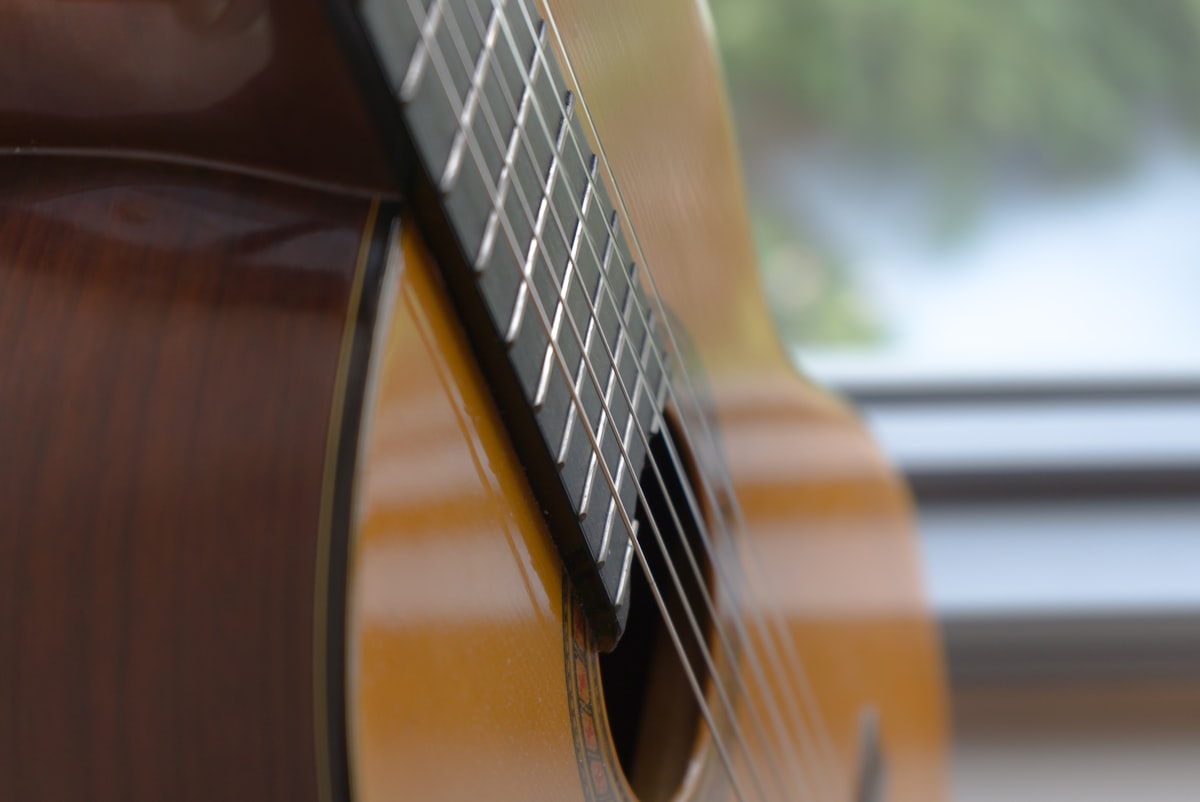
Flamenco is not just music. It is an entire art form that fuses singing (cante), guitar (toque), dance (baile), handclaps (palmas), and finger snaps (pitos). Born in the Romani communities of Andalusia, flamenco was declared UNESCO Intangible Cultural Heritage in 2010.
If you have explored our deep dive into flamenco history, you know that its emotional range is staggering. The cante jondo (deep song) expresses profound sorrow, while bulerías are fast, joyful, and meant to get everyone on their feet.
Key Flamenco Sub-genres
- Soleá: The mother of flamenco, deeply emotional and considered the purest form of cante jondo
- Bulerías: Fast-tempo, festive, and improvisational. The life of any flamenco gathering
- Alegrías: Joyful and elegant, from the port city of Cádiz
- Seguiriyas: The most intense and tragic form, expressing deep grief
- Tangos: Not to be confused with Argentine tango. Flamenco tangos are upbeat and rhythmic
Essential artists: Paco de Lucía (guitar virtuoso), Camarón de la Isla (legendary singer), Rosalía (modern flamenco-pop fusion), Niña Pastori, Estrella Morente
“To have another language is to possess a second soul.”
Reggaeton: The Global Takeover
Reggaeton’s signature dembow beat, that unmistakable “boom-ch-boom-chick” rhythm, started in Panama in the early 1990s and was perfected in the streets and underground clubs of Puerto Rico. What began as marginalized urban music is now the dominant force in global pop.
The Evolution
- 1990s Underground: DJ Playero and Vico C pioneered the sound in Puerto Rico. Tego Calderón brought raw street poetry
- 2004 Breakthrough: Daddy Yankee’s “Gasolina” became the first reggaeton song to reach the Billboard Hot 100, introducing the genre to mainstream audiences worldwide
- 2017 Explosion: Luis Fonsi and Daddy Yankee’s “Despacito” became the most-viewed YouTube video in history, proving Spanish-language music could dominate globally
- 2020s Dominance: Bad Bunny, Karol G, Peso Pluma, and Feid have made Spanish the second most common language on global streaming charts
Did you know? The word “reggaeton” combines “reggae” (from Jamaican dancehall roots) with the Spanish suffix “-ton” (big/heavy). The dembow beat that defines the genre takes its name from Shabba Ranks’ 1990 dancehall track “Dem Bow.”
Essential artists: Bad Bunny, Daddy Yankee, Karol G, Ozuna, J Balvin, Don Omar, Tego Calderón, Ivy Queen, Wisin & Yandel
Salsa, Merengue & Bachata: The Caribbean Trinity
Salsa
Salsa crystallized in 1970s New York City, when Cuban and Puerto Rican immigrants blended son cubano, mambo, and jazz into an explosive new sound. The Fania Records label, known as the “Motown of Latin Music,” launched legends like Celia Cruz, Héctor Lavoe, and Willie Colón.
Essential artists: Celia Cruz, Marc Anthony, Rubén Blades, Héctor Lavoe, Oscar D’León
Bachata
Born in the bars and brothels of the Dominican Republic, bachata was considered music of the lower class for decades. Romeo Santos and Aventura changed everything, fusing bachata with R&B and pop to create a global phenomenon. Today, bachata is one of the most popular partner dances worldwide.
Essential artists: Romeo Santos, Aventura, Juan Luis Guerra, Prince Royce
Merengue
The Dominican Republic’s other great contribution, merengue is fast, energetic, and impossible to sit still to. Its 2/4 rhythm drives dance floors across Latin America and beyond.
Essential artists: Juan Luis Guerra, Elvis Crespo, Olga Tañón, Milly Quezada
Cumbia & Vallenato: Colombia’s Gifts to the World
Cumbia
Cumbia originated on Colombia’s Caribbean coast, blending Indigenous, African, and Spanish musical traditions. What started as courtship music played with drums, flutes, and maracas has evolved into one of Latin America’s most widespread genres. Argentine cumbia villera, Mexican cumbia sonidera, and Peruvian chicha all descend from Colombian cumbia but sound remarkably different.
Essential artists: Carlos Vives (modern cumbia), Celso Piña (Mexican cumbia), Los Ángeles Azules, Bomba Estéreo
Vallenato
UNESCO-recognized vallenato comes from Colombia’s Cesar region and is built around the accordion, caja (drum), and guacharaca (scraper). Its lyrics tell stories of love, loss, and daily life with poetic intensity.
Essential artists: Carlos Vives, Diomedes Díaz, Rafael Escalona, Silvestre Dangond
Mexican Genres: Mariachi, Ranchera & Corridos Tumbados
Mariachi & Ranchera
Mariachi is Mexico’s most iconic musical tradition. Groups of musicians in ornate trajes de charro (cowboy suits) perform with trumpets, violins, guitars, and the vihuela (small rounded guitar). Ranchera songs, performed by mariachi groups, deal with love, patriotism, and the beauty of rural Mexico.
Essential artists: Vicente Fernández, Pedro Infante, Lola Beltrán, Alejandro Fernández, Christian Nodal
Corridos Tumbados
The newest evolution of Mexican music, corridos tumbados blend traditional corrido storytelling with trap beats, 808 bass, and urban aesthetics. Peso Pluma’s explosion onto the global stage in 2023 made this fusion the fastest-growing Spanish-language genre.
Essential artists: Peso Pluma, Natanael Cano, Junior H, Fuerza Regida
| Genre | Origin | Best For Learning | Difficulty |
|---|---|---|---|
| Bolero | Cuba | Vocabulary, pronunciation | Beginner |
| Bachata | Dominican Republic | Romantic vocabulary, clear diction | Beginner |
| Pop Latino | Various | Everyday phrases, modern slang | Intermediate |
| Salsa | Cuba/Puerto Rico | Cuban Spanish, storytelling | Intermediate |
| Reggaeton | Puerto Rico | Slang, fast speech | Advanced |
| Rap/Hip-Hop | Various | Wordplay, speed, idioms | Advanced |
Essential Spanish Music Vocabulary
Knowing these terms will help you discuss music in Spanish and understand song lyrics better. Combine these with Spanish slang words and you will sound like a true fan.
| Spanish | English |
|---|---|
| La canción | Song |
| El ritmo | Rhythm / Beat |
| La letra | Lyrics |
| El cantante | Singer |
| El estribillo | Chorus |
| La guitarra | Guitar |
| El concierto | Concert |
| Bailar | To dance |
Frequently Asked Questions
What are the main genres of Spanish music?
The main genres include flamenco (Spain), reggaeton (Puerto Rico/Panama), salsa (Cuba/Puerto Rico), cumbia (Colombia), bachata (Dominican Republic), merengue (Dominican Republic), mariachi/ranchera (Mexico), tango (Argentina), and Latin pop. Each reflects the unique cultural blend of its region, mixing Indigenous, African, European, and sometimes Asian influences.
What is the most popular Spanish music genre right now?
Reggaeton and its close relative, Latin trap, dominate global streaming. Bad Bunny has been the most-streamed artist on Spotify for multiple consecutive years, entirely in Spanish. Corridos tumbados from Mexico are also experiencing explosive growth, with Peso Pluma becoming one of the biggest new stars in any language.
Can listening to Spanish music help me learn Spanish?
Absolutely. Music is one of the most effective language learning tools because melody acts as a memory anchor for vocabulary and phrases. Slower genres like bolero and bachata are ideal for beginners, while reggaeton and rap challenge advanced learners with fast lyrics and slang. Try listening with lyrics, then without, then singing along for maximum benefit.
What is flamenco music?
Flamenco is an art form from Andalusia, southern Spain, that combines singing (cante), guitar (toque), dance (baile), handclaps (palmas), and finger snaps (pitos). It originated in the Romani communities of Spain and was declared UNESCO Intangible Cultural Heritage in 2010. Its emotional intensity is unmatched in world music.
Where did reggaeton come from?
Reggaeton originated in Panama in the 1990s, drawing from Jamaican dancehall and reggae. It then evolved in Puerto Rico, where the signature “dembow” beat was perfected. Daddy Yankee’s “Gasolina” (2004) brought it mainstream, and “Despacito” (2017) made it a global phenomenon. Today it is the most streamed Spanish-language genre in the world.
What Spanish songs are good for beginners?
Great songs for beginners include “La Bamba” by Ritchie Valens (simple vocabulary), “Bailando” by Enrique Iglesias (clear pronunciation), “Me Gustas Tú” by Manu Chao (repetitive chorus), “Limón y Sal” by Julieta Venegas (slow tempo), and “Cielito Lindo” (traditional Mexican). Start with slow ballads and work your way up to faster genres.
Your Next Steps
- Create a playlist with 2-3 songs from each genre above
- Listen with lyrics first, then try to understand without them
- Check out our 10 best Spanish love songs for learning for a curated starting point
Music is the fastest, most enjoyable path to Spanish fluency. Press play and start learning.
Get Weekly Spanish Tips
Join 5,000+ learners receiving our best lessons, practice exercises, and cultural insights every week.
Written by Elena Garcia
Elena is a bilingual content creator and translator specializing in Spanish-English language education. She runs a popular YouTube channel with 100K+ subscribers dedicated to Spanish learning through media, music, and entertainment.
Share
Topics
You may also like
Spanish Colors: Complete Vocabulary Guide with Cultural Meanings & Memory Tricks


Get the Inside Scoop