Spanish for Travel: Essential Phrases for Every Destination

Table of Contents
Key Takeaway
Learning key Spanish phrases for travel transforms your experience in Spanish-speaking countries. From greetings to emergency situations, these practical expressions enable meaningful interactions, ensure safety, and enhance your cultural appreciation while traveling.
1. Essential Greeting and Introduction Phrases
Building genuine connections with locals begins with simple greetings and polite introduction phrases. These foundational expressions set a positive tone for your interactions.
Basic Greetings
- Hola, Hello (informal, very common)
- Buenos días, Good morning (used until midday)
- Buenas tardes, Good afternoon (used from midday to evening)
- Buenas noches, Good evening/night (used after dark)
- ¿Cómo estás?, How are you? (informal, for people you know)
- ¿Cómo está usted?, How are you? (formal, for strangers or elders)
- Adiós, Goodbye (general farewell)
- Hasta luego, See you later
Introducing Yourself
- Me llamo [name], My name is [name]
- Mucho gusto, Nice to meet you
- Soy de [city/country], I’m from [city/country]
- Soy turista, I’m a tourist
- Estoy viajando por primera vez, I’m traveling for the first time
Polite Expressions
- Por favor, Please
- Gracias, Thank you
- De nada, You’re welcome
- Perdón/Disculpe, Excuse me/Sorry
- No entiendo, I don’t understand
- ¿Puede hablar más lentamente?, Can you speak more slowly?
2. Navigation and Getting Around
Successfully navigating Spanish-speaking countries requires understanding directional phrases and transportation vocabulary. These phrases help you find your way and use local transportation effectively.
Asking for Directions
- ¿Dónde está…?, Where is…?
- ¿Por dónde se va a…?, Which way to…?
- ¿Está cerca/lejos?, Is it near/far?
- ¿Cuánto tiempo hay de aquí a…?, How long to get to…?
- ¿Me puede mostrar en el mapa?, Can you show me on the map?
Transportation Phrases
- Necesito un taxi, I need a taxi
- ¿Dónde está la estación de autobuses?, Where is the bus station?
- Un billete a [destination], One ticket to [destination]
- ¿A qué hora sale el autobús?, What time does the bus depart?
- ¿Cuánto cuesta?, How much does it cost?
- Quiero alquilar un coche, I want to rent a car
- ¿Hay andén para…?, Is there a platform for…?
Common Places
- Estación de tren, Train station
- Parada de autobús, Bus stop
- Aeropuerto, Airport
- Hotel, Hotel
- Hospital, Hospital
- Policía, Police
- Farmacia, Pharmacy
- Monumento, Monument
3. Food and Restaurant Spanish
Dining experiences are central to travel. These phrases enable you to order food, ask about ingredients, and fully appreciate local cuisine.
Restaurant Basics
- Una mesa para dos, por favor, A table for two, please
- ¿Puedo ver el menú?, Can I see the menu?
- ¿Cuál es el plato típico de aquí?, What is the typical dish here?
- ¿Qué recomienda?, What do you recommend?
- Voy a tomar/comer…, I’ll have…
- Quiero agua/vino/cerveza, I want water/wine/beer
- La cuenta, por favor, The check, please
Dietary Restrictions and Allergies
- Soy vegetariano/a, I’m vegetarian
- Soy vegano/a, I’m vegan
- Soy celíaco/a, I’m celiac
- Tengo alergia a…, I’m allergic to…
- ¿Contiene nueces/gluten?, Does it contain nuts/gluten?
- Sin azúcar, por favor, Without sugar, please
Common Food Items
- Pan, Bread
- Queso, Cheese
- Jamón, Ham
- Pollo, Chicken
- Pescado, Fish
- Verduras, Vegetables
- Fruta, Fruit
- Postre, Dessert
4. Accommodation and Shopping Essentials
Whether booking accommodations or shopping for souvenirs, these phrases help you communicate clearly and avoid misunderstandings.
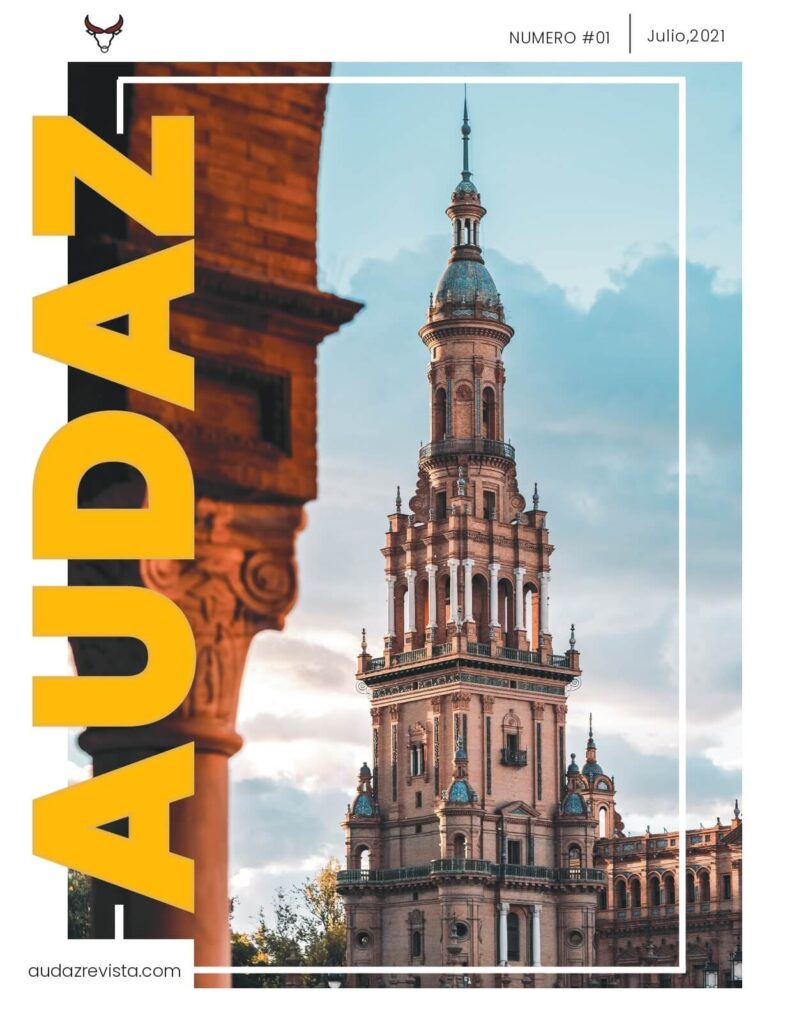
Want to go deeper? Audaz Revista Issue 1 covers topics like this with original cultural features and language insights you will not find in a textbook. Explore Issue 1
Hotel and Accommodation Phrases
- ¿Tiene habitaciones disponibles?, Do you have rooms available?
- Quiero una habitación con baño privado, I want a room with a private bathroom
- ¿Cuál es el precio por noche?, What is the price per night?
- ¿Está incluido el desayuno?, Is breakfast included?
- ¿Hay wifi?, Is there wifi?
- ¿A qué hora es el check-out?, What time is checkout?
- ¿Puede llamar un taxi para mí?, Can you call a taxi for me?
Shopping Phrases
- ¿Cuánto cuesta esto?, How much does this cost?
- ¿Puedo pagarlo con tarjeta?, Can I pay with a card?
- ¿Hay cambio?, Do you have change?
- Estoy buscando…, I’m looking for…
- ¿Tienen mi talla?, Do you have my size?
- ¿Me puede hacer un descuento?, Can you give me a discount?
- Voy a comprarlo, I’ll buy it
Practical Questions
- ¿Dónde puedo cambiar dinero?, Where can I exchange money?
- ¿Dónde hay un cajero automático?, Where is an ATM?
- ¿Cuál es la mejor época para visitar?, What’s the best time to visit?
- ¿Qué debo ver/visitar?, What should I see/visit?
5. Emergency and Safety Phrases
While hoping you never need these phrases, knowing emergency Spanish is crucial for safety and peace of mind while traveling.
Emergency Situations
- ¡Ayuda!, Help!
- ¡Llamar a la policía!, Call the police!
- ¡Llamar a una ambulancia!, Call an ambulance!
- ¡Fuego!, Fire!
- ¿Dónde está la comisaría de policía?, Where is the police station?
- He sido robado/a, I’ve been robbed
- He perdido mi pasaporte, I’ve lost my passport
Medical Phrases
- Necesito un doctor, I need a doctor
- ¿Hay un hospital cerca?, Is there a hospital nearby?
- Tengo dolor en…, I have pain in…
- Tengo fiebre, I have a fever
- ¿Cuáles son las instrucciones?, What are the instructions?
- Soy alérgico/a a…, I’m allergic to…
Important Contacts
- Embajada/Consulado, Embassy/Consulate
- Números de emergencia, Emergency numbers (vary by country)
- Teléfono internacional, International phone call
- ¿Puede llamar a mi familia?, Can you call my family?
Frequently Asked Questions
How much Spanish do I need to speak to travel in Spanish-speaking countries?
You don’t need fluency. Learning 50-100 basic phrases for greetings, directions, food, and emergencies will significantly enhance your travel experience. Most travelers appreciate your effort to speak their language, even if imperfectly.
What’s the best way to practice Spanish before traveling?
Apps like Duolingo, Babbel, and Rosetta Stone are excellent for building vocabulary. Practice pronunciation with YouTube videos, listen to Spanish music and podcasts, and try to engage in conversation with native speakers online or locally.
Audaz Revista
Take Your Spanish Further
Audaz Revista Issue 1 is out now, a full-length bilingual magazine for serious Spanish learners. Latin American culture, grammar deep-dives, and language insights written by educators.
Is Spanish the same across all Spanish-speaking countries?
While Spanish is mutually intelligible across countries, regional variations exist in vocabulary, pronunciation, and slang. Mexican Spanish differs slightly from Argentine Spanish, which differs from Spanish Spanish. However, the core language and phrases in this guide work everywhere.
Should I use the formal or informal way of speaking?
When in doubt, use the formal “usted” (you) form. It shows respect and is never inappropriate. Use the informal “tú” only with people you know or when locals invite you to do so. Children and friends are appropriate for informal Spanish.
What if I don’t understand what someone is saying?
It’s perfectly fine to say “No entiendo” (I don’t understand) or “¿Puede hablar más lentamente?” (Can you speak more slowly?). Many locals will appreciate your effort and adjust their speech to help you comprehend.
Is it better to use a translation app or learn phrases beforehand?
Both approaches complement each other. Learning key phrases builds confidence and shows respect for the culture, while translation apps provide backup support. However, apps sometimes produce awkward translations, so learning basic phrases is preferable when possible.
How can I improve my Spanish during my trip?
Immerse yourself by staying with host families, joining walking tours led by locals, eating at small local restaurants, and striking up conversations. Each interaction is a learning opportunity. Don’t be afraid of making mistakes, locals are usually very patient with travelers.
About the Author
Elena Garcia is a travel writer and language instructor specializing in Spanish for travelers. With over a decade of experience helping travelers navigate Spanish-speaking countries and teaching conversational Spanish, Elena combines practical travel insights with linguistic expertise to help readers maximize their travel experiences.
Sources
- Cervantes Institute. (2024). “Spanish Language and Culture for Travelers.” https://www.cervantes.es/
- International Travel Association. (2023). “Essential Languages for Safe and Enjoyable Travel.” https://www.travel.org/
Share
Topics

audazrevista
You may also like



Get the Inside Scoop