By Lucia Fernandez Garcia | Cultural Anthropologist & Spain Travel Expert
With over 15 years studying Spanish society and living across five different regions, I have witnessed firsthand how daily life in Spain creates a unique rhythm unlike anywhere else in the world. This guide shares authentic insights into Spanish customs that will help you understand and embrace la vida espanola.
Spain captivates visitors with its vibrant culture, warm people, and distinctive way of living. Understanding daily life in Spain means embracing a philosophy where relationships matter more than schedules. Spanish customs reflect centuries of tradition blended with modern European sensibilities.
Whether you are planning to visit, relocate, or simply curious about Spanish culture, this comprehensive guide covers everything. From the famous siesta to tapas culture, you will discover what makes living in Spain a truly special experience. For a broader perspective on the Spanish-speaking world, explore our Hispanic culture guide.
Understanding the Spanish Daily Schedule
The Spanish day operates on a unique timeline. It differs significantly from other European countries. This schedule reflects deep cultural values about family, food, and leisure.
Most Spaniards wake around 7:30 to 8:00 AM. The workday typically begins between 9:00 and 10:00 AM. This later start allows for a proper breakfast and morning routine.
A Typical Spanish Day
| 7:30, 8:30 AM | Wake up and light breakfast (desayuno) |
| 9:00, 10:00 AM | Work or school begins |
| 11:00 AM | Mid-morning snack (almuerzo) |
| 2:00, 4:00 PM | Main lunch (comida) and rest period |
| 5:00, 6:00 PM | Afternoon snack (merienda) |
| 6:00, 8:00 PM | Evening activities, paseo (stroll) |
| 9:00, 10:30 PM | Dinner (cena) |
| 11:00 PM, 12:00 AM | Relaxation time and sleep |
Prime-time television in Spain begins around 10:00 PM. This surprises many visitors from other countries. It reflects the later dinner hour and extended evening socializing.
The Art of Spanish Mealtimes
Food sits at the heart of Spanish customs. Meals are social occasions, not mere fuel. Understanding Spanish mealtimes reveals much about the culture itself.
Breakfast. Starting the Day Light
Spanish breakfast (desayuno) remains simple and quick. A typical morning meal includes coffee with toast. Some prefer churros dipped in thick hot chocolate.
The mid-morning snack around 11:00 AM holds equal importance. Workers often gather at local cafes. This social break sustains energy until the main meal.
Lunch. The Main Event
Lunch (comida) represents the most important meal of the day in Spain. It typically occurs between 2:00 and 4:00 PM. Many businesses close during this extended break.
A traditional Spanish lunch includes multiple courses. The first course often features salad, soup, or vegetables. The main course brings meat or fish with accompaniments. Dessert and coffee complete the experience.

Spanish Meal Times Guide
Time, 7:00, 9:00 AM
Style. Light (coffee, toast, pastry)
Time, 10:30, 11:30 AM
Style. Snack (bocadillo, coffee)
Time, 2:00, 4:00 PM
Style. Full meal (3 courses)
Time, 5:00, 6:30 PM
Style. Light snack (coffee, pastry)
Time, 9:00, 10:30 PM
Style. Medium meal (lighter than lunch)
Dinner. A Later Affair
Dinner (cena) in Spain occurs much later than elsewhere. Most families eat between 9:00 and 10:30 PM. This timing allows for afternoon activities and the evening paseo.
Spanish dinners are typically lighter than lunch. They might include a salad, tortilla espanola, or light tapas. The focus shifts to conversation and family connection.
Tapas Culture. Spain’s Culinary Treasure
Tapas culture defines social life across Spain. These small dishes encourage sharing and conversation. They represent Spanish traditions of communal eating at their finest.
Spain contains approximately 31, 000 tapas bars. Nearly 70% of Spaniards enjoy tapas at least weekly. This tradition brings friends, families, and strangers together.
The Origins and Evolution of Tapas
Tapas began as small plates covering wine glasses. The word “tapa” means lid or cover in Spanish. King Alfonso X supposedly ordered taverns to serve food with drinks.
Today, tapas range from simple olives to elaborate creations. Each region offers distinctive specialties. Exploring local tapas reveals authentic Spanish culture.
How to Enjoy Tapas Like a Local
Locals practice “ir de tapas” (going for tapas). This involves visiting multiple bars in one evening. Each stop brings different dishes and atmospheres.
Standing at the bar is common and expected. Prices are often lower than table service. The noise and energy create a quintessentially Spanish experience.
The Siesta. Myth and Modern Reality
The siesta represents one of Spain’s most famous Spanish traditions. This afternoon rest period follows the large midday meal. However, modern reality differs from popular perception.
Traditional siestas lasted one to two hours. Workers would return home for lunch and rest. Shops would close, streets would empty, and Spain would pause.
The Siesta Today
Urban Spain has largely abandoned the traditional siesta. Long commutes make returning home impractical. Many businesses now operate continuous hours.
However, the spirit of the siesta survives. The extended lunch break remains sacred. Weekends still see afternoon rest in many households. Villages and smaller towns maintain the tradition more faithfully.
I remember my first summer in Seville. The afternoon heat made the siesta feel not just cultural but essential. By 3:00 PM, the streets fell silent. Only tourists wandered the scorching plazas.
Social Life and Family Bonds
Family forms the foundation of Spanish culture. Extended families gather regularly for meals. Multiple generations often live nearby or together.
Sunday lunch remains a weekly tradition for many families. Grandparents, parents, children, and grandchildren share the table. These gatherings strengthen bonds across generations.
The Evening Paseo
The paseo (evening stroll) exemplifies daily life in Spain. As temperatures cool, Spaniards fill the streets. Families walk, neighbors chat, and communities connect.
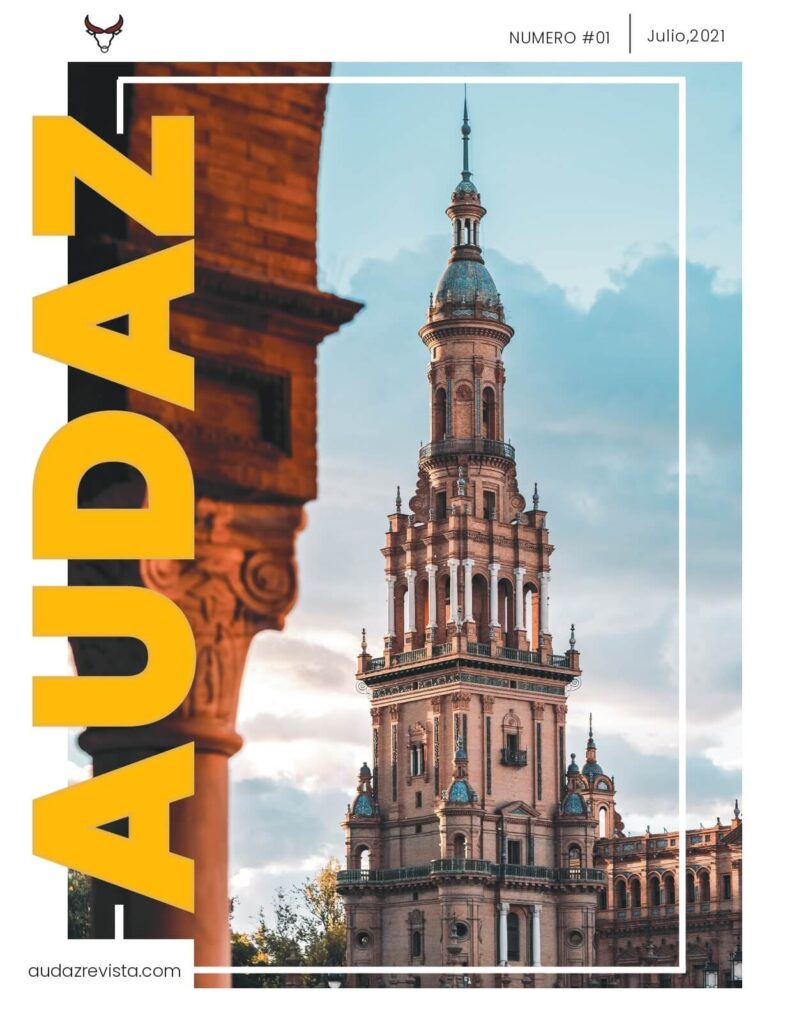
Want to go deeper? Audaz Revista Issue 1 covers topics like this with original cultural features and language insights you will not find in a textbook. Explore Issue 1
This tradition serves multiple purposes. It provides exercise and fresh air. It maintains social connections. It allows young people to see and be seen. The paseo turns public spaces into living rooms.
Public Plazas as Social Hubs
Every Spanish town centers on its plaza mayor (main square). These public spaces host markets, festivals, and daily socializing. Cafe terraces fill with people watching the world go by.
Children play while parents relax nearby. Elderly friends meet for their daily conversation. The plaza represents community life in its purest form.
The Sobremesa Tradition
One of the most cherished Spanish customs is the sobremesa tradition, the time spent lingering at the table after a meal. This practice embodies the Spanish philosophy that meals are about more than just food; they’re about connection, conversation, and savoring the moment together.
Regional Differences Across Spain
Spain contains 17 autonomous communities. Each possesses distinct traditions and characteristics. Understanding these differences enriches your appreciation of Spanish customs.
Regional Differences in Spain
Catalonia and the Northeast
Catalonia maintains a strong regional identity. Catalan language appears alongside Spanish. Barcelona combines traditional customs with cosmopolitan innovation.
The Basque Country offers another distinct experience. Pintxos replace tapas in local bars. The unique Basque language predates all other European languages. Cuisine here ranks among the world’s finest.
Andalusia and the South
Andalusia preserves many classic Spanish traditions. Flamenco originated in this region. The siesta tradition remains stronger here than in the north. Moorish architectural influences create stunning cityscapes.
Tapas culture thrives throughout Andalusia. In cities like Granada, tapas come free with drinks. The warm climate encourages outdoor living and late nights.
Galicia and the Northwest
Galicia feels distinctly different from southern Spain. Celtic influences appear in music and customs. Seafood dominates the cuisine. Green landscapes contrast with the arid south.
The Camino de Santiago pilgrimage route ends here. This brings international visitors seeking spiritual experiences. Santiago de Compostela’s cathedral draws millions annually.
Spanish Festivals and Celebrations
Spain celebrates more festivals than almost any European nation. These events reveal Spanish traditions at their most vibrant. Participating connects you deeply with local culture.
Major National Celebrations
Semana Santa (Holy Week) transforms cities across Spain. Elaborate processions fill streets with religious floats. Seville’s celebrations attract visitors worldwide.
La Tomatina in Bunol creates organized chaos each August. Thousands throw tomatoes in the world’s largest food fight. This quirky festival captures Spanish joy perfectly.
San Fermin in Pamplona runs each July. The Running of the Bulls draws thrill-seekers globally. The week-long festival includes music, dancing, and endless celebration.
Regional Festivals Worth Experiencing
Las Fallas in Valencia burns giant sculptures each March. Neighborhoods spend months creating elaborate figures. The final night sees flames consume these artistic creations.
La Feria de Abril in Seville celebrates spring with flamenco and horses. Women wear traditional traje de gitana (flamenco dress). The fairgrounds transform into a temporary city of celebration.
Carnival in Tenerife and Cadiz rivals Rio de Janeiro. Elaborate costumes and parades fill the streets. Music and dancing continue through the night.
Spanish Habits That Transform Daily Life
Living in Spain means adopting certain Spanish habits that can truly transform your daily experience. From the art of taking breaks to the importance of social connection, these customs reflect a way of life that prioritizes well-being and human connection.
Work-Life Balance in Spain
Spanish work culture prioritizes life outside the office. Average weekly working hours total 37.7. This falls below the EU average of 40.3 hours.
The extended lunch break shapes the workday. Many offices close between 2:00 and 5:00 PM. Employees return for evening hours until 8:00 or 9:00 PM.
Changing Work Patterns
Some Spanish companies are adopting continuous schedules. The “jornada intensiva” (intensive day) ends work by 3:00 PM. This trend grows particularly during summer months.
Young professionals increasingly seek work-life balance. Remote work opportunities expanded significantly recently. Spain’s digital nomad visa attracts international workers.
Social Etiquette and Customs
Understanding Spanish customs helps you connect authentically. Greetings involve two kisses on the cheek (right then left). This applies between women and mixed-gender greetings.
Punctuality in Spain differs from northern Europe. Arriving 15 to 30 minutes late to social events is acceptable. However, business meetings expect greater punctuality.
Conversation and Communication
Spaniards speak expressively and with passion. Interrupting during conversation is common and accepted. Personal space tends to be smaller than in northern countries.
Topics of conversation flow freely among friends. Family, food, and football dominate many discussions. Politics can spark heated but friendly debate.
Dining Etiquette
Meals are social occasions never to be rushed. Asking for the check (la cuenta) too quickly seems rude. Waiters will not bring it until requested.
Tipping is appreciated but not obligatory. Rounding up the bill or leaving small change suffices. Service charges rarely appear on restaurant bills.
Living in Spain. Practical Insights
Living in Spain offers unique rewards and adjustments. The cost of living remains lower than much of Western Europe. Quality of life consistently ranks high in global surveys.
Housing and Daily Costs
Rent varies dramatically by location. Madrid and Barcelona command premium prices. Smaller cities and towns offer excellent value.
Grocery costs remain reasonable throughout Spain. Local markets provide fresh produce at competitive prices. The Mediterranean diet proves both healthy and affordable.
Healthcare and Services
Spain’s public healthcare system serves residents well. Private insurance options provide additional coverage. Medical care quality meets high European standards.
Bureaucracy can frustrate newcomers. Patience and persistence help navigate administrative processes. Learning basic Spanish dramatically improves daily interactions.
Embracing the Spanish Way of Life
Daily life in Spain rewards those who embrace its rhythms. Slow down. Savor meals. Connect with neighbors. Prioritize relationships over efficiency.
The Spanish have perfected the art of living well. Their culture values presence over productivity. Happiness comes from shared experiences, not material accumulation.
After 15 years in Spain, I still discover new facets of this rich culture. Each region reveals different traditions. Each family shares unique customs. The journey of understanding Spanish life never truly ends.
Audaz Revista
Take Your Spanish Further
Audaz Revista Issue 1 is out now, a full-length bilingual magazine for serious Spanish learners. Latin American culture, grammar deep-dives, and language insights written by educators.
Whether you visit briefly or relocate permanently, Spanish customs will change your perspective. The warmth of the people, the beauty of traditions, and the joy of shared meals create lasting memories. Welcome to daily life in Spain (bienvenido a la vida espanola)!
Frequently Asked Questions About Daily Life in Spain
What time do Spanish people eat dinner?
Is the siesta still practiced in Spain?
What is tapas culture and how do I experience it?
How important is family in Spanish culture?
What are the main regional differences in Spain?
What is the paseo and why is it important?
How does the Spanish work schedule differ from other countries?
What should I know about Spanish social etiquette?