How to Shop a Spanish Supermarket Without a Translation App
By Camila Rossi, Culture writer, Buenos Aires & Barcelona
Updated July 18, 2026 · Camila Rossi
To shop a Spanish supermarket without a translation app, learn four things before the words. You usually weigh your own fruit and vegetables at a scale in the aisle and stick the printed barcode on the bag. Milk sits on a shelf, not in the fridge. Caducidad means throw it out, consumo preferente means it is still fine. And at the meat, cheese and fish counters you take a numbered ticket and wait for your turn. Get those four right and the shop runs itself.
- The one rule everyone repeats (“always weigh your own produce”) is now wrong at Mercadona, Spain’s biggest chain, which weighs loose fruit and veg at the till.
- Fecha de caducidad is a safety date. Consumo preferente is a quality date, and the food is still safe to eat after it (Spain’s food safety agency, AESAN).
- Spanish milk is nearly all UHT, so it lives on the ambient shelf: entera (whole), semidesnatada (semi-skimmed), desnatada (skimmed).
- The deli and fish counters run on a ticket number (turno). Grab one the second you arrive or you will stand there forever.
Why is a Spanish supermarket confusing if your Spanish is shaky?
It is not the fruit that gets you. It is the small system rules nobody writes on the wall.
A Spanish supermercado is laid out much like the one at home. The trap is the handful of local habits that are different enough to leave you stuck, holding a bag of tomatoes with no price on it while a queue builds behind you.
The store is split into named sections, and the signs are your map. Learn these six and you can find almost anything.
| Sign | What it means | What you find there |
|---|---|---|
| Frutería | Produce | Loose fruit and vegetables |
| Panadería | Bakery | Bread, rolls, pastries |
| Carnicería | Butcher | Fresh meat, counter service |
| Charcutería | Deli | Cured ham, chorizo, sliced cold cuts |
| Pescadería | Fishmonger | Fresh fish and seafood, counter service |
| Lácteos | Dairy aisle | Yoghurt, butter, cream (and shelf milk nearby) |
Section names taken from the standard layout of Spanish supermarkets covered in this shopping guide from Sincerely, Spain. The four counters (butcher, deli, cheese, fish) all work the same way, which brings us to the first thing that trips people up.
Do you really weigh your own fruit and vegetables in Spain?
For most of Spain, yes. And it is the number one reason tourists get sent back from the till.
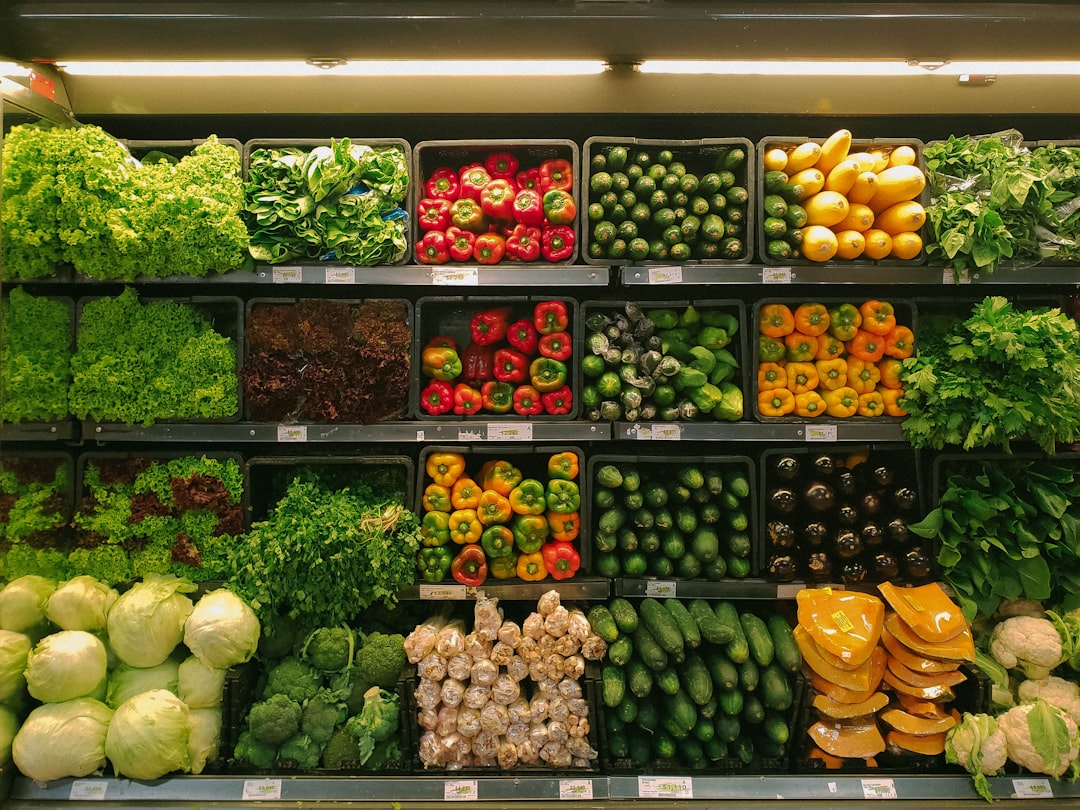
The traditional system works like this. You pick your loose produce, put it in a plastic bag, and carry it to a scale (la báscula) in the produce section. You press the picture or number for that item. The scale prints a sticker (una pegatina) with the weight and barcode. You stick it on the bag. Only then does it have a price.
Forget the sticker and the cashier cannot scan it. You get sent back to weigh it while everyone waits. Do it once and you never forget again.
Here is the twist nobody updates you on. Mercadona, the largest supermarket chain in Spain, has rolled out new tills where you no longer weigh loose fruit, veg or in-store bakery yourself. The cashier weighs it for you at checkout. So the golden rule flips depending on where you are standing.
The change was reported by the fresh-produce trade press: Mercadona customers are no longer required to weigh fruit and veg, and Mercadona’s own shopping tips reflect the same. It has rolled out store by store, so a small or older Mercadona branch may still have the scales. Here is the safe rule for each situation.
| Where you are | Do you weigh it yourself? | What to do |
|---|---|---|
| Carrefour, Día, Alcampo, most stores | Yes | Weigh, print the sticker, stick it on the bag |
| Newer Mercadona tills | No | Take the loose produce straight to the checkout |
| Older or small Mercadona | Sometimes | Look for a scale in the aisle. If there is one, use it |
| Not sure | Assume yes | Weighing it when you did not need to costs you nothing |
The simple version: if you can see a scale in the produce aisle, use it. If there is none, the till handles it. When in doubt, weigh it. An extra sticker never caused a problem. A missing one always does.
How do you read a Spanish food label without translating it?
Two label words decide whether food is safe or bin-bound, and tourists mix them up constantly.
Fecha de caducidad is the use-by date. It is about safety. It goes on things that spoil fast, like fresh meat, fish and prepared foods. Once that date passes, do not eat it. The risk is real.
Consumo preferente is the best-before date. It is about quality, not safety. It goes on stable foods like pasta, rice, tinned goods, biscuits and long-life milk. A day or a week past it, the food is still safe to eat if the packet is sealed and stored right. It might just taste a touch less fresh.
That distinction comes straight from Spain’s food safety agency, AESAN, and the Comunidad de Madrid consumer guidance. Getting it right saves you money and saves good food from the bin.
The other label that confuses people is milk, partly because of where it lives.
In Spain, most milk is UHT (long-life) and sold warm on an ambient shelf, not chilled in the fridge. That is normal and safe. You move it to your fridge at home once it is open. Do not go hunting the cold aisle for it.
| Label | English | The fat level |
|---|---|---|
| Leche entera | Whole milk | Full fat, usually a blue cap |
| Leche semidesnatada | Semi-skimmed | Half fat, usually a green cap |
| Leche desnatada | Skimmed | No fat, usually a red cap |
| Sin lactosa | Lactose free | Any of the above, lactose removed |
The cap colours are the common convention across Spanish brands, so once you learn them you can grab the right carton without reading a word. Translations confirmed against the Collins Spanish-English dictionary.
How does the meat, cheese and fish counter actually work?
You do not just walk up and order. You take a number first.
At the butcher (carnicería), deli (charcutería), cheese counter (quesería) and fishmonger (pescadería), there is a small dispenser with a roll of numbered tickets. Pull one. This is your turno, your turn.
A screen or the person behind the counter calls numbers out loud. When they call yours, you are up. Miss it because you were not paying attention and you go to the back of the order. The whole system is invisible if you do not know to look for the little ticket machine, and it is why tourists stand at the counter for ten minutes wondering why they keep getting skipped.
When your number is called, they will ask ¿Quién es el último? or simply say your number. Here are the words that get you served.
| You want to say | In Spanish |
|---|---|
| Whose turn is it? / Who is last? | ¿Quién es el último? |
| I would like… | Me pone… / Quería… |
| Half a kilo | Medio kilo |
| Two hundred grams | Doscientos gramos |
| A little more / a little less | Un poco más / un poco menos |
| That is all, thank you | Nada más, gracias |
Me pone is the little phrase that makes you sound like you have done this before. It literally means “put me,” and every Spaniard uses it at a counter. Lead with it and you will blend right in.
What happens at the checkout?
The checkout (la caja) holds two small surprises. Both are easy once you expect them.
First, you bag your own shopping, and you do it fast. There is no bagger, and the next customer’s items are already coming down the belt. Have your bags open and ready before the cashier starts scanning.
Second, bags cost money. The cashier will ask ¿Bolsa? (bag?). A plastic bag is a few cents and you pay for it. This is why locals bring their own. Bring a tote and you skip the question entirely.
- ¿Bolsa? Bag? Say sí to buy one or no, gracias if you brought your own.
- ¿Tiene tarjeta? Do you have a loyalty card? Say no if you do not.
- ¿Cómo va a pagar? How are you paying? Answer con tarjeta (card) or en efectivo (cash).
- El ticket is the receipt. Say sí if you want it.
Many stores also have self-checkout, the caja de autopago. The screen usually has an English option in the top corner. If you weighed your produce and stuck the barcode on, self-checkout is the fastest way out of the shop.
Which Spanish supermarket should you shop at?
They are not interchangeable. Each has a personality, and knowing it saves you a wasted trip.
| Chain | Known for | Good for the learner because |
|---|---|---|
| Mercadona | Biggest chain, strong own-brand (Hacendado) | Newer tills weigh produce for you, so one less step |
| Carrefour | Widest range, international products | Familiar brands when you want an easy first shop |
| Lidl / Aldi | Cheap, German discounters | Simple layout, fewer counters to navigate |
| Día | Small neighbourhood stores, low prices | Quick top-up shops, close to home |
| Alcampo | Large hypermarkets | One big trip for everything, out-of-town |
Chain reputations here reflect widely reported coverage of the Spanish grocery market, including Mercadona’s position as the country’s largest supermarket. If you want the least friction on day one, start at Carrefour for the familiar brands, then graduate to Mercadona once the weighing and counter systems feel normal.
The 15 words that carry the whole shop
Learn these and you can do a full Spanish supermarket run on autopilot. No app, no stress.
| Spanish | English |
|---|---|
| El carrito | The trolley |
| La cesta | The basket |
| La báscula | The scale |
| La pegatina | The sticker (weight barcode) |
| El pasillo | The aisle |
| La oferta | The offer / deal |
| El turno | Your number at a counter |
| La caja | The checkout |
| La bolsa | The bag |
| El ticket | The receipt |
| Fresco / congelado | Fresh / frozen |
| Caducidad | Use-by (safety) date |
| Consumo preferente | Best-before (quality) date |
| Sin gluten | Gluten free |
| Con tarjeta / en efectivo | By card / in cash |
That is the whole shop in fifteen words. Everything else you can point at. Spaniards are used to helping, and pointing plus ¿esto? (“this?”) gets you a long way.
So what is the one thing to remember?
Weigh your produce unless you are in a new Mercadona. Take a ticket at every counter. And trust consumo preferente, because that yoghurt one day past its date is completely fine.
The supermarket is one of the best free Spanish lessons you will get. Every label is vocabulary, every counter is a tiny conversation, and nobody is grading you. Read the packets while you queue and you will pick up more food words in a week than an app teaches in a month.
Want more of the real-world Spanish your app skips? Try our guide to ordering coffee in Spain without getting a glass of milk, or the slang that makes you sound like a local. If you would rather wander a traditional market, our complete guide to Spanish markets covers the mercado, and our shopping phrases guide gives you 80-plus lines for any store.
Frequently asked questions
Do you weigh your own fruit and vegetables in Spanish supermarkets?+
In most Spanish supermarkets, yes. You put loose produce in a bag, weigh it on a scale in the produce aisle, and stick the printed barcode on the bag before checkout. The big exception is Mercadona, Spain’s largest chain, which has rolled out newer tills that weigh loose fruit and veg at the checkout instead. If you see a scale in the aisle, use it. If not, take the produce straight to the till.
What is the difference between caducidad and consumo preferente?+
Fecha de caducidad is a use-by date about safety, used on perishable foods like fresh meat and fish. Do not eat those after the date. Consumo preferente is a best-before date about quality, used on stable foods like pasta, tinned goods and long-life milk. Those are still safe to eat after the date if the packet is sealed and stored correctly, according to Spain’s food safety agency AESAN. They may just taste slightly less fresh.
Why is milk not in the fridge in Spanish supermarkets?+
Because most milk sold in Spain is UHT (ultra-heat-treated, long-life), which is stable at room temperature until you open it. So it sits on an ambient shelf, not in the chilled section. It is completely safe. You refrigerate it at home once it is open. Look for entera (whole), semidesnatada (semi-skimmed) or desnatada (skimmed).
How do the counters work in a Spanish supermarket?+
At the butcher, deli, cheese and fish counters you take a numbered ticket, called a turno, from a small dispenser as soon as you arrive. A screen or the assistant calls numbers in order. When your number is called, it is your turn to order. If you do not take a ticket, you will keep getting skipped because everyone else has one.
What do you say at a Spanish supermarket checkout?+
The cashier may ask three things. Bolsa? means do you want a bag, which you pay a few cents for. Tiene tarjeta? asks if you have a loyalty card. Como va a pagar? asks how you are paying, answered with con tarjeta (card) or en efectivo (cash). You bag your own shopping quickly, as there is no bagger.
Which supermarket is best in Spain for someone who does not speak Spanish?+
Carrefour is the easiest starting point because it stocks many familiar international brands and has a clear layout. Mercadona is the largest and cheapest for own-brand goods, and its newer stores weigh your produce for you. Lidl and Aldi have simple layouts with fewer counters to navigate. Start at Carrefour on day one, then move to Mercadona once the weighing and counter systems feel normal.
Learning the Spanish nobody teaches in class? Subscribe to Audaz Revista for the real-world words, the cultural rules, and the phrases your app keeps skipping.
Camila Rossi
Culture writer, Buenos Aires & Barcelona
Camila Rossi is a writer based between Buenos Aires and Barcelona who covers the everyday culture of the Spanish-speaking world: its rituals, its food, and its unwritten social codes. She grew up sharing mate at her grandmother’s table, and writes about the customs that guidebooks tend to skip.
Share
Topics

audazrevista
You may also like



Get the Inside Scoop