Spanish Shopping Phrases: 80+ Essential Phrases for Markets and Stores [2026]
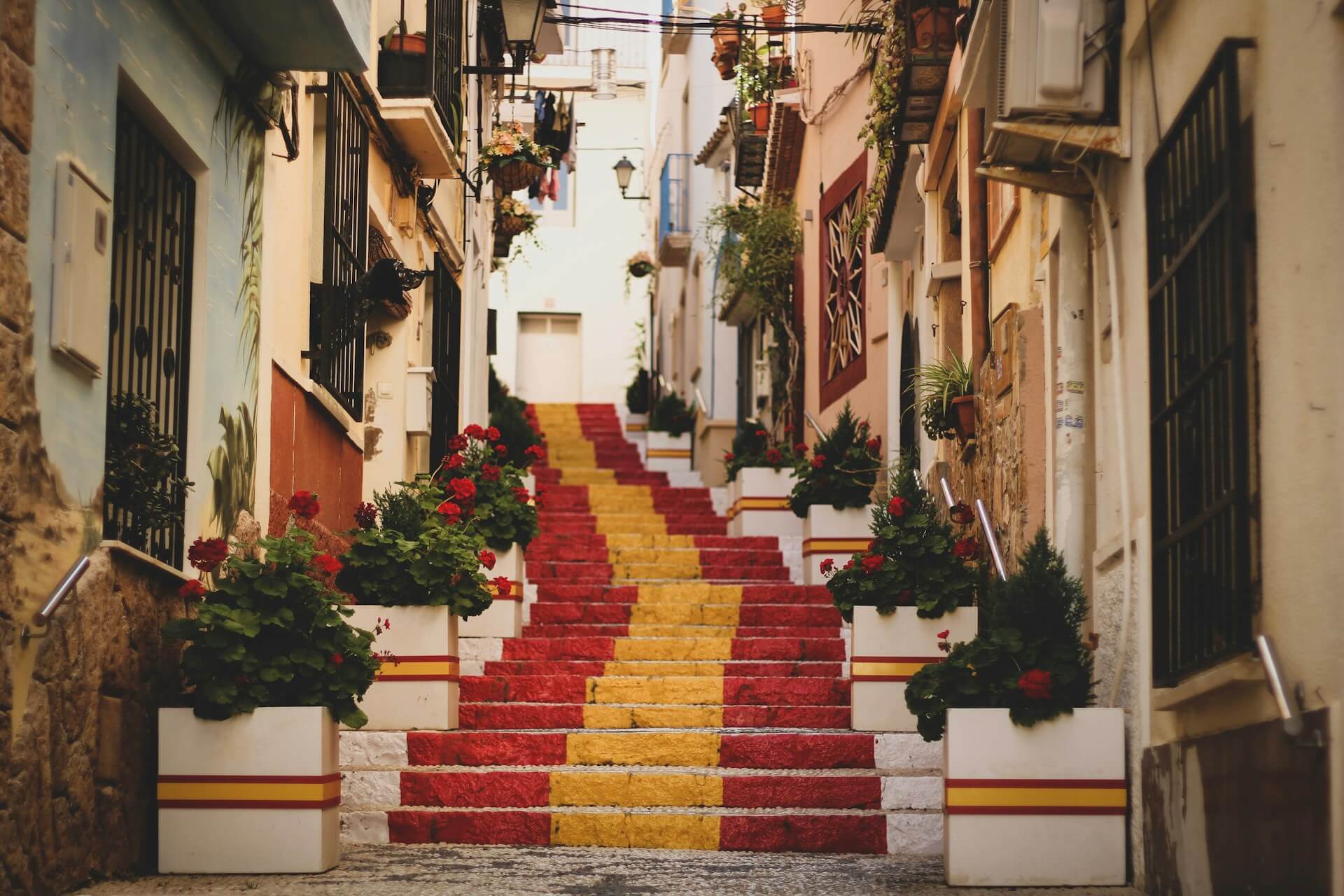
![Spanish Shopping Phrases: 80+ Essential Phrases for Markets and Stores [2026]](https://audazrevista.com/wp-content/uploads/2026/02/spanish-shopping-phrases-guide.jpg)
Audaz Revista
Take Your Spanish Further
Audaz Revista Issue 1 is out now, a full-length bilingual magazine for serious Spanish learners. Latin American culture, grammar deep-dives, and language insights written by educators.
Key Takeaways
- The most important question, Cuanto cuesta? (singular) / Cuanto cuestan? (plural), “How much does it/do they cost?”
- In markets (mercados), bargaining is expected and culturally normal in many Latin American countries but unusual in Spain.
- Sizes in Spanish-speaking countries often follow different numbering systems than the US/UK, always ask to try things on.
- Efectivo (cash) is still preferred at many markets and small shops; always ask “Acepta tarjeta?” before expecting card payment.
- The phrase “Solo estoy mirando” (I’m just looking) is essential for browsing without pressure.
Shopping in a Spanish-speaking country is one of the most rewarding language challenges, and one of the most practical. From the vibrant mercados of Mexico City to the fashion boutiques of Madrid, the ability to communicate confidently with shopkeepers, ask prices, and navigate payment systems opens up authentic local experiences that tourist shops simply cannot provide.
This guide gives you 80+ essential Spanish shopping phrases organized by situation. Whether you are browsing clothing stores, bargaining for handicrafts at a traditional market, or doing your weekly grocery run, these phrases will serve you in every Spanish-speaking country.
Shopping phrases build on foundational vocabulary covered in our common Spanish phrases guide and the numbers vocabulary in our 500 most common Spanish words list.
Essential Shopping Vocabulary
Before diving into phrases, learn the core nouns that appear in every shopping situation,
| Spanish | English | Spanish | English |
|---|---|---|---|
| la tienda | store / shop | el mercado | market |
| el precio | price | el descuento | discount |
| la oferta | sale / offer | la rebaja | markdown / clearance |
| el efectivo | cash | la tarjeta | card |
| el recibo | receipt | la bolsa | bag |
| la talla | size (clothing) | la talla de zapatos | shoe size |
| el vendedor / la vendedora | salesperson | el probador | fitting room |
Entering a Store and Greeting
In Spanish-speaking countries, it is customary to greet the shopkeeper when entering. Ignoring this can seem rude. These opening exchanges set a positive tone,
| Spanish | English |
|---|---|
| Buenos dias / Buenas tardes | Good morning / Good afternoon |
| Solo estoy mirando, gracias. | I’m just looking, thank you. |
| Necesito ayuda, por favor. | I need help, please. |
| Busco un regalo para mi amigo/a. | I’m looking for a gift for my friend. |
Finding Items and Asking for Help
| Spanish | English |
|---|---|
| Tiene ___? | Do you have ___? |
| Donde estan los ___? | Where are the ___? |
| Busco una camisa / unos zapatos. | I’m looking for a shirt / some shoes. |
| Tiene algo mas barato? | Do you have something cheaper? |
| Lo/La tiene en otro color? | Do you have it in another color? |
| Lo/La tiene en talla grande/pequena? | Do you have it in large/small? |
Asking About Prices
Price questions are the most important shopping phrases you will learn. Master these and you can handle almost any shopping situation,
Asking the price
- Cuanto cuesta?, How much does it cost? (singular)
- Cuanto cuestan?, How much do they cost? (plural)
- Cual es el precio?, What is the price?
- A como esta el kilo de…?, How much per kilo of…?
Responding to prices
- Esta muy caro/a., It’s very expensive.
- Es muy barato/a., It’s very cheap.
- Me lo llevo., I’ll take it.
- No, gracias., No, thank you.
Sizes, Colors, and Fitting Rooms
| Spanish | English | Notes |
|---|---|---|
| Puedo probarmelo? | Can I try it on? | Always ask before trying |
| Donde estan los probadores? | Where are the fitting rooms? | |
| Necesito una talla mas grande / pequena. | I need a larger / smaller size. | |
| Me queda bien / mal. | It fits well / doesn’t fit. | Quedar = to fit clothing |
| Lo tiene en rojo / azul / negro? | Do you have it in red / blue / black? | Colors are adjectives, must agree |
| Spanish Size | Abbreviation | English Size |
|---|---|---|
| extra pequeno | XS | Extra Small |
| pequeno | S (or P) | Small |
| mediano | M | Medium |
| grande | L (or G) | Large |
| extra grande | XL | Extra Large |
Paying and Checkout
| Spanish | English |
|---|---|
| Acepta tarjeta de credito / debito? | Do you accept credit / debit card? |
| Voy a pagar en efectivo. | I’m going to pay cash. |
| Tiene cambio para un billete de 500? | Do you have change for a 500 bill? |
| Me puede dar un recibo? | Can you give me a receipt? |
| Hay algun descuento? | Is there any discount? |
| Puede envolverlo para regalo? | Can you gift-wrap it? |
At the Market. Bargaining in Spanish
In many Latin American countries, especially Mexico, Guatemala, Peru, Bolivia, and Ecuador, el regateo (bargaining) is a normal and expected part of market shopping. Vendors often quote higher prices expecting negotiation. In Spain and upscale stores everywhere, prices are fixed.
Want to go deeper? Audaz Revista Issue 1 covers topics like this with original cultural features and language insights you will not find in a textbook. Explore Issue 1
Golden Rules of Market Bargaining
- Always be friendly and smile, aggression closes deals
- Start at 50-60% of the asking price for handicrafts
- Be prepared to walk away, often the vendor will call you back
- Have a maximum price in mind before you start
- Agree to buy multiple items for a better total price
| Spanish | English |
|---|---|
| Esta muy caro. Me lo deja en ___? | It’s very expensive. Can you give it to me for ___? |
| Me hace un precio especial? | Can you give me a special price? |
| Si llevo dos, me da un descuento? | If I buy two, will you give me a discount? |
| Lo maximo que puedo pagar es ___. | The maximum I can pay is ___. |
| Esta bien, me lo llevo. | OK, I’ll take it. |
Grocery Shopping Vocabulary
The supermercado (supermarket) has its own vocabulary. Knowing these words helps you navigate aisles, read labels, and communicate at the carniceria (butcher) and panaderia (bakery),
| Spanish | English | Spanish | English |
|---|---|---|---|
| el supermercado | supermarket | la carniceria | butcher shop |
| la panaderia | bakery | la farmacia | pharmacy |
| medio kilo | half a kilogram | una docena | a dozen |
| la fecha de caducidad | expiration date | sin gluten | gluten-free |
Returns and Complaints
| Spanish | English |
|---|---|
| Quisiera devolver esto. | I’d like to return this. |
| Esta roto / defectuoso. | It’s broken / defective. |
| No es lo que pedi. | This is not what I ordered. |
| Puede cambiarmelo? | Can you exchange it for me? |
Country Differences. Spain vs. Latin America
Spain
- Prices are fixed, no bargaining in stores
- Siesta hours (2-5 PM) mean many small shops close
- Sales tax (IVA) is 21% and usually included in prices
- “Hay que” replaces “Se puede” in many contexts
- Use “vosotros” for plural you (not used in Latin America)
Latin America
- Bargaining expected at markets and artisan stalls
- Cash is often preferred, sometimes only option
- Prices often exclude tax (IVA varies. Mexico 16%, Colombia 19%)
- “Platear” (Mexico) means to bargain/negotiate
- Reusable bags often required or charged
Frequently Asked Questions
How do I say “How much does this cost?” in Spanish?
The most direct way is “Cuanto cuesta esto?” (singular, one item) or “Cuanto cuestan estos/estas?” (plural, multiple items). You can also point and ask “Cuanto es?” (How much is it?) which works for any situation. In markets, “A como?” is a common informal alternative you will hear frequently.
Is it rude to bargain in all Spanish-speaking countries?
Not at all, it depends on the context. At traditional markets (mercados), handicraft fairs, and stalls selling local artisan goods in most of Latin America, bargaining is normal and expected. Vendors often quote a higher price anticipating negotiation. In established stores, supermarkets, malls, or Spain, prices are fixed and bargaining is inappropriate. A good rule, if there is no price tag, the price is negotiable.
What should I say if I don’t understand the price?
Ask them to write it down, “Puede escribirlo?” (Can you write it down?) or show it on a calculator, “Puede mostrarmelo en la calculadora?”. You can also say “No entendi, puede repetirlo mas despacio?” (I didn’t understand, can you repeat it more slowly?). Vendors in tourist areas are usually very patient with this request.
How do clothing sizes work in Spanish-speaking countries?
Clothing sizes vary significantly across different countries. Spain often uses European numeric sizing (38, 40, 42 for women’s; 46, 48, 50 for men’s). Mexico and most of Latin America typically use S/M/L/XL sizing with some numerical variation. Always try clothes on before buying and use the phrase “Puedo probarmelo?” (Can I try it on?), this prevents returns and sizing issues.
What if I want to say “I’ll think about it” without committing to buy?
Use “Lo voy a pensar” (I’m going to think about it) or “Voy a dar una vuelta y vuelvo” (I’m going to have a look around and come back). You can also simply say “Gracias, tal vez mas tarde” (Thank you, maybe later). These are polite ways to decline without being rude. At markets, starting to walk away often results in the vendor offering you a better price.
Shop Confidently in Any Spanish-Speaking Country
Take these phrases with you on your next trip or language practice session,
- Master “Cuanto cuesta?” first, it is the single most useful shopping phrase
- Learn the bargaining phrases if you will visit markets in Latin America
- Memorize “Solo estoy mirando” to browse without pressure
- Practice numbers, price negotiations require fluent number comprehension
Build your full vocabulary foundation with our Spanish for beginners complete guide.
Get Weekly Spanish Tips
Join 5, 000+ learners receiving practical Spanish lessons, vocabulary guides, and cultural insights every week.
Written by Carlos Rivera
Carlos is a Spanish language educator and linguist with 10+ years of experience teaching conversational Spanish across Mexico, Colombia, and the United States. He has lived and shopped extensively across Latin America, and his practical, culture-informed approach makes Spanish accessible for real-world use.
Share
Topics

audazrevista
You may also like



Get the Inside Scoop