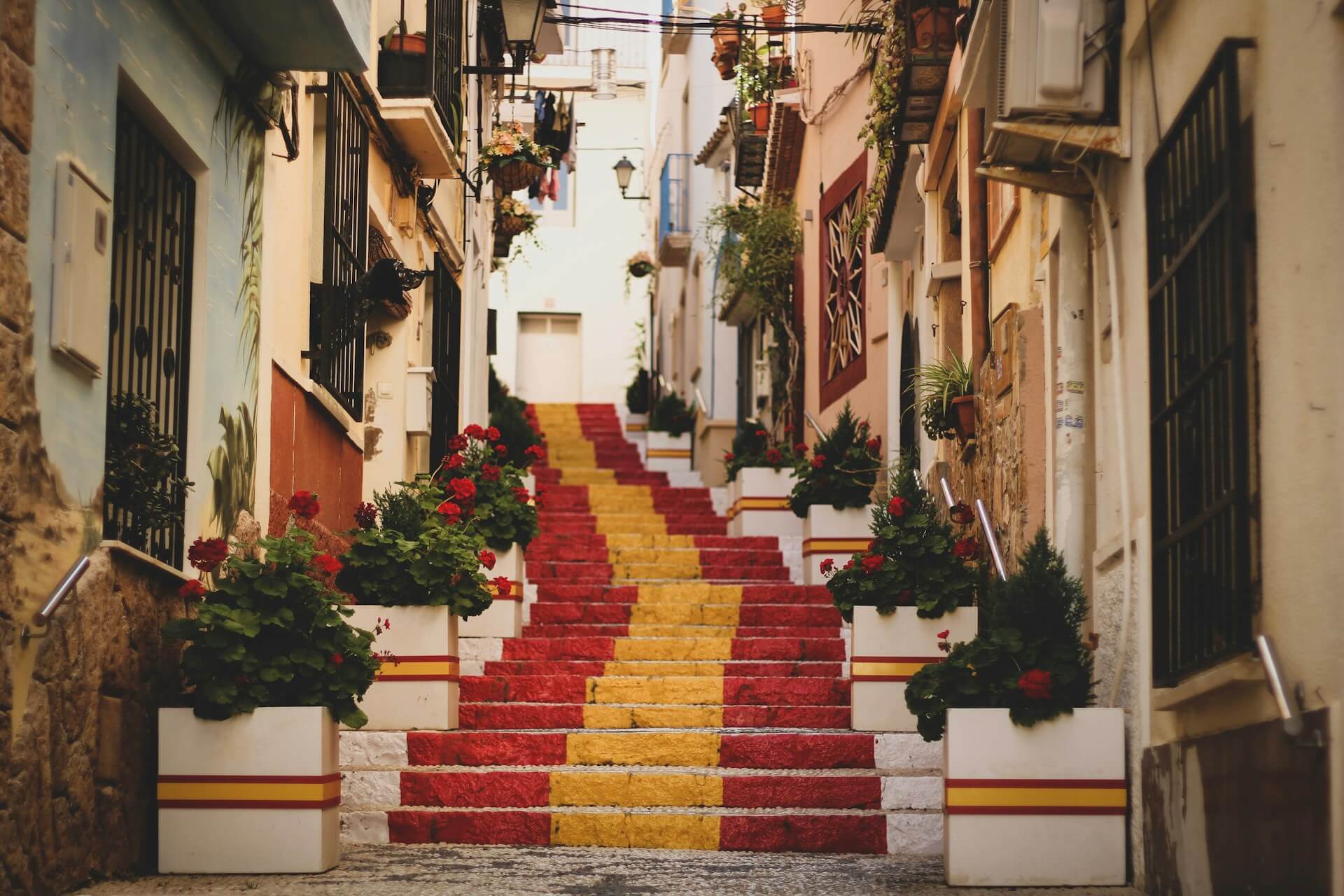
Living in Segovia: The Unfiltered Expat Guide to Spain’s Best-Kept Secret
Pack your bags. We’re going somewhere incredible.
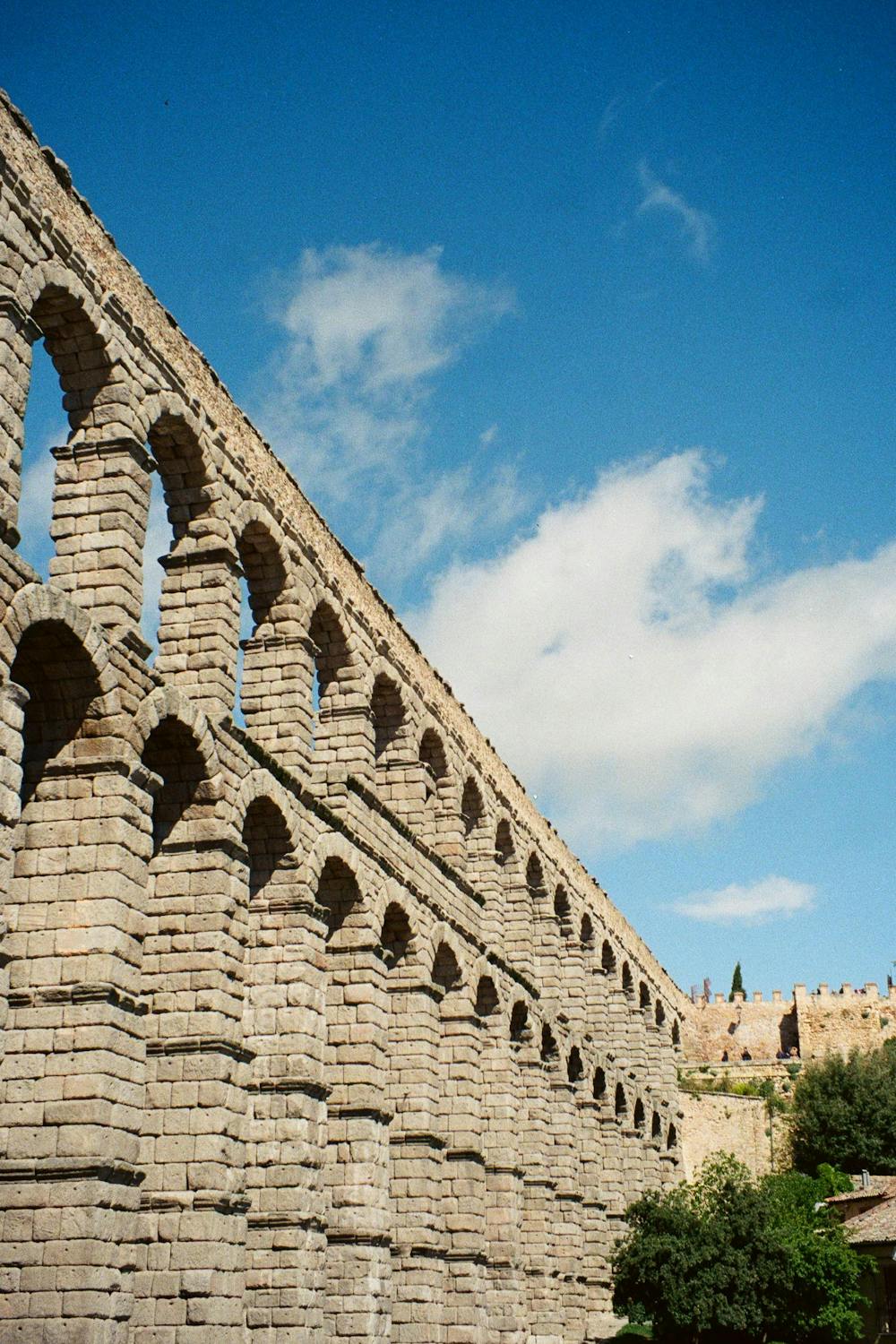
Not Barcelona. Not Madrid. Not even Seville. We’re heading to a city that most expats overlook entirely, and honestly, that’s part of its charm. Segovia sits just 90 kilometres northwest of Madrid, perched on a rocky ridge between two rivers, crowned by a 2,000-year-old Roman aqueduct that makes your jaw drop every single morning.
If you’ve ever dreamed about spanish family life spain style, where neighbours actually know your name, kids play in medieval plazas, and your morning coffee comes with a free tapa, Segovia is that dream made real.
Here’s the real talk. This isn’t a tourist guide. This is everything you need to know about actually living here.
Why Segovia? The Short Version
Let’s start with the obvious. Segovia is a UNESCO World Heritage Site. The entire old town has been protected since 1985, which means you’re not just renting an apartment, you’re living inside a piece of world history.
The city is home to roughly 52,000 people. Small enough that you’ll recognise faces at the market within weeks. Big enough that you won’t feel isolated.
And then there’s the aqueduct. The Acueducto de Segovia (ah-kweh-DOOK-toh deh seh-GOH-vee-ah) stretches 818 metres across the city, held together by roughly 25,000 granite blocks and absolutely zero mortar. It’s been standing since the late first century AD. You’ll walk under it on your way to grab bread, and it never gets old.
But the real magic of spanish family life spain isn’t the monuments. It’s the rhythm. Life here moves differently. People eat dinner at 10pm, shops close for siesta, and Sunday lunch with family is sacred. If you’ve been craving a slower, richer pace of life, you’ve found it.
Cost of Living: Your Wallet Will Thank You
Here’s where Segovia really shines. According to Expatistan’s 2025 data, Segovia is 26% cheaper than Madrid. That’s not a small difference. That’s the difference between scraping by and living comfortably.
A one-bedroom apartment in the city centre runs between €400 and €550 per month. Compare that to Madrid, where you’d pay €900 or more for the same thing. Rooms in shared flats? You can find them for €200 to €350.
Groceries cost roughly the same across Spain, around €200 to €300 per month for one person. But eating out in Segovia is notably cheaper than the capital. A menú del día (meh-NOO del DEE-ah, the set daily lunch menu) typically costs between €10 and €14, and it usually includes three courses plus wine or water.
Your monthly budget as a single expat? Around €1,000 to €1,300 covers rent, food, transport, and a decent social life. That’s significantly less than what you’d spend in most other European cities.
Neighbourhoods: Where to Actually Live
Not all of Segovia is medieval cobblestones (your ankles will appreciate knowing this). Here’s the neighbourhood breakdown.
The Old Town (Casco Antiguo)
This is the postcard. Narrow streets, stunning architecture, plazas around every corner. Living here means being steps from the Alcázar, the cathedral, and the aqueduct. The trade-off? Flats can be smaller and older, parking is nearly impossible, and tourist foot traffic picks up on weekends. Perfect for singles or couples who want maximum atmosphere.
San Lorenzo
Just below the old town, San Lorenzo is where many locals actually live. It’s quieter, more residential, and has its own strong community identity. Every August, the barrio (BAH-ree-oh, neighbourhood) throws a proper local fiesta around August 10th, and it’s one of the highlights of Segovia’s social calendar. Great for families.
La Albuera
This newer, more modern area offers larger apartments, better parking, and a more suburban feel. If you’ve got kids and need space, La Albuera delivers. It’s well connected to the centre by bus and a short drive.
San Millán and Puente de Hierro
These areas sit along the lower parts of the city. More affordable, more spacious, and popular with students and young professionals. Good public transport connections. Not as picturesque, but very liveable.
Daily Life: What a Typical Day Looks Like
Forget what your textbook told you about Spanish schedules. Here’s the real talk about how days flow in Segovia.
Morning: Spaniards don’t do big breakfasts. You’ll grab a café con leche (kah-FEH kon LEH-cheh, coffee with milk) and maybe a tostada (toh-STAH-dah, toast) with tomato and olive oil at your neighbourhood bar. Yes, a bar. At 8am. That’s perfectly normal here.
Midday: The main meal happens between 2pm and 3:30pm. This is serious business. Two or three courses, eaten slowly, often with family or colleagues. Many shops close during this period, especially smaller, family-run ones.
And yes, the siesta tradition is alive and well in Segovia, more so than in bigger cities. Between roughly 2pm and 5pm, the city gets noticeably quieter.
Evening: Life picks back up around 6pm. People stroll, kids play in the plazas, and the paseo (pah-SAY-oh, the evening walk) is a genuine social event. Dinner? Rarely before 9pm, often closer to 10pm. If you eat at 7pm, you’ll be dining alone.
This rhythm of spanish family life spain is one of the things expats either love or struggle with. The ones who embrace it? They never want to leave.
Food Culture: Way Beyond Cochinillo
We need to talk about cochinillo asado (koh-chee-NEE-yoh ah-SAH-doh, roast suckling pig). It’s Segovia’s most famous dish, and there’s a reason it’s famous. The pig is roasted in a traditional wood-fired oven until the skin turns so impossibly crispy that chefs carve it using the edge of a plate, then smash the plate on the ground for good luck.
Restaurants like Mesón de Cándido, operating since 1786, have turned this into an art form. But cochinillo is just the beginning.
The food culture here is pure Castilian. Hearty, honest, and deeply seasonal. You’ll also find:
- Judiones de la Granja (hoo-dee-OH-ness deh la GRAHN-ha) – massive butter beans slow-cooked with chorizo and morcilla (blood sausage), originally from the nearby town of La Granja de San Ildefonso
- Ponche segoviano (POHN-cheh seh-goh-vee-AH-noh) – a layered sponge cake with marzipan and cream, the city’s signature dessert
- Cordero asado (kor-DEH-roh ah-SAH-doh) – roast lamb, prepared in the same wood-fired ovens as the cochinillo
- Truchas a la segoviana (TROO-chahs ah la seh-goh-vee-AH-nah) – trout prepared in the Segovian style with jamón serrano
If you want to truly understand Spanish habits and daily life, start at the table. Food isn’t fuel here. It’s connection, tradition, and community.
Festivals and Traditions That’ll Blow You Away
Segovia knows how to throw a party. And living here means you’re not watching from the sidelines, you’re part of it.
Fiestas de San Juan y San Pedro (Late June)
This is the big one. Segovia’s main festival has been running since the fifteenth century. Think live music in every plaza, traditional dances, fireworks, and the city centre transformed into one giant celebration. It lasts about ten days. You won’t sleep much. You won’t care.
Titirimundi International Puppet Festival (May)
One of Europe’s most respected puppet theatre festivals. Performers from around the world take over Segovia’s streets, squares, and historic buildings. It’s absolutely magical for families, and surprisingly compelling for adults too.
Santa Águeda (Early February)
This is one of the most unique traditions you’ll find anywhere in Spain. Held in the Zamarramala neighbourhood, this fiesta celebrates the legendary Segovian women who, in the thirteenth century, distracted Moorish soldiers with their dances while the men recaptured the Alcázar. Two women are appointed as lady mayors for the day, the “Golden Mankiller” prize is awarded, and the celebration ends with the burning of a pelele (peh-LEH-leh, a rag doll). It’s fierce, feminist, and wildly fun.
Semana Santa (March/April)
Holy Week processions wind through the medieval streets with haunting beauty. Whether you’re religious or not, the atmosphere, the candlelight, the silence broken only by drumbeats, is genuinely powerful.
Language Tips: Slang You’ll Hear in Segovia
Your Spanish is about to level up. Segovia sits in Castilla y León, the region where “standard” Castilian Spanish originated. The accent here is considered among the clearest in Spain, which is fantastic for learners.
But locals still have their own flavour. Here’s how to learn spanish slang words that’ll actually help you fit in.
- ¡Tío/Tía! (TEE-oh / TEE-ah) – Literally “uncle/aunt,” but used constantly as “dude” or “mate.” You’ll hear this dozens of times per day.
- Mola (MOH-lah) – “Cool” or “awesome.” “¡Mola mucho!” means something’s really great.
- Currar (koo-RRAR) – Slang for “to work.” “Estoy currando” means “I’m working.”
- Flipar (flee-PAR) – To be amazed or shocked. “¡Estoy flipando!” means “I can’t believe it!”
- Quedamos (keh-DAH-mohs) – “Shall we meet up?” This is how plans are made. Short, casual, direct.
- Guay (gwy) – Another word for “cool.” Very common across Spain, and you’ll hear it constantly in Segovia.
The best part about learning Spanish in Segovia? Locals are patient and genuinely encouraging with learners. The city doesn’t get the tourist volume of Barcelona or Madrid, so people actually appreciate the effort. Try these phrases out. You’ve got this.
Want to go deeper? Check out this guide to 100+ common Spanish phrases for beginners to build your foundation.
Spanish Family Life: Why Families Thrive Here
This is where the magic happens. If you’re moving to Spain with a family, Segovia deserves to be at the top of your list.
Spanish family life spain looks different from what you might be used to. Here, family isn’t just important. It’s everything. Sunday lunch at abuela’s (ah-BWEH-lahs, grandma’s) house isn’t optional. Kids stay up late because social life includes them. Multi-generational gatherings are the norm, not the exception.
In Segovia specifically, the compact size works in your favour. Your children can walk to school safely. They’ll play in centuries-old plazas with neighbourhood kids while you have coffee nearby. There’s a trust and community here that bigger cities simply can’t replicate.
The education system offers several pathways:
- Public schools (colegios públicos): Free, taught in Spanish. Full immersion for your kids. Quality varies by school but is generally solid.
- Semi-private schools (colegios concertados): Government-subsidised with modest fees. Often run by religious organisations. Popular with local families.
- Private and international schools: Available in larger cities nearby, including Madrid (just 30 minutes by high-speed train).
Healthcare is excellent. Spain’s public health system consistently ranks among the best in Europe. The Hospital General de Segovia handles most medical needs, and Madrid’s world-class hospitals are a short train ride away for anything specialised.
There’s a reason Spain regularly tops “best countries for families” lists. The combination of affordable living, strong public services, incredible food, and a culture that genuinely prioritises family time creates something special. If you’re coming from a culture that values family deeply, you’ll feel right at home.
Practical Stuff: Healthcare, Transport, and Paperwork
Here’s the real talk about the less romantic side of expat life.
Getting There and Getting Around
Segovia connects to Madrid via the AVE (AH-veh) high-speed train. The journey takes just 27 minutes from Segovia-Guiomar station. That’s faster than most people’s commute within Madrid. Regular trains and buses also run frequently.
Within Segovia itself, you can walk most places in 20 to 30 minutes. The city has a decent local bus network, and most locals either walk or drive for longer distances. Parking in the old town is a nightmare, but the newer neighbourhoods have much better options.
The Paperwork: Empadronamiento and NIE
Your first stop after finding housing: the Ayuntamiento (ah-yoon-tah-mee-EN-toh, town hall) for your empadronamiento (em-pah-droh-nah-mee-EN-toh), which is your address registration. This document unlocks everything in Spain, from healthcare to banking. Do this within the first week.
You’ll also need your NIE (Número de Identificación de Extranjero), your foreign identification number. The process in Segovia is significantly less painful than in Madrid. Shorter queues, fewer crowds, and staff who aren’t burned out from processing hundreds of applications daily.
Healthcare
Once registered, EU citizens can access Spain’s public healthcare system through their European Health Insurance Card or by registering with the social security system. Non-EU residents will need private health insurance initially, at least until their residency permits give them access to the public system.
According to the 2026 healthcare rules for expats in Spain, the system is managed regionally, and Castilla y León’s healthcare is well-regarded.
Segovia vs Madrid: The Real Numbers
Thinking about whether to go big city or small city? Here’s the side-by-side comparison, drawn from Expatistan and LivingCost.org data.
| Category | Segovia (Monthly) | Madrid (Monthly) | You Save |
|---|---|---|---|
| 1-bed apartment (centre) | €400 – €550 | €900 – €1,200 | ~50% |
| 1-bed apartment (outside centre) | €300 – €400 | €700 – €900 | ~45% |
| Groceries | €200 – €280 | €220 – €300 | ~10% |
| Menú del día (lunch) | €10 – €14 | €12 – €16 | ~15% |
| Monthly transport pass | €30 – €40 | €55 – €70 | ~40% |
| Utilities (basic) | €80 – €120 | €100 – €150 | ~20% |
| Total monthly (single person) | €1,000 – €1,300 | €1,800 – €2,400 | ~26-45% |
The biggest saving is rent. And in Segovia, you’re getting character, history, and space that Madrid simply can’t match at those prices. Plus, with the high-speed train connecting the two cities in under 30 minutes, you get the best of both worlds: small-city living with big-city access.
Quick Checklist: Is Segovia Right for You?
Be honest with yourself before making the move. Segovia is perfect for some people and challenging for others.
Segovia is ideal if you:
- ✅ Want affordable, high-quality spanish family life spain experience
- ✅ Prefer a tight-knit community over big-city anonymity
- ✅ Are learning Spanish and want clear Castilian pronunciation around you
- ✅ Love history, culture, and food
- ✅ Want easy access to Madrid without living there
- ✅ Are moving with family and prioritise safety and community
Segovia might not suit you if you:
- ❌ Need a vibrant nightlife scene (head to Madrid for that)
- ❌ Require a large international expat community
- ❌ Want everything in English (you’ll need at least basic Spanish)
- ❌ Need extensive public transport within the city
- ❌ Are looking for high-paying local employment (remote work or Madrid commute recommended)
Conclusion
Segovia is one of those rare places that gives you everything Spain is famous for, the food, the history, the culture, the warmth of community, without the tourist crowds and inflated prices of the bigger cities.
The cost of living is genuinely affordable. The spanish family life spain experience here is authentic and welcoming. The Castilian Spanish is crystal clear for learners. And every morning, you walk past a 2,000-year-old aqueduct on your way to grab coffee. That never gets old.
Is it for everyone? No. If you need the buzz of a major city, Segovia will feel quiet. But if you’re after a life that’s rich in the ways that actually matter, connection, culture, history, and a pace that lets you breathe, this small city on the ridge delivers.
Ready to explore more about life in Spain? Start picking up the language that’ll make your experience ten times richer. These 100+ common Spanish phrases will get you started.
Now go explore. Your Spanish adventure is waiting. 🇪🇸
]]>Share
Topics

audazrevista
You may also like


Get the Inside Scoop