Quinceañera: What This Coming-of-Age Celebration Really Means
Key Takeaway, The quinceañera is far more than a birthday party. It is a living cultural ceremony that traces its roots to ancient Aztec rituals and Spanish Catholic traditions, marking the moment a young woman steps into her role in family and community.
What Is a Quinceañera?
Quinceañera (pronounced keen-say-ah-NYEH-rah) is a Latin American and Latino celebration marking a young woman’s 15th birthday. The word combines quince (fifteen) and años (years). It symbolizes the transition from childhood to womanhood and is observed across Latin America, the Caribbean, and Latino communities in the United States.
Think of it as a debutante ball, a religious ceremony, and a family reunion all in one. The quinceañera is a statement, this young woman is ready to take her place in the world.
More than 200, 000 quinceañeras are celebrated each year in the United States alone, according to research from the University of Southern California. In countries like Mexico, Colombia, and Cuba, the tradition is even more deeply woven into social life. For many families, planning a quinceañera begins years in advance, and it is often the largest celebration a family will host outside of a wedding.
The celebration typically has two parts, a Catholic Mass (the Misa de Quinceañera) followed by a festive reception. Together, they last an entire day, and sometimes into the following morning.
History and Origins. Where Two Worlds Meet
The quinceañera is a remarkable cultural hybrid. Its roots run deep into two distinct civilizations, the Indigenous peoples of Mesoamerica and the Spanish Catholic missionaries who arrived in the 16th century.
Among the Aztecs, girls underwent a ceremony at puberty in which they were presented to the community and dedicated to the goddess Tonantzin. Young women were taught their future roles, given wisdom from elders, and marked as contributors to society. The Maya and other Indigenous groups had similar rites of passage. These were not trivial occasions. They were formal, communal recognitions of a girl’s new status.
When Spanish colonizers arrived and began converting Indigenous populations to Catholicism, they did not erase these traditions. Instead, they merged them with Catholic practice. The result was the quinceañera as we know it today, a blend of Indigenous ceremony and Catholic sacrament.
The celebration spread throughout Latin America and evolved differently in each country over the centuries. By the 20th century, it had become one of the most important milestones in Latino family life. When Latino families emigrated to the United States, they brought the quinceañera with them. It has since become a thriving tradition in cities from Los Angeles to New York.
Understanding this history deepens appreciation for the celebration. When a young woman walks into her quinceañera Mass, she is participating in a tradition that stretches back centuries before European colonization. To learn more about the rich history of similar celebrations, read our guide to Hispanic traditions across Latin America.
The Key Elements of a Quinceañera Celebration
Each part of the quinceañera carries specific symbolic meaning. Here are the traditions you will find at nearly every celebration, from Mexico City to Miami.
1. The Catholic Mass (Misa de Quinceañera)
The celebration begins at church. The quinceañera arrives in her gown, accompanied by her court, and a special Mass is celebrated in her honor. During the Mass, she gives thanks for the first 15 years of her life and asks for guidance for the years ahead. Many families include personal readings, songs, and tributes to the Virgin Mary.
2. The Last Doll (Última Muñeca)
One of the most emotionally resonant moments of any quinceañera, the last doll is presented to the honoree as a symbol of her childhood coming to an end. The doll is often dressed to match the quinceañera’s own gown. She accepts it, holds it one final time, and then sets it aside. The message is clear and beautiful, she is leaving girlhood behind.
3. The Changing of Shoes (Cambio de Zapatos)
The quinceañera arrives wearing flat shoes, a symbol of childhood. At a designated moment in the reception, her father (or a special male figure in her life) kneels and places high heels on her feet. This moment is one of the most photographed of the entire event. It symbolizes her new maturity and her readiness to face the world as a young woman.
4. The Tiara (Corona)
The crowning of the quinceañera with a tiara is another charged symbolic moment. Usually performed by her mother, the tiara crowning acknowledges her beauty and dignity. In some families, a grandmother or godmother performs this ceremony. The tiara itself is often custom-made and kept as a lifelong keepsake.
5. The Waltz (El Vals)
After the religious ceremony, the reception begins with a formal waltz. The quinceañera typically dances first with her father, then with her chambelanes (male court members). Guests watch and applaud. In recent years, many quinceañeras have added choreographed surprise dances to popular songs as a contemporary twist on the tradition.
6. The Toast (Brindis)
A formal toast is given, usually by the father, godfather, or an honored guest. The speech recounts memories, offers wisdom, and celebrates the young woman. Emotional? Absolutely. Most guests cry at least once.
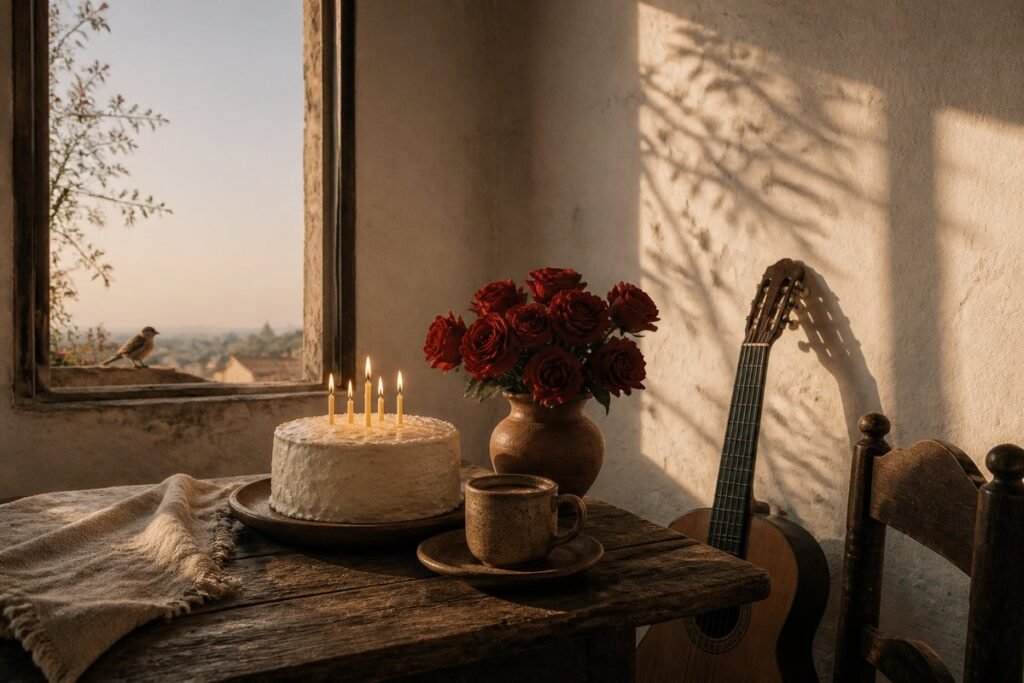
A Quinceanera. From First Light to Last Dance
Regional Variations Across Latin America
The quinceañera looks and feels different depending on where it is celebrated. Here is a snapshot of how the tradition varies by country and community.
Want to go deeper? Audaz Revista Issue 1 covers topics like this with original cultural features and language insights you will not find in a textbook. Explore Issue 1
| Country/Region | Local Name | Distinctive Feature |
|---|---|---|
| Mexico | Quinceañera | Strong Catholic Mass component; mariachi often featured |
| Cuba | Fiesta de Quince | Elaborate outdoor photo shoots became iconic; less religious focus |
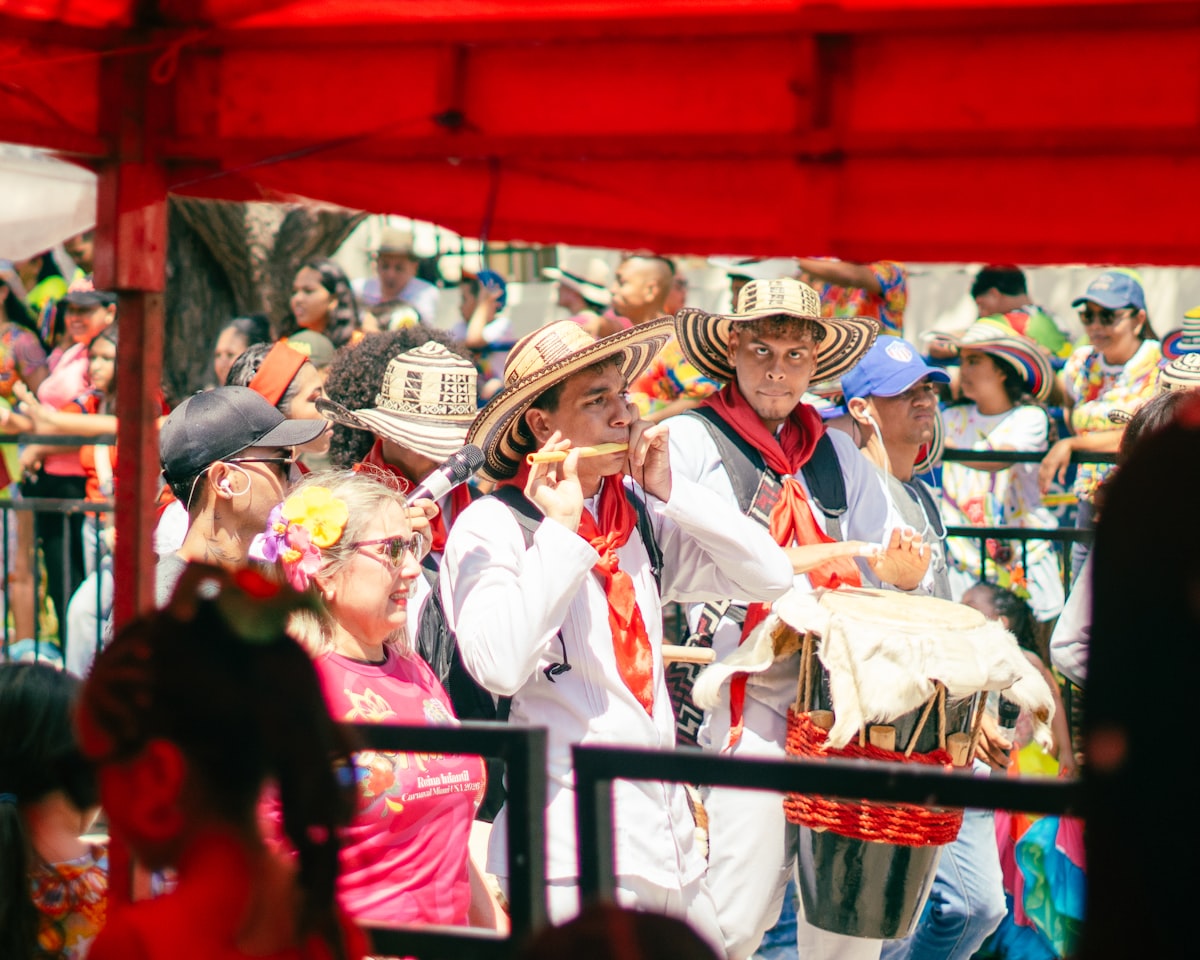
| Colombia | Quinceañera | Vallenato music often incorporated; family-centered celebrations |
| Puerto Rico | Quinceañera | Strong Afro-Caribbean music influences; bomba and plena at reception |
| US Latino communities | Quinceañera / Quinces | Blend of traditional and contemporary; surprise choreographed dances |
The quinceañera in Cuba deserves special mention. After the Cuban Revolution, large celebrations became impractical. Cuban families began celebrating with elaborate professional photo sessions instead, often in iconic Havana locations. These cinematic photo essays became an art form in their own right and are now widely admired.
For a deeper look at how traditions vary across the Spanish-speaking world, explore our guide to Mexican traditions and customs.
The Court of Honor. Chambelanes and Damas
Every quinceañera is accompanied by a formal court, and assembling this group is one of the most important planning tasks.
The damas are the young women of the court, typically friends or relatives close in age to the quinceañera. They wear matching gowns, often in a color chosen by the honoree, and participate in the waltz and other choreography. A traditional court has 14 damas, representing the 14 years before the 15th birthday. Today, smaller courts of 7 or even fewer damas are common.
The chambelanes are the male escort partners for each dama. They also dance in the waltz and typically lead the surprise choreographed dances. Selecting chambelanes who will commit to months of rehearsals is notoriously the most stressful part of quinceañera planning, as any experienced planner will tell you.
The padrinos and madrinas (godparents) play a vital financial and ceremonial role. Traditionally, different godparents sponsor different elements of the celebration. One family might sponsor the cake, another the dress, another the music. This system distributes the cost and deepens community participation in the milestone.
This tradition of community sponsorship connects beautifully to broader Hispanic cultural values around collective celebration and mutual support.
Modern Quinceañeras. How the Tradition Is Evolving
The quinceañera is not a museum piece. It is a living tradition, and younger generations are reshaping it in exciting ways.
One of the most significant changes is the rise of the viral surprise dance. Where previous generations might have performed a single formal waltz, today’s quinceañeras often choreograph elaborate dances to contemporary pop, reggaeton, or K-pop. These videos regularly rack up millions of views on TikTok and YouTube, introducing the tradition to global audiences who have never heard the word quinceañera before.
Another meaningful evolution is expanding who the celebration includes. Some families are now celebrating quinceañeros for their sons, and non-binary and transgender teens are reclaiming the tradition with gender-inclusive celebrations. This expansion honors the spirit of the quinceañera, a community celebrating a young person’s identity and potential, while making it more inclusive.
Some young women are also using their quinceañera as a platform for social impact. Instead of receiving gifts, they raise donations for causes they care about. Others use the celebration to honor female role models in their community. These changes reflect the values explored throughout our profile of women who have shaped Hispanic culture.
Pro Tip, If you are learning Spanish, attending a quinceañera is one of the best immersive cultural experiences available. You will hear formal toasts, emotional speeches, song lyrics, and rapid-fire family conversations all in one evening.
Essential Spanish Vocabulary for Quinceañeras
Understanding the vocabulary of the quinceañera enriches your appreciation of the event and builds real cultural fluency. Here are the key terms you need to know,
Audaz Revista
Take Your Spanish Further
Audaz Revista Issue 1 is out now, a full-length bilingual magazine for serious Spanish learners. Latin American culture, grammar deep-dives, and language insights written by educators.
| Spanish Term | English Meaning | Context |
|---|---|---|
| La quinceañera | The celebration / the girl herself | Used for both the event and the honoree |
| La corona | The tiara/crown | Placed on her head by her mother |
| El vals | The waltz | Opening dance at the reception |
| La última muñeca | The last doll | Symbolizes the end of childhood |
| El cambio de zapatos | Changing of the shoes | From flats to heels |
| Las damas | The ladies/female court | Friends and family in the court |
| Los chambelanes | The male escorts | Male court members; dance partners |
| Los padrinos | The godparents/sponsors | Sponsor different parts of the event |
| El brindis | The toast | Formal speech at the reception |
Building vocabulary like this is central to cultural fluency. For more on Hispanic celebrations and the language around them, see our overview of Spanish festivals across Latin America and our guide to Valentine’s Day traditions in Spanish-speaking countries.
Frequently Asked Questions
FAQ
What is a quinceañera?
A quinceañera is a Latin American and Latino coming-of-age celebration marking a girl’s 15th birthday. It combines a Catholic Mass with a festive reception, symbolizing the transition from childhood to womanhood. The word comes from “quince años”, fifteen years.
How much does a quinceañera cost?
In the United States, the average quinceañera costs between $5, 000 and $20, 000, though elaborate celebrations can exceed $50, 000. The padrino system helps distribute costs across the community, different godparents sponsor the dress, cake, venue, music, and other elements. In Latin America, costs vary widely by country and region.
What is the difference between a quinceañera and a sweet 16?
A quinceañera is celebrated at age 15 and has deep Catholic and Indigenous roots in Latin American culture. A sweet 16 is a North American tradition at age 16, typically without religious components. The quinceañera places greater emphasis on family, faith, and cultural identity. The sweet 16 tends to be more focused on the social celebration itself.
Do boys have a quinceañera equivalent?
Some families celebrate a quinceañero for boys at age 15, though it is far less common. More recently, some non-binary and transgender teens have reclaimed the tradition with gender-neutral or gender-affirming celebrations. The core meaning, a community honoring a young person’s transition into adulthood, remains the same.
Is a Catholic Mass required for a quinceañera?
Traditionally, yes. The Misa de Quinceañera is the spiritual foundation of the celebration. However, many non-Catholic and secular families now hold alternative ceremonies, a blessing, a family gathering, or a meaningful ritual of their own creation, while keeping the core symbolism of the milestone intact.
Final Thoughts
The quinceañera is one of Latin America’s most powerful cultural expressions. It is a celebration of womanhood, family, faith, and community. Whether you attend one as a guest, help plan one as a family member, or simply want to understand this tradition better as a Spanish learner, knowing the meaning behind each element transforms the experience.
This tradition sits at the heart of Hispanic identity. Alongside celebrations like Hispanic Heritage Month and the Day of the Dead, the quinceañera is a living testament to a culture that honors its past while embracing its future.
Want Weekly Spanish & Culture Insights?
Get our best lessons, cultural guides, and practice exercises every week.
Written by the Audaz Revista editorial team
Audaz Revista is the reading guide for Spanish learners. We tell you what you can read in Spanish at your level, and help you finish it.
Share
Topics

audazrevista
Get the Inside Scoop