From La Boqueria to Your Neighbourhood Mercado: Everything You Need to Navigate Spanish Markets
The smell of jamon (hah-MOHN) hanging from the ceiling. Towers of glossy olives in every shade of green. A vendor shouting “venga, prueba, prueba!” (VEHN-gah, proo-EH-bah) meaning “come on, try it, try it!” This is the Spanish market experience. And it’s one of the best things about being in Spain.
Here’s the real talk. Spanish markets aren’t tourist attractions with price tags aimed at your wallet. The real ones, the mercados (mehr-KAH-dohs) where locals actually shop, are living, breathing community hubs where food, culture, and daily life collide. And navigating them like a local requires knowing a few things your guidebook definitely didn’t cover.
Your Spanish is about to level up. Let’s walk through everything you need to know about Spanish markets and shopping in Spain, from the famous to the hidden, including the vocabulary that’ll turn you from confused tourist to confident shopper.
Spain’s Most Iconic Markets (And Why They Matter)
La Boqueria, Barcelona
La Boqueria (lah boh-keh-REE-ah), officially called Mercat de Sant Josep de la Boqueria, is arguably the most famous market in Europe. Located right on Las Ramblas, it’s been operating since the 13th century, making it over 700 years old.
What you’ll find: fresh seafood stalls overflowing with gambas (GAHM-bahs, prawns), pulpo (POOL-poh, octopus), and fish you’ve never seen before. Fruit stalls with smoothie cups. Nuts, spices, jamon iberico (hah-MOHN ee-BEH-ree-koh) sliced paper-thin. Catalan specialties like butifarra (boo-tee-FAH-rah), a traditional sausage.
Pro tip: Visit before 10 AM on weekdays. After that, tourist crowds make it almost impossible to actually shop. The vendors at the back of the market, furthest from Las Ramblas, are where the locals go. That’s where the real deals and the freshest produce live.
Mercado de San Miguel, Madrid
Mercado de San Miguel sits in a gorgeous iron-and-glass structure near Plaza Mayor. It’s been transformed into a gourmet market where you can eat tapas (TAH-pahs), drink wine, and sample specialties from across Spain under one roof.
What makes it special: it’s one of the few markets where you can eat everything on-site. Oysters with cava (KAH-vah, Spanish sparkling wine). Croquetas (kroh-KEH-tahs) in a dozen flavours. Artisan cheeses paired with local wines.
If you want the full Madrid food experience, combine a San Miguel visit with our guide to surviving a Spanish tapas crawl. The market is the perfect warm-up before an evening of bar-hopping.
Mercado Central, Valencia
Valencia’s Mercado Central is a Modernist masterpiece built in 1928, with stained glass windows, ornate ironwork, and over 1,000 stalls. It’s the largest fresh food market in Europe.
This is where you come for the freshest ingredients for paella (pie-AY-uh): bomba rice, azafran (ah-thah-FRAHN, saffron), fresh judias verdes (hoo-DEE-ahs VEHR-dehs, green beans), and garrofon (gah-rroh-FOHN), the large white beans unique to Valencian paella.
According to Spain’s Ministry of Agriculture, Fisheries, and Food, Spain has over 1,000 mercados municipales (municipal markets), making it one of the highest per-capita concentrations of public food markets in Europe. These markets handle an estimated 10% of all fresh food retail in the country.
Beyond the Famous Ones: Finding Local Mercados
This is where the magic happens. The famous markets are wonderful, but the real Spanish market experience is at your neighbourhood mercado municipal (mehr-KAH-doh moo-nee-thee-PAHL). Every Spanish city and most towns have one.
How to find them:
- Ask any local: “Donde esta el mercado?” (DOHN-deh es-TAH el mehr-KAH-doh), meaning “Where’s the market?”
- Look for the word “MERCADO” on a building facade, usually in the town centre
- Follow the delivery trucks early in the morning
- Search Google Maps for “mercado municipal” in whatever town you’re in
These neighbourhood markets are where prices are fair, quality is exceptional, and the vendors know their regulars by name. Some hidden gems:
- Mercado de la Ribera, Bilbao: Europe’s largest covered market, right on the river
- Mercado de Atarazanas, Malaga: Gorgeous stained glass, incredible seafood
- Mercado de Triana, Seville: Across the bridge from the tourist centre, beloved by locals
- Mercat de Santa Caterina, Barcelona: La Boqueria’s less crowded, equally delicious neighbour
Essential Shopping Vocabulary for Spanish Markets
Forget what your textbook told you about shopping phrases. Here’s what you actually need at a Spanish market:
Starting the Conversation
- “Hola, buenos dias!” (OH-lah, BWEH-nohs DEE-ahs): “Hello, good morning!” Always greet the vendor first. Always.
- “Me pone…” (meh POH-neh): “Can I have…” This is the phrase locals use, not “quiero” (I want), which sounds blunt
- “Que me recomienda?” (keh meh reh-koh-mee-EN-dah): “What do you recommend?” Vendors love this question
Quantities and Measurements
- “Un cuarto de kilo” (oon KWAHR-toh deh KEE-loh): a quarter kilo (250 grams), the most common quantity for cheese, ham, and olives
- “Medio kilo” (MEH-dee-oh KEE-loh): half a kilo
- “Un kilo” (oon KEE-loh): one kilo
- “Una docena” (OO-nah doh-THEH-nah): a dozen (for eggs, mostly)
- “Un manojo” (oon mah-NOH-hoh): a bunch (for herbs and greens)
Asking About Products
- “Esta maduro?” (es-TAH mah-DOO-roh): “Is it ripe?” Essential for fruit
- “Es de aqui?” (es deh ah-KEE): “Is it local?” Vendors take pride in local produce
- “Para hoy o para manana?” (PAH-rah oy oh PAH-rah mah-NYAH-nah): “For today or tomorrow?” Fruit vendors ask this to pick the right ripeness
- “Puedo probar?” (PWEH-doh proh-BAR): “Can I try?” Absolutely acceptable for cheese, ham, and olives
Finishing Up
- “Algo mas?” (AHL-goh mahs): “Anything else?” The vendor will ask you this
- “Nada mas, gracias” (NAH-dah mahs, GRAH-thee-ahs): “Nothing else, thanks”
- “Cuanto es?” (KWAHN-toh es): “How much is it?”
For more food-related vocabulary, our guide to 15 food terms that make your Spanish sound native is the perfect companion piece.
Market Etiquette: The Unspoken Rules
Every Spanish market runs on a set of unspoken rules. Break them and you’ll be marked as a tourist instantly. Follow them and vendors will treat you like family.
Rule 1: Wait Your Turn
Spanish markets don’t have visible queues. Instead, when you approach a stall, ask “Quien es el ultimo?” (kee-EN es el OOL-tee-moh), meaning “Who’s last?” The last person in the invisible queue will identify themselves, and you know you’re after them. This system works perfectly once you understand it.
Rule 2: Don’t Touch the Produce
Unless there’s a clear “self-service” sign, never handle the fruit, vegetables, or any product yourself. The vendor selects it for you. Point and ask. If you want specific ones, say “Esos de ahi” (EH-sohs deh ah-EE), meaning “Those ones there.”
Rule 3: Greet and Farewell
Always say buenos dias when approaching and gracias, hasta luego (GRAH-thee-ahs, AHS-tah loo-EH-goh) when leaving. This isn’t optional. Understanding these everyday Spanish habits will serve you well beyond the market.
Rule 4: Cash Is Still King
While card payments are increasingly accepted, many market vendors, especially in smaller markets, prefer cash. Carry small bills and coins. Handing over a fifty-euro note for a two-euro purchase will not make you popular.
Rule 5: Timing Matters
Most Spanish markets operate Monday to Saturday, roughly 8 AM to 2 PM. Some reopen in the evening (5 PM to 8 PM), but not all. Saturday morning is the busiest, best time. Many markets close on Sundays and public holidays.
What to Buy at Spanish Markets (Season by Season)
One of the joys of Spanish markets is the fierce commitment to seasonality. Here’s what to look for throughout the year:
Spring (March to May)
- Fresas (FREH-sahs): strawberries, especially from Huelva, considered the best in Europe
- Habas (AH-bahs): fresh broad beans, eaten raw with a little salt and jamon
- Alcachofas (al-kah-CHOH-fahs): artichokes, grilled or in tortilla
- Espárragos trigueros (es-PAH-rah-gohs tree-GEH-rohs): wild asparagus
Summer (June to August)
- Tomates (toh-MAH-tehs): Spanish tomatoes at their peak, especially tomate raf from Almeria
- Melocotones (meh-loh-koh-TOH-nehs): peaches, incredibly sweet and fragrant
- Pimientos de padron (pee-mee-EN-tohs deh pah-DROHN): small green peppers, most mild, some fiery hot
- Sandia (sahn-DEE-ah): watermelon, a summer essential
Autumn (September to November)
- Setas (SEH-tahs): wild mushrooms, a true delicacy
- Castanas (kahs-TAH-nyahs): chestnuts, roasted on street corners
- Granadas (grah-NAH-dahs): pomegranates, the fruit that gave Granada its name
- Membrillo (mem-BREE-yoh): quince paste, paired with manchego (mahn-CHEH-goh) cheese
Winter (December to February)
- Naranjas (nah-RAHN-hahs): oranges from Valencia, the best in the world
- Caqui (KAH-kee): persimmon, sweet and custard-like
- Calçots (kahl-SOHTS): Catalan spring onions, grilled and eaten at calçotadas (late winter festivals)
Bargaining: Is It a Thing in Spain?
Short answer: not really. Unlike markets in many other countries, Spanish market prices are generally fixed. However, there are soft exceptions:
- Buying in bulk: If you’re purchasing large quantities, asking “Me hace precio?” (meh AH-theh PREH-thee-oh), meaning “Can you do me a deal?” is acceptable
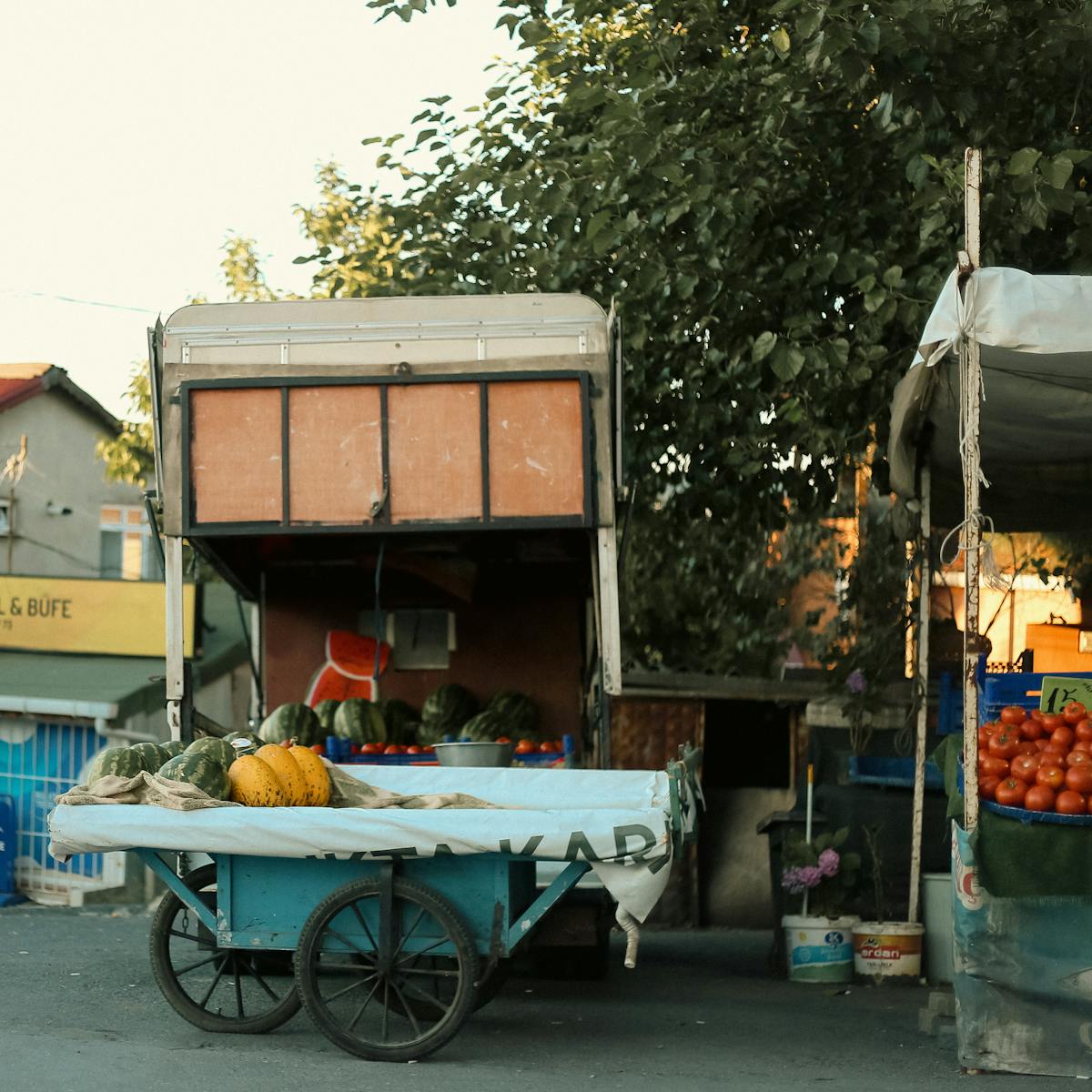
- End of day: Around closing time (1:30-2:00 PM), vendors sometimes reduce prices on perishable items. You might hear “Lleve, lleve, todo a un euro!” (YEH-veh, YEH-veh, TOH-doh ah oon EH-oo-roh), meaning “Take it, take it, everything for one euro!”
- Flea markets and antique markets: Rastros (RAHS-trohs) and mercadillos (mehr-kah-DEE-yohs) are where bargaining is expected. Madrid’s El Rastro on Sunday mornings is the most famous
For a deeper dive into the art of negotiation at Spanish markets, our guide on ordering coffee in Spanish like a local shows how mastering casual transactions builds your confidence for any shopping situation.
The Market as Cultural Experience
Here’s what most visitors miss about Spanish markets and shopping in Spain. The market isn’t just a place to buy food. It’s a social institution. Spaniards go to the market to:
- Catch up with neighbours they haven’t seen all week
- Get cooking advice from vendors who’ve been working with these ingredients for decades
- Start the day socially before heading home to cook lunch
- Maintain traditions that supermarkets can’t replicate
According to the Confederacion Espanola de Comercio (CEC), Spain’s trade confederation, traditional markets have seen a 15% increase in visitor numbers since 2020, driven by renewed interest in local food sourcing, sustainability, and the social experience that supermarkets lack.
When you shop at a Spanish market, you’re participating in a centuries-old tradition. You’re supporting local producers. And you’re experiencing a side of Spanish daily life that reveals more about the culture than any museum visit.
Pack your reusable bag. Learn the phrases. Get there early. The mercado is waiting for you.
Now you’re ready to explore. Go use these phrases and have an incredible experience.
Share
You may also like


Get the Inside Scoop