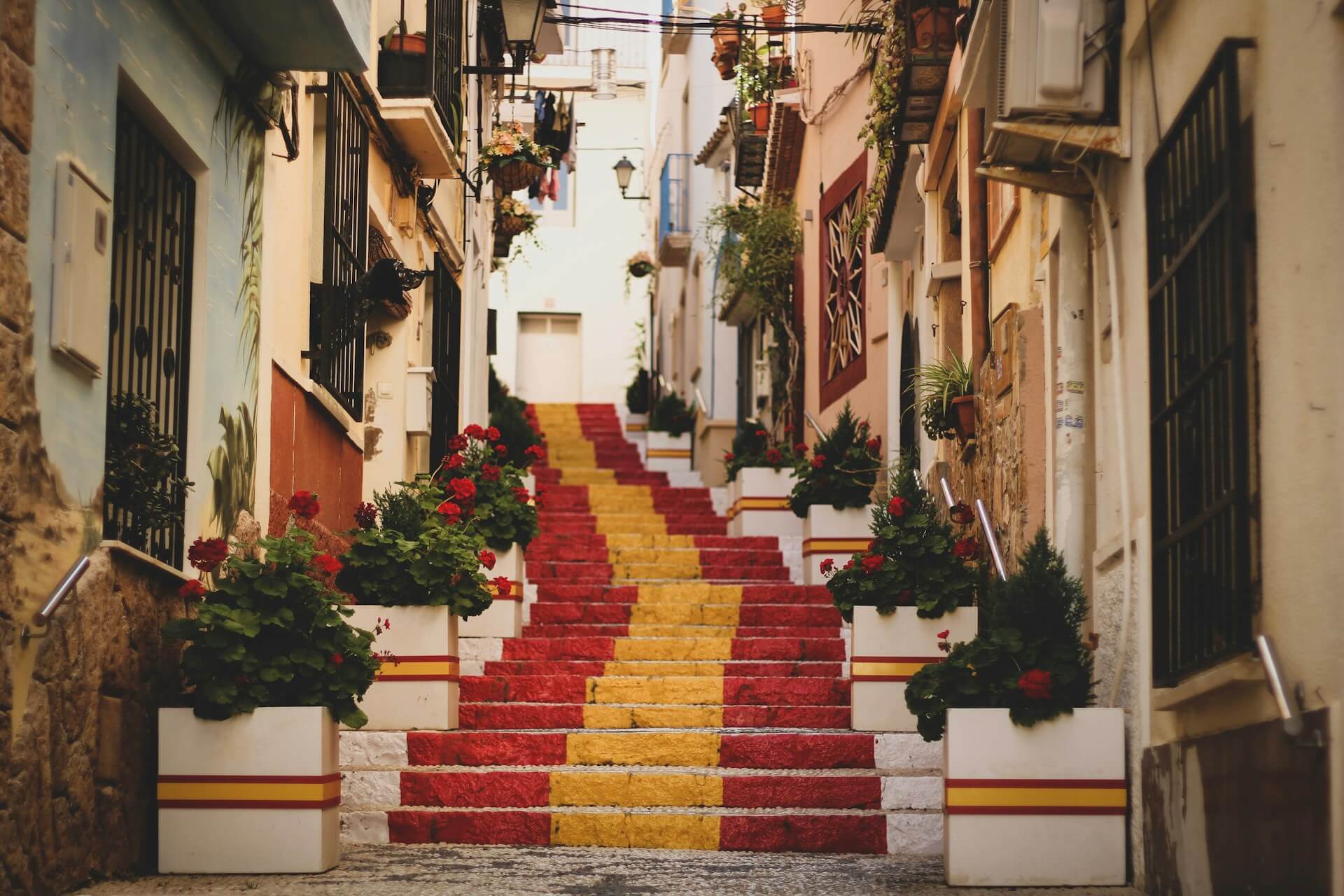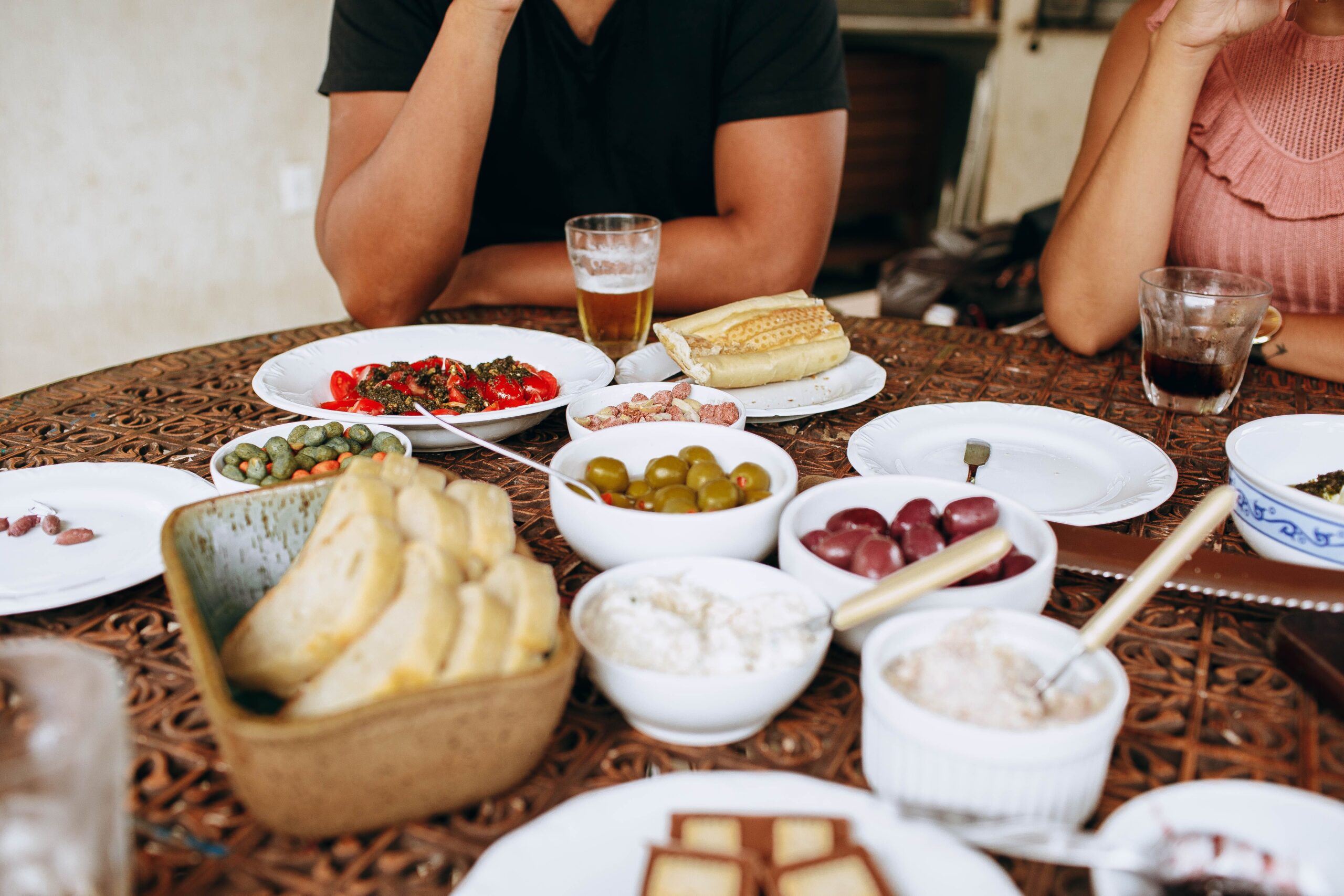
La hora del vermut (la OH-rah del ber-MOOT, “the vermouth hour”) is a beloved Spanish social ritual where people gather at neighbourhood bars between roughly noon and 2 p.m., usually on weekends, to sip sweet red vermouth over ice, share small plates of olives and tapas, and talk before the big afternoon lunch. It matters because it is one of the clearest expressions of how Spaniards value conversation, slowness, and connection over hustle, and it reveals a side of the culture your textbook never taught you.
What is the Spanish vermouth hour?
It is Sunday in Madrid. The church bells have faded, the sun is climbing, and across the city people drift toward neighbourhood bars, pull chairs onto the terrace, and order one thing: vermut (ber-MOOT, vermouth). This is la hora del vermut, and it is far more than a drink.
The ritual is a protected window of time, usually between noon and 2 p.m., where friends and family gather to share drinks, nibble on tapas, and catch up before lunch. Think of it as the warm-up act to one of the world’s greatest meals. It centres on vermut rojo (ber-MOOT ROH-ho, sweet aromatic red vermouth) served over ice, but the glass is almost beside the point. The point is slowing down. The point is the conversation. The point is spending an hour or two doing nothing productive and feeling wonderful about it. In a world that glorifies the grind, Spaniards have guarded this pocket of slowness for over a century, and they are clearly onto something.
Where did la hora del vermut come from?
Here is something most people do not know: the vermouth hour was not always a midday affair. Before the Spanish Civil War, vermouth was largely an evening drink. As working hours and mealtimes shifted later into the day through the mid-20th century, urban families found a gap in their Sundays. They would finish Mass, and lunch was still a couple of hours away. So they went to the bar.
Barcelona played an outsized role. In the late 19th century the city had one of Spain’s largest Italian immigrant communities, arriving just as Italian vermouth was being widely exported. Catalan families adopted the habit of gathering after church, ordering a glass of vermut, and letting the children run around the plaza while the adults talked. By the middle of the century it was a nationwide tradition.
Then came the dip. By the 1980s, younger Spaniards dismissed vermouth as a drink for abuelos (ah-BWAY-lohs, grandparents). It was what your grandfather ordered while you drank cañas (KAH-nyahs, small draft beers). But the plot twisted again in the 2010s, when young tastemakers in Madrid and Barcelona brought it roaring back. Suddenly every barrio (neighbourhood) had a vermutería (ber-moo-teh-REE-ah, vermouth bar), and la hora del vermut was cool again. Today it is woven into weekend life across the country.
Why do Spaniards love vermouth hour?
Here is what most visitors miss entirely: la hora del vermut is not really about alcohol. It is about a fundamentally different relationship with time. In Spain, socialising is not something you squeeze between errands. It is the point.
The tradition sits inside a wider web of habits that all protect unhurried human connection. The sobremesa (soh-breh-MEH-sah, the time spent lingering at the table after eating) is sacred. The siesta protected the afternoon. And the vermouth hour protects the gentle transition from morning to lunch. So when Spaniards take an hour on a Sunday to sit in the sun, sip vermouth, eat olives, and talk about nothing important, they are not wasting time. They are investing in connection that many modern cultures have forgotten how to make space for. That is the real reason the ritual endures, and the real reason it feels so good to join. If you are curious about the rhythms behind it, our guide to Spanish lifestyle habits that can transform your routine explores exactly this mindset.
What do you say and order during vermouth hour?
Part of the joy is the language that comes with it. The vermouth hour has its own small vocabulary, and using it well is the fastest way to feel like you belong rather than observe from the outside.
What do you say to invite someone for vermut?
- “¿Quedamos para el vermut?” (keh-DAH-mohs PAH-rah el ber-MOOT) means “Shall we meet for vermouth?” This is the warm, casual way to invite a friend.
- “Vamos a hacer el vermut” (BAH-mohs ah ah-THEHR el ber-MOOT) means “Let’s go do the vermouth.” Notice that vermouth is treated as an activity, not just a drink. In Catalonia they even made it a verb: “fer un vermut” (FEHR oon ber-MOOT), “to do a vermouth.”
What do you order at the bar?
- “Ponme un vermut, por favor” (PON-meh oon ber-MOOT, por fah-BOR) means “Get me a vermouth, please.” Ponme literally means “put for me.” Direct, casual, very Spanish.
- “¿Tienen vermut de grifo?” (tee-EH-nen ber-MOOT deh GREE-foh) means “Do you have vermouth on tap?” The best bars serve it from the barrel, and this question signals you know what you are doing.
- “Con hielo y una aceituna” (kon ee-EH-loh ee OO-nah ah-say-TOO-nah) means “With ice and an olive,” the traditional garnish.
As for what lands in the glass, vermut rojo (sweet, red, aromatic) is what most Spaniards order, while vermut blanco (ber-MOOT BLAHN-koh, white, lighter and drier) is rising in popularity. A marianito (mah-ree-ah-NEE-toh) is a smaller, sophisticated version laced with a splash of gin and bitters. The classic serve is over ice with a splash of sifón (see-FOHN, soda water), an orange slice, and a fat green olive.
What do Spaniards eat with vermut?
Vermouth craves salt and umami, so the tapas are never random. The classics are aceitunas (ah-say-TOO-nahs, olives, the undisputed champion), boquerones en vinagre (white anchovies in vinegar and garlic), patatas bravas (fried potatoes with spicy tomato sauce), wedges of queso Manchego (aged sheep’s milk cheese), and conservas (kohn-SEHR-bahs, tinned seafood that Spain treats as a delicacy, not convenience food). To ask what is on offer, try “¿Qué tenéis para picar?” (keh teh-NAY-ees PAH-rah pee-KAR, “What do you have to snack on?”). The verb picar (to nibble) is exactly the kind of food vocabulary that makes your Spanish sound native.
Where is the best place to experience la hora del vermut?
If you want to feel the tradition at full volume, a few cities do it best. In Madrid, the Barrio de La Latina overflows on Sundays, while Malasaña and Lavapiés bring a younger, more alternative energy. Barcelona is the heart of the modern revival, with traditional vermuterías clustered in Poble Sec and El Born. And Reus, a small Catalan city in Tarragona, is considered the cradle of Spanish vermouth production, the pilgrimage worth making if you take your vermut education seriously.
Knowing the unspoken rules helps too. The vermouth hour rewards lingering, not rushing, and reading our guide to Spanish social etiquette in Spain will help you join in like a local rather than watch like a tourist.
How do you actually take part without feeling lost?
Understanding why the tradition matters is one thing. Sitting down at a packed terrace and handling the whole ritual with confidence is another. The culture is the soul of la hora del vermut, but there is also a practical choreography to it: timing, pacing, how many rounds, and how not to look like you wandered in by accident. For that step-by-step playbook, read our companion piece, how to survive a Spanish vermouth hour, a beginner’s guide that walks you through it move by move. Read this post for the why, then read that one for the how.
At Audaz Revista, we love these small rituals because they teach more about Spain than any grammar drill ever could. La hora del vermut shows you, in one relaxed hour, how Spaniards choose connection over efficiency and conversation over productivity. Next time someone asks what you know about Spanish daily life, skip the siesta cliché and tell them about the vermouth hour. You will sound like someone who genuinely gets Spain.
Your move: this weekend, text a friend “¿Quedamos para el vermut?”, pour a sweet red vermouth over ice with an olive, put your phone away, and let the hour stretch. That is the whole tradition, and now you understand exactly why it matters.
Frequently Asked Questions
What time is la hora del vermut?
La hora del vermut traditionally happens between roughly noon and 2 p.m., most often on weekends and especially Sundays, in the gap between morning activities and the late Spanish lunch. It is a midday ritual, not an evening one, which surprises many visitors who think of vermouth as an after-work drink.
What does vermut taste like?
Spanish vermut rojo is a sweet, aromatic red vermouth, herbal and slightly bitter, served cold over ice with an orange slice and a green olive. It is smoother and more sippable than many people expect, which is exactly why it pairs so well with salty olives and tapas during the vermouth hour.
Is the vermouth hour only about drinking?
No. The drink is really an excuse for the gathering. La hora del vermut is fundamentally a social ritual built around slowing down, sharing small plates, and lingering in conversation. Many Spaniards nurse a single glass for an hour, because the value is in the company and the unhurried time, not the alcohol.
Can I recreate la hora del vermut at home?
Absolutely. Pour a quality sweet red vermouth over ice with a splash of soda water, an orange slice, and a green olive, set out olives, cured cheese, good bread, and maybe some tinned seafood, choose a midday slot, invite a friend or two, and put your phones away. The ritual needs company and a relaxed pace far more than it needs any special equipment.
How does this differ from spanish university life in Spain?
The vermouth hour is a family-and-friends weekend tradition open to all ages, whereas the social rhythms of Spanish university life in Spain tend to revolve more around evening outings and student haunts. What they share is the same underlying value: in Spain, time spent talking together is treated as essential, not as a luxury to be earned after the real work is done.
Share

audazrevista
You may also like


Get the Inside Scoop