In This Article
Forget what your textbook told you about Spanish culture. The real magic happens between noon and 2 p.m. on a lazy Sunday. That’s when Spaniards gather for one of the most underrated rituals in Europe, the Spanish vermouth hour.
It’s called la hora del vermut (la OH-rah del ver-MOOT, the vermouth hour). And honestly? It might be the most genius social invention you’ve never heard of.
No reservations. No dress code. Just good company, a glass of vermut on tap, and a bowl of olives. This is how native speakers actually talk about happiness.
What Is La Hora del Vermut?
The Spanish vermouth hour is a pre-lunch ritual. It happens on weekends, usually between 12 p.m. and 2 p.m. Think of it as Spain’s version of brunch, but way more relaxed.
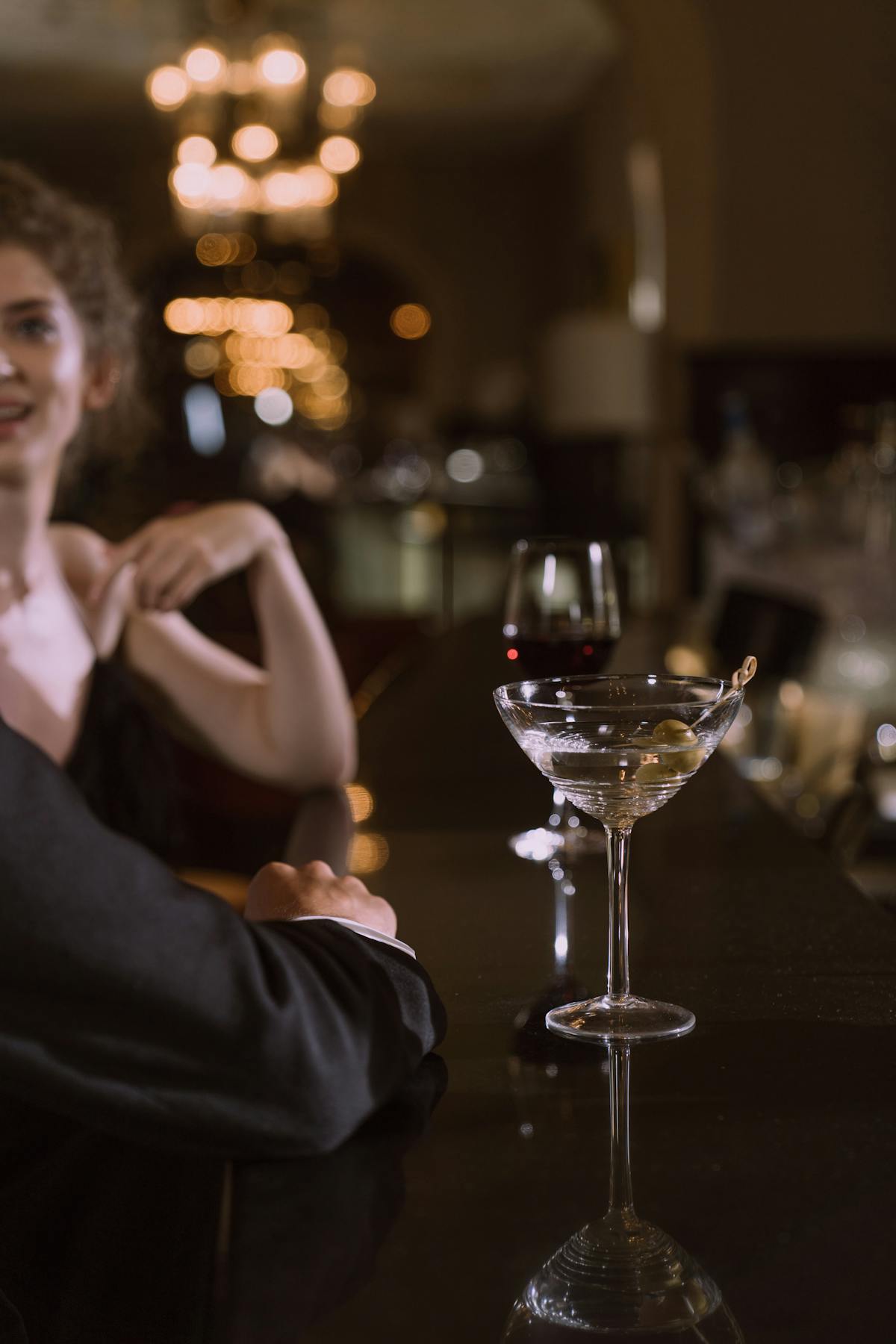
Here’s how it works. You meet friends at a local bar. You order vermut (ver-MOOT, a fortified, herb-infused wine) on tap. The bartender serves it over ice with a slice of orange or a green olive. Simple.
Then you talk. You snack. You watch the world go by. There’s no rush to order food. No pressure to move to the next spot. The Spanish vermouth hour is about slowing down before the big Sunday almuerzo (al-MWER-so, lunch).
According to the Spanish newspaper El Pais, over 60% of Spaniards under 35 now participate in la hora del vermut spain rituals regularly, a massive jump from a decade ago.
A Brief History of Vermouth in Spain
Vermouth arrived in Spain in the early 1800s. Italian immigrants brought the recipe to Barcelona, and the Catalans fell in love. By the 1870s, Barcelona had dozens of vermuterias (ver-moo-teh-REE-as, vermouth bars).
The drink became a cultural staple. Families gathered every Sunday for their vermut before lunch. According to food historian Colman Andrews in his book Catalan Cuisine, vermouth was considered as essential to Sunday life as going to church.
Then came the decline. In the 1980s and 1990s, younger Spaniards traded vermouth for imported cocktails and craft beer. La hora del vermut spain almost disappeared.
But here’s the beautiful part. Starting around 2010, a new generation of Spaniards rediscovered their grandparents’ favourite ritual. Today, the Spanish vermouth hour is booming again. Small-batch vermut producers are popping up across the country, and old-school vermuterias are packed every weekend.
7 Reasons the Spanish Vermouth Hour Is Genius
1. It Forces You to Slow Down
In a world obsessed with productivity, the Spanish vermouth hour is a radical act of rest. No one checks their phone. No one talks about work. You just exist with people you care about.
This is where the magic happens. Spain understands something the rest of the world doesn’t, rest is productive.
2. It’s Incredibly Affordable
A glass of vermut de grifo (ver-MOOT deh GREE-foh, vermouth on tap) costs between 1.50 and 3 euros in most bars. Add a free tapa (TAH-pah, small snack) that often comes with your drink, and you’ve got the cheapest social outing in Europe.
Compare that to a London cocktail at 15 pounds. Your Spanish is about to level up, and so is your wallet.
3. It Builds Real Community
The vermouth hour is hyper-local. You go to your neighbourhood bar. You see the same faces every Sunday. The bartender knows your name. Your neighbours become your friends.
In an age of loneliness and digital isolation, Spain’s vermouth hour is a built-in antidote. According to a 2023 study by the Universidad Complutense de Madrid, Spaniards who regularly participate in social aperitivo (ah-peh-ree-TEE-voh, pre-meal drink) rituals report 30% higher life satisfaction scores.
4. The Food Is Effortlessly Perfect
Nobody’s fussing over a brunch menu. The snacks are simple and timeless,
- Aceitunas (ah-say-too-EE-nas, olives), usually marinated with herbs
- Patatas fritas (pah-TAH-tas FREE-tas, potato chips), sometimes with a spicy sauce
- Boquerones en vinagre (boh-keh-ROH-nes en vee-NAH-greh, anchovies in vinegar)
- Conservas (con-SER-vas, tinned seafood), the fancy kind from Galicia
- Banderillas (ban-deh-REE-yas, pickled vegetable skewers)
That’s it. No avocado toast. No eggs benedict. Just honest, Spanish food that’s been perfected over centuries.
5. It Sets the Perfect Pace for Sunday
Spaniards have Sundays figured out. The rhythm goes like this, wake up late, head out for la hora del vermut, walk to a long lunch, enjoy sobremesa (so-breh-MEH-sah, the leisurely after-meal conversation), take a siesta, then maybe go for an evening stroll.
The vermouth hour is the spark that ignites this entire chain of relaxation. It’s the opening act. Pack your bags and try this schedule once. You’ll never go back.
6. Young Spaniards Are Making It Cool Again
Here’s the real talk. The Spanish vermouth hour revival is led by millennials and Gen Z. They’re not doing it out of nostalgia. They’re doing it because it genuinely works as a social ritual.
New-wave vermuterias in Madrid and Barcelona serve artisanal vermut alongside natural wines. DJs spin vinyl in the background. The aesthetic is retro-cool, but the spirit is the same as it was 150 years ago.
7. It Teaches You a Different Way to Live
The Spanish vermouth hour isn’t just a drink. It’s a philosophy. It says, relationships come first. Rest is sacred. Joy doesn’t need to be expensive or complicated.
Try explaining that to your Monday morning meeting. But seriously, experiencing la hora del vermut spain even once changes how you think about leisure time.
1. What time does the Spanish vermouth hour typically happen?
a) 6-8 p.m. b) 12-2 p.m. c) 9-11 a.m.
2. What does “vermut de grifo” mean?
a) Vermouth with lemon b) Vermouth on tap c) Red vermouth
3. Which city is considered the birthplace of Spanish vermouth culture?
a) Madrid b) Seville c) Barcelona
Answers, 1-b, 2-b, 3-c
Regional Vermouth Styles. Madrid vs Barcelona vs Andalusia
Not all vermut is created equal. Each region puts its own spin on la hora del vermut spain.
| Region | Vermouth Style | Typical Snacks | Vibe |
|---|---|---|---|
| Barcelona | Red vermut on tap, served with ice and orange slice | Olives, chips, anchovies | Historic, neighbourhood-focused, traditional |
| Madrid | Red or white vermut, often with a soda splash (sifon) | Patatas bravas, croquetas, tortilla | Trendy, buzzing, modern revival scene |
| Andalusia | Lighter, chilled vermut, sometimes white | Fried fish, shrimp, jamón | Outdoor terraces, sunny, laid-back |
| Basque Country | Vermut paired with txakoli wine | Pintxos (small bites on bread) | Gastronomic, refined, foodie heaven |
In Barcelona, the tradition never fully died. The old barrios like Gracia and El Born have vermuterias that have been open for over a century. Locals line up at bodegas (boh-DEH-gas, wine cellars) like Casa Mariol and El Maravillas.
In Madrid, the revival is explosive. Neighbourhoods like Malasaña and La Latina are packed with new vermut spots. Many serve their own house-made blends alongside traditional Spanish snacks.
In Andalusia, the vermouth hour blends with the region’s outdoor culture. You’ll find people enjoying vermut at chiringuitos (chee-reen-GEE-tohs, beachside bars) along the coast, with the Mediterranean as their backdrop.
Your Essential Vermouth Vocabulary
Ready to order like a local? Here are the words you need,
- Vermut (ver-MOOT). Vermouth, the star of the show
- Aperitivo (ah-peh-ree-TEE-voh). Pre-meal drink or snack
- Tapa (TAH-pah). Small snack served with drinks
- Chiringuito (chee-reen-GEE-toh). Beachside bar or casual outdoor eatery
- Vermut de grifo (ver-MOOT deh GREE-foh). Vermouth on tap
- Bodega (boh-DEH-gah). Wine cellar or traditional bar
- Vermuteria (ver-moo-teh-REE-ah). A bar specialising in vermouth
- Ponme un vermut (PON-meh oon ver-MOOT), “Pour me a vermouth” (the phrase you need)
Try this phrase today. You’ve got this.
Where to Find the Best Vermut Spots
If you’re planning a trip, here are some legendary spots to experience the Spanish vermouth hour yourself,
- Casa Mariol (Barcelona). A century-old bodega where they still serve vermut from the barrel
- La Hora del Vermut (Madrid). Yes, there’s a bar literally named after the ritual. It’s in the Malasaña neighbourhood
- Morro Fi (Barcelona). A modern vermuteria in the Sant Antoni market, popular with young locals
- Bodega de la Ardosa (Madrid). A classic Madrid tavern with vermut on tap since 1892
- La Pepita (Barcelona). A tiny, packed spot in Gracia known for creative tapas alongside traditional vermut
Conclusion
The Spanish vermouth hour is more than a drink. It’s a reminder that the best things in life are simple, good friends, great flavours, and nowhere to be.
While the rest of the world rushes through weekends, Spain pauses. La hora del vermut spain is proof that slowing down isn’t lazy. It’s genius.
So next time you’re in Spain on a Sunday, skip the tourist restaurant. Find a neighbourhood bodega. Order a vermut de grifo. Let the afternoon unfold.
Now you understand this culture better. Use this knowledge to connect authentically. Your Spanish is about to level up.
Share

audazrevista
You may also like
Get the Inside Scoop