Updated November 6, 2026 · Reviewed by the Audaz editorial team
What does Feliz Navidad mean? Feliz Navidad means Merry Christmas. Feliz is happy, and Navidad is Christmas. Navidad is a short form of natividad, the nativity or birth. So the phrase wishes you a happy feast of the birth. You say it fe-LEES na-vee-DAHD, and the last d is very soft.
- The Spanish word for Christmas was first written down in the early 1200s, as nadvidad.
- In a card, only Navidad takes a capital letter. Mid-sentence, feliz stays small.
- Some festive-sounding phrases are traps: santas pascuas means that’s that.
Most learners know Feliz Navidad long before their first lesson, often from a song. The phrase is short, but each word has a long story. Below we take it apart, then give you 15 more ways to wish someone well this season. We also show you what to write in a card, and where a capital letter goes.
In this guide (9)
- What does each word in Feliz Navidad mean?
- What are 15 other ways to say Merry Christmas in Spanish?
- Why do some people say Felices Pascuas at Christmas?
- Which Christmas phrases are traps for learners?
- Where do capital letters go in Feliz Navidad?
- What should you write in a Spanish Christmas card?
- Who wrote the song Feliz Navidad?
- How is Christmas wished in different countries?
- Questions
What does each word in Feliz Navidad mean?
Feliz means happy, and it comes from the Latin felix. You’ll find the same word in Catalan, feliç. In the plural it becomes felices. That’s why you see felices fiestas, with a c in place of the z.
Navidad means Christmas, and it’s a shortened form of natividad, from the Latin nativitas, which means birth. Manuel Casado Velarde, a professor of Spanish at the University of Navarra, traces its history. He writes that the word is first recorded in the early 13th century, spelled nadvidad.
So when you say Feliz Navidad, you’re wishing someone a happy feast of the birth. In Spanish it reads the same way as it sounds. The final d is soft, almost a breath, and many speakers drop it.
| Word | Meaning | Where it comes from |
|---|---|---|
| feliz | happy | From the Latin felix. The plural is felices, with a c. |
| Navidad | Christmas | Short for natividad, from the Latin nativitas, birth. |
| Nochebuena | Christmas Eve | Noche plus buena, the good night. |
| pascua | Easter, and also Christmas | From Hebrew pésaj, passage, through Greek and Latin. |
| felicitar | to wish someone well | From the Latin felicitare, to make happy. |
| próspero | prosperous | From the Latin prosperus. |
| aguinaldo | a Christmas tip or gift | Probably from the Latin hoc in anno, in this year. |
The Christmas tree is newer than you’d think. According to Casado Velarde, árbol de Navidad, Christmas tree, only entered the Spanish Academy’s standard dictionary in 1956, because the custom came late from northern Europe.
What are 15 other ways to say Merry Christmas in Spanish?
Feliz Navidad works everywhere, but it isn’t the only wish you’ll hear. Some lines below are greetings, and others are sayings built on the same old words. The last 4 come from the other languages spoken in Spain, so you’ll see them on cards and shop windows there.
| No. | Spanish | Meaning | When you’d use it |
|---|---|---|---|
| 1 | Felices fiestas | Happy holidays | A wish for the whole holiday season, safe with anyone. |
| 2 | Felices Pascuas | Merry Christmas (older) | An older greeting, heard less today. Still the traditional one in Chile. |
| 3 | Feliz Nochebuena | Happy Christmas Eve | For 24 December, the night before Christmas. |
| 4 | Felices Navidades | Merry Christmas (plural) | The same wish, stretched over the whole Christmas period. |
| 5 | Feliz Navidad y próspero año nuevo | Merry Christmas and a prosperous new year | The classic line for a card. |
| 6 | Próspero año nuevo | A prosperous new year | The second half of the card line, used on its own. |
| 7 | Te deseo una feliz Navidad | I wish you a merry Christmas | Warmer than the bare phrase, for one person. |
| 8 | Le deseamos una feliz Navidad | We wish you a merry Christmas (formal) | For a client, a teacher or a neighbour you call usted. |
| 9 | Dar las Pascuas | To wish someone a merry Christmas | A verb phrase: Vine a darte las Pascuas, I came to give you my Christmas wishes. |
| 10 | Estar como unas pascuas | To be as happy as can be | A saying for someone who is very cheerful. |
| 11 | Cara de pascua | A smiling, peaceful face | Said of someone who looks content. |
| 12 | Bon Nadal | Merry Christmas in Catalan | Used where Catalan is spoken, such as Catalonia. |
| 13 | Bo Nadal | Merry Christmas in Galician | Used in Galicia, in Spain’s northwest. |
| 14 | Eguberri on | Merry Christmas in Basque | Used in the Basque Country. |
| 15 | Feliz Navidá | Merry Christmas in Asturian | Asturian drops the final d in writing too. |
About number 4: Navidades, in the plural, is common in Spain for the whole holiday period. Spanish style guides accept it with a small n when it means the period, as in estas navidades, this Christmas time.
Why do some people say Felices Pascuas at Christmas?
This one surprises learners, because Pascua is also the word for Easter. It comes from the Hebrew pésaj, meaning passage, and reached Spanish through Greek and Latin. The Christian year has 2 of these feasts: one for the birth at Christmas and one for Easter.
Casado Velarde explains how the 2 words split the year. For Easter, people usually use the singular, Feliz Pascua. At Christmas, pascuas covers more than one day. It runs from Christmas to the day of the Three Kings on 6 January, so the plural fits.
In Chile, Christmas is Pascua. Chileans have long called Christmas Pascua. The greeting is ¡Felices Pascuas! and a Christmas present is a regalo de Pascua. Even Santa has a local name, el Viejito Pascuero. Back in 1998, the Christian Science Monitor reported that Navidad was gaining ground there, as more cards came from abroad.
Which Christmas phrases are traps for learners?
The word pascua lives in several everyday sayings, and most of them are cheerful. Estar como unas pascuas means to be very happy, and dar las Pascuas means to give someone your Christmas wishes. But 2 of them sound festive and mean something else.
- Hacer la pascua a alguien means to annoy someone or cause them trouble. It isn’t a kind wish.
- Santas pascuas means that’s that, you’ll have to live with it. Say it when a plan falls through, never in a card.
If you’re unsure, stick with Feliz Navidad or Felices fiestas. Both are safe with anyone, from a friend to your boss.
Where do capital letters go in Feliz Navidad?
Spanish uses fewer capitals than English, and Christmas greetings show it well. Fundéu, the Spanish language advice service, sets out the rule. Navidad, Nochebuena, Nochevieja, Año Nuevo and Reyes take a capital, because they are names of feasts.
Words like feliz, próspero, paz and amor stay small, unless they start a sentence. So in the middle of a line you write una feliz Navidad. When you mean the whole coming year, año nuevo stays small too. Fundéu’s own example is feliz Navidad y próspero año nuevo.
| Write this | Not this | Why |
|---|---|---|
| Le deseo una feliz Navidad. | Le deseo una Feliz Navidad. | Feliz is an adjective, so it stays small mid-sentence. |
| Nochebuena | Noche Buena | Both are correct, but the one-word form is preferred. |
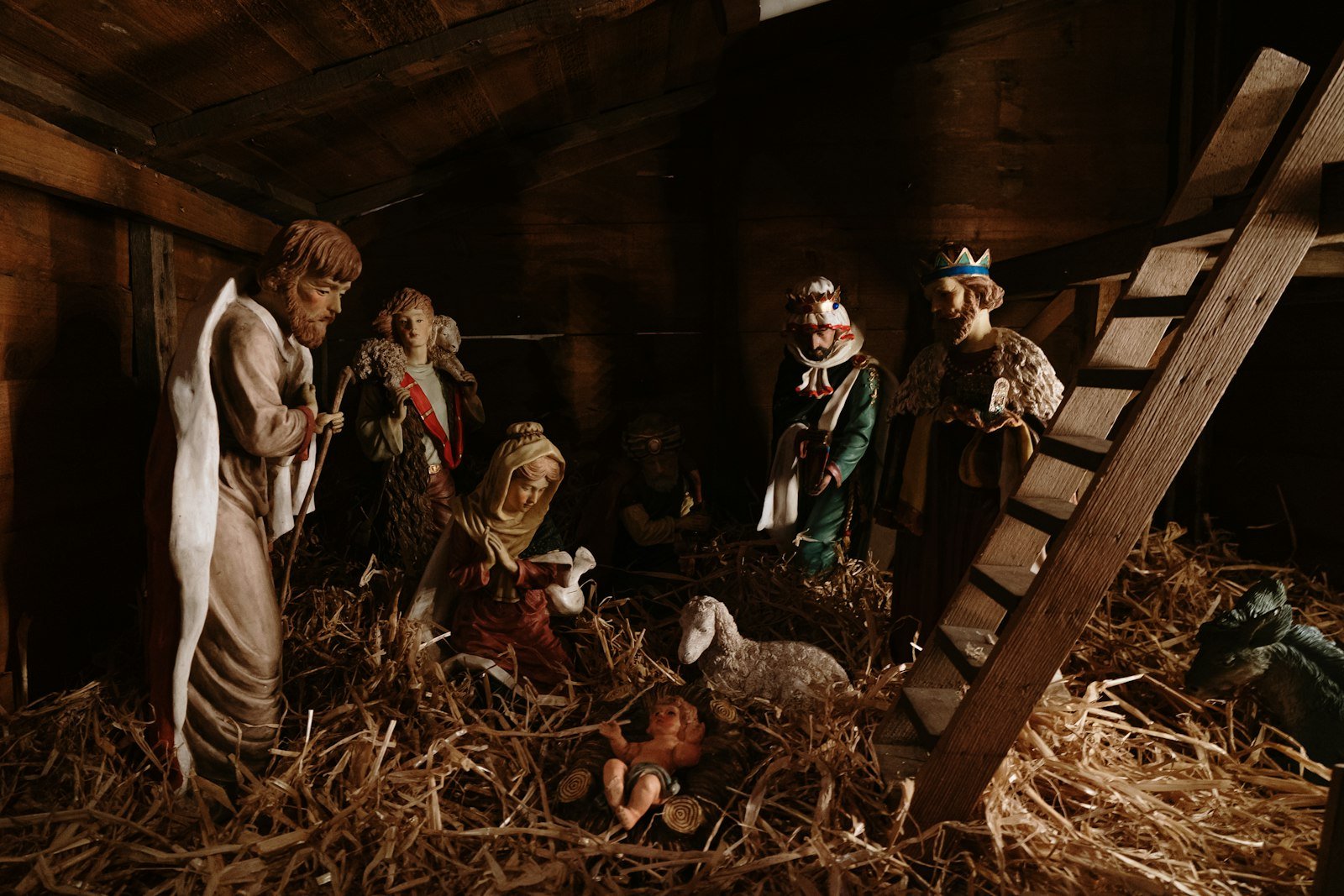
| el belén | el Belén | The nativity scene is small. Only the town, Belén, takes a capital. |
| tarjeta de Navidad | crismas | Fundéu prefers the Spanish name for a Christmas card. |
What should you write in a Spanish Christmas card?
Start with who the card is for. Spanish has 2 ways to say you: tú for friends and family, usted for people you treat more formally. Our guide to Spanish greetings explains when to use each, so start there and then pick a line that fits.
We wrote these example lines ourselves, and each one follows the capital-letter rule above, so you can copy them as they are.
| For | Spanish | English |
|---|---|---|
| A friend | ¡Feliz Navidad! Te deseo unas fiestas llenas de alegría. | Merry Christmas! I wish you a holiday full of joy. |
| Family | Felices fiestas a toda la familia. Con mucho cariño. | Happy holidays to the whole family. With lots of love. |
| A teacher or client | Le deseo una feliz Navidad y un próspero año nuevo. | I wish you a merry Christmas and a prosperous new year. |
| A whole office | Les deseamos unas felices fiestas y lo mejor para el año nuevo. | We wish you all happy holidays and the very best for the new year. |
| Chile | ¡Felices Pascuas y un abrazo grande! | Merry Christmas and a big hug! |
Sign off warmly. Con cariño, with love, suits friends and family. Un abrazo, a hug, works for almost anyone you know well. For a formal card, Saludos cordiales, warm regards, is safe.
Who wrote the song Feliz Navidad?
The song is by José Feliciano, a Puerto Rican singer and songwriter. He wrote and first recorded it in 1970. As its Wikipedia page tells it, he was in a Los Angeles studio, homesick and missing his family at Christmas.
The Spanish part of the song is the traditional greeting itself, with a wish for a good year. Then he switches to English, and that mix may be why so many people learn their first Spanish words from it. In 2010 his recording entered the Grammy Hall of Fame. In December 2020, 50 years after its release, it reached the US top 10 for the first time.
The lyrics are under copyright, so we won’t print them here. You can listen on any legal music service. Birthdays have their own famous song, and our piece on Las Mañanitas shows how it’s sung across the Spanish-speaking world.
How is Christmas wished in different countries?
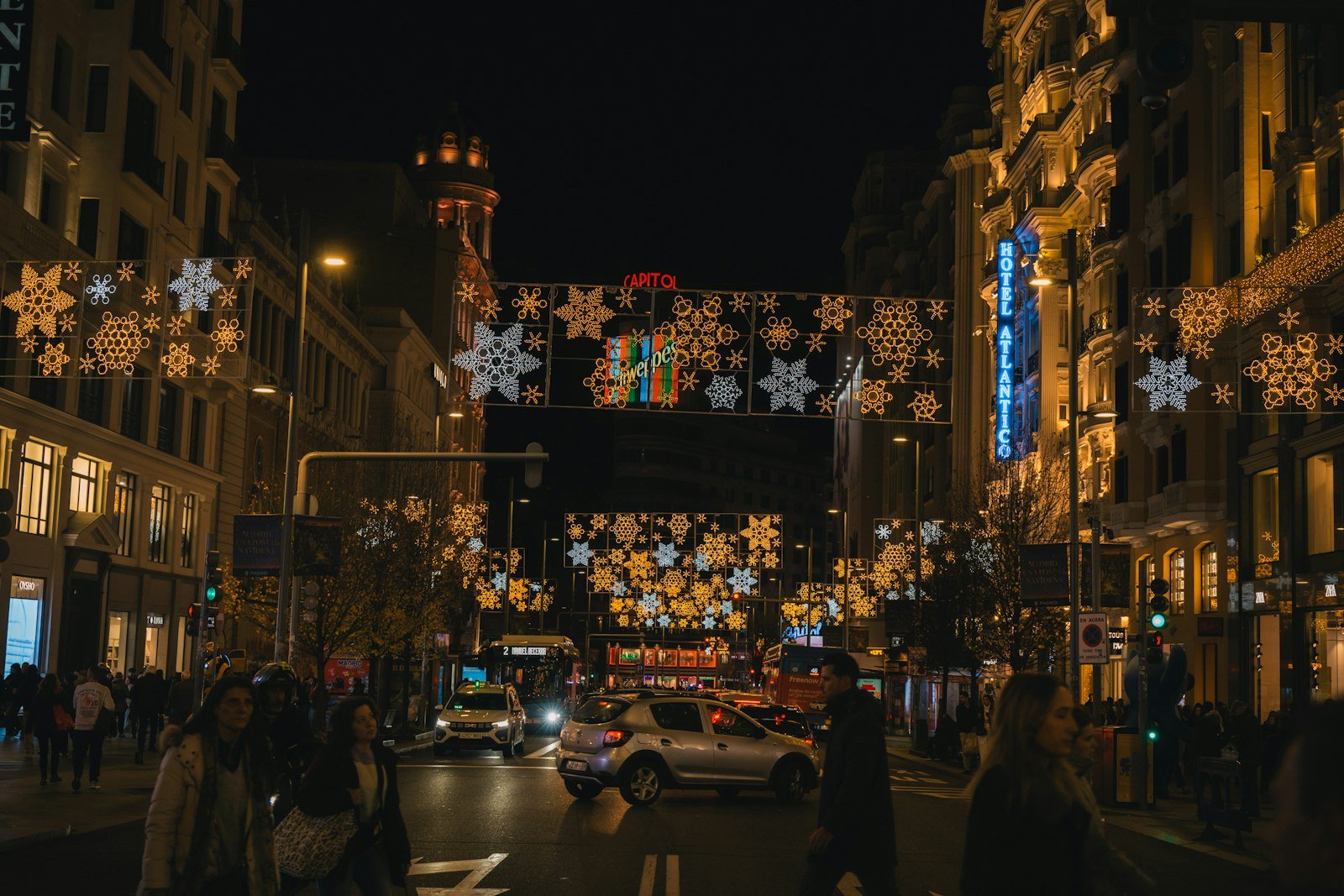
Feliz Navidad is understood everywhere Spanish is spoken. What changes is the season around it. In Spain, the big night for many children is 5 January, when the Three Kings bring presents. Our guide to Christmas in Spain covers El Gordo, the 12 grapes and Los Reyes.
In Mexico, the 9 nights before Christmas are full of posadas, with songs at each door. Read our guide to Las Posadas for the words you’ll hear. In Chile, as you saw above, the wish is still often Felices Pascuas. In Colombia, families gather for the Novena de Aguinaldos, 9 days of prayer and food from 16 to 24 December.
Try it this week. Write one card in Spanish, to a friend or a teacher. Use feliz Navidad with a small f in the middle of your sentence, and sign off with un abrazo.
Source: From the facts in this guide.
Words from this guide
| Spanish | English |
|---|---|
| feliz | happy |
| la Navidad | Christmas |
| la Nochebuena | Christmas Eve |
| la pascua | Easter, and also Christmas |
| felices fiestas | happy holidays |
| felicitar | to wish someone well |
| próspero | prosperous |
| el aguinaldo | a Christmas tip or gift |
| el belén | the nativity scene |
| un abrazo | a hug |
Frequently asked questions
What does Feliz Navidad mean in English?
Feliz Navidad means Merry Christmas. Feliz is happy and Navidad is Christmas, from natividad, birth.
How do you say happy holidays in Spanish?
Say felices fiestas. It works for the whole holiday season, with anyone.
Is it Feliz Navidad or feliz Navidad?
Both appear. At the start of a sentence or card, write Feliz Navidad. Mid-sentence, Fundéu says feliz stays small: una feliz Navidad.
Why do Chileans say Felices Pascuas at Christmas?
In Chile, Pascua is the usual name for Christmas. Pascuas in the plural covers the season from Christmas to the Three Kings.
Who sings Feliz Navidad?
José Feliciano, a Puerto Rican singer and songwriter, wrote and first recorded it in 1970.
In a hurry? We also made a short web story version of this piece.
Every city celebrates in its own way. Our next issue, Ciudades que hablan, takes you to 18 cities across the Spanish-speaking world. Each one gets a single story, told in Spanish by someone who lives there. Join the waitlist and we’ll tell you when it opens.

Your Spanishcould use some.
In Spanish, reading tends to fall apart at the first word you don’t know. Audaz Revista is a Spanish magazine written by experts, where you tap that word and keep going. Edition 1 is out now.
Pay once, and it opens the moment you pay. See what's in Edition 1
Try it. Tap any word.
.
We love meeting up with friends to go out for tapas.
From "5 Spanish customs you should know", Edition 1.
Pay once, and it opens the moment you pay. See what's in Edition 1