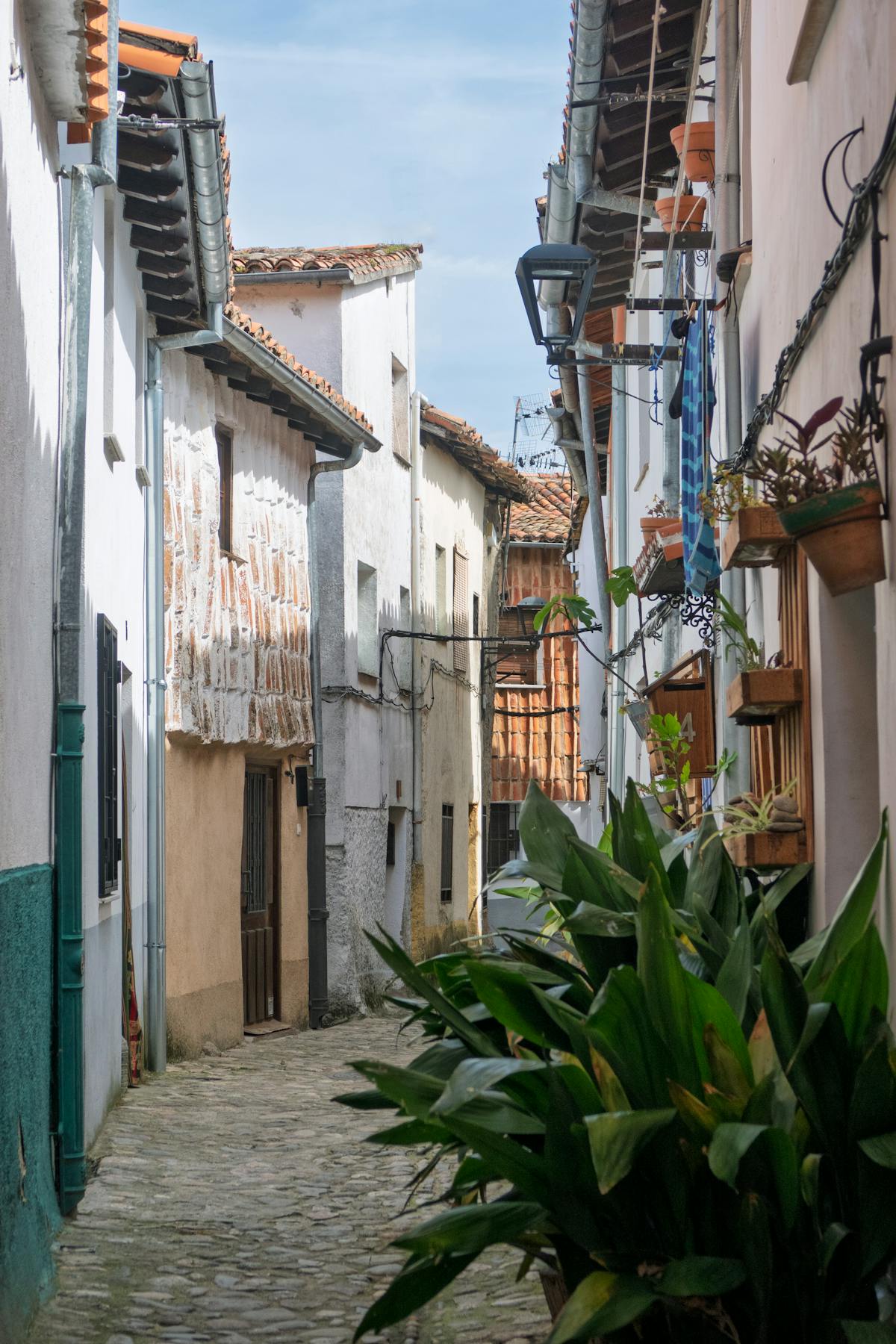
Spain Isn’t as Cheap as You Think. But It’s Not as Expensive Either.
Every expat blog says the same thing: “Spain is so affordable!” And then you move to Barcelona, pay €1,400 a month for a tiny flat, and wonder who lied to you.
Here’s the real talk. The Spanish cost of living is genuinely lower than most of Western Europe. But the gap is narrowing fast, and the numbers depend dramatically on where you live, how you live, and whether you understand the local systems that save Spaniards money every day.
Forget the generic “cost of living in Spain” articles that quote national averages. Those numbers mean nothing when Madrid and a village in Extremadura exist in the same country. Here are nine things that surprise every foreigner about living costs in Spain.
1. Rent Varies by 300% Depending on the City
This is the single biggest mistake foreigners make. They see “average Spanish rent: €750/month” and assume that’s what they’ll pay everywhere. It’s not.
According to Idealista, Spain’s largest property portal, average monthly rents in early 2026:
- Barcelona: €1,200-€1,600 for a one-bedroom flat in the centre
- Madrid: €1,100-€1,400 for comparable locations
- Valencia: €750-€950, rapidly rising
- Seville: €650-€850
- Malaga: €800-€1,100 (surging due to digital nomad demand)
- Salamanca: €450-€600
- Smaller cities (Caceres, Leon, Teruel): €350-€500
The phrase you need: ¿Cuánto es el alquiler mensual? (KWAN-toh es el al-kee-LAIR men-SOO-al), “How much is the monthly rent?”
Pro tip: Spaniards often find flats through word of mouth, not just websites. Telling locals you’re looking, Estoy buscando piso (es-TOY boos-KAN-doh PEE-soh), can unlock listings that never appear online.
2. Groceries Are Genuinely Cheap (If You Shop Like a Local)
Spanish supermarket prices will genuinely surprise you. A full weekly shop for two people at Mercadona, Spain’s most popular supermarket chain, runs €50-€70. That’s roughly 30-40% less than the UK or Germany.
The secret? Spaniards shop at mercados (mer-KAH-dohs, fresh markets) for produce, fish, and meat. Market prices beat supermarkets by 15-20% on average, and the quality is incomparable. Every neighbourhood has one.
Essential market vocabulary:
- ¿A cuánto está el kilo? (ah KWAN-toh es-TAH el KEE-loh) – “How much per kilo?”
- Póngame medio kilo (PON-gah-meh MEH-dee-oh KEE-loh) – “Give me half a kilo”
- ¿Qué me recomienda? (keh meh reh-ko-mee-EN-dah) – “What do you recommend?”
The Instituto Nacional de Estadística (INE) reports that Spanish households spend an average of €340 per month on food, compared to €470 in France and €510 in Germany. Learning to navigate Spanish markets like a local makes a real difference.
3. Eating Out Is Where Spain Really Shines
This is where the cost of living in Spain becomes genuinely exciting. The menú del día (meh-NOO del DEE-ah), a multi-course set lunch available at most restaurants, typically costs €10-€14 and includes:
- A starter (soup, salad, or pasta)
- A main course (meat or fish with sides)
- Dessert or coffee
- Bread and a drink (often wine or beer)
That’s a proper, sit-down, two-course meal with wine for less than a sandwich and coffee in London. The tapas culture offers another affordable option: a caña (KAN-yah, small beer) and a tapa costs €2-€4 at most neighbourhood bars.
4. Healthcare Is World-Class and (Mostly) Free
Spain’s public healthcare system, the Sistema Nacional de Salud, ranks among the top ten globally according to the World Health Organisation. If you’re a legal resident contributing to Seguridad Social (seh-goo-ree-DAHD so-see-AL, Social Security), you get full access.
What that covers: GP visits, specialist referrals, hospital stays, surgery, emergency care, maternity care, and prescriptions (with small copays). Private health insurance, if you want it, runs €50-€150 per month depending on age and coverage.
For a deeper look at how the system works for foreigners, check our complete guide to the Spanish healthcare system.
5. Transport Costs Might Shock You (in a Good Way)
Monthly public transport passes in Spanish cities are remarkably affordable:
- Madrid: €54.60 (all zones, unlimited metro/bus)
- Barcelona: €40 (T-Usual, 1 zone)
- Valencia: €40-€50
- Seville: €36
Compare that to €86 for a Zone 1 London Travelcard or €107 for a Berlin AB pass. Spanish cities also have extensive bike-sharing networks and are increasingly walkable.
Intercity travel is another win. The AVE high-speed train connects Madrid to Barcelona in 2.5 hours, and booking in advance gets you tickets from €20-€35. Domestic flights with Vueling or Ryanair regularly drop below €30.
6. Utility Bills Have a Hidden Catch
Electricity in Spain is among the most expensive in Europe. The average monthly electricity bill for a two-bedroom flat runs €80-€120, and it spikes in summer (air conditioning) and winter (heating, since most Spanish homes lack central heating).
The catch: Spain uses a complex tariff system with horas punta (OR-as POON-tah, peak hours) and horas valle (OR-as VAH-yeh, off-peak hours). Running your washing machine at midnight instead of noon can save 30-40% on your bill. Most Spaniards know this. Most foreigners don’t.
Water is cheap (€20-€30/month). Internet runs €30-€45 for fibre, which is widely available even in smaller cities. Mobile plans start at €10-€15 for generous data.
7. The Tax System Is More Complex Than You Expect
Spanish income tax (IRPF) is progressive, ranging from 19% to 47%. But the effective tax rate for most employed residents working average-salary jobs falls between 15-25%. Social Security contributions add roughly 6.35% for employees.
The Beckham Law (Ley Beckham), now updated, allows qualifying new residents to pay a flat 24% on Spanish income for six years. This makes Spain genuinely attractive for high earners relocating from higher-tax countries.
The IVA (ee-VAH), Spain’s VAT, is 21% on most goods. But reduced rates apply to food (10%) and essentials like bread and milk (4%). This means your grocery bill includes less tax than you might think.
8. Social Life Is Cheap Because the Culture Supports It
This is what cost-of-living calculators never capture. In Spain, social life revolves around activities that cost very little:
- Paseo (pah-SEH-oh): the evening stroll. Free, and everyone does it
- Sobremesa: lingering after meals costs nothing but time
- Vermouth hour: a Sunday tradition of cheap drinks and tapas
- Fiestas: most Spanish festivals are free to attend
- Parks and beaches: Spain has 8,000km of coastline and stunning urban parks
Spanish culture doesn’t require expensive entertainment. A caña at a terrace with friends is a perfectly good Friday night. Your social spending in Spain will likely drop by 30-50% compared to cities like London, Sydney, or New York.
9. The “Hidden” Costs Nobody Warns You About
Finally, a few costs that catch every new arrival off guard:
- Deposit requirements: Landlords typically ask for 2-3 months’ rent upfront (deposit plus first and last month)
- NIE and residency paperwork: The Número de Identidad de Extranjero (NOO-meh-roh deh ee-den-tee-DAHD deh ex-tran-HEH-roh) process involves fees of €10-€20, but hiring a gestor (hes-TOR, administrative agent) to handle bureaucracy costs €100-€300
- Homologation of qualifications: If you need your degree recognised in Spain, budget 6-12 months and €100-€200 in fees
- Furniture: Many Spanish rental flats come unfurnished (sin amueblar)
- Community fees: If you buy property, monthly gastos de comunidad (GAS-tos deh ko-moo-nee-DAHD) for building maintenance range from €30-€150
The Bottom Line
A comfortable life in Spain is genuinely achievable on less than you’d spend in most Western European capitals. A single person can live well in a mid-sized city like Valencia or Seville on €1,200-€1,500 per month. A couple in Madrid or Barcelona should budget €2,500-€3,500 for a comfortable lifestyle.
The key insight? Living like a local, not like a tourist, is where the real savings happen. Shop at markets. Eat the menú del día. Take the metro. Walk everywhere. Join the paseo.
Your Spanish is about to level up, and so is your quality of life. Now go explore what Spain can offer you.
Share

audazrevista



Get the Inside Scoop