Happy New Year in Spanish: 12 Grapes and Yellow Underwear
By the Audaz Revista editorial team
Updated November 23, 2026 · Reviewed by the Audaz editorial team
How do you say Happy New Year in Spanish? Say ¡Feliz Año Nuevo!, or just ¡Feliz año! At midnight, much of the Spanish-speaking world eats 12 grapes, one for each stroke of the clock. Then each country adds its own luck: yellow underwear for money, a suitcase walk for travel, lentils for plenty. In Ecuador and Colombia, families burn a life-size doll called the año viejo, the old year.
- ¡Feliz Año Nuevo! is the greeting. Año Nuevo takes capitals when it names the holiday.
- The 12 grapes came from Spain. Where grapes are out of season, some families eat raisins instead.
- Ecuador’s año viejo is traced to Guayaquil in 1895, during a yellow fever scare.
The phrase is easy, but knowing what to do once you’ve said it takes a little longer.
New Year’s Eve in the Spanish-speaking world is full of small rules. You wear the right colour and keep something in your pocket. Every country has its own list, and its own word for the list.
This guide starts with what to say. Then it goes country by country, with the Spanish for each custom. For Spain’s version, with the Puerta del Sol clock and the TV countdown, read our guide to Christmas in Spain.
In this guide (12)+
- How do you say Happy New Year in Spanish?
- What does Nochevieja mean?
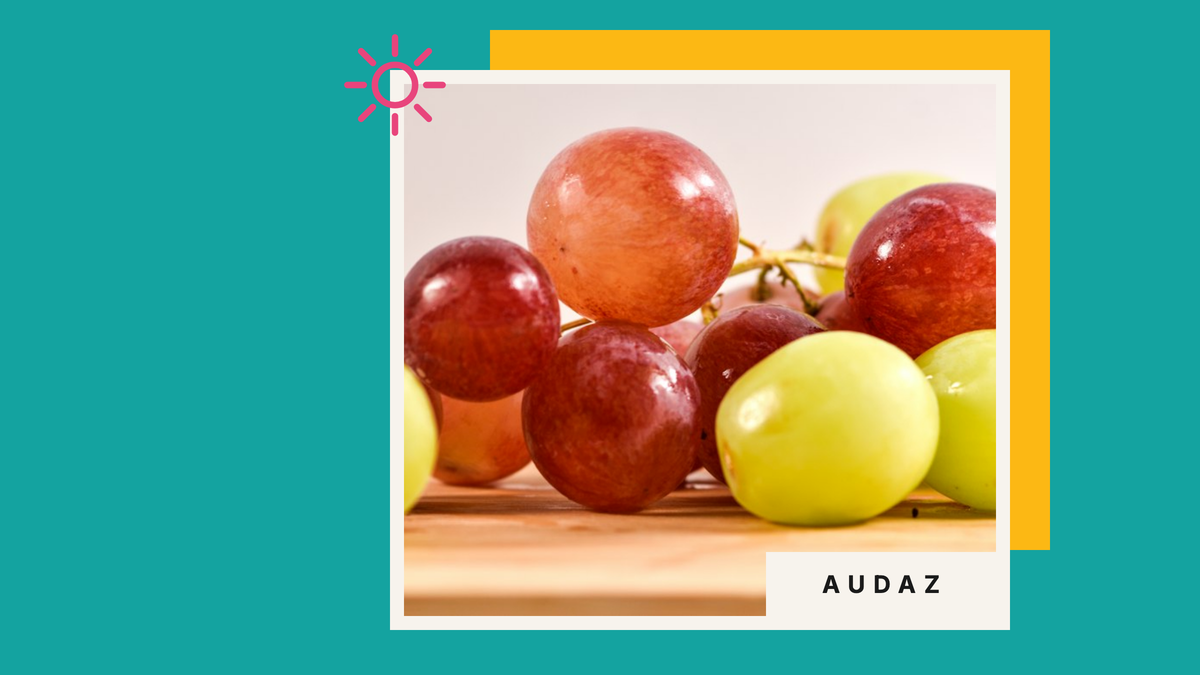
- Why do people eat 12 grapes at midnight?
- Why do people wear yellow underwear on New Year’s Eve?
- What is the año viejo doll?
- Where did the año viejo come from?
- Who are the viudas of New Year’s Eve?
- Why do people walk around the block with a suitcase?
- What do lentils have to do with the new year?
- What other New Year’s customs should you know?
- What Spanish words go with New Year’s Eve?
- Questions
How do you say Happy New Year in Spanish?
The full greeting is ¡Feliz Año Nuevo!, Happy New Year. Many people shorten it. In Colombia, families hug and wish each other feliz año before going out to greet the neighbours.
On a card, the classic line is feliz Navidad y próspero año nuevo, merry Christmas and a prosperous new year. Our guide to Feliz Navidad has more card lines, for family, friends and work.
Where do the capitals go? Fundéu, the Spanish language advice service, says Nochevieja and Año Nuevo are names of holidays, so they take capitals. Feliz stays small in the middle of a sentence. So you write te deseo un feliz Año Nuevo. When you mean the whole coming year, as in próspero año nuevo, it stays small.
What does Nochevieja mean?
Nochevieja is New Year’s Eve. Literally, it means the old night. It’s one word, and it’s what people say in Spain.
The next day isn’t Nochenueva, the new night. It’s simply Año Nuevo, New Year.
Latin America has its own ways to say it. In Chile, people talk about la noche de año viejo, the night of the old year. In Ecuador, the news calls the season Fin de Año, the end of the year.
Why do people eat 12 grapes at midnight?
The custom came to Latin America from Spain. You eat one grape with each stroke of midnight. Each grape is a wish for one month of the new year.
Nobody agrees on where it began. One theory points to Spain in the 1880s, when well-off families copied a French habit of grapes and sparkling wine. Another points to 1909, when growers around Alicante had a huge harvest to sell.
Fresh grapes aren’t always easy to find at the end of December in Latin America. In some places, that’s why the custom shifted to raisins, pasas.
In Venezuela, the grapes come with words. Radio Rumbos, a popular Caracas station, plays the poem Las uvas del tiempo, by Andrés Eloy Blanco, just before the chimes.
Why do people wear yellow underwear on New Year’s Eve?
Yellow is for money and luck, and in Colombia the yellow pair is one of the best known New Year’s customs, and shops sell more of them in December.
The details change by country. In Mexico, people wear red for love and yellow for money. In Chile, the tradition says the yellow pair should be a gift, and some people wear it inside out. In Peru, yellow clothes of every kind sell well in late December.
There’s more than one theory about why yellow. One links it to the sun. Another links it to gold, a symbol of wealth.
One custom, 2 words. Colombian papers call these luck customs agüeros. Chilean papers call them cábalas. Same yellow underwear, same suitcase, different word. If you read the news in both countries in late December, you’ll meet both.
What is the año viejo doll?
The año viejo, the old year, is a doll that stands for the year that’s ending. Families in Ecuador, Colombia, Peru and Venezuela make one and burn it at midnight.
In Colombia, it’s usually a rag doll about the size of a real person. It’s stuffed with newspaper, cloth or straw. It often wears old clothes from the family that made it.
Many dolls are dressed as a politician or a famous face from the year. Before the fire, someone reads out the doll’s testamento, its will. It looks back at the year, often with jokes.
Burning it is a kind of clean start, because the bad parts of the year go up in smoke, and the new year can begin.
A safety note. Colombian law bans filling the dolls with gunpowder or fireworks. Law 2224 of 2022 sets the rules, and the fines are steep.
Where did the año viejo come from?
Most accounts point to Guayaquil, in Ecuador. In 1895, the city feared an outbreak of yellow fever. People made figures of straw dressed in the clothes of relatives who had died. They left them in the street on the last day of the year and burned them at midnight.
Other historians see an older root. In colonial times, people burned a figure of Judas during Holy Week. Both stories may feed the custom we see today.
Ecuadorian accounts say the custom then spread to Colombia, Venezuela and Mexico. Today Guayaquil’s artisans build figures some 6 metres tall, and visitors come to see them before they burn. In Peru, the dolls often hold the old year’s calendar in one hand.
Who are the viudas of New Year’s Eve?
In Ecuador, the año viejo leaves widows behind. On 31 December, men dress up as viudas, widows, and ask passing cars for money. They dance and joke as they go.
It used to be different, because young women once dressed in black and pretended to cry for the dead man, a small doll. Asking for money showed how poor the widow had been left. The coins went to the family that made the doll.
Two songs go with the night in Colombia and its neighbours. El año viejo is by the Colombian Crescencio Salcedo, first recorded in 1953 by Tony Camargo. Faltan cinco pa’ las doce, five to twelve, is by Néstor Zavarce. We quote no lyrics here, but both are worth a listen.
Why do people walk around the block with a suitcase?
It’s a wish to travel in the new year. At midnight, people take a suitcase, una maleta, out for a walk around the block. The custom shows up in Colombia, Chile, Mexico and Venezuela.
Some Colombians pack it full and say goodbye, as if they were really leaving. In Chile, some people climb onto a chair with the suitcase instead. Climbing up also means the year ahead will go up.
What do lentils have to do with the new year?
Lentils, lentejas, stand for plenty. In Chile, eating them on New Year’s is one of the oldest customs. In Colombia, people carry a few lentils or grains of rice in their pockets, so the family never runs short of food.
In Mexico, lentils are shared raw or cooked, or kept in a pocket as a charm. Money gets its own customs too. In Chile, people put a banknote in their shoe. In Colombia, some hold one in their hand before midnight.
What other New Year’s customs should you know?
Water plays a part as well. In Puerto Rico, some people throw a bucket of water into the street. It clears the house of everything bad so the good can come in. Uruguay does the same with un balde de agua, and many people dress in white.
Uruguay also has a rain of paper. On the last working day of the year, office workers in Montevideo throw old calendars and diaries out of the windows. People call it the lluvia de papeles.
In Mexico, some families throw coins out of the house and sweep them back in, for money in the next 12 months. Others clean the whole house to make room for the new year. In Cuzco, in Peru, people walk in circles around the main square at midnight.
For the dates around it, from Christmas to 6 January, see our guides to Christmas in Latin America and Three Kings Day.
What Spanish words go with New Year’s Eve?
These are the words from this guide, from the greeting to the bucket of water.
| Spanish | What it means |
|---|---|
| ¡Feliz Año Nuevo! | Happy New Year! |
| ¡Feliz año! | the short form you’ll hear at midnight. |
| la Nochevieja | New Year’s Eve. Literally, the old night. |
| el Año Nuevo | New Year’s Day, 1 January. |
| las doce uvas | the 12 grapes, one for each stroke of midnight. |
| las pasas | raisins, used where fresh grapes are out of season. |
| el agüero | a New Year’s luck custom, the word Colombians use. |
| la cábala | the same idea, the word Chileans use. |
| la ropa interior amarilla | yellow underwear, for money and luck. |
| la maleta | the suitcase you walk around the block. |
| las lentejas | lentils, for plenty in the year ahead. |
| el año viejo | the old year, and the doll that stands for it. |
| el monigote | a stuffed doll. In Ecuador, another name for the año viejo. |
| el testamento | the will read out before the doll burns. |
| la viuda | the widow. In Ecuador, men dress up as the año viejo’s widows. |
| el balde de agua | a bucket of water, thrown out of the house. |
For the year’s other big dates, see our calendar of festivals in Spain and Latin America.
Frequently asked questions
How do you say Happy New Year in Spanish?+
Say ¡Feliz Año Nuevo! In Colombia and many other places you’ll also hear the short form, ¡Feliz año! On a card, the classic line is feliz Navidad y próspero año nuevo.
Why do people eat 12 grapes at midnight?+
For luck. You eat one grape with each stroke of midnight and make a wish for each month of the year. The custom came to Latin America from Spain.
What does yellow underwear mean on New Year’s Eve?+
It’s for money and good luck in the year ahead. In Mexico, red is for love and yellow is for money. In Chile, the tradition says the yellow pair should be a gift.
What is the año viejo?+
It’s a life-size doll that stands for the old year. Families in Ecuador, Colombia, Peru and Venezuela make one, often from old clothes, and burn it at midnight to leave the bad parts of the year behind.
Why do people walk around the block with a suitcase?+
To bring travel in the new year. At midnight, people in Colombia, Chile, Mexico and Venezuela take a suitcase out for a walk around the block.
Every country says goodbye to the year its own way. Our next issue, Ciudades que hablan, takes you to 18 cities across the Spanish-speaking world. Each one gets a single story, told in Spanish by someone who lives there. Join the waitlist and we’ll tell you when it opens.
Audaz Revista
Audaz Revista is the reading guide for Spanish learners. We tell you what you can read in Spanish at your level, and help you finish it.
Share
Topics

audazrevista
Your Spanishcould use some.
In Spanish, reading tends to fall apart at the first word you don’t know. Audaz Revista is a Spanish magazine written by experts, where you tap that word and keep going. Edition 1 is out now.
Pay once, and it opens the moment you pay. See what's in Edition 1
Try it. Tap any word.
.
We love meeting up with friends to go out for tapas.
From "5 Spanish customs you should know", Edition 1.
encantar · verb
love (nos encanta = we love)
Works like gustar: nos encanta = we love it (literally: it delights us).
Pay once, and it opens the moment you pay. See what's in Edition 1
You may also like
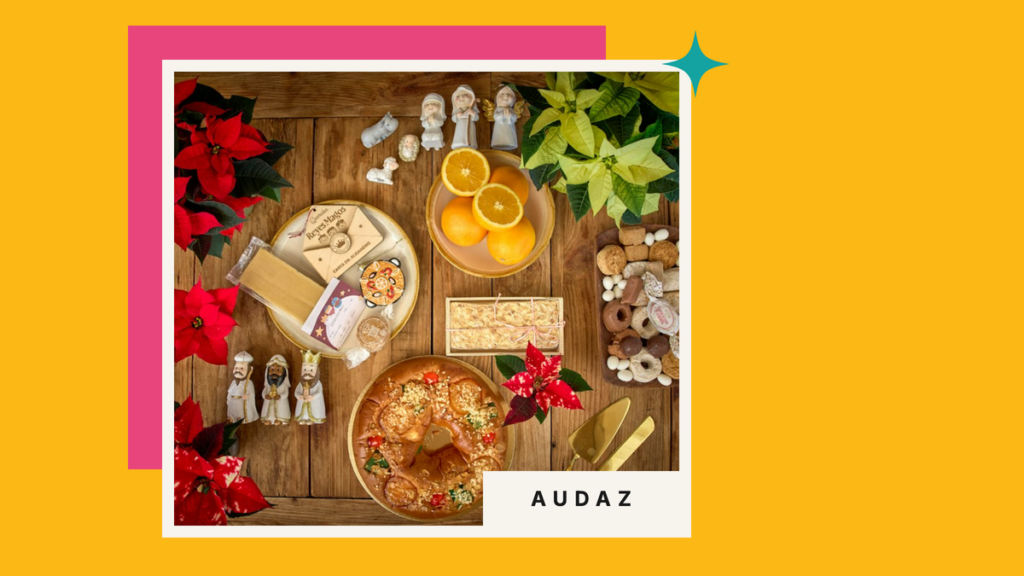
Free read: a real Edition 1 article
Get one of the 13 short reads from Edition 1, free. Tap any word and its meaning pops up. We’ll email you the link.