How to Order Coffee in Spain Without Accidentally Getting a Glass of Milk
By Daniel Herrera, Spanish teacher and curriculum designer
Updated July 8, 2026 · Reviewed by the Audaz editorial team
To order coffee in Spain like a local, learn four words. Ask for a café con leche (coffee with milk) for a milky morning cup. Ask for a cortado for an espresso with just a splash of warm milk. Ask for a café solo for a straight black espresso. And avoid manchado unless you actually want a glass of warm milk with a whisper of coffee in it. That last one is the trap most tourists fall into.
- “Un café” on its own usually means a small black espresso, not a big mug.
- Café con leche is half espresso, half hot milk. It is the classic breakfast coffee.
- Manchado is mostly milk. Order it by mistake and you get a glass of milk, lightly stained.
- The barista may ask if you want the milk caliente, templada or fría (hot, warm or cold).
Why does ordering coffee in Spain trip up so many travellers?
Here is the thing nobody warns you about. In Spain, “coffee” does not mean a big paper cup of filter coffee. It means espresso. Walk into a bar, say “un café, por favor”, and you will get a small, strong shot of black espresso. Delicious, but tiny if you were expecting a mug.
The bigger trap is the milk. Spanish coffee comes in a whole range of milk levels, and the names sound similar. Get one word wrong and your morning coffee turns into a glass of warm milk. It happens to travellers every single day.
Good news: you only need to learn a handful of orders. Get these right and you will order coffee in Spain like you have lived there for years. Let us start with the full menu, then the exact words to say.
What are the main types of coffee in Spain?
Almost every bar in Spain serves the same core list, as Spain-based food experts like Devour Tours confirm. The only real difference between them is how much milk goes in, and whether anything else joins the party. Here is the quick version, then we will break down the ones that matter.
| Order | What arrives | Milk level | Best for |
|---|---|---|---|
| Café solo | A single shot of strong black espresso | None | A quick afternoon hit |
| Café doble | A double espresso, still black | None | When one shot won’t do |
| Café cortado | Espresso “cut” with a splash of warm milk | Low | The local afternoon pick |
| Café con leche | Half espresso, half hot milk | High | Breakfast, the classic |
| Manchado | Warm milk “stained” with a little coffee | Very high | Almost no caffeine |
| Café bombón | Espresso layered over condensed milk | Sweet | A sugary treat |
| Café con hielo | Hot espresso plus a glass of ice | Optional | Summer heat |
| Café americano | Espresso loosened with hot water | Optional | A longer, milder cup |
| Carajillo | Espresso with a shot of liquor | Optional | After a long lunch |
Café solo (a straight black espresso)
This is the default. A café solo is one small shot of strong black espresso, served in a little cup. No milk, no water, no fuss. If you want a double, ask for a café doble. Spaniards often take a solo after lunch to round off the meal.
Café con leche (the classic breakfast coffee)
The most popular coffee in Spain. A café con leche is roughly half espresso and half hot milk, served in a bigger cup or a glass. This is the breakfast coffee, the one Spaniards drink with a piece of toast in the morning. If you want something close to your usual milky coffee, this is your order. Our guide to what Spaniards actually eat for breakfast shows exactly where it fits in the morning routine.
Cortado (espresso with a splash of milk)
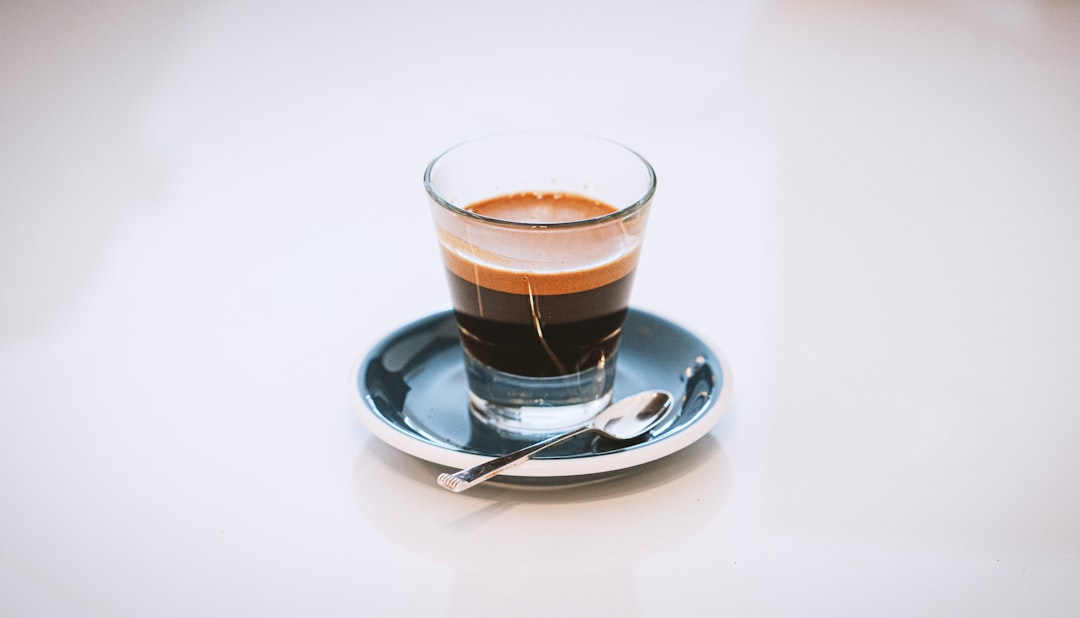
A cortado is an espresso “cut” with a small splash of warm milk. It comes in a little glass, and it sits right between a café solo and a café con leche. This is the coffee locals reach for in the afternoon, when a full milky cup would feel like too much. Learn this one word and you instantly sound less like a tourist.
Manchado (the glass-of-milk trap)
Here is the order that catches people out. Manchado (or leche manchada) means “stained”. It is mostly warm milk with just a splash of coffee to “stain” it. So it is the reverse of a cortado. A cortado is coffee with a little milk. A manchado is milk with a little coffee. If you want an actual coffee, this is not it.
If you order a manchado expecting a strong coffee, you will get a glass of warm milk with barely any caffeine. It is a lovely drink for kids or a late night. It is not a morning pick-me-up. Remember: manchado equals milk, cortado equals coffee.
Café bombón (espresso and condensed milk)
A sweet treat from the Valencia and Alicante coast. A café bombón is an espresso poured over sweetened condensed milk in a clear glass, so you can see the two layers before you stir them together. It is rich, sugary and small. Try it once, even if it is not your everyday cup.
Café con hielo (iced coffee, the Spanish way)
In summer, order a café con hielo and you will not get a ready-made iced coffee. You get a hot espresso and a separate glass of ice cubes. You pour the coffee over the ice yourself. Insider tip: stir your sugar into the hot coffee first, before it hits the ice, or it will never dissolve.
Carajillo (coffee with a kick)
Not one for breakfast. A carajillo is an espresso with a shot of liquor in it, usually brandy, rum, whisky or anís. Spaniards often order one after a long lunch. The name is said to come from Spanish soldiers in colonial Cuba who added rum to their coffee for coraje (courage). If you fancy the classic, our guide to the Spanish vermouth hour covers the other great local drinks ritual.
Café descafeinado (decaf, done right)
Want decaf? Ask for a descafeinado. But add two magic words: de máquina. That means machine-brewed decaf, made fresh from the espresso machine. If you skip those words, some bars give you descafeinado de sobre, which is a sachet of instant decaf stirred into hot milk. Always ask for de máquina and you will get a proper cup.
How do you actually order it in Spanish?
Ordering is simple once you have the words. Spaniards are direct and friendly at the bar, so keep it short. Any of these will work, and adding “por favor” always lands well.
- Un café con leche, por favor. (A coffee with milk, please.)
- Me pone un cortado, por favor. (Can you make me a cortado, please.)
- Ponme un café solo, por favor. (Give me a black espresso, please.)
- Un descafeinado de máquina, por favor. (A machine-made decaf, please.)
- ¿Me cobra, por favor? or La cuenta, por favor. (Can I pay, please.)
Two small choices make you sound local. Say para tomar aquí if you are staying, or para llevar if you want it to go. And you can ask for it en taza (in a cup) or en vaso (in a glass). A glass usually means a touch more milk. If you want more phrases for real Spanish conversations, our list of Spanish filler words that sound fluent is a fast win.
What if the barista asks about the milk?
When you order a café con leche, do not be surprised if the barista asks a quick follow-up. They usually want to know the milk temperature. You have three answers, and that is the whole conversation.
- Caliente: hot, steamed milk. The default for most people.
- Templada: warm, a mix of hot and cold. Ready to drink straight away.
- Fría: cold milk, which cools the whole coffee down fast.
You can also choose your milk type. Ask for leche entera (whole), semidesnatada (semi-skimmed) or desnatada (skimmed). Plant milks are common now too: leche de soja (soy) and leche de avena (oat). Just say it after your order, and you are done.
Does the coffee change name in different parts of Spain?
Yes, and it is a fun detail to know. In Catalonia and the Balearic Islands, a cortado is often called a tallat, the Catalan word for “cut”. A carajillo can be a cigaló in Catalan, or a cremaet in the Valencia region, where they add sugar, cinnamon and lemon peel. These regional words will not always be understood elsewhere, so cortado and carajillo are your safe bets across the country. For more on how Spanish shifts from city to city, see our Barcelona words that nobody uses in Madrid.
When do Spaniards drink which coffee?
Timing is the last piece, and it is a real tourist tell. A big milky café con leche is a morning drink. Spaniards have it with breakfast, sometimes again mid-morning. After lunch or in the evening, they switch to something smaller: a café solo or a cortado, a habit The Local Spain also flags for visitors. Coffee also comes after dessert, not with it.
Order a large café con leche after dinner and you quietly mark yourself as a visitor. A café solo or a cortado is what locals reach for late in the day. It is a tiny switch, and it makes you blend right in.
Coffee is also a social ritual, not a grab-and-go habit. Spaniards linger over it, often as part of the sobremesa, the long chat that follows a meal. So take your time, sit at the bar or a table, and enjoy the cup. That is the whole point.
Frequently asked questions
What is the most popular coffee in Spain?+
The café con leche, roughly half espresso and half hot milk. It is the classic breakfast coffee that most Spaniards drink in the morning, usually with a piece of toast.
What is the difference between a cortado and a manchado?+
A cortado is espresso with a small splash of warm milk, so it is mostly coffee. A manchado is the reverse: mostly warm milk with just a splash of coffee. Order a cortado if you want an actual coffee.
How do I order a black coffee in Spain?+
Ask for a café solo, which is a single shot of strong black espresso. For a double, ask for a café doble. If you want it longer and milder, ask for a café americano.
What does ‘de máquina’ mean when ordering decaf?+
It means the decaf is brewed fresh from the espresso machine. Without those words you might get ‘descafeinado de sobre’, a sachet of instant decaf in hot milk. Always ask for descafeinado de máquina.
Why did I get two glasses when I ordered café con hielo?+
That is normal. Café con hielo comes as a hot espresso plus a separate glass of ice. You pour the coffee over the ice yourself. Stir in any sugar while the coffee is still hot.
Want the real Spanish that apps skip, one email at a time? Subscribe to Audaz for practical guides, cultural deep-dives and the words you will actually use in Spain.
Daniel Herrera
Spanish teacher and curriculum designer
Daniel Herrera is a Spanish teacher and curriculum designer who has taught beginners for over a decade, in classrooms in Madrid and online. He specialises in making the boring-but-essential parts of Spanish click fast: numbers, dates, and grammar. His rule is simple. If a rule needs a long explanation, it is being taught the wrong way.
Share
Topics

audazrevista
You may also like

Get the Inside Scoop